





Esports, or electronic sports, has emerged as one of the fastest-growing entertainment industries in the world. What began as casual gaming competitions has transformed into a global phenomenon, attracting millions of players, fans, and investors. Esports represents more than just playing video games; it is a blend of strategy, teamwork, technology, and showmanship. Its influence stretches across entertainment, education, and business, demonstrating the cultural and economic impact of digital competition in the modern world.
The Early Days of Competitive Gaming
The history of esports can be traced back to the late 1970s and early 1980s when arcade games became popular among youth. Tournaments for games like Space Invaders, Pac-Man, and Donkey Kong were held in local communities and schools, creating the first organized competitions. These early events laid the foundation for a culture of gaming that valued skill, strategy, and high scores.
As gaming technology progressed, multiplayer games gained popularity. Titles such as Street Fighter and Mortal Kombat introduced head-to-head competition, while strategy games like StarCraft in South Korea and Counter-Strike internationally created communities around competitive play. The increasing accessibility of the internet in the 1990s enabled online competitions, making it possible for players from different cities and countries to compete against each other, setting the stage for modern esports.
The Professionalization of Esports
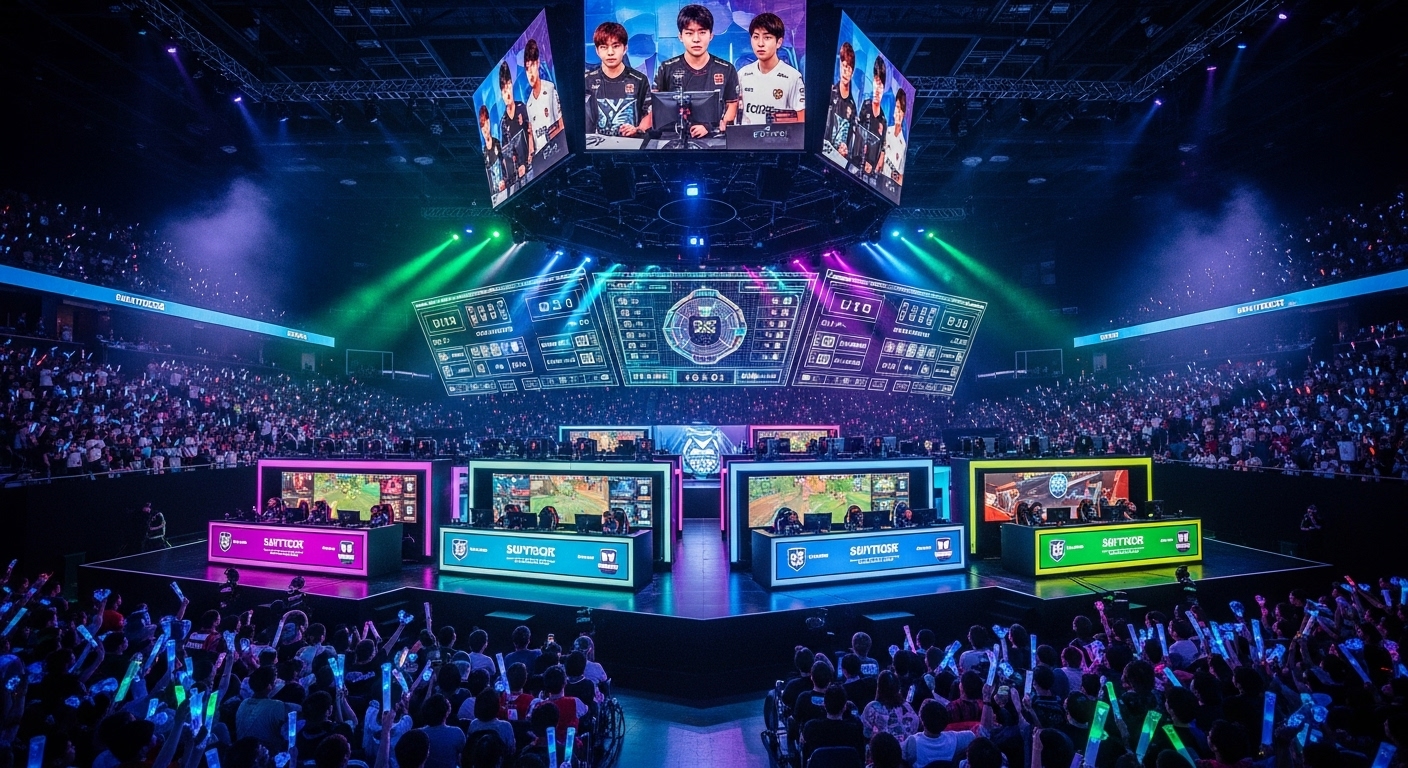
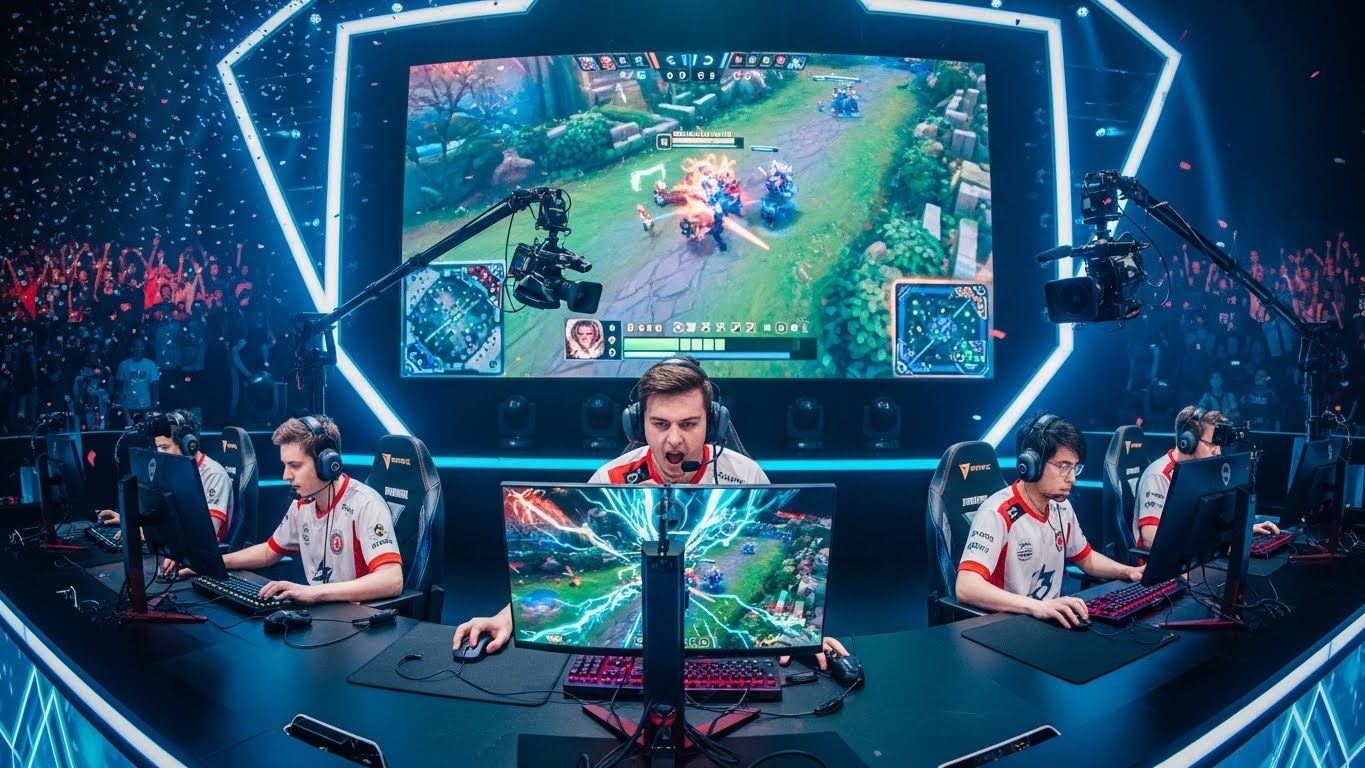
Over the past two decades, esports has evolved into a professional industry. Today, players train like athletes, dedicating hours each day to improve their skills, analyze strategies, and work as a team. Esports organizations have developed professional leagues, coaching staff, analysts, and support systems to ensure peak performance. Competitions are broadcast globally, reaching millions of viewers through streaming platforms, television, and social media.
Major tournaments, including the League of Legends World Championship, Dota 2’s The International, and the Fortnite World Cup, have attracted prize pools worth millions of dollars. Sponsorships from global brands, including technology companies, apparel brands, and beverage companies, further highlight the industry’s legitimacy. Professional players have become celebrities, and esports teams are recognized alongside traditional sports franchises, reflecting the rapid growth and professionalization of competitive gaming.
The Global Expansion of Esports
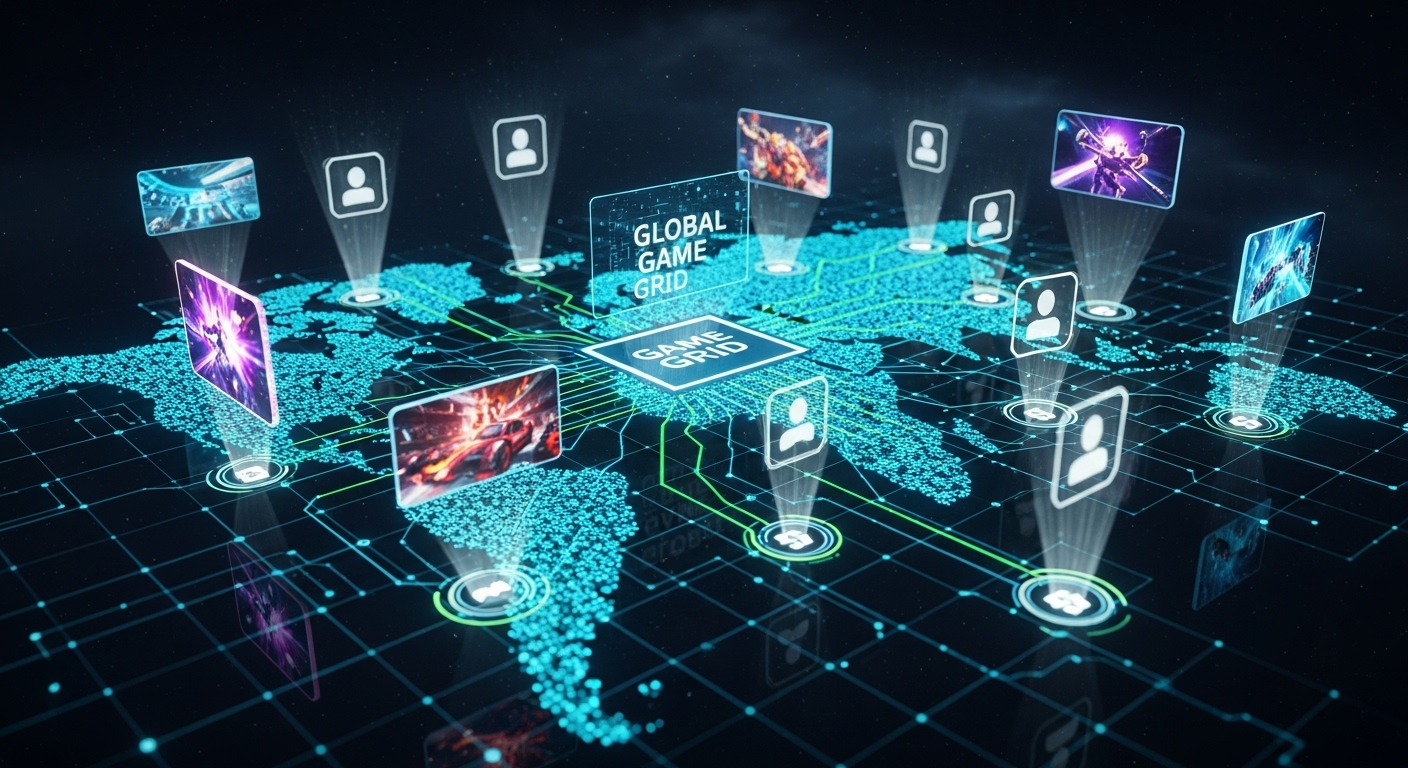
Esports is no longer limited to a few countries or regions. While South Korea and China initially dominated the scene, North America, Europe, and South America have emerged as key players in the global esports market. International competitions and leagues allow players and fans to connect across borders, creating a shared global culture.
Streaming platforms such as Twitch and YouTube Gaming have made it easier for fans to watch tournaments and follow their favorite players. Unlike traditional sports, esports allows interactive engagement. Viewers can comment, interact with players, and participate in fan communities, creating an inclusive and dynamic spectator experience. This global accessibility has helped esports grow into a cultural phenomenon that transcends geographical boundaries.
Esports as a Career Opportunity
For many, esports offers a viable career path. Professional players can earn income through tournament winnings, sponsorships, merchandise sales, and streaming revenue. The rise of content creators and influencers in the esports community has further expanded career opportunities. Beyond playing professionally, careers in esports include coaching, broadcasting, event management, marketing, and analysis.
Despite the allure of fame and financial rewards, pursuing a career in esports requires discipline, resilience, and commitment. Training schedules often exceed eight hours a day, focusing on mechanics, strategy, and teamwork. The competitive nature of esports means only a small percentage of players reach professional levels, but the industry’s ecosystem provides opportunities for growth in various roles beyond competitive play.
The Role of Technology in Esports
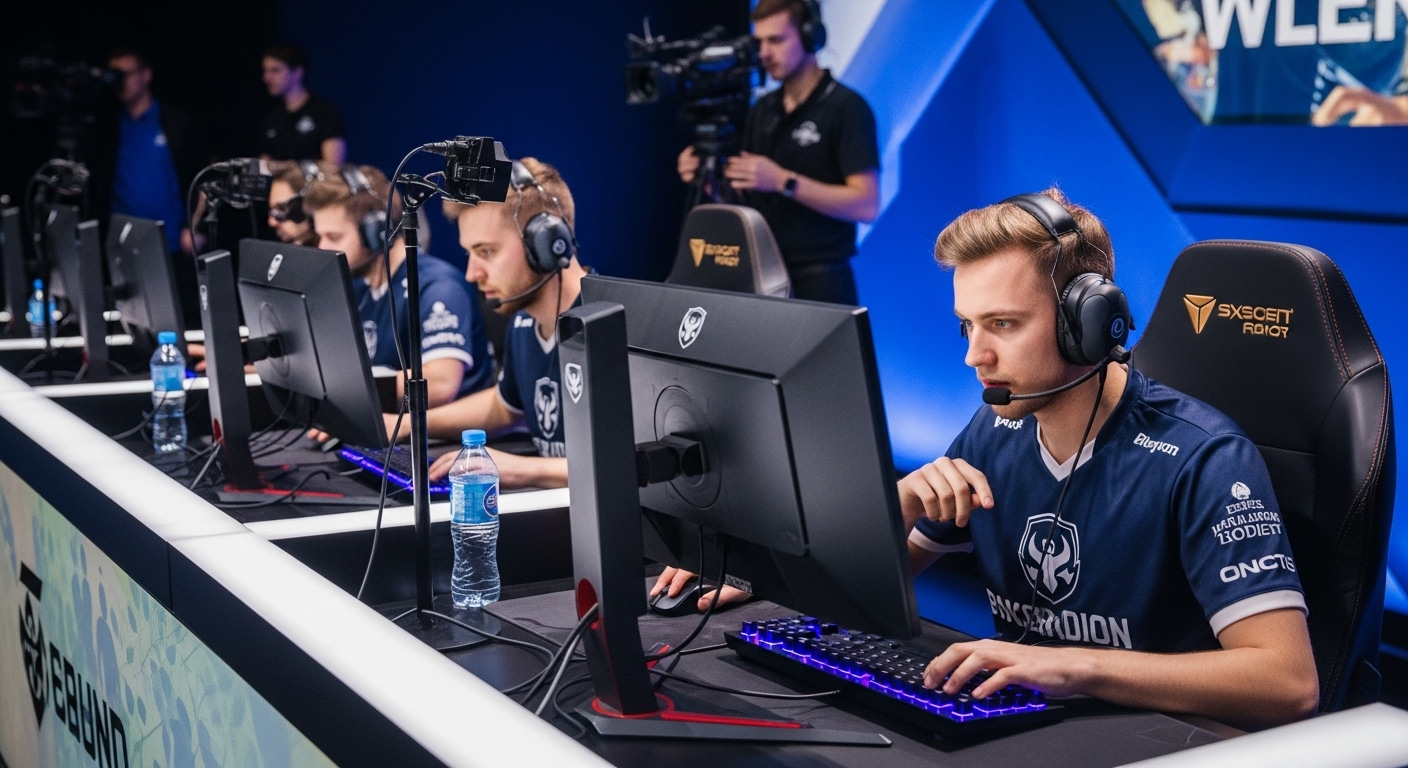
Technology is at the core of esports. High-performance computers, gaming consoles, fast internet connections, and advanced peripherals enable players to perform at their best. Innovations in graphics, latency reduction, and streaming software enhance both gameplay and viewer experience. Esports relies on technology not only for competition but also for broadcasting, analysis, and audience engagement.
Emerging technologies such as virtual reality and augmented reality are beginning to influence esports. Immersive experiences allow fans to feel as if they are inside the game, while AI and machine learning assist teams in analyzing strategies and improving performance. Technology continues to redefine the boundaries of esports, offering both players and spectators more sophisticated and engaging experiences.
The Influence of Esports on Youth and Culture
Esports has a significant impact on youth culture. For many young people, esports is more than entertainment; it is a way to develop skills, connect with peers, and even pursue a professional career. Esports encourages critical thinking, strategic planning, teamwork, and problem-solving, while also fostering social interaction and community building.
Culturally, esports has changed the perception of gaming. Once seen as a solitary or niche activity, competitive gaming is now recognized as a legitimate sport and entertainment medium. Tournaments attract widespread attention, and esports content has become a staple in media coverage. The rise of esports reflects a cultural shift, emphasizing digital skills, creativity, and online community participation.
Esports in Education
Some educational institutions have embraced esports as part of their programs. Schools and universities offer scholarships, dedicated esports facilities, and structured training programs. These programs teach students teamwork, leadership, strategic thinking, and technical skills, preparing them for potential careers in the industry.
Esports in education also promotes technological literacy. Students gain experience with streaming, content creation, game analysis, and digital communication. By integrating esports into academic settings, schools recognize the relevance of competitive gaming in modern society and its potential to equip students with valuable skills for the future.
Mental Health and Well-being in Esports
The esports industry has increasingly acknowledged the importance of mental health. Professional players often face intense pressure, long training hours, and high expectations. Burnout and stress are common challenges, and teams are implementing support systems including counseling, stress management programs, and rest periods to promote well-being.
For casual players and fans, esports can have positive mental health benefits. Participating in competitive gaming or watching esports can provide relaxation, community engagement, and a sense of accomplishment. However, moderation is important, as excessive screen time and prolonged sedentary behavior can negatively affect physical and mental health.
Esports as a Business and Entertainment Industry
Esports has become a multi-billion-dollar industry, combining competition, entertainment, and commerce. Sponsorship deals, streaming subscriptions, merchandise sales, and event tickets generate significant revenue. Major brands invest in teams, tournaments, and content, recognizing the marketing potential and global reach of esports.
The business model of esports demonstrates the convergence of technology, sports, and entertainment. Investors are exploring mobile esports, international leagues, and hybrid events that blend live audiences with digital participation. The commercialization of esports reflects its mainstream acceptance and the potential for long-term growth in both entertainment and business sectors.
The Future of Esports
The future of esports is promising. Technological advancements, increased accessibility, and global participation will continue to drive growth. Mobile esports, cloud gaming, and virtual reality competitions are expanding the audience and providing new experiences. Partnerships with traditional sports organizations, media companies, and educational institutions will further integrate esports into mainstream culture.
Esports may also influence the future of sports and entertainment. Hybrid competitions combining physical and digital elements could become more common, redefining how audiences engage with competition. As the industry matures, emphasis on player health, audience engagement, and sustainability will be critical for long-term success.
Conclusion: The Lasting Impact of Esports
Esports is more than a digital pastime; it is a cultural, economic, and technological phenomenon. It offers professional opportunities, shapes youth culture, and transforms entertainment consumption. The rise of esports reflects broader trends in technology and society, highlighting the potential of digital platforms to create communities, showcase talent, and generate economic growth.
With professional leagues, global tournaments, and a dedicated fan base, esports has firmly established itself as a major force in entertainment. The industry’s growth demonstrates that gaming is not just a hobby—it is a competitive, professional, and socially influential activity. As esports continues to evolve, it will redefine the future of competition, digital interaction, and global entertainment, proving that the digital arena is here to stay.