





Introduction
Esports has grown from a niche hobby to one of the fastest-growing sectors in the entertainment industry, with its global reach and cultural influence steadily expanding. Once limited to local tournaments and underground competitions, esports now commands massive audiences across the world. Competitive gaming has transformed into a multi-billion-dollar industry, drawing millions of viewers, sponsors, and professional players. But beyond the tournaments and prize pools, esports has become a unique social and cultural phenomenon that merges entertainment, technology, and community in ways traditional sports have yet to replicate.
This blog post will explore the evolution of esports, the factors behind its rise, its current impact on entertainment, and its future potential. Whether you are a casual gamer or a dedicated esports fan, the world of competitive gaming has something exciting to offer.
The Origins of Esports: From Casual Play to Global Competition
The journey of esports began in the late 20th century when the internet started to connect gamers across the globe. While competitive gaming has existed in various forms for decades, its real birth can be traced back to the 1990s when online multiplayer games became more mainstream. Games like Quake, StarCraft, and Warcraft sparked the first major wave of esports, with players competing in local tournaments and starting to organize regional events.
In the early days of esports, competitions were small and often held in internet cafes or at local LAN parties, but they set the stage for what would become a global phenomenon. The first major international esports event, the World Cyber Games (WCG), launched in 2000, marking the beginning of large-scale competitive gaming. While the prize money was modest by today’s standards, it was clear that esports had a growing fan base, and the industry was starting to take shape.
The late 2000s saw the rise of fan-favorite titles like League of Legends, Dota 2, and Counter-Strike: Global Offensive, which would go on to dominate the esports scene. These games laid the foundation for esports leagues and professional players, introducing the competitive elements that would turn gaming into a full-fledged sport.
The Rise of Professional Esports: Careers and Leagues
One of the most significant developments in esports has been the shift from casual tournaments to professional leagues. What was once a hobby for a small group of enthusiasts has now become a viable career for talented players. Esports professionals now train like athletes, with coaches, analysts, and support staff helping teams improve their performance. Just like in traditional sports, esports players are expected to practice rigorously and develop strategies to outsmart their opponents.
Esports organizations, such as Team Liquid, Cloud9, and Fnatic, have become household names, and professional teams have rosters filled with players who compete in games like League of Legends, Overwatch, and Dota 2. The structure of these leagues is similar to that of traditional sports, with regular seasons, playoffs, and even franchised teams that travel the world to compete.
The rise of platforms like Twitch and YouTube Gaming has also given esports players the opportunity to grow their personal brands. Many professional players now stream their games live, interacting with their audience while simultaneously earning revenue through sponsorships, donations, and subscriptions. This dual career model, where players are both competitors and content creators, has helped elevate esports to new heights.
Esports Events: Global Tournaments and Massive Audiences
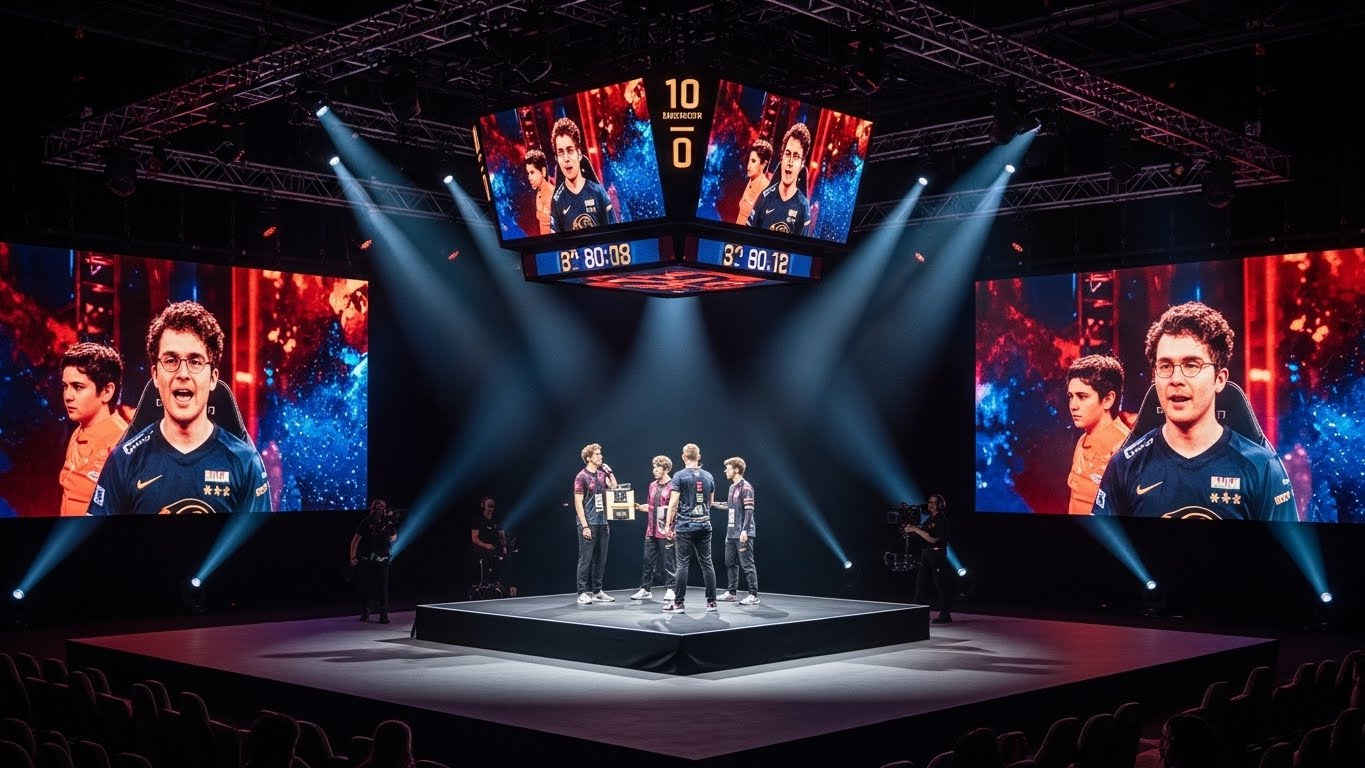
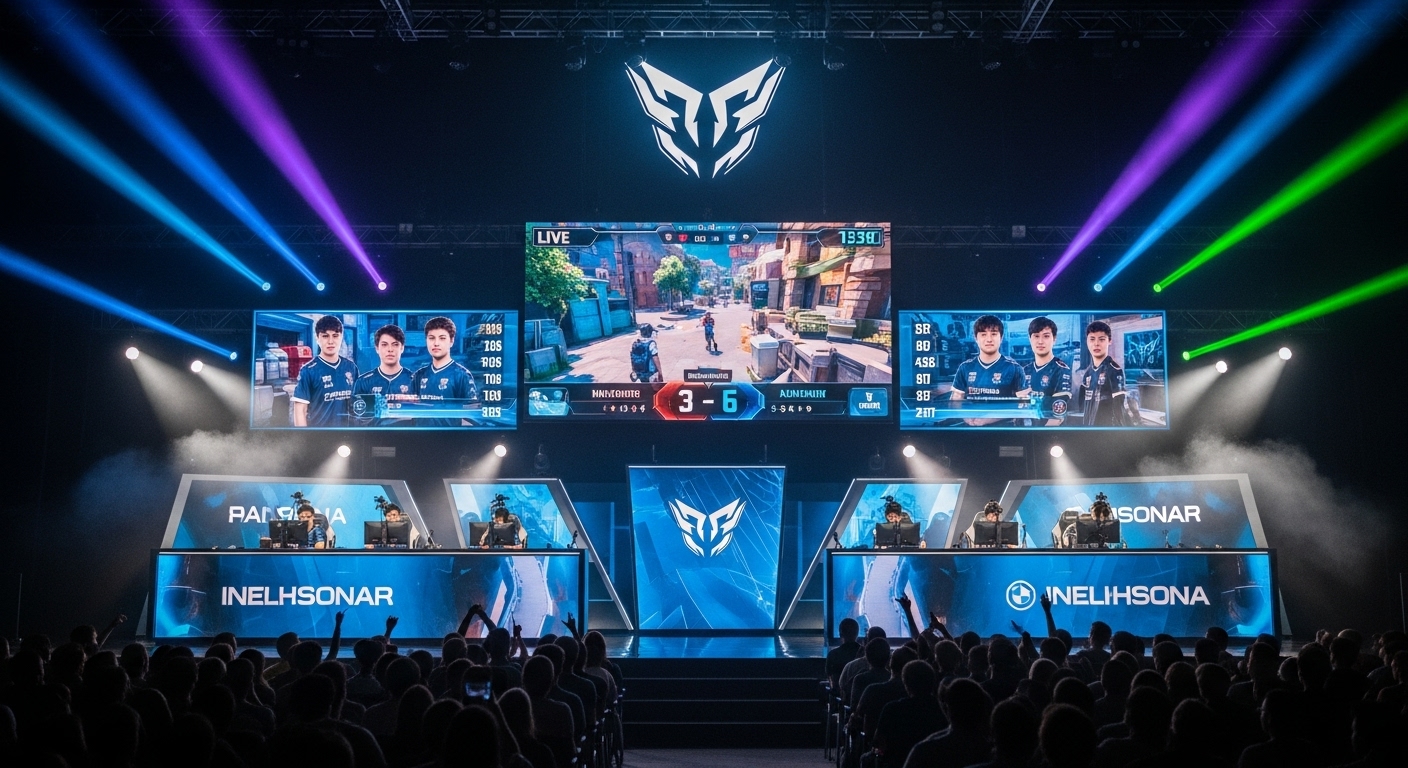
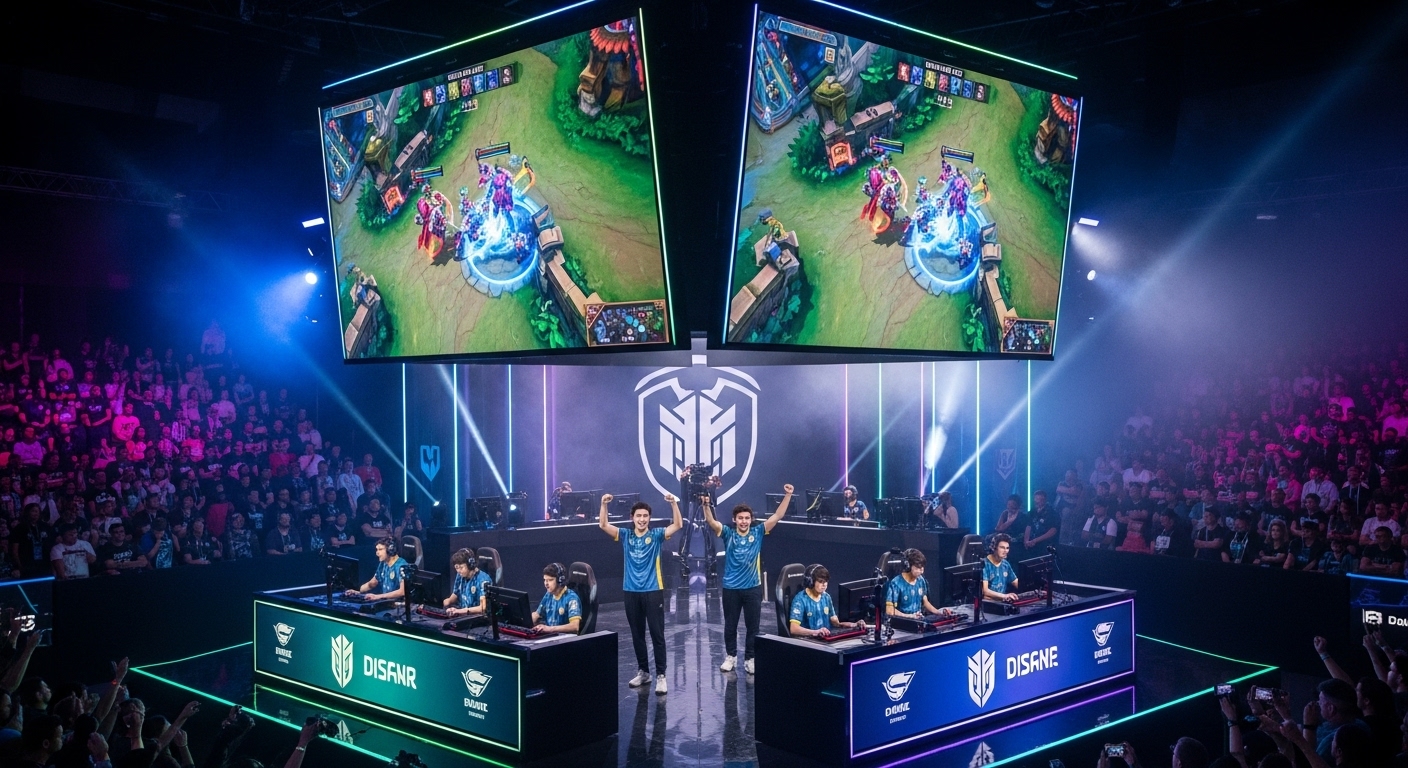
Esports events have become some of the most watched and celebrated competitions in the world. Tournaments such as The International (for Dota 2), the League of Legends World Championship, and the Overwatch League Finals draw massive crowds both in person and through live streams. These events are not just about the games themselves, but also the spectacle. Elaborate stage setups, high-energy commentary, and the intense competition all come together to create an experience that rivals traditional sports events in terms of excitement and drama.
The prize pools for these tournaments are staggering, often reaching millions of dollars. The International, for example, set a record in 2021 with a prize pool exceeding $40 million. This level of investment and attention has attracted major sponsors, including global brands like Coca-Cola, Intel, and Mercedes-Benz, further legitimizing esports as a mainstream form of entertainment.
One of the most unique aspects of esports events is the global reach. Unlike traditional sports, which are often restricted by geography, esports tournaments are accessible to anyone with an internet connection. Viewers from all corners of the globe can watch live streams, follow their favorite teams, and participate in real-time commentary. The inclusion of multiple languages and regional broadcasts ensures that esports has a truly global fan base.
The Esports Community: A Culture of Connection
The rise of esports has created a vibrant community that extends far beyond the players themselves. Fans of esports participate in the excitement through online forums, social media, fan events, and team support. The shared passion for competitive gaming brings people together from different backgrounds, creating a unique subculture that celebrates both the games and the players who compete in them.
Platforms like Reddit, Discord, and Twitch have become essential hubs for esports fans, offering spaces for interaction and discussions. Whether it’s talking strategy, watching live streams, or participating in community events, esports fans engage with their favorite teams and players on a personal level. The bond between fans and players is further strengthened by live events and the ever-growing presence of esports influencers who share behind-the-scenes moments, thoughts on gameplay, and personal stories.
This strong sense of community is one of the driving forces behind the rapid growth of esports. It’s not just about watching or playing the game; it’s about being part of something larger. The culture of esports fosters connection, camaraderie, and a sense of belonging, making it an experience that goes beyond competition.
Esports and Technology: The Driving Force Behind the Scene
At the core of esports lies cutting-edge technology, which powers both the games themselves and the streaming platforms that allow millions of fans to watch in real-time. The high-performance gaming systems used by professional players ensure that matches are as smooth and precise as possible, with low-latency internet connections and high-refresh-rate monitors playing a crucial role in gameplay quality.
In addition to hardware, the rise of virtual and augmented reality in gaming is opening new possibilities for the esports experience. Imagine competing in a virtual arena or interacting with the crowd via AR elements; these technologies will only enhance the level of immersion for players and viewers alike.
The streaming platforms that host esports events—such as Twitch, YouTube Gaming, and Facebook Gaming—have also evolved alongside the rise of esports. High-definition broadcasts, interactive live chats, and multi-platform streaming make it easier for fans to stay connected to their favorite teams and players, no matter where they are. As esports continues to grow, technology will continue to be a driving force, ensuring that the experience remains exciting and accessible to all.
Esports and Its Economic Impact
Esports is not only a cultural phenomenon but also an economic powerhouse. The industry generates billions in revenue from various sources, including sponsorships, advertising, ticket sales, merchandise, and media rights. In 2021, the global esports industry was estimated to be worth over $1 billion, and that number is expected to keep growing.
Sponsorships from major brands have played a key role in financing tournaments, professional teams, and individual players. Companies like Intel, Red Bull, and Riot Games are deeply involved in the esports ecosystem, providing financial backing, creating opportunities for exposure, and helping expand the industry’s reach.
The demand for esports content has also created new career opportunities in broadcasting, event management, marketing, and game development. Professionals in these fields work behind the scenes to ensure the success of esports events, as well as the continued growth of the industry. For many aspiring gamers, esports is now a legitimate career path, with opportunities to rise from amateur status to full-time professional players, streamers, and content creators.
The Challenges of Esports: Sustainability, Inclusion, and Regulation
Despite its rapid growth, esports faces several challenges that must be addressed for its continued success. One of the most significant concerns is sustainability. The financial stability of esports leagues, tournaments, and organizations is crucial to ensuring that the industry remains viable in the long term. With the rapid influx of sponsorships, prize money, and media deals, esports needs to find ways to balance the excitement of competition with the realities of a sustainable business model.
Another challenge is the issue of inclusion and diversity. While esports is a digital space that theoretically welcomes everyone, there are still barriers to entry, particularly for women and underrepresented minorities. Efforts are being made to promote diversity within the community, but it is crucial that the industry continues to foster an inclusive environment where everyone feels welcome to participate, regardless of gender, race, or background.
Regulation is another area where esports must improve. As the industry matures, it will be essential to establish clear guidelines on player contracts, intellectual property rights, and fair competition. This will ensure that esports remains a legitimate and respected form of entertainment, with a foundation of fairness and integrity.
The Future of Esports: Expansion and Innovation
Looking ahead, the future of esports is bright. With technological advancements in AI, virtual reality, and cloud gaming, esports will continue to evolve, offering new and exciting ways to engage players and fans. As 5G networks roll out globally, the potential for seamless, lag-free experiences will make it even easier for players to compete and for fans to watch high-quality broadcasts in real-time.
Esports is also likely to expand into new markets, reaching regions where gaming culture is just beginning to take off. As more people around the world embrace competitive gaming, esports will continue to grow both in terms of participation and viewership.