





Introduction: A New Era of Competitive Play
Esports has rapidly evolved from a small niche within the gaming world into one of the most influential entertainment industries on the planet. What once started as friendly competitions in living rooms has grown into international tournaments watched by millions. The rise of esports represents more than a shift in entertainment preferences; it highlights a cultural transformation shaped by technology, youth engagement, and the changing landscape of global competition.
Today, esports stands shoulder to shoulder with traditional sports, boasting professional athletes, global leagues, structured teams, and massive stadium events. This new era of competitive play has redefined what it means to be an athlete, a spectator, and a member of a digital community.
The Origins of Esports
Though esports feels like a modern phenomenon, its roots stretch back several decades. Early competitive gaming can be traced to arcade tournaments in the 1980s, where players competed for high scores and local bragging rights. As technology improved, gaming tournaments began to formalize, particularly with the introduction of personal computers and multiplayer games.
By the late 1990s and early 2000s, online gaming became mainstream. Games that offered real-time competition created the foundation for modern esports. Titles like StarCraft, Counter-Strike, and Warcraft III set the groundwork for organized leagues and global tournaments. As internet access expanded, competitive gaming gained traction, eventually reaching the massive scale it enjoys today.
The Explosion of Modern Esports
The 2010s marked a turning point in esports history. The rise of online streaming platforms allowed millions of viewers to watch games live, creating accessible global fanbases. Professional teams began forming training camps, signing sponsorship deals, and competing in high-stakes tournaments. Prize pools grew from modest rewards to multi-million-dollar winnings.
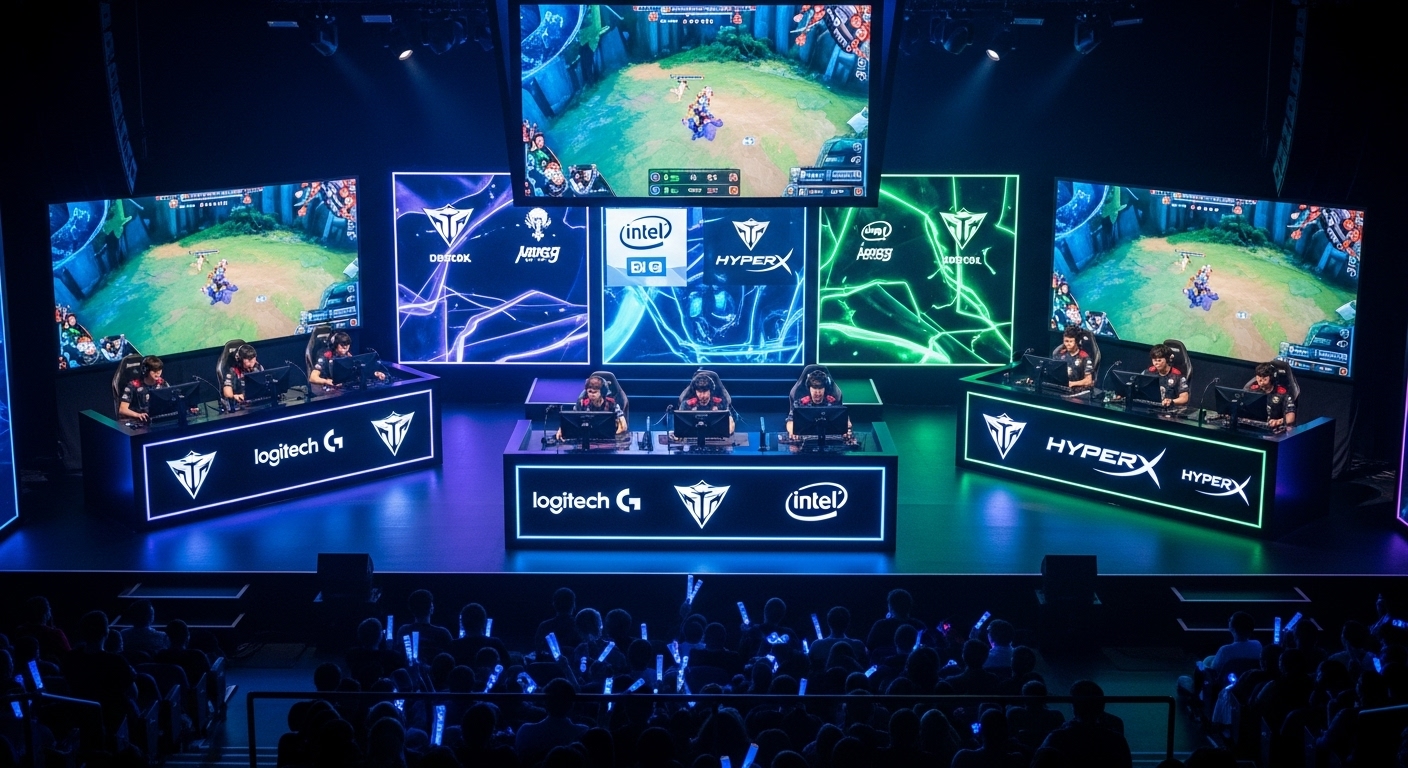
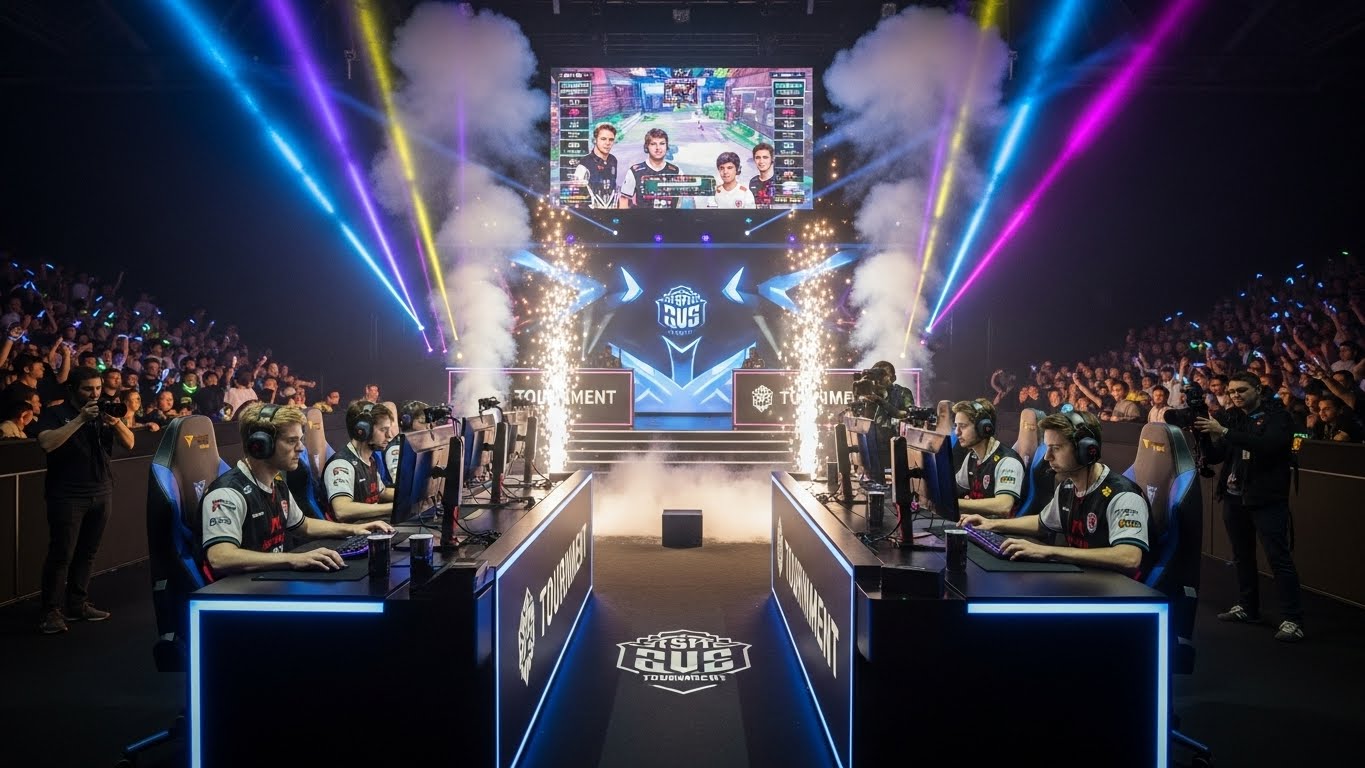
Esports events now fill stadiums, arenas, and convention centers. Broadcasters provide commentary, analysis, and player interviews, creating a complete spectator experience. What was once entertainment for gamers alone has become a mainstream cultural phenomenon that appeals to audiences of all ages.
Diverse Genres Within Esports
Esports is not defined by a single game or playstyle. It encompasses a wide range of genres, each offering its own type of competition and skills.
Multiplayer Online Battle Arenas: Games like these rely heavily on strategy, teamwork, and high-level decision-making. They are known for intense and complex gameplay.
First-Person Shooters: These games emphasize precision, speed, and teamwork. Competitive shooters demand lightning-fast reflexes and strong communication.
Battle Royale Games: These titles introduced a fresh competitive format focused on survival, unpredictability, and dynamic gameplay.
Sports Simulations: Digital versions of real sports offer competitive leagues that mirror traditional athletic competitions.
Fighting Games: These require technical skill, timing, and mental fortitude as players battle one-on-one.
This diversity allows esports to attract a wide audience, offering something for every type of player and fan.
Esports as a Professional Career
A major reason for the global success of esports is the expanding range of career opportunities it offers. Professional gamers train for hours each day, studying strategies, understanding opponents, and mastering mechanics. Like traditional athletes, they follow strict routines that include exercise, practice, coaching sessions, and team meetings.
Beyond players, esports careers include coaches, analysts, managers, event organizers, commentators, social media creators, and content producers. Gaming organizations hire medical staff, psychologists, nutritionists, and performance specialists to support their teams.
Esports has become a legitimate and respected career path, inspiring millions of young gamers to pursue their passion professionally.
The Role of Technology in Esports
Technology is the backbone of esports. High-performance gaming hardware, optimized software, and stable internet connections ensure fairness and competitive integrity. Game developers continuously refine mechanics, patch issues, and design balanced environments to maintain competitive harmony.
For fans, technology has transformed viewing experiences. High-definition broadcasts, slow-motion replays, and real-time statistics create an immersive experience similar to traditional sports broadcasting. Innovations in virtual reality, augmented reality, and motion tracking are expected to further enhance how people play and watch esports.
The Global Esports Community
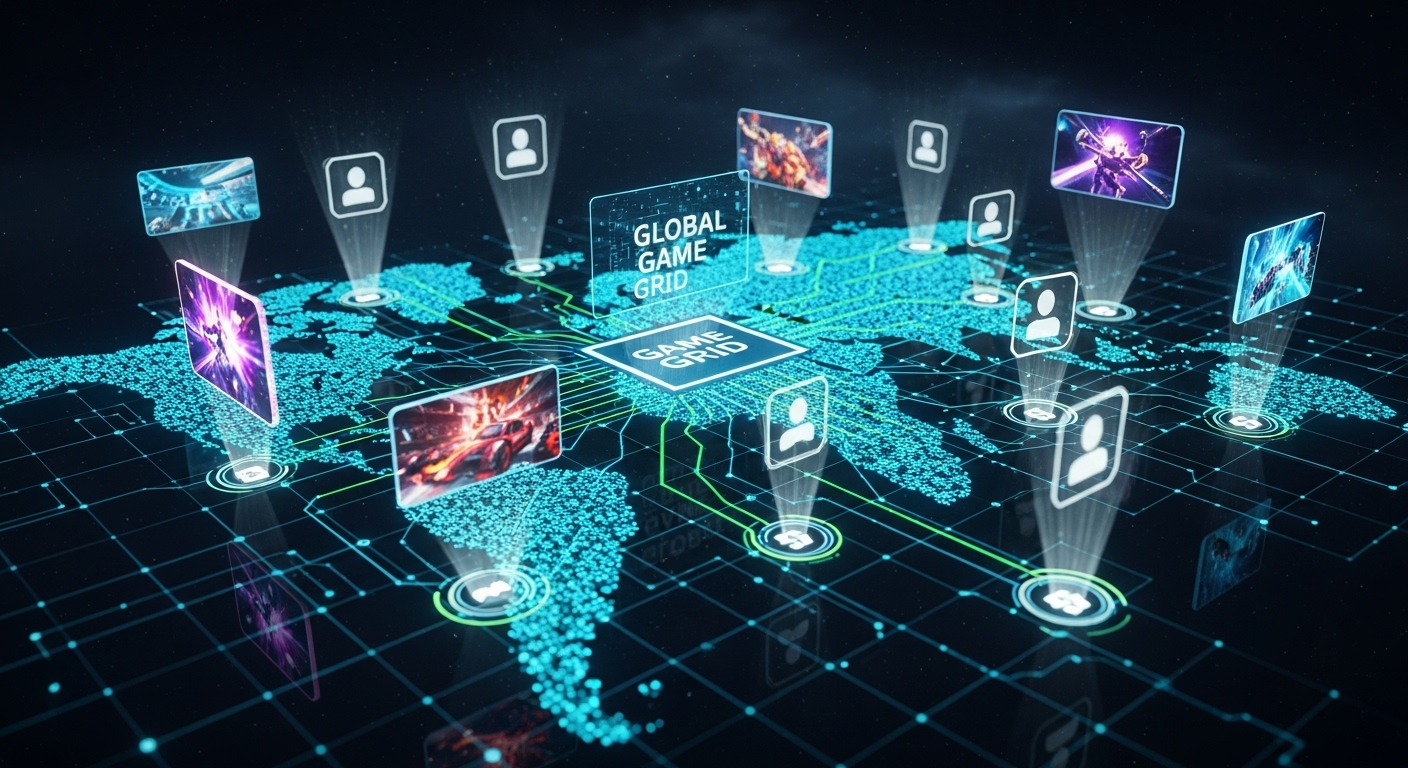
One of the most remarkable aspects of esports is its global reach. Gamers from different cultures and backgrounds come together to compete, collaborate, and build friendships. Esports communities thrive on online platforms, fostering discussions, fan art, strategies, and passionate support for favorite teams.
International tournaments bring players together from across the world, creating a shared language of competition. Fans celebrate victories, mourn defeats, and unite through their love of the game. This widespread engagement showcases how esports transcends borders and sparks connection among diverse communities.
Esports in Education
Schools and universities have embraced esports as a valuable part of modern learning. Educational institutions now offer esports programs, scholarships, and clubs, recognizing the academic and developmental benefits of gaming. Students learn teamwork, problem-solving, leadership, communication, and time management.
Collegiate leagues provide structured competition and opportunities for students to showcase their talents. Esports introduces academic pathways in fields such as game design, digital media, sports management, and broadcasting. By integrating esports into education, institutions acknowledge its role in shaping future careers and student engagement.
Esports and Mental Wellness
Mental strength is essential in esports. Competitive gaming demands intense concentration, quick decision-making, and resilience. These challenges help players develop cognitive skills, such as multitasking and strategic thinking.
However, the high-pressure environment can sometimes lead to stress and burnout. Professional organizations increasingly prioritize mental health support through counseling, balanced schedules, and performance coaching. Healthy gaming habits and wellness programs help players manage pressure and maintain long-term success.
Esports continues to drive conversations around mental health awareness, highlighting the importance of balance and support.
Esports as Entertainment
Esports delivers an entertainment experience unlike any other. Matches combine strategy, unpredictability, and high-skill action that keep fans on the edge of their seats. Tournaments are often accompanied by light shows, music, commentary, and live performances that transform gaming into a spectacular event.
Content creation is also a major part of esports entertainment. Professional players and influencers stream gameplay, share tips, and produce lifestyle content that builds stronger relationships with fans. This entertainment ecosystem extends beyond competition, making esports a continuous source of engagement.
Economic Impact of Esports
Esports contributes significantly to the global economy. The industry generates revenue from sponsorships, merchandise, tickets, advertising, and media rights. Major brands invest in esports because of its massive reach and dedicated audience. Gaming hardware companies benefit from the demand for high-quality equipment, while event organizers and production teams create jobs worldwide.
The financial influence of esports continues to grow, shaping future investments in technology, entertainment, and digital media.
Challenges Faced by Esports
Despite its tremendous success, esports faces challenges that must be addressed for sustainable growth. These include managing player burnout, ensuring fair competition, combating cheating, and creating standardized regulations across countries.
Additionally, accessibility can be an obstacle, as competitive gaming requires strong internet connections and high-performance devices. The industry continues to work toward inclusivity, fairness, and global consistency to ensure a bright future for all participants.
The Future of Esports
The future of esports is filled with potential. Advancements in virtual reality, artificial intelligence, cross-platform gaming, and immersive technology will redefine how people compete and spectate. As younger generations continue to embrace gaming, esports will expand into new markets and inspire new forms of entertainment.
Traditional sports organizations are collaborating with esports leagues, merging physical and digital competition. Educational institutions will continue integrating esports into academic programs and career development. With innovation at its core, esports will grow into one of the most influential industries of the future.
Conclusion: A New Age of Champions
Esports has transformed from a casual pastime into a global cultural force. It showcases the power of technology, creativity, and dedication. Whether you are a player, a fan, or a casual observer, esports offers a world of excitement, inspiration, and community.
It represents the future of competition, where skill is celebrated, boundaries are broken, and digital champions rise. As esports continues to evolve, it will shape the way we play, learn, and connect, proving that the arena of tomorrow is both digital and limitless.