





Introduction
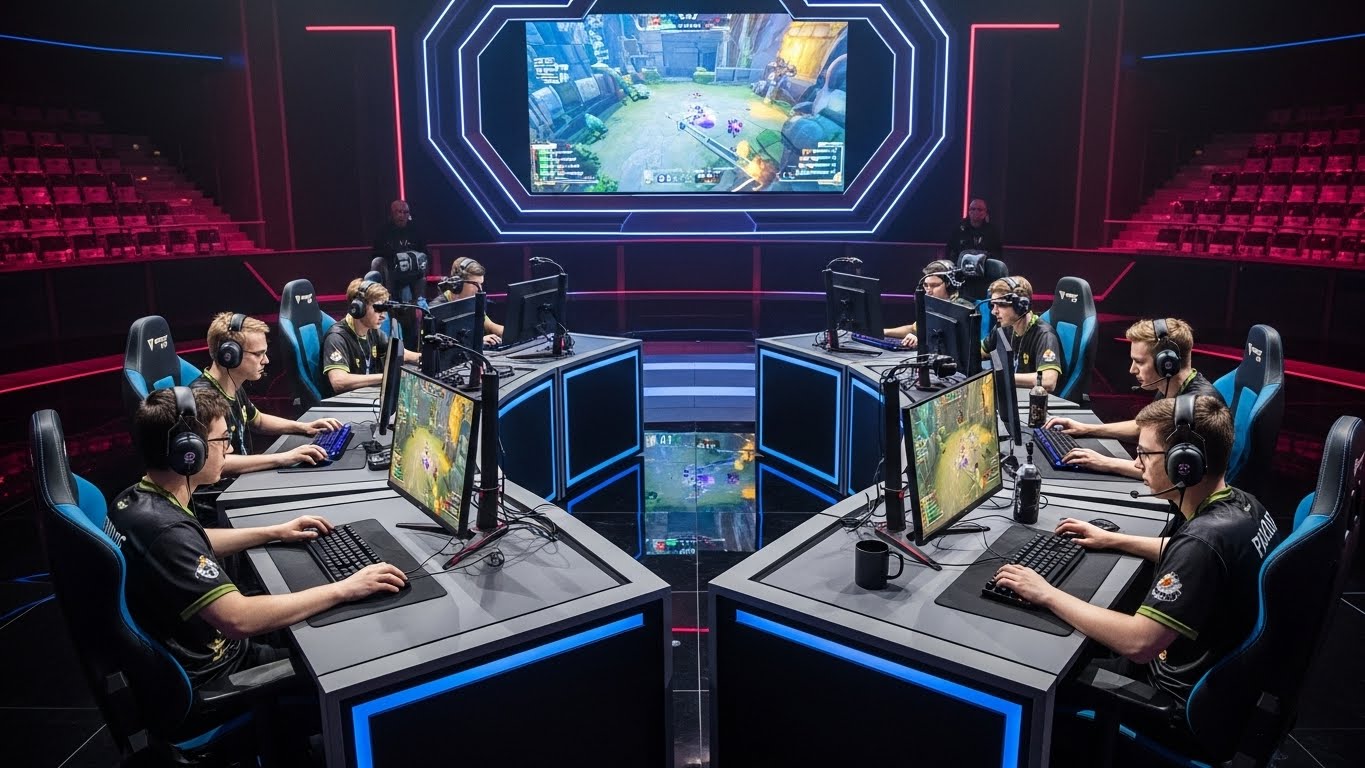
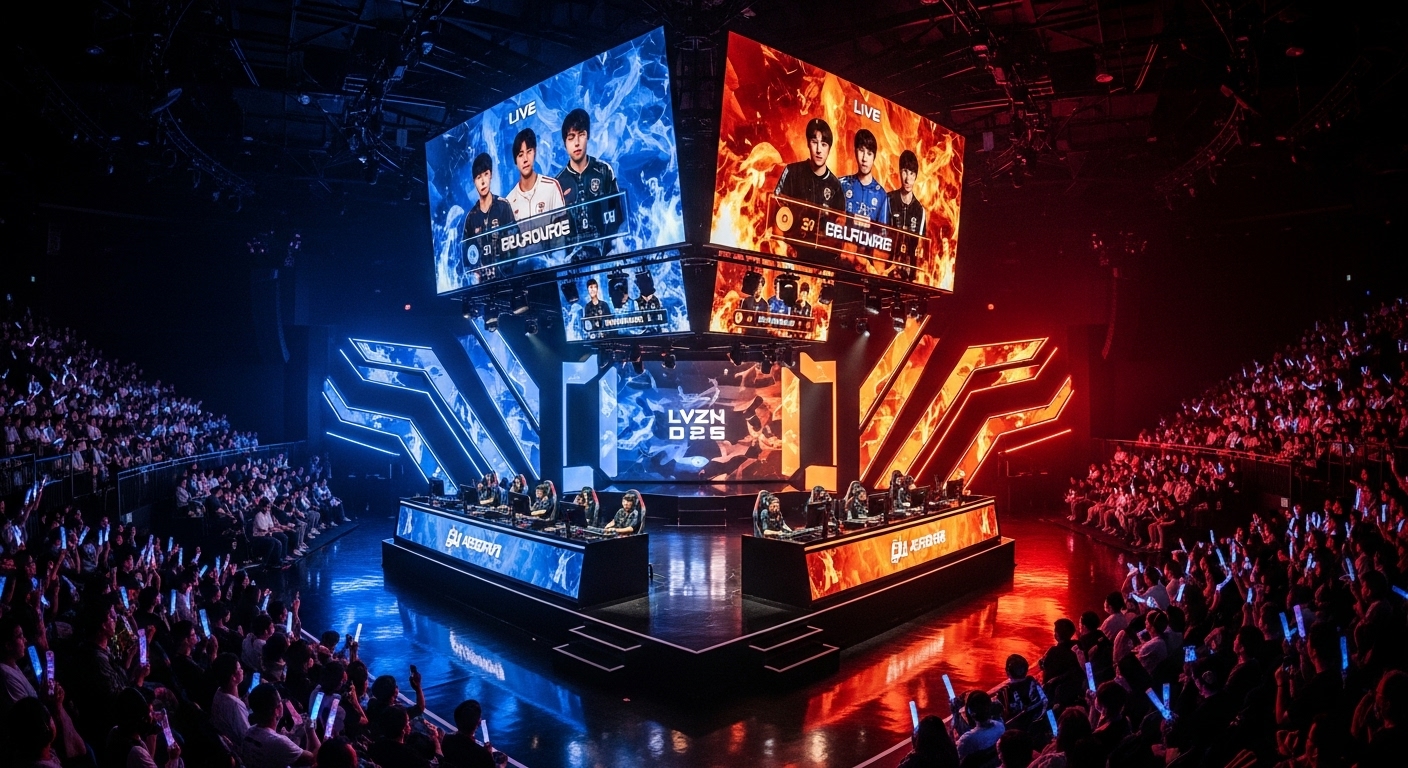
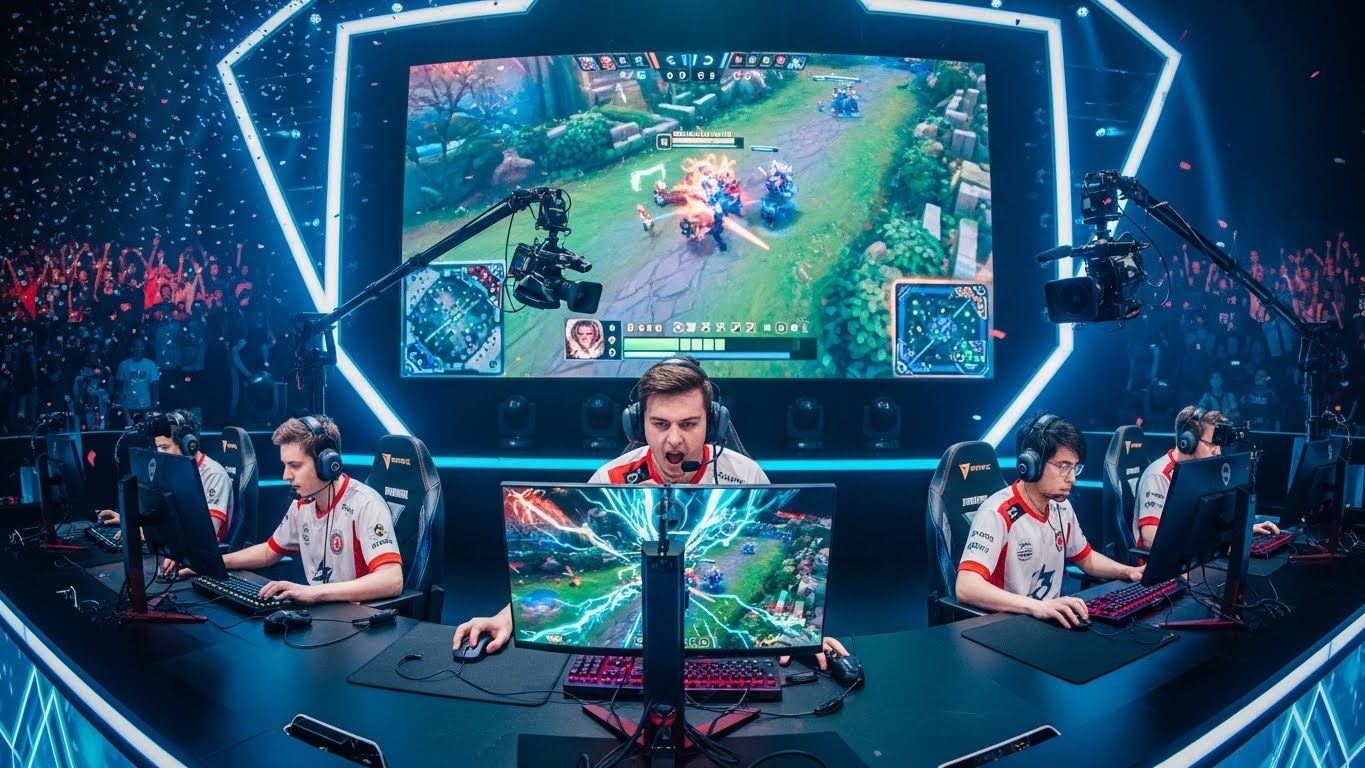
The world of esports has grown from humble beginnings into a multi-billion-dollar global phenomenon. Once dismissed as a pastime for teenagers, competitive gaming now commands huge audiences, professional players, and corporate investment. Esports has transformed the way people perceive gaming, blurring the line between recreation and professional competition. Today, millions of fans watch live tournaments, follow professional teams, and even pursue careers in gaming, making esports one of the most influential forms of entertainment in the digital age.
The Origins and Evolution of Esports
Esports did not emerge overnight. Its roots date back to the 1970s and 1980s when arcade competitions began to gain popularity. Early games such as Space Invaders and Pac-Man hosted small competitive events that attracted local players. The 1990s marked a turning point with the rise of PC gaming and early consoles, giving birth to multiplayer competitions and the first professional gaming tournaments. The advent of the internet in the late 1990s enabled players to compete globally, laying the groundwork for modern esports. Titles like StarCraft, Quake, and Counter-Strike became the first games to have organized leagues, building communities around skill and competition.
Popular Game Genres in Esports
Esports encompasses a wide array of game genres, each attracting dedicated fans and players. Multiplayer Online Battle Arena games, or MOBAs, such as League of Legends and Dota 2 focus on strategy, teamwork, and coordination. First-Person Shooters, like Counter-Strike: Global Offensive and Call of Duty, test players’ reflexes, precision, and tactical thinking. Fighting games including Tekken and Super Smash Bros. emphasize timing, skill, and one-on-one combat. Sports simulations like FIFA and NBA 2K have also carved out a niche in esports, appealing to fans of real-world sports. Each genre provides a unique experience for players and spectators alike, contributing to the broad appeal of competitive gaming.
Professional Esports: Careers and Opportunities
Esports has become a legitimate career path for skilled gamers. Professional players compete in tournaments for prize money, salaries, and sponsorship deals. Top players can earn significant income through brand partnerships, streaming, and merchandise. Beyond playing professionally, esports offers numerous career opportunities, including coaching, team management, event organization, content creation, and game development. Esports academies and training programs now offer structured paths for aspiring professionals, further legitimizing competitive gaming as a serious career.
Esports Communities and Global Audience
One of esports’ greatest strengths is its engaged global audience. Millions of fans watch tournaments live on streaming platforms, participate in discussions online, and follow players’ personal and professional journeys. Major events, such as the League of Legends World Championship and The International, attract tens of millions of viewers, rivaling traditional sports in scale. Esports communities thrive both online and offline, creating a sense of belonging and shared passion. Fans form friendships, create content, and celebrate victories together, turning esports into more than just competition—it becomes a cultural movement.
The Role of Streaming in Esports
Streaming has revolutionized esports by making games accessible to a global audience. Platforms such as Twitch and YouTube Gaming allow players to broadcast gameplay, interact with fans, and build personal brands. Streamers have become influential figures, shaping gaming trends and inspiring new generations of players. Beyond entertainment, streaming provides a substantial income through subscriptions, donations, sponsorships, and ad revenue. Many professional players leverage streaming to supplement tournament earnings, giving fans behind-the-scenes insights and personal interactions. This dynamic interaction between players and fans strengthens engagement and expands esports’ reach.
The Business Side of Esports
Esports is a thriving business ecosystem. Teams and organizations operate like professional sports franchises, securing sponsorships, selling merchandise, and negotiating media rights. Global brands recognize esports as a valuable platform for marketing, investing heavily in teams, events, and content creation. Revenue streams include tournament prize pools, advertising, merchandise, and streaming partnerships. Investors increasingly see esports as a promising industry, fueling its rapid expansion. The commercialization of esports has elevated it from casual gaming to a professional, high-stakes arena that attracts talent and capital from around the world.
Esports in Education
Educational institutions have begun to recognize the value of esports. Many universities now offer esports programs, scholarships, and degrees in gaming-related fields, including game design, management, and marketing. Students gain practical experience through competitions, internships, and collaborations with professional teams. Esports also teaches essential skills such as strategic thinking, communication, teamwork, and leadership. By integrating esports into education, institutions provide students with opportunities to develop both technical expertise and soft skills, preparing them for a rapidly growing industry.
Cultural Impact of Esports
Esports has become an influential cultural force, shaping entertainment, fashion, and digital media. Gaming collaborations with music, movies, and fashion brands highlight the integration of esports into mainstream culture. Cosplay, fan art, and community events celebrate gaming culture, creating vibrant subcultures that thrive online and offline. Esports has challenged traditional perceptions of sports by redefining competition, proving that skill, strategy, and teamwork extend beyond physical arenas. Its cultural impact demonstrates the power of virtual communities to unite diverse audiences around shared passions.
Challenges Facing the Esports Industry
Despite its growth, esports faces several challenges. Player burnout and mental health issues are significant concerns due to intense practice schedules and high competition pressure. Issues like cheating, hacking, and unfair play threaten tournament integrity. The industry also struggles with inclusivity and diversity, with underrepresentation of women and marginalized groups. Financial sustainability remains a challenge for smaller teams and organizers who lack access to large sponsorships. Addressing these issues is essential for the long-term growth and credibility of esports, requiring collaboration among players, teams, sponsors, and governing bodies.
The Future of Esports
The future of esports is full of potential. Technological advancements such as virtual reality, augmented reality, and artificial intelligence are set to redefine the competitive gaming experience. These technologies could create more immersive gameplay, enhance spectator engagement, and provide innovative training methods for players. Esports is also expanding geographically, reaching untapped markets and attracting diverse audiences. As mainstream recognition grows, esports may become a permanent fixture in global entertainment, education, and digital culture. The industry’s continued evolution promises exciting developments for players, fans, and businesses alike.
Conclusion
Esports has grown from a niche hobby into a global phenomenon, transforming gaming into a professional and cultural powerhouse. It connects millions of fans, creates career opportunities, and drives innovation in technology and entertainment. While challenges like mental health, inclusivity, and financial sustainability exist, the opportunities are vast. Competitive gaming now transcends traditional boundaries, blending technology, creativity, and community. As esports continues to expand, it will play an increasingly important role in shaping the future of entertainment, culture, and education. What began as a pastime has become a global revolution, proving that digital competition is here to stay.