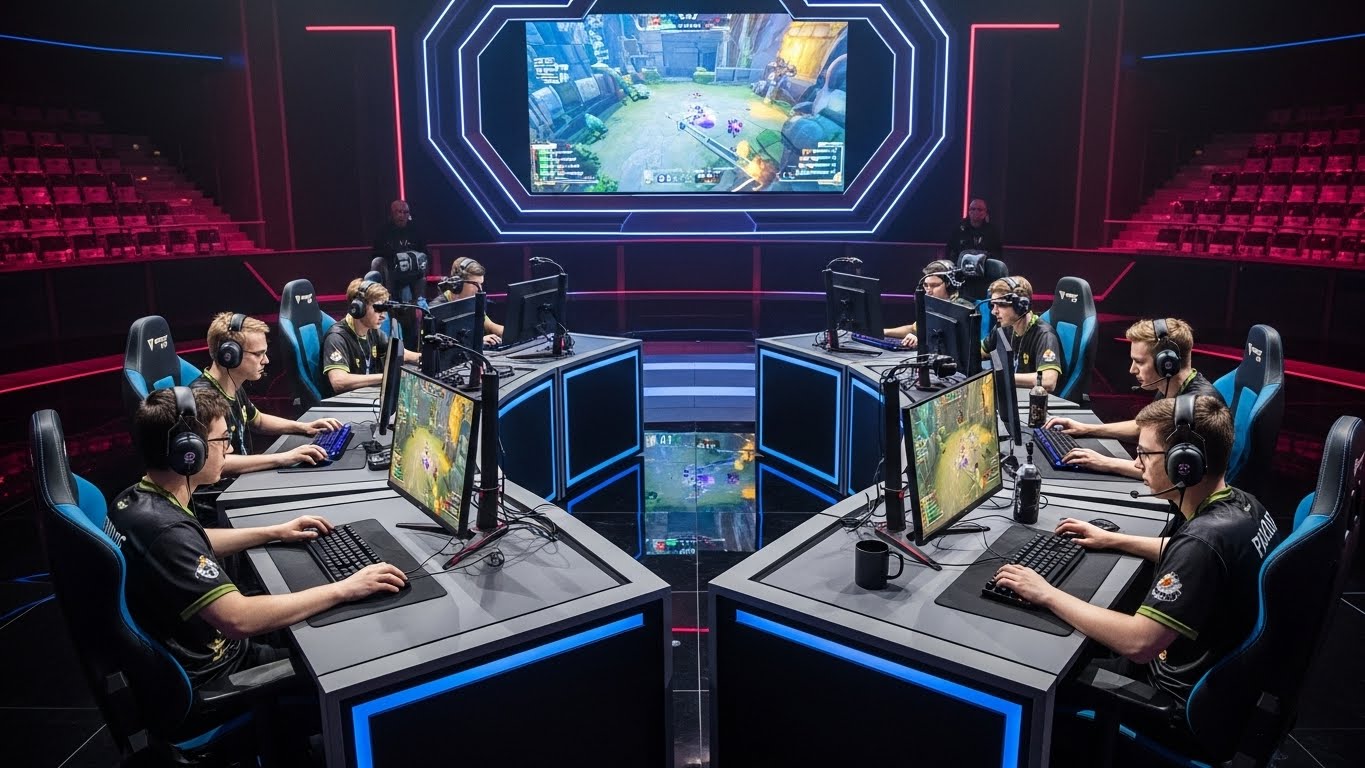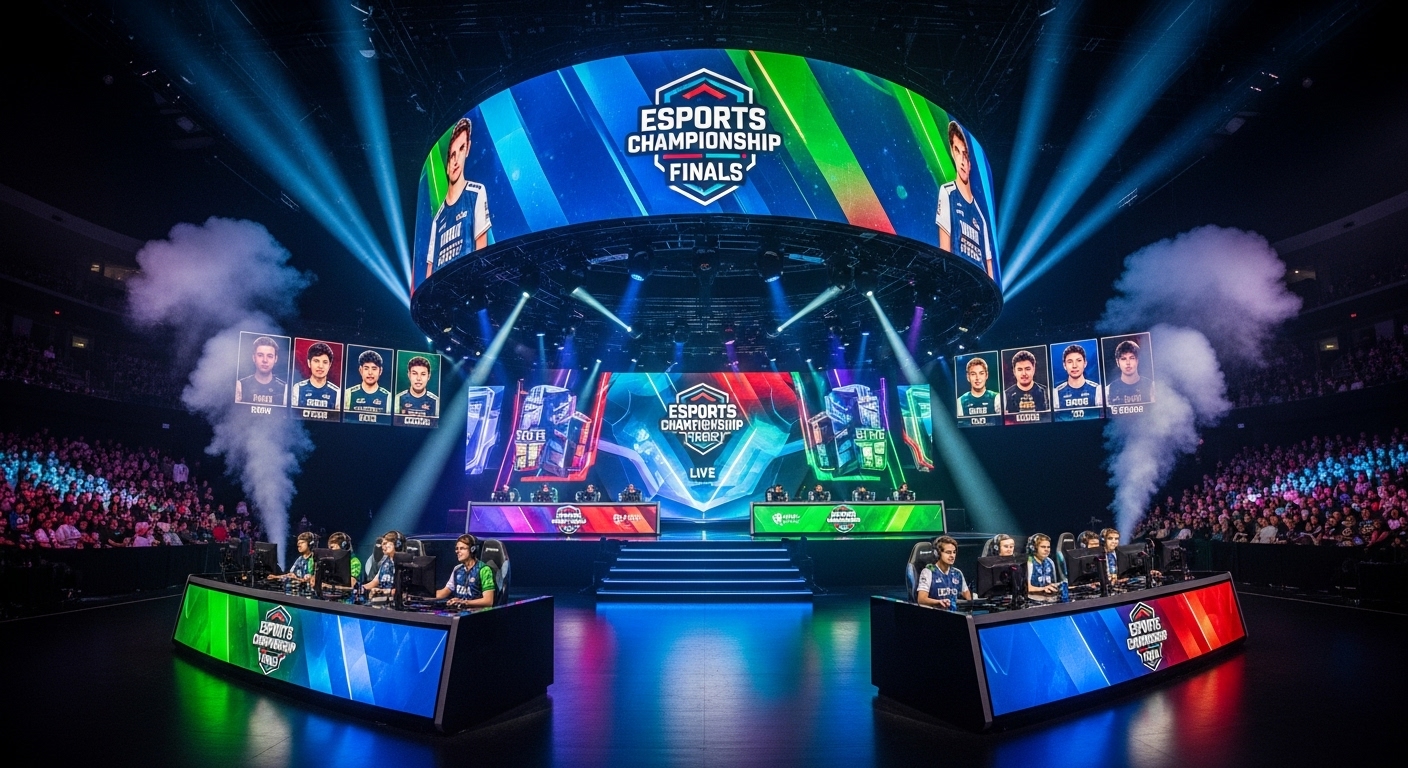







In recent years, esports has evolved from a niche activity into a global entertainment powerhouse. What started as a pastime for passionate gamers has blossomed into a multi-billion-dollar industry with millions of dedicated fans, professional players, sponsors, and massive international events. Esports now stands shoulder to shoulder with traditional sports like football and basketball, not only in terms of viewership but also in its cultural impact. From casual gaming tournaments to billion-dollar sponsorships, esports is reshaping how we perceive entertainment. In this post, we explore the explosive rise of esports, the forces driving its growth, and the future of this exciting industry.
The Rise of Esports: A Journey from Hobby to Industry
Esports, or electronic sports, refers to competitive video gaming where professional players or teams compete against one another in organized tournaments, often streamed live to a global audience. Unlike casual gaming, where the primary goal is personal enjoyment, esports demands peak performance, high-level strategy, and teamwork, with players dedicating hours of practice to perfect their skills.
The journey of esports began in the early days of multiplayer gaming. In the 1990s, competitive gaming was a largely local affair—gamers would connect via LAN (Local Area Network) parties and compete against each other in games like Quake and StarCraft. These grassroots gatherings set the foundation for esports as we know it today. However, it wasn’t until the late 2000s and early 2010s that esports began its explosive rise. Platforms like Twitch allowed gamers to broadcast their gameplay, making it possible for fans around the world to watch their favorite players and tournaments.
The Role of Streaming Platforms in Esports’ Growth
One of the pivotal moments in the rise of esports was the development of streaming services, particularly Twitch, which launched in 2011. Twitch gave gamers the ability to stream live content to audiences worldwide, providing a platform not only for esports events but also for casual gaming and even game-related content like commentary and tutorials. This shift to streaming allowed esports to reach a global audience, with tournaments like The International for Dota 2 and the League of Legends World Championship drawing millions of viewers each year.
By offering live, real-time access to events, streaming platforms have made esports a social experience. Fans can interact with players, cheer for their favorite teams, and join online communities centered around their favorite games. The ability to watch live content from anywhere in the world has been a game-changer, particularly for fans in countries where traditional sports are less accessible. The rise of esports broadcasting also led to the proliferation of esports-focused media outlets, further fueling the industry’s growth.
The Esports Ecosystem: From Players to Sponsors
Esports isn’t just about the players competing on stage; it’s a complex ecosystem of stakeholders, all contributing to the overall success of the industry. From game developers to sponsors, here are the key components that make up the esports landscape.
Professional Players and Teams
The success of esports can largely be attributed to the rise of professional players and teams. Just like athletes in traditional sports, top-tier esports players spend countless hours training, competing, and honing their skills to reach the pinnacle of their respective games. These players are often signed to teams that provide them with coaching, facilities, and sponsorships, allowing them to focus entirely on their gameplay.
Esports teams, much like football or basketball clubs, have become brands in their own right. Teams such as Team Liquid, Cloud9, G2 Esports, and FaZe Clan are household names in the esports community. These organizations not only compete in tournaments but also engage with fans through social media, merchandise, and content creation. A strong fanbase is crucial for team success, and the best teams know how to cultivate loyalty and passion among their supporters.
Game Developers and Publishers
At the heart of every esports competition is the game itself, and the developers behind these titles play a critical role in shaping the esports landscape. Developers like Riot Games (makers of League of Legends) and Valve Corporation (creators of Dota 2 and Counter-Strike: Global Offensive) are deeply involved in organizing and sponsoring esports events. They regularly release updates and balance changes to ensure that their games remain competitive, dynamic, and exciting for both players and spectators.
Moreover, some developers have invested heavily in creating entire esports ecosystems around their games. Riot Games, for example, has built an entire league system for League of Legends, with regional leagues feeding into the global World Championship. These league structures mirror traditional sports leagues, creating a sense of professionalism and organization that enhances the overall experience.
Sponsors and Investors
Esports’ rapid growth has attracted a wide range of sponsors and investors, many of whom are from outside the gaming industry. Companies like Intel, Red Bull, Coca-Cola, and Mercedes-Benz have all invested in esports, recognizing the potential to reach a young, engaged audience. Esports sponsorships come in many forms, from event sponsorships to individual player and team deals.
In addition to brands, venture capitalists and private equity firms have invested millions of dollars into esports organizations, tournament production, and broadcasting platforms. The financial backing of these sponsors and investors has helped the industry grow exponentially and develop a level of professionalism and sustainability that was previously unattainable.
Esports Tournaments: The Heart of the Industry
Esports tournaments are where the magic happens—the place where the world’s best players and teams face off in high-stakes competitions. These tournaments vary in size and scope, from regional competitions with modest prize pools to massive global events with millions of viewers and multi-million-dollar prizes. Some of the biggest and most iconic esports tournaments include:
- The International (for Dota 2): Known for having the largest prize pool in esports history, The International is an annual event where the best Dota 2 teams from around the world compete for a share of the multi-million-dollar prize. The tournament has become a cultural event, drawing viewers not only for the gameplay but for the storylines surrounding the players and teams.
- League of Legends World Championship: One of the most-watched esports events globally, the League of Legends World Championship sees the best teams from around the world battle for dominance in the game’s yearly showdown. The tournament is broadcast in multiple languages, attracting millions of viewers across the globe.
- Overwatch League: The Overwatch League is an example of an esports league designed to mimic traditional sports leagues. Teams compete in a regular season, followed by playoffs, with the goal of securing the championship title. This league has brought together cities from around the world to compete, creating a true sense of global competition.
These tournaments are more than just gaming competitions—they are spectacles. With large-scale production, live commentary, and high-energy performances, esports tournaments offer an immersive experience for both players and spectators.
The Future of Esports: Where Is the Industry Headed?
Looking ahead, the future of esports is incredibly bright, with several key trends set to shape the industry in the coming years.
Increased Mainstream Recognition
Esports is on the verge of becoming a mainstream form of entertainment. In many parts of the world, esports is already seen on par with traditional sports. Universities are offering scholarships for esports players, while even high schools are starting to develop competitive gaming programs. Furthermore, several countries have officially recognized esports as a professional sport, providing athletes with the same rights and benefits as traditional athletes.
Mobile Esports
Mobile gaming is another area of growth for esports. As smartphones become more powerful and mobile internet speeds improve, mobile gaming has emerged as a serious competitor to PC and console gaming. Titles like PUBG Mobile and Free Fire have already become esports mainstays, particularly in regions like Southeast Asia and Latin America. Expect mobile esports to continue its rise as more players and spectators flock to this platform.
Esports and Virtual Reality
Virtual reality (VR) and augmented reality (AR) are technologies that could revolutionize the esports experience. Imagine playing an esports game not just on a flat screen, but in a fully immersive 3D environment, where players can physically move within the game world. While VR esports is still in its infancy, it holds immense potential for the future of competitive gaming.
More Media Coverage
As esports continues to grow, more mainstream media outlets will likely cover tournaments and players, further cementing esports’ place in the entertainment industry. TV networks, sports channels, and even traditional sports leagues might look to integrate esports into their programming, providing even more visibility and legitimacy to the industry.
Conclusion: Esports is Here to Stay
Esports has come a long way in a short time, and its growth shows no signs of slowing down. With an ever-expanding fanbase, high-profile players, and significant investments from both within and outside the gaming industry, esports has proven itself to be a legitimate and influential force in entertainment. Whether you’re a gamer or a spectator, it’s clear that esports is shaping the future of competitive sports and digital entertainment. As the industry continues to grow, we can only expect esports to become an even bigger part of the global entertainment landscape.