





Esports has risen from the corners of internet cafés and living rooms to dominate international arenas, massive stadiums, and global broadcast networks. What was once seen as a casual pastime has matured into a multi-billion-dollar industry, touching nearly every continent and transforming lives in ways no one imagined decades ago. Today, esports represents the intersection of technology, entertainment, and competition, creating a modern phenomenon that continues to redefine the meaning of sport. This blog explores the rapid ascent of esports, its cultural influence, its challenges, and its profound impact on players and communities around the world.
The Origins of Esports and Its Rapid Evolution
The earliest forms of competitive gaming emerged long before esports became a mainstream concept. Early tournaments centered around arcade machines and home console games, where small groups of enthusiasts tested their skills for fun rather than profit. As technology progressed, LAN events brought players together, fostering a sense of community and shared passion. The explosion of high-speed internet and online multiplayer games marked a turning point, allowing players from different countries to compete in real time.
The introduction of team-based games such as multiplayer online battle arenas and tactical shooters created opportunities for organized competition. Combined with online streaming and social media exposure, these developments pushed esports into mainstream culture. What was once a grassroots hobby grew into a structured ecosystem of leagues, teams, and major tournaments that attract millions of viewers.
The Global Community Behind Esports
One of the most powerful aspects of esports is its ability to unite people across borders. Unlike traditional sports, which often require physical proximity, esports allows global participation from virtually any location. A player in one country can compete with or against someone halfway across the world with nothing more than a stable internet connection and a shared love for the game.
Esports communities extend far beyond the matches themselves. Fans engage in discussions, strategies, memes, and content creation on countless platforms. This digital gathering space encourages friendships, collaborations, and cultural exchange. Many players report that gaming offered them belonging at times when they felt isolated, making esports not only a form of entertainment but also a vital social outlet.
The Rise of Professional Esports Athletes
Esports athletes, also known as pro players, dedicate years to mastering their craft. The daily life of a professional gamer is far more intense than outsiders often assume. Many train for long hours, refining reaction times, learning game mechanics, studying opponents, and coordinating with teammates. Their routines often include physical exercise, mental coaching, and structured rest to maintain peak performance.
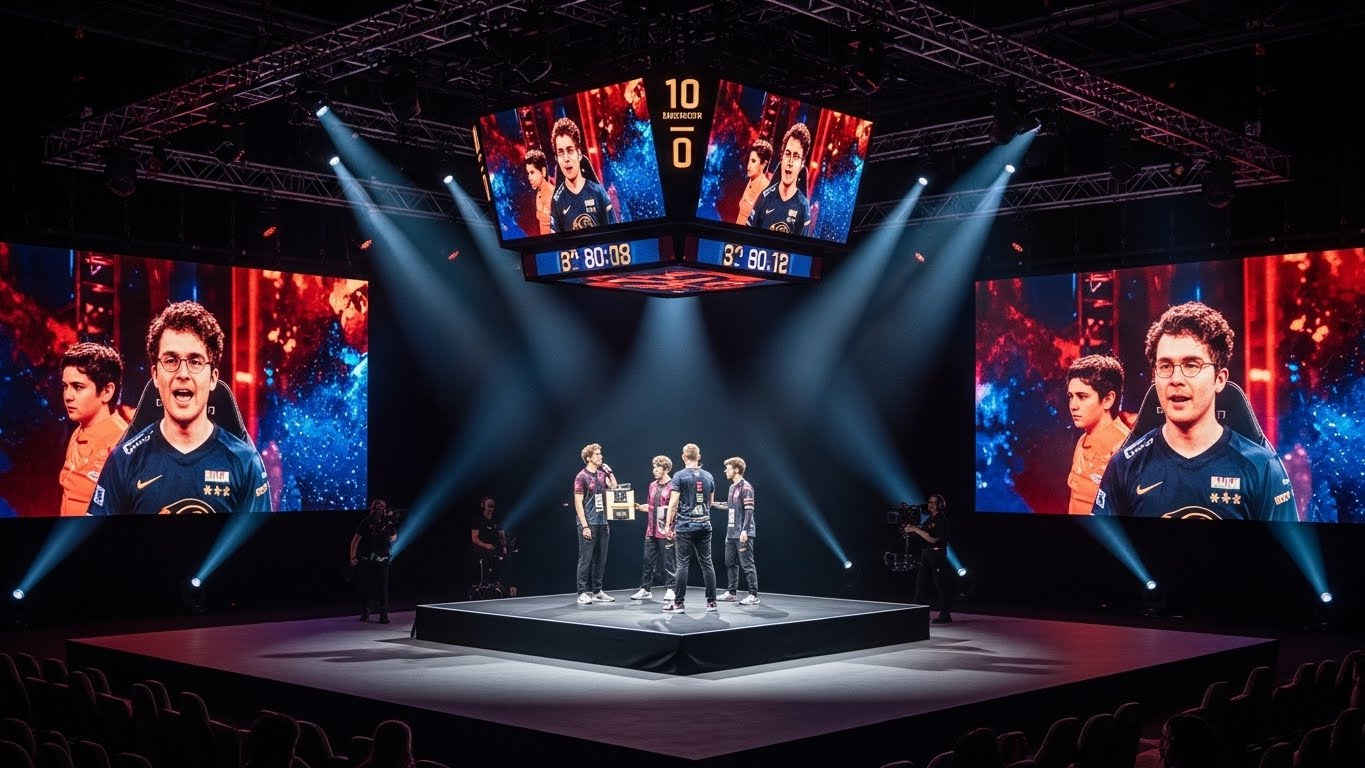
Professional organizations provide training facilities equipped with high-end technology and coaching staff. Players compete in leagues, scrimmages, and tournaments that demand high levels of discipline and teamwork. Much like traditional athletes, esports professionals face pressure, public attention, and the challenge of maintaining consistency throughout seasons.
The Business Behind the Industry
The esports industry operates within a robust economic ecosystem that includes sponsorships, merchandise, advertising, broadcasting rights, ticket sales, and team branding. Major companies invest heavily in esports, recognizing its marketing potential and influence on younger audiences. Gaming peripherals, energy drinks, and tech companies collaborate with teams to reach millions of fans worldwide.
Tournament organizers play a central role by creating structured competitions, offering prize pools, and ensuring professional standards. Media organizations and broadcasters bring esports to living rooms and phones across the globe. Together, these elements have transformed esports into a profitable and sustainable field that continues to expand.
Esports and Technology: A Relationship Driving Innovation
Technology is the backbone of esports, affecting everything from gameplay to viewer experience. High-performance computers, peripherals with advanced sensors, and optimized network infrastructure allow players to compete at their highest level. Innovations in streaming technology make broadcasting seamless, allowing fans to watch events live with minimal delay.
Virtual reality and augmented reality represent the future possibilities of esports, potentially transforming how games are played and viewed. Advanced analytics help teams evaluate performance, break down strategies, and identify strengths and weaknesses. As technology evolves, esports evolves with it, constantly pushing the boundaries of what is possible in gaming competition.
The Educational Impact of Esports
Esports has begun finding a place in education, with schools and universities launching clubs, courses, and even scholarships dedicated to competitive gaming. Educational programs highlight the transferable skills gained through esports, including strategic thinking, communication, leadership, and time management.
Students who engage in esports often improve their digital literacy, collaboration abilities, and problem-solving skills. Schools also recognize how esports can encourage social inclusion, helping students form friendships based on shared interests. The academic integration of esports demonstrates its growing legitimacy and the opportunities it provides for youth development.
Health and Well-Being in the Esports Industry
As esports grows, so does awareness of the health challenges associated with it. Long gaming sessions can lead to physical strain, posture issues, and mental fatigue. To address this, professional teams incorporate physical conditioning, ergonomic training, and mental health support into their programs. Coaches often monitor player habits, ensuring they maintain healthy routines.
Mental well-being plays an especially critical role in esports, where high-pressure competitions can lead to stress or burnout. Many organizations employ sports psychologists or wellness experts who help players manage emotions, cope with losses, and maintain motivation. The industry’s increasing focus on health shows a commitment to ensuring long-term player sustainability and success.
Cultural Influence and the Mainstreaming of Esports
Esports has rapidly become a cultural force, influencing music, fashion, entertainment, and social media. Game-inspired clothing lines, theme songs, and crossover collaborations between gaming and mainstream celebrities are now commonplace. Esports personalities, once unknown to the general public, have become global influencers whose content reaches millions.
Pop culture adoption has helped normalize gaming as a legitimate form of entertainment and competition. Documentaries, TV appearances, and mainstream news coverage expose more people to the world of esports, demystifying the industry and celebrating the achievements of players and teams. The cultural impact of esports continues to shape modern entertainment and redefine what it means to be an athlete.
Challenges Facing the Esports Industry
Despite its success, esports faces several challenges that must be addressed for long-term stability. One major issue is player burnout due to demanding schedules and intense competitive pressure. Another challenge is ensuring fair play through proper regulation and enforcement against cheating or unethical behavior.
Additionally, the industry must navigate concerns about inclusivity, ensuring equal opportunities for players of all backgrounds. Financial disparities between top-tier teams and smaller organizations also present hurdles. Stability in viewership, tournament structures, and player contracts must continue improving to maintain the trust and growth of the community.
The Future of Esports: Endless Possibilities
The future of esports promises continued expansion, innovation, and integration into mainstream society. With advancements in technology, global accessibility, and community engagement, esports is poised to reach new heights. Mobile gaming is creating new markets, turning millions of users into potential competitors. International partnerships between traditional sports teams and esports organizations are bridging the gap between digital and physical sports.
As virtual and augmented reality become more advanced, new genres of competitive gaming will emerge. The potential for interactive viewing experiences, personalized broadcasts, and global digital arenas opens a world of possibilities. Esports will continue to evolve, influencing and reflecting the digital age in unprecedented ways.
Conclusion: A New Era of Competition and Connection
Esports has redefined what it means to compete, connect, and create community. It blends technology, talent, and passion to form a vibrant global culture. Whether someone participates as a player, coach, fan, analyst, or content creator, the esports industry offers endless opportunities for growth and expression.
Beyond the matches and tournaments, esports represents a movement driven by innovation and the human desire to excel. It provides a platform where skill knows no geographical limits, where digital friendships are as meaningful as real-world ones, and where competition inspires creativity and resilience.
The rise of esports showcases the limitless potential of digital competition. As the industry continues to flourish, it will shape the future of entertainment, education, and global connection. In this digital arena, the world finds new champions, new communities, and new ways to celebrate the spirit of competition.