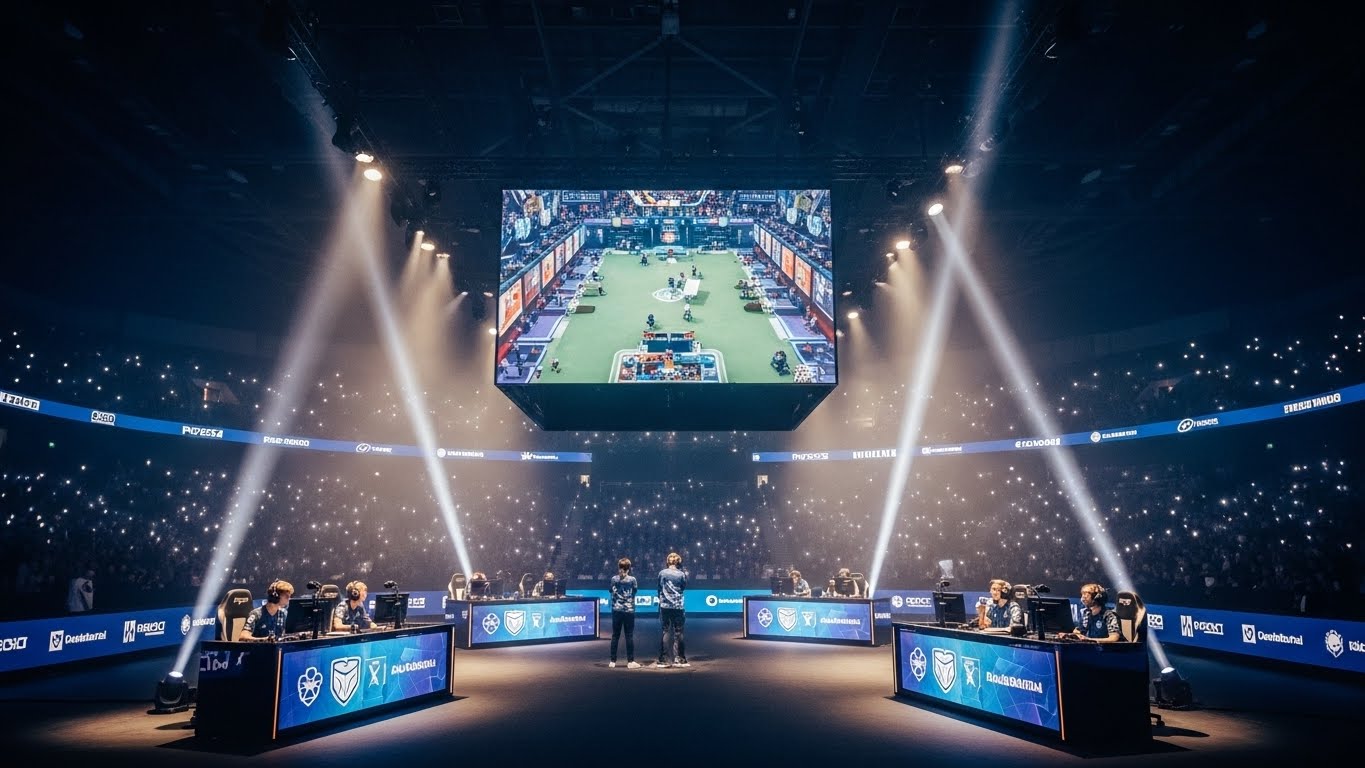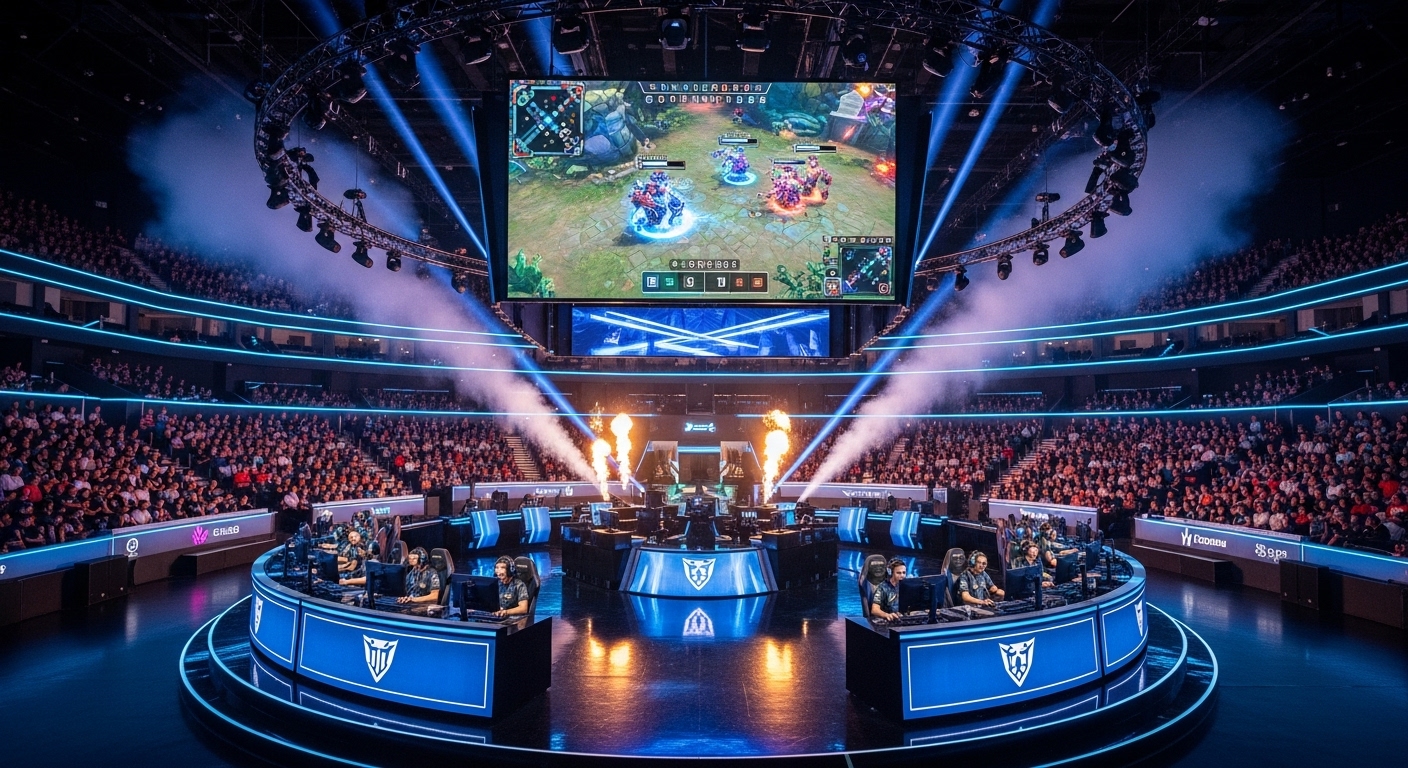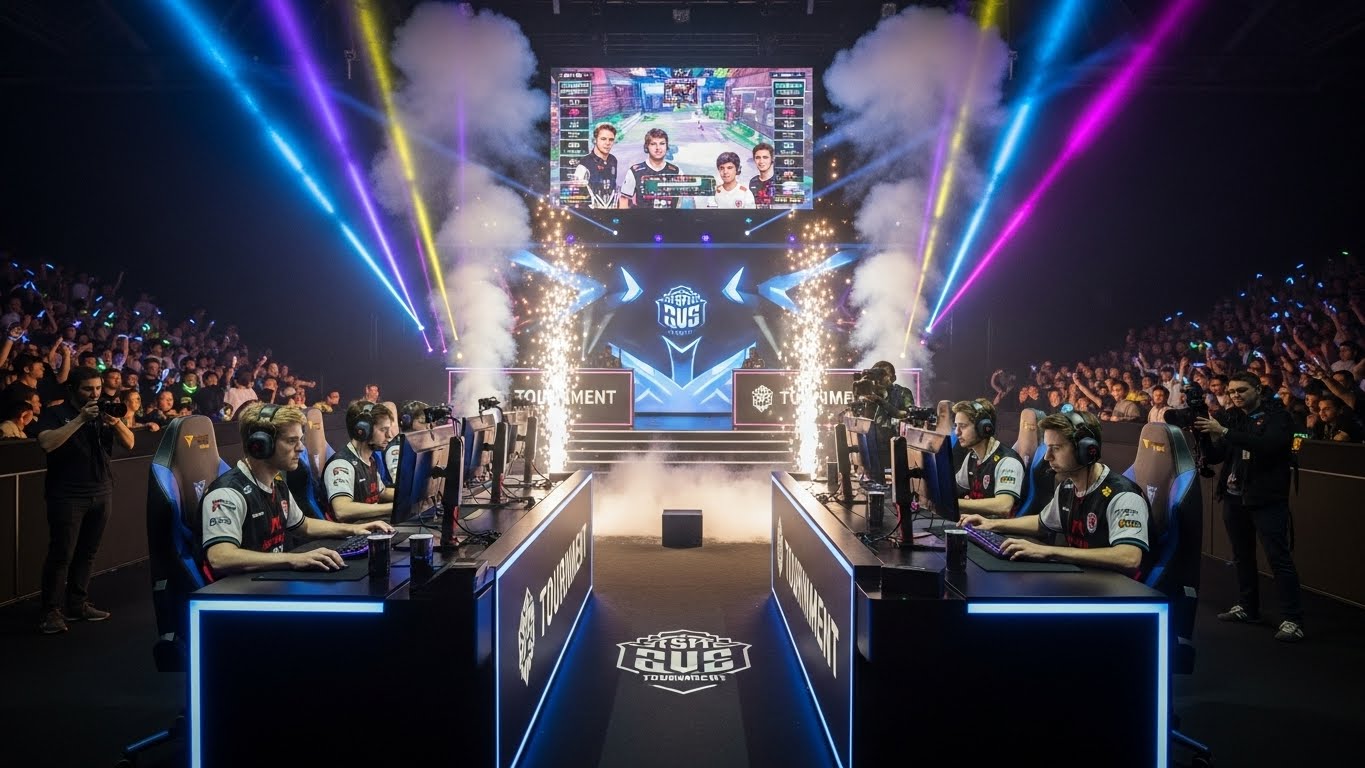






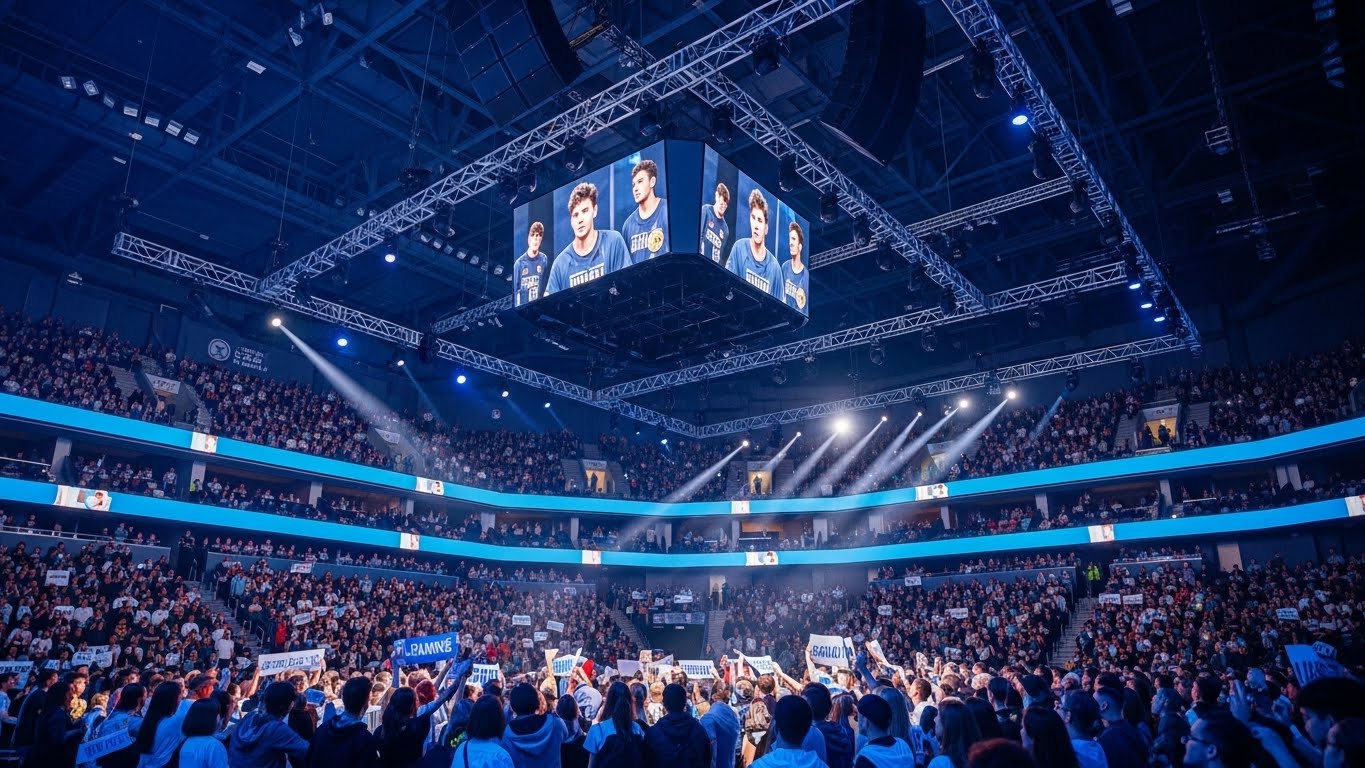
Over the past decade, esports has transformed from a niche hobby into a global cultural force. What was once considered a pastime for a small community of gamers has now evolved into a multibillion-dollar industry, captivating millions of fans and producing professional athletes whose skillsets rival those of traditional sports stars. From massive stadium tournaments to lucrative sponsorships and media coverage, esports has made its mark on the world in ways few could have predicted.
In this blog post, we’ll explore the rise of esports, the factors that contributed to its rapid growth, and why it’s becoming such a powerful cultural and commercial phenomenon. We will also take a look at the challenges the industry faces and what the future might hold.
The Origins of Esports
Esports, short for electronic sports, refers to competitive video gaming where individuals or teams compete in a structured environment, typically in front of a live audience or via streaming platforms. The origins of esports date back to the early 1970s, when the first known video game competition took place for the game Spacewar! at Stanford University in 1972. While the prize was modest—a year’s subscription to Rolling Stone magazine—this marked the beginning of a tradition that would only grow in scale.
The true explosion of esports occurred in the 1990s and early 2000s, with the advent of popular games like StarCraft, Warcraft, and Quake. These titles not only pioneered competitive gaming but also began to establish a structure for professional tournaments. The most important of these early tournaments was the World Cyber Games (WCG), which began in 2000. The WCG acted as the “Olympics” of esports, bringing together gamers from across the globe to compete in a variety of titles, further legitimizing gaming as a competitive activity.
The Growth of Esports
The growth of esports as a mainstream industry was largely propelled by a combination of factors: the evolution of technology, the rise of streaming platforms, and the expansion of global access to high-speed internet. These elements, along with the increasing professionalization of players and teams, helped make esports a household name.
Technological Advancements
The first major technological leap came with the advancement of internet speeds. In the early 2000s, slow internet speeds and poor broadband infrastructure were a major hindrance to online multiplayer gaming. As internet speeds improved, particularly with the expansion of broadband, it became easier for players to compete online in real-time without significant lag or technical issues.
The growth of gaming hardware also played a significant role. Powerful gaming PCs, gaming consoles, and peripherals such as high-quality mice, keyboards, and headsets allowed players to refine their skills and compete at the highest levels. These technological advancements ensured that esports would not just be a casual hobby but a serious, highly competitive sport.
The Rise of Streaming Platforms
Another catalyst for the explosion of esports was the rise of live-streaming platforms such as Twitch, YouTube Gaming, and Facebook Gaming. Launched in 2011, Twitch became the go-to platform for gamers to livestream their gameplay, interact with their audience, and build a fanbase. This created an ecosystem where fans could tune in to watch professional gamers compete, while simultaneously engaging with their favorite streamers in real-time through chat.
Streaming also allowed games to be broadcast to a global audience, further expanding the reach of competitive gaming. What was once limited to physical tournaments and local LAN events could now be experienced by anyone with an internet connection. Popular streamers like Ninja, Shroud, and Pokimane began to accumulate millions of followers, turning esports into a spectator sport in the process.
The Expansion of Global Access
The widespread availability of high-speed internet around the world played a significant role in the democratization of esports. In particular, Asia, Europe, and North America saw explosive growth in competitive gaming due to better access to technology and infrastructure. Meanwhile, emerging markets in South America and Africa are beginning to show their own enthusiasm for esports, further broadening the global audience.
The global appeal of esports also contributed to its expansion. Games such as League of Legends, Dota 2, Counter-Strike: Global Offensive, and Fortnite have international player bases and tournaments, with players from different countries and regions competing against each other. The international scope of esports has helped it develop into a truly global sport, with massive prize pools and sponsorships flowing in from around the world.
The Professionalization of Esports
As esports began to grow, so did the need for professionalization. Initially, competitive gaming was seen as a hobby, with players often participating for fun or small prizes. However, as the stakes of esports tournaments grew higher and the audiences expanded, the scene began to evolve into a legitimate career option.
Teams and Organizations
Professional esports teams have become an integral part of the industry. These teams are often sponsored by major corporations and feature some of the best players in the world. Teams such as Cloud9, T1, and Team Liquid represent the pinnacle of competitive gaming, offering players salaries, training facilities, and management to help them reach their full potential. Many of these teams also have affiliated coaching staff, analysts, and support personnel, just like traditional sports teams.
The structure of esports organizations is also beginning to resemble traditional sports leagues. For example, Overwatch League (OWL), Call of Duty League, and League of Legends Championship Series (LCS) follow a franchise-based model, where teams compete for league titles and have long-term investments in the game’s ecosystem. This kind of structure provides stability for both players and organizations.
The Players: Esports Athletes
Professional esports players, or esports athletes, are no longer just hobbyists—they are highly skilled individuals who dedicate their lives to mastering a game. Much like traditional athletes, esports pros train for hours each day to refine their skills, study strategies, and stay in peak mental condition. The pressure is immense, as the competition is fierce, and players must constantly adapt to evolving game mechanics and meta shifts.
Esports players are also some of the highest-paid professionals in the gaming industry. Prize pools for major tournaments like The International (Dota 2) and League of Legends Worlds have reached astronomical figures, with millions of dollars up for grabs. Additionally, sponsorships, streaming revenue, and merchandise sales contribute to players’ income. Top-tier players like Faker (Lee Sang-hyeok) and Johan “N0tail” Sundstein are some of the wealthiest esports professionals in the world.
Sponsorships and Advertising
The growing visibility of esports has attracted major brands and corporations. Companies such as Coca-Cola, Intel, Red Bull, and Mercedes-Benz are now regular sponsors of esports tournaments and teams. The industry has become a lucrative advertising market, with companies keen to target the younger demographic that makes up the bulk of esports’ audience.
Sponsorships and partnerships have helped elevate esports to the level of traditional sports in terms of commercial value. Brands are not only investing in teams and players but also in broadcasting deals, creating a virtuous cycle that ensures the continued growth of the industry.
Challenges and Controversies
Despite its massive growth, esports is not without its challenges and controversies.
Player Burnout
One of the most significant issues facing professional esports players is burnout. Competitive gaming is intense, and players often face high expectations from both their teams and fans. The mental and physical toll of playing for hours each day, combined with the pressure of competing at the highest level, can lead to burnout. Some players have expressed concerns about the longevity of their careers and the lack of support for mental health in the esports community.
Integrity and Cheating
Cheating and match-fixing are other problems that plague the esports industry. The rise of online play has led to the development of cheating software and tools that allow players to gain an unfair advantage. Tournament organizers and game developers have taken steps to combat cheating, but it remains an ongoing challenge.
Match-fixing scandals have also tainted the reputation of esports. In some cases, players have been found guilty of deliberately losing matches for financial gain. This not only undermines the integrity of the sport but also harms its credibility as a legitimate competitive discipline.
The Future of Esports
The future of esports looks incredibly bright. As the industry continues to grow, it is likely to see increased investment from traditional sports organizations and media companies. Esports may become a regular feature of major television networks, and more university programs may offer scholarships for professional gamers.
The rise of virtual reality (VR) and augmented reality (AR) also presents exciting opportunities for the future of esports. These technologies could revolutionize the way competitive gaming is experienced, making it even more immersive for both players and viewers.
Additionally, the expanding esports ecosystem will likely lead to further diversification. New games, new formats, and new regional leagues will continue to emerge, offering more opportunities for players, teams, and fans to engage with the world of competitive gaming.
Conclusion
Esports is no longer just a trend—it’s a global phenomenon that has changed the way we view video games and competitive sports. With its rapid growth, professionalization, and widespread appeal, esports has established itself as a major player in the entertainment and sports industries. As technology continues to evolve and the fanbase continues to grow, esports is poised for even greater heights in the years to come. Whether you’re a casual gamer or a die-hard fan, the future of esports is something to watch closely.