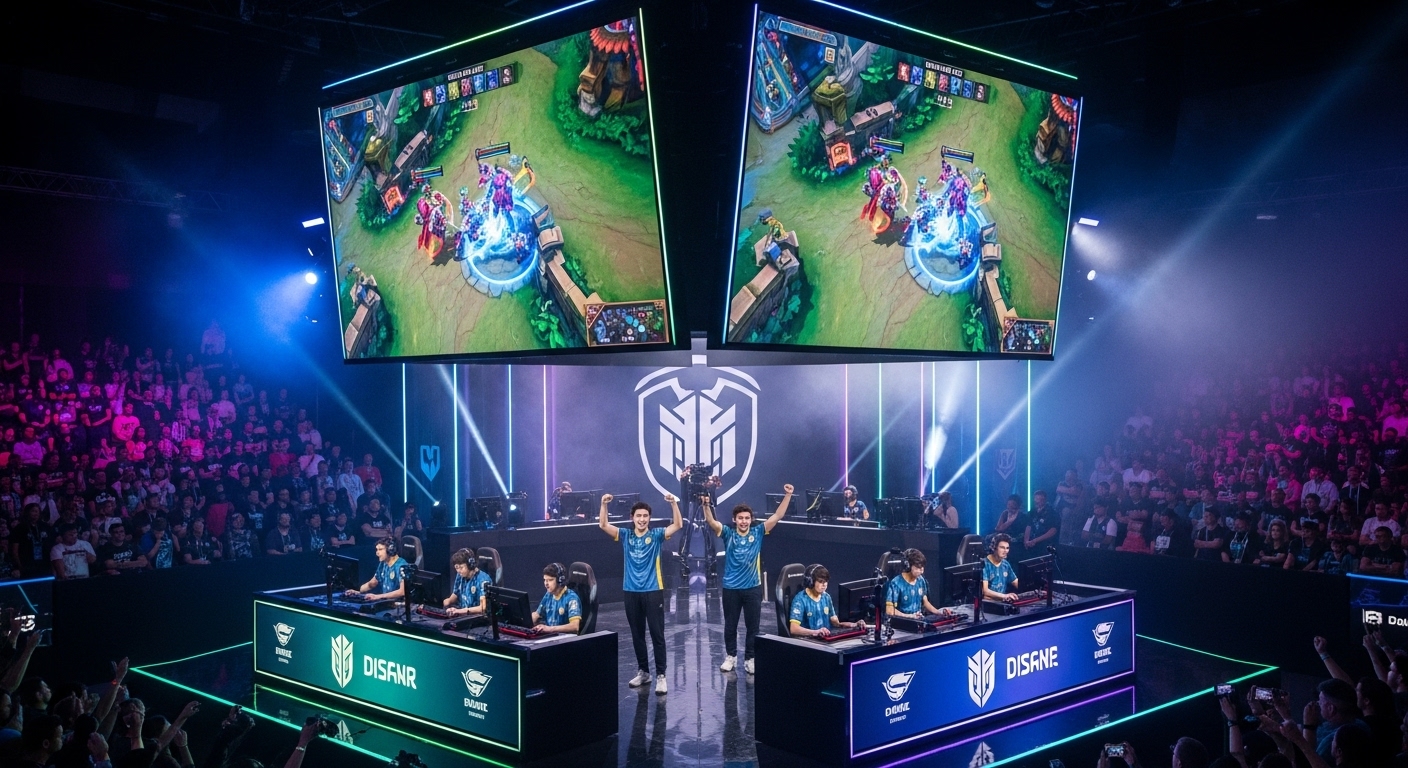






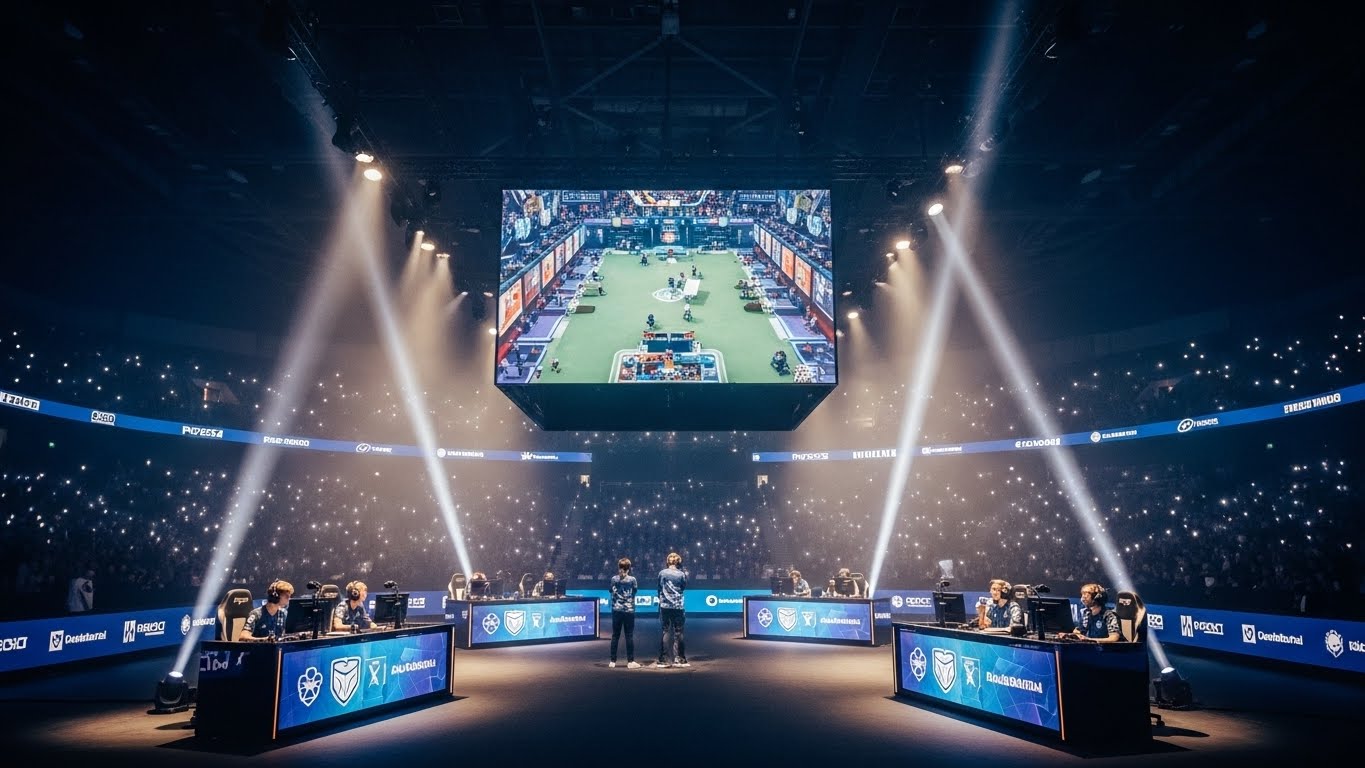
Esports, short for electronic sports, has evolved from a niche hobby into a global phenomenon, captivating millions of fans and players alike. Whether you are a casual gamer or a hardcore enthusiast, it’s impossible to ignore the booming world of competitive gaming. This industry, once considered a pastime for the tech-savvy, is now a multi-billion-dollar ecosystem that attracts investors, sponsors, and media giants. With its rapid rise in popularity, esports has become a significant cultural force, influencing not only the gaming world but also entertainment, technology, and even education.
In this blog post, we will explore the world of esports, its growth, the factors driving its success, and the future potential of competitive gaming.
What Is Esports?
At its core, esports is organized multiplayer video game competitions, often between professional players, teams, or organizations. These competitions can take place in a variety of genres, from first-person shooters (FPS) like Counter-Strike: Global Offensive to real-time strategy games (RTS) such as StarCraft II, and multiplayer online battle arenas (MOBAs) like League of Legends.
Esports events can be both online and offline, with the biggest tournaments taking place in massive arenas or broadcasted on platforms like Twitch and YouTube. These competitions are often followed by millions of viewers worldwide, and the players involved compete for hefty prize pools, sponsorships, and fame.
The History of Esports: From Hobby to Global Phenomenon
The journey of esports began in the 1990s, when video games started to be played competitively, albeit on a much smaller scale. One of the first major milestones was the Red Annihilation tournament in 1997 for Quake, a first-person shooter. This tournament had a modest prize pool, but it helped lay the groundwork for competitive gaming, attracting the attention of both players and game developers.
By the early 2000s, games like StarCraft and Warcraft III began to shape the landscape of esports, especially in countries like South Korea, where competitive gaming became a national pastime. The StarCraft franchise, in particular, saw the rise of professional players and the establishment of esports leagues and tournaments. In 2002, the Korean Pro Gaming League (KPGL) made esports more mainstream in South Korea, leading to the establishment of dedicated TV channels broadcasting these events.
It wasn’t until the 2010s that esports began its meteoric rise globally. The advent of streaming platforms like Twitch (launched in 2011) and the expansion of game developers supporting esports infrastructure helped solidify its place as a mainstream form of entertainment. Games like League of Legends, Dota 2, and Counter-Strike: Global Offensive gained massive followings, attracting millions of viewers worldwide.
Factors Behind the Growth of Esports
Several factors have contributed to the explosive growth of esports in recent years. These include technological advancements, the rise of streaming platforms, the involvement of traditional sports organizations, and the growing interest of big brands and sponsors.
1. Technological Advancements and Internet Access
The growth of esports has been largely driven by advancements in technology. Faster internet speeds, more powerful gaming PCs and consoles, and improved gaming infrastructure have enabled competitive gaming to flourish. Online multiplayer games, in particular, have benefited from high-speed internet, allowing players from different parts of the world to compete in real time. With platforms like Steam and battle.net, players can access games, participate in tournaments, and even watch live events with ease.
2. The Rise of Streaming Platforms
One of the biggest catalysts for esports’ growth is the rise of streaming platforms like Twitch, YouTube Gaming, and Facebook Gaming. These platforms have created an ecosystem where players, fans, and sponsors can all interact. Streamers have become celebrities in their own right, with millions of followers who tune in to watch their gameplay, learn strategies, or simply enjoy their personalities.
Tournaments, too, are streamed live on these platforms, attracting millions of viewers. The International, the annual Dota 2 tournament, for example, boasts prize pools of over $40 million, largely funded by donations from viewers. This ability to engage directly with viewers through real-time interactions has transformed esports into a form of entertainment with massive reach and potential.
3. Traditional Sports Organizations and Investors Getting Involved
In recent years, traditional sports organizations have also recognized the potential of esports. Teams from the NBA, NFL, and even European soccer clubs have invested in esports franchises, either by starting their own teams or sponsoring existing ones. This partnership between traditional sports and esports has opened doors for new sponsorship opportunities, higher visibility, and mainstream acceptance of esports as a legitimate form of competition.
For example, Cloud9, one of the leading esports organizations, partnered with the NBA’s Golden State Warriors to create a competitive esports division. Similarly, Manchester City, one of the top soccer clubs in the world, has its own esports team competing in various leagues.
4. The Support of Major Brands and Sponsors
Esports has become an attractive platform for advertisers and sponsors. Brands like Coca-Cola, Intel, Red Bull, and Mercedes-Benz have invested heavily in the esports ecosystem. These companies not only sponsor events but also advertise their products through in-game integrations, advertisements during streams, and partnerships with players and teams. This influx of investment has allowed esports organizations to grow exponentially, offering better facilities, more staff, and, most importantly, larger prize pools for players.
Popular Esports Games
Esports is incredibly diverse, with various genres attracting different types of players and fans. Some of the most popular games in the esports scene include:
1. League of Legends (LoL)
Released by Riot Games in 2009, League of Legends has been one of the biggest esports titles in the world. With a large and dedicated fanbase, the game has hosted some of the largest esports tournaments, including the League of Legends World Championship. The game’s strategic depth, fast-paced gameplay, and large team sizes (five-player teams) have made it a favorite for both players and spectators.
2. Dota 2
Dota 2, developed by Valve, is another major title in the esports industry. The game’s steep learning curve and strategic gameplay have made it a favorite for hardcore gamers. The International, Dota 2’s annual tournament, is one of the most prestigious in the esports world and consistently offers the largest prize pools in esports history.
3. Counter-Strike: Global Offensive (CS: GO)
Counter-Strike: Global Offensive is a first-person shooter that has been a staple of the esports scene since its release in 2012. Known for its tactical gameplay, precise shooting mechanics, and team coordination, CS: GO has become one of the most-watched esports games in the world.
4. Fortnite
Fortnite, the free-to-play battle royale game developed by Epic Games, has captured the imagination of players and viewers around the world. Its combination of shooting, building, and survival elements, along with its colorful graphics and evolving content, has made it a massive success in the esports scene, especially among younger audiences.
5. Overwatch
Overwatch is a team-based first-person shooter from Blizzard Entertainment. The game has become a hit in both the casual and competitive scenes, with its colorful characters and objective-based gameplay. The Overwatch League, launched in 2018, brought professional esports into the mainstream, featuring teams from around the world.
The Future of Esports
The future of esports is incredibly bright, with the industry showing no signs of slowing down. Here are a few trends and developments to watch for:
1. Esports in Schools and Universities
Esports is gaining recognition in educational institutions. Many universities now offer esports scholarships, and high schools are starting to introduce esports programs into their curricula. This trend will likely continue to grow, fostering the next generation of professional players, coaches, and analysts.
2. Integration of Virtual Reality (VR) and Augmented Reality (AR)
As technology continues to evolve, esports could see the integration of virtual reality and augmented reality into its gameplay. VR and AR could revolutionize how players experience the game, making the competition more immersive and exciting.
3. Increased Viewership and Media Coverage
With more mainstream media outlets beginning to cover esports events, we can expect even larger audiences for competitive gaming. Networks like ESPN have already begun broadcasting esports tournaments, and we can anticipate more coverage in the coming years.
4. Global Expansion
Esports is continuing to expand globally, with more regions embracing the sport. While Asia and North America have been the dominant regions, Europe and South America are emerging as major esports hubs. Countries like China and India, with their growing middle-class populations and internet infrastructure, are expected to be key players in the future growth of esports.
Conclusion
Esports has come a long way since its early days, transforming from a hobby into a multi-billion-dollar industry with millions of fans around the world. The rise of streaming platforms, technological advancements, and investments from traditional sports and major brands have all contributed to its rapid growth. As esports continues to evolve, its impact will only become more profound, shaping the future of entertainment and competition. Whether you’re a casual fan or an aspiring professional, the esports world is an exciting place to be, offering endless opportunities for players, viewers, and investors alike.