





Introduction to the World of Esports
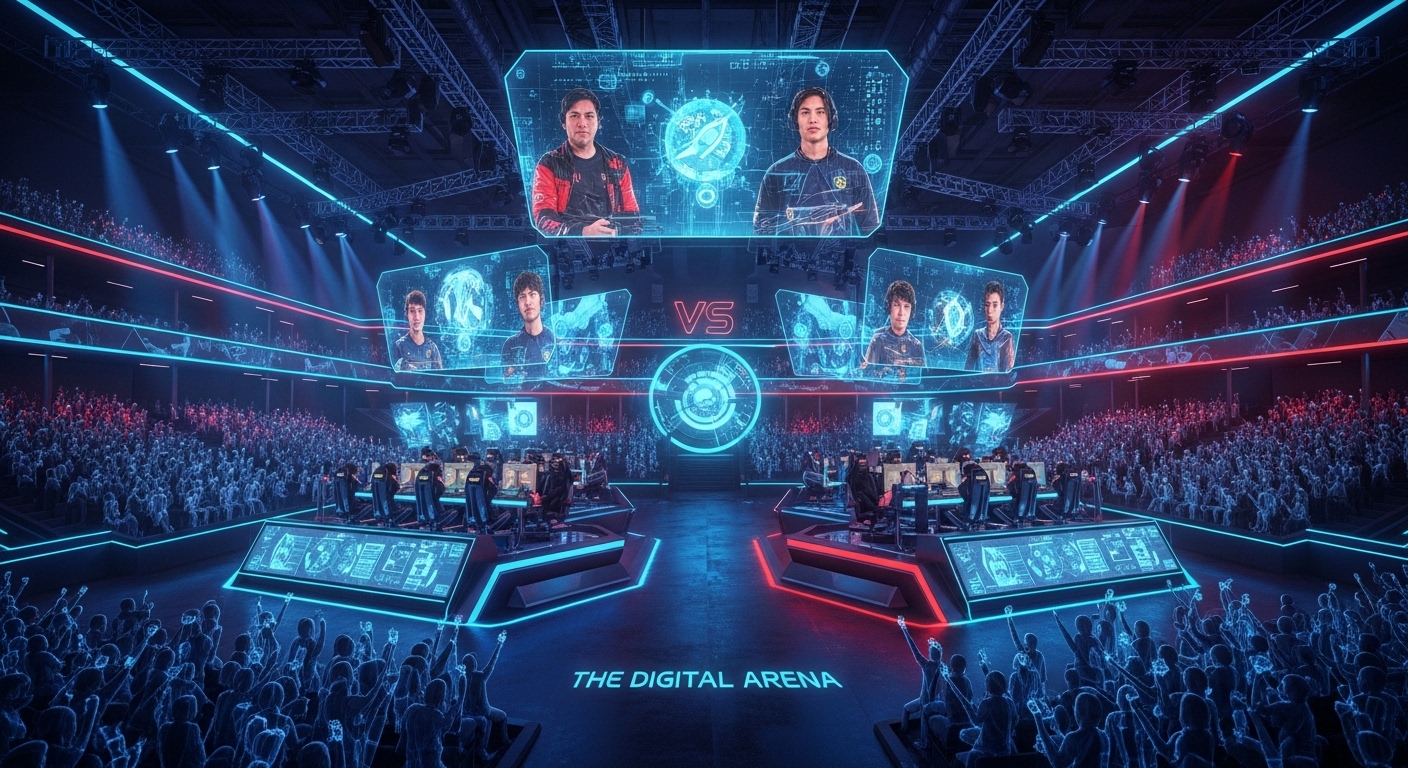
Esports, short for electronic sports, has grown from a niche hobby into one of the most influential entertainment industries in the world. What began as friendly local competitions among gamers has transformed into a massive global movement, with professional players, huge tournaments, and dedicated fans across the world. Today, esports stands alongside traditional sports in popularity, skill level, and cultural impact.
The rise of esports is a story of technological advancement, passion-driven communities, and the power of digital entertainment. Even those who do not play games have heard of competitive titles and global competitions that attract millions of viewers. Esports is no longer just a form of entertainment; it is a thriving industry reshaping youth culture, media, and global entertainment.
The Evolution of Competitive Gaming
Competitive gaming dates back to the early days of arcade machines where players competed for high scores. However, the true foundation of esports began with PC and console tournaments in the 1990s. Games like fighting titles, real-time strategy games, and first-person shooters captured the attention of players who wanted to test their skills.
As internet speeds improved and online multiplayer became accessible, more sophisticated competitive scenes emerged. Early tournaments featured modest prizes, often just recognition or small rewards. But as gaming popularity grew, so did the ambition and scale of competitions.
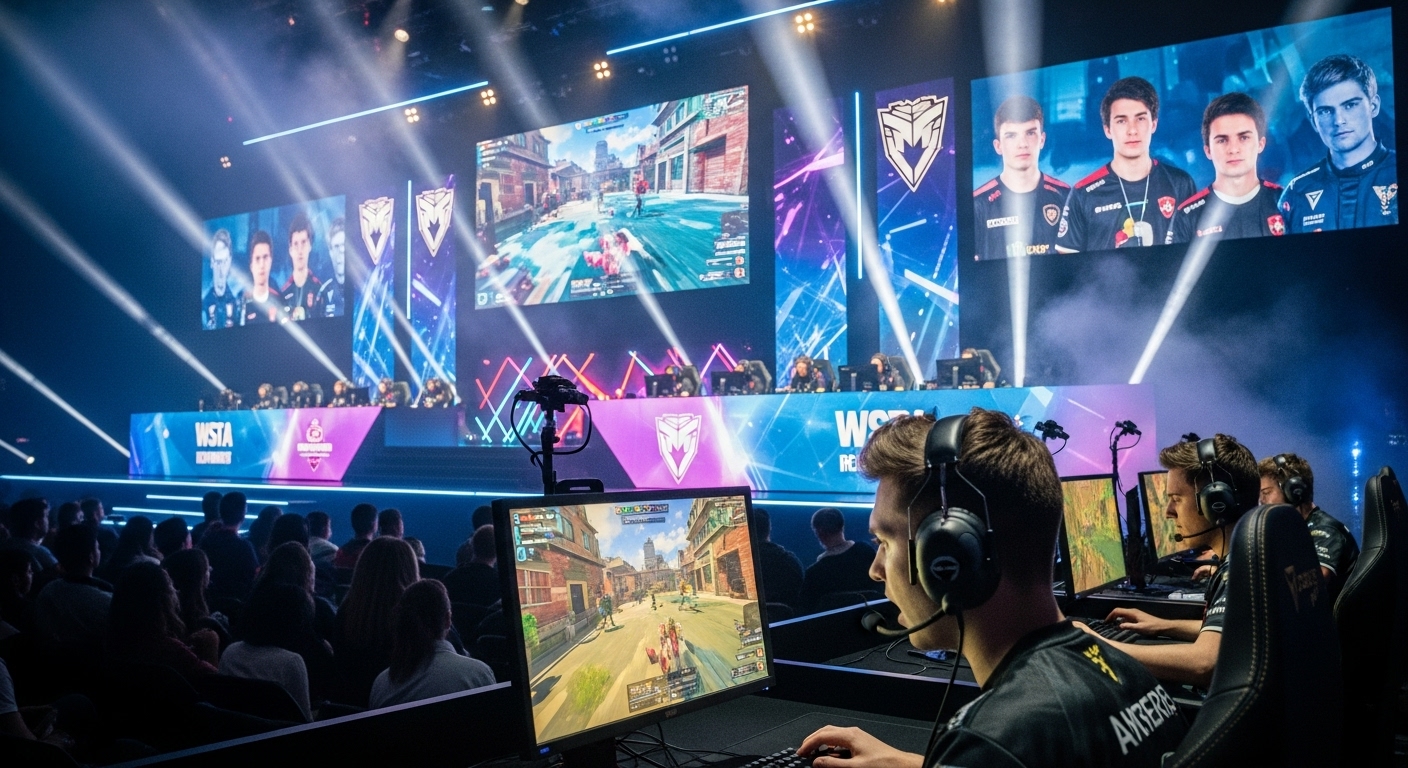
The 2000s saw a major shift with online gaming leagues, global tournaments, and professional teams. Today, esports events fill stadiums, offer million-dollar prize pools, and attract corporate sponsorships. It has transformed from a pastime into a legitimate career path.
Popular Esports Genres and Games
Esports covers a wide range of game genres, each offering unique styles of competition and skill requirements. Some of the most popular include:
Multiplayer Online Battle Arena Games
This genre emphasizes teamwork, strategy, and quick decision-making. Teams compete to outmaneuver and outplay opponents using characters with unique abilities. The depth of strategy involved makes this genre a fan favorite for competitive play.
First-Person Shooters
FPS esports demand lightning-fast reflexes, precision, and team coordination. Players compete in various objective-based modes, showcasing accuracy and tactical planning. These games often attract massive audiences due to their intensity and fast pace.
Battle Royale Games
Battle royale titles combine survival, exploration, and shooting mechanics. Dozens of players compete on a shrinking map until one remains victorious. The unpredictability of each match makes this genre extremely entertaining for spectators.
Sports Simulation Games
Sports-based esports recreate real-world sports through gaming. Players compete in virtual versions of football, basketball, racing, and more. These games appeal to fans who enjoy traditional sports but also want a digital competitive experience.
Fighting Games
Fighting games test individual skill, timing, and mastery of character techniques. Tournaments in this genre often feature dramatic moments, intense matchups, and enthusiastic fan communities.
What Makes Esports So Popular?
Esports combines the excitement of competition with the accessibility of digital entertainment. Several key factors contribute to its global popularity:
Easy Access to Digital Platforms
Anyone with an internet connection can watch esports from anywhere in the world. This accessibility helped esports grow faster than many traditional sports, which rely heavily on physical attendance.
Engaging Communities
Esports communities are passionate, supportive, and deeply engaged. Fans follow their favorite teams and players, create content, and participate in discussions. This creates a sense of belonging and shared excitement.
High-Level Skill and Strategy
Professional esports players are highly trained athletes in their own right. Their reflexes, game knowledge, and teamwork elevate gaming to a competitive art form. Watching top-tier players perform is as thrilling as watching any professional athlete.
Global Participation
Esports is not limited by geography. Players and teams come from every continent, making competitions more diverse and globally appealing. This universal participation has helped esports become a worldwide cultural force.
The Rise of Professional Players
Professional esports players train rigorously, often practicing for hours each day to hone their mechanics, communication, and strategic understanding. Many teams operate like traditional sports organizations, complete with coaches, analysts, nutritionists, and training programs.
Esports careers include more than just competing. Players may become streamers, coaches, or content creators. Some transition into roles such as commentators, event hosts, or industry professionals. The career opportunities in esports continue to expand as the industry grows.
The Business and Economic Impact of Esports
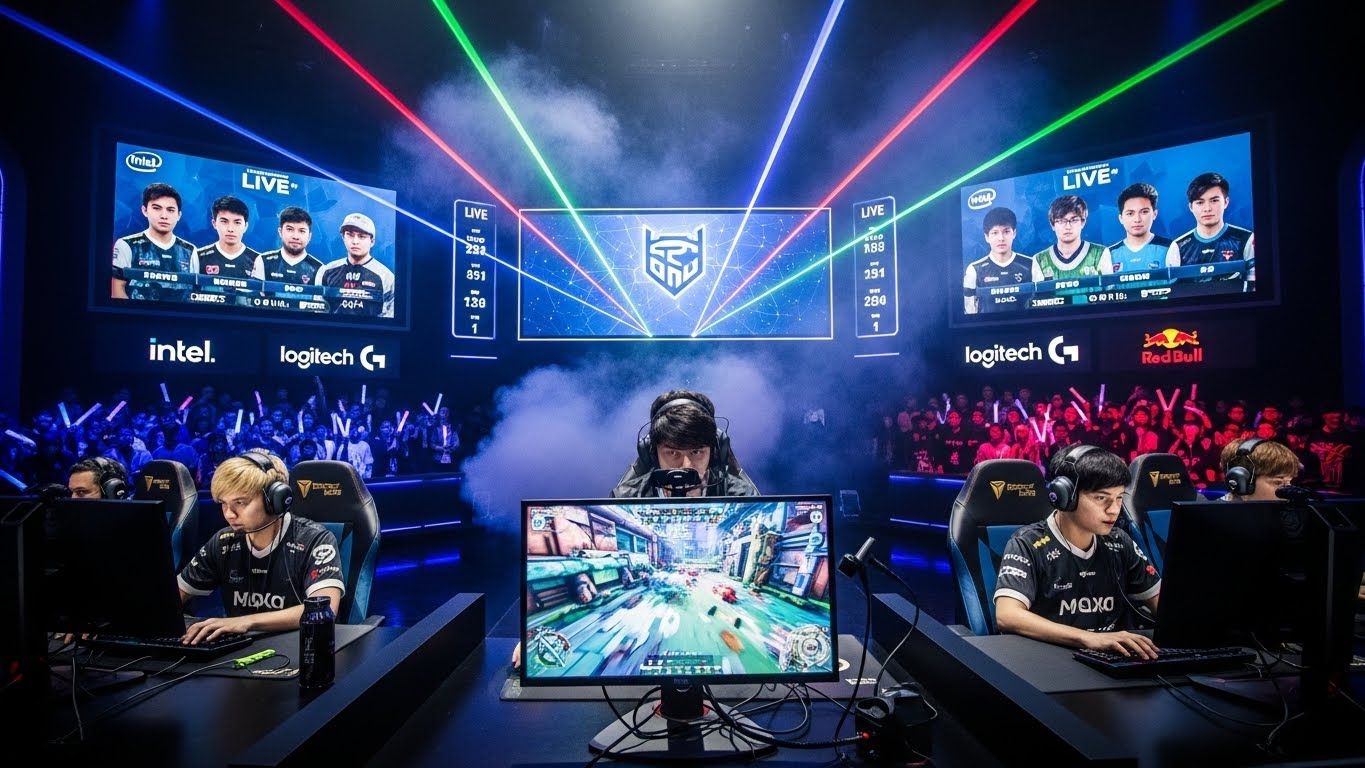
Esports is now a major global industry with a multi-billion-dollar market value. Revenue comes from sponsorships, advertising, merchandise, ticket sales, and media rights. Major companies partner with esports teams and events to reach younger, tech-savvy audiences.
Streaming platforms and digital broadcasts have amplified this growth. Millions of viewers tune in to watch tournaments, creating massive advertising opportunities. Esports organizations continue to diversify, expanding into lifestyle branding, content creation, and collaborations with fashion and tech industries.
The Role of Technology in Esports Growth
Technology plays a central role in the rise of esports. High-speed internet allows for seamless online play. Powerful gaming hardware supports competitive performance. Live streaming platforms connect fans to players in real-time, transforming esports into a mainstream form of entertainment.
Advancements in virtual reality, augmented reality, and cloud gaming may further expand the gaming landscape. These innovations promise new ways for players to compete and new experiences for audiences to enjoy.
Esports and Youth Culture
Esports has become a major influence on youth culture. Young people admire professional players much like traditional athletes. Competitive gaming encourages teamwork, problem-solving, and strategic thinking, making it more than just entertainment.
Schools and universities have started offering esports programs, scholarships, and training facilities. These initiatives highlight the growing recognition of esports as a legitimate educational and career path.
Challenges Facing the Esports Industry
Despite its success, esports faces challenges that must be addressed for sustainable growth:
Player Health and Burnout
Professional players often train for long hours, which can lead to physical and mental health issues. Maintaining balance is essential for longevity in the industry.
Fair Competition
Esports must continue improving regulations, anti-cheating systems, and fair play guidelines to maintain competitive integrity.
Consistent Global Regulations
Different regions have varying rules regarding esports competitions, making it difficult to create standardized frameworks.
Economic Stability
Some teams and players face financial uncertainty. The industry continues to work on creating sustainable income models and better contracts.
The Future of Esports
The future of esports looks bright, with continued expansion across all areas of entertainment and technology. Anticipated trends include:
Larger International Events
Global tournaments will continue to grow, possibly rivaling traditional sports events in scale and prestige.
Integration with Mainstream Media
Esports may become more integrated into television, film, news, and traditional sports coverage.
Growth of Mobile Esports
Mobile gaming has made competitive play more accessible, especially in developing regions. Its rise is expected to continue rapidly.
Advanced Training and Development
Professional training facilities and youth development programs will create stronger and more competitive players.
New Game Genres Entering Esports
As technology evolves, new genres and formats will emerge, expanding the diversity of competitive gaming.
Conclusion
Esports has rapidly evolved into a global cultural and economic powerhouse. It blends competition, entertainment, and technology into a dynamic industry that continues to attract millions of players and fans worldwide. From small local tournaments to massive international championships, esports has proven that digital competition can unite people across cultures, languages, and borders.
Its future is filled with possibilities. As games evolve, technology advances, and global communities expand, esports will continue to redefine entertainment for future generations. Whether as a player, fan, or industry professional, anyone can find a place in the world of esports—a world that grows more exciting and influential every year.