





Introduction: The Emergence of Esports as a Global Phenomenon
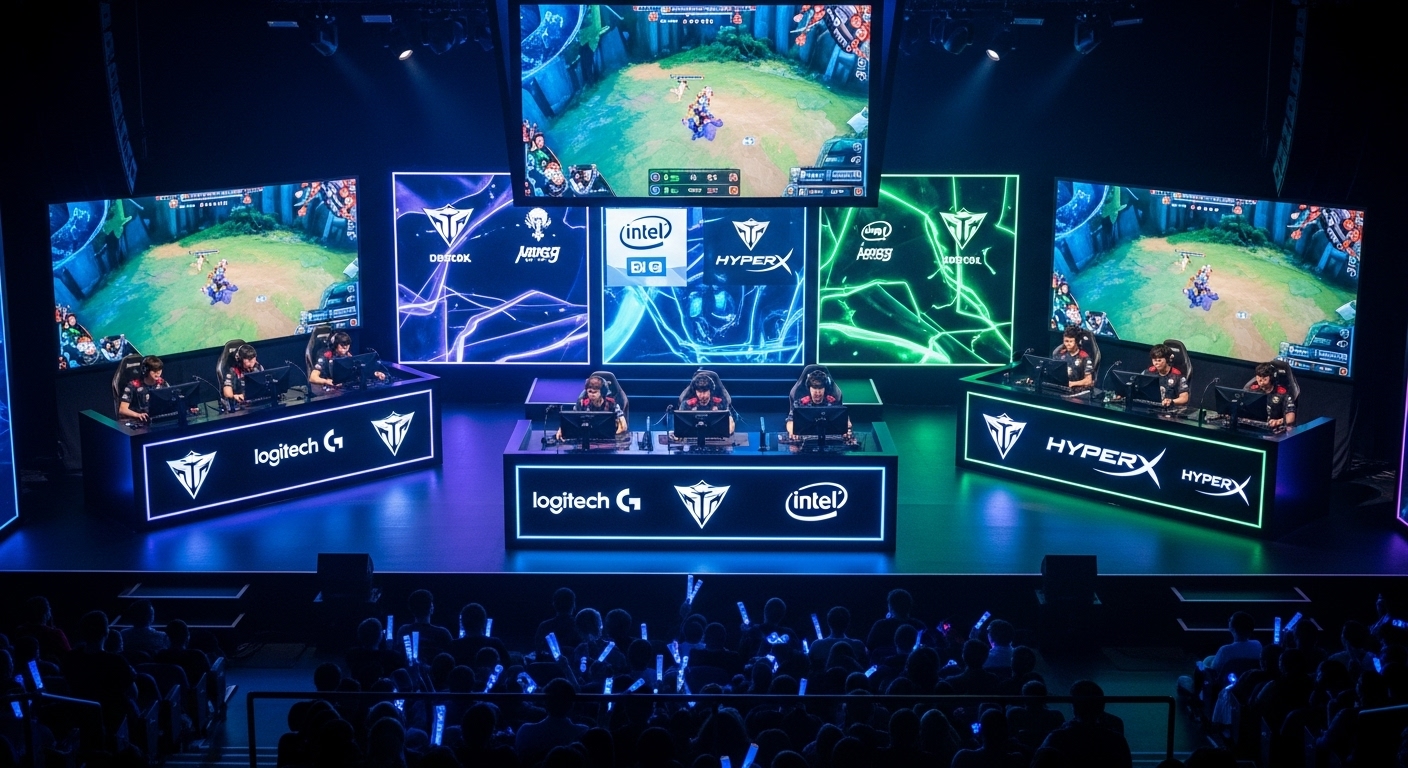
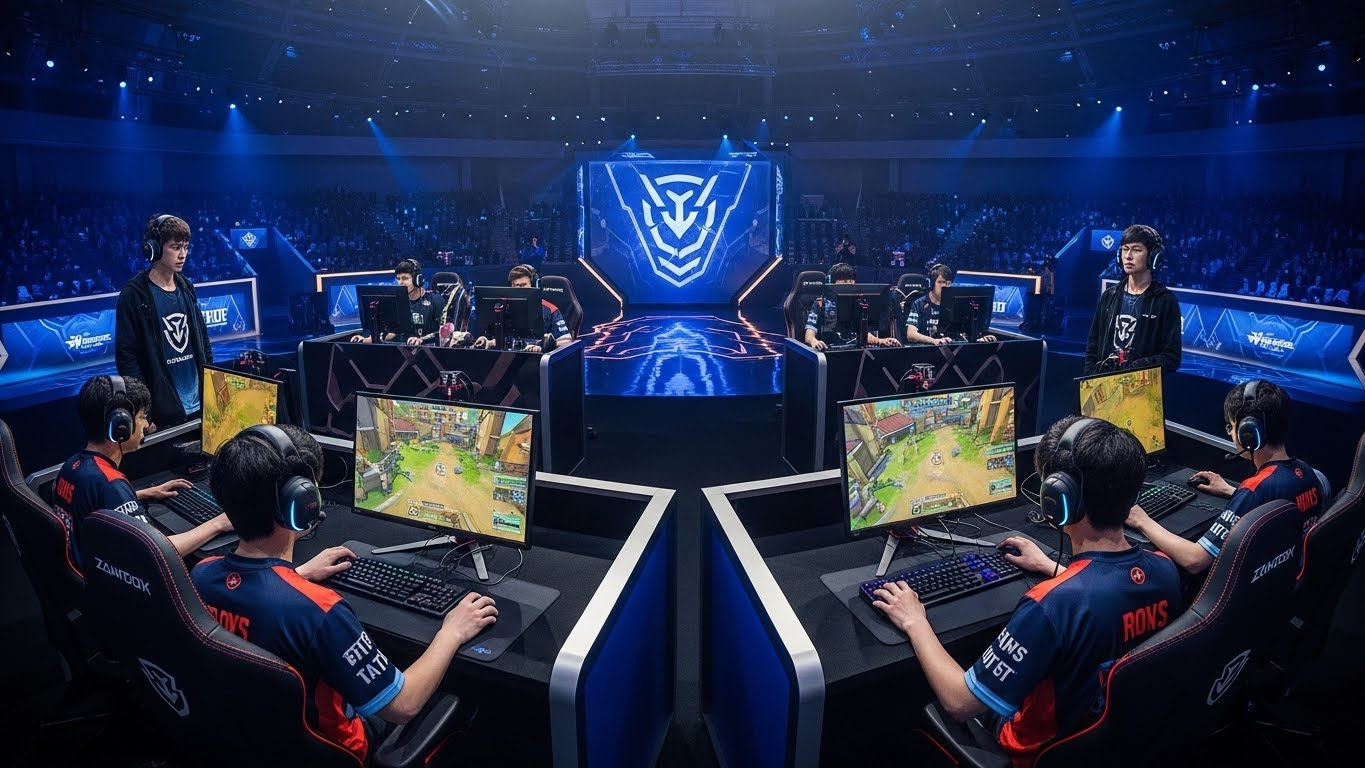
In the last two decades, esports has transformed from a niche hobby into a multi-billion-dollar industry that is shaping the future of entertainment. Once viewed as mere recreational activities, competitive video games now captivate millions of viewers worldwide, with professional players earning substantial incomes and teams competing for massive prizes. Esports has grown beyond a form of entertainment to become a legitimate, highly organized sport with a global following. What started in arcades and online multiplayer rooms has evolved into large-scale tournaments broadcast to millions across the globe, making esports one of the fastest-growing sectors in the entertainment industry. But what exactly is driving this meteoric rise, and how is esports changing the way we think about gaming, competition, and sports culture?
The Evolution of Esports: From Casual Play to Professional Leagues
Esports began with informal competitions among friends and communities in the 1990s, but the competitive gaming scene truly started to gain momentum in the early 2000s. The rise of high-speed internet and multiplayer gaming allowed players to connect globally and challenge each other. Games like StarCraft and Warcraft attracted significant attention in South Korea, where esports culture blossomed through television broadcasts and dedicated arenas. As gaming technology advanced, so did the competitions. Titles like Counter-Strike, League of Legends, Dota 2, and Fortnite have become household names, with established professional leagues, sponsorships, and broadcast deals making these events as popular as traditional sports. Esports is no longer confined to small-scale events but has expanded into a billion-dollar industry with sponsorships, media rights, and even college scholarships available for top players.
The Growth of Esports Tournaments and Prize Pools
One of the key factors in the explosive growth of esports is the development of large-scale tournaments with substantial prize pools. In 2018, the International Dota 2 Championship featured a prize pool of over $25 million, making it one of the largest in esports history. Other popular games, such as League of Legends, Fortnite, and Counter-Strike: Global Offensive, boast multi-million-dollar prize pools, attracting top-tier talent from all over the world. These tournaments are no longer limited to a handful of regional events but are now hosted globally, with live-streamed coverage reaching millions of fans. The financial stakes are high, and the opportunity for professional gamers to make a career out of their skills has never been more tangible. Esports has become a serious business, with professional organizations and players now signing contracts, securing sponsorships, and negotiating endorsement deals.
The Esports Fanbase: A Global Community
One of the most compelling aspects of esports is the diverse and passionate fanbase it has cultivated. Fans flock to online streams, social media platforms, and live events to watch their favorite teams and players compete. Unlike traditional sports, where fans may be limited to regional teams or leagues, esports transcends borders, allowing players and teams from all over the world to compete in global tournaments. Platforms like Twitch, YouTube Gaming, and Facebook Gaming have become the new arenas for esports, with millions of viewers tuning in to watch professional gamers compete in real-time. In 2020, the League of Legends World Championship drew an audience of over 100 million viewers, a number that rivals the viewership of major traditional sports events. Fans are not just passive observers; they engage with players and teams through social media, donate to streamers, and even attend live events to cheer for their favorite competitors. Esports has created a sense of global community, where people from all walks of life can come together and celebrate their love for gaming.
The Business of Esports: Sponsorships, Merchandise, and Media Rights
Esports is no longer just about the players and the games; it has become a thriving business. Global brands, ranging from tech giants like Intel and NVIDIA to consumer products like Coca-Cola and Red Bull, have recognized the immense potential of esports and are heavily investing in sponsorships, partnerships, and advertising. These sponsorships provide financial support for teams, tournaments, and individual players, enabling them to compete at the highest level. In return, brands benefit from increased visibility and direct access to the lucrative gaming demographic. Additionally, esports-related merchandise, including team jerseys, gaming peripherals, and branded apparel, generates millions of dollars in revenue every year. The rights to broadcast esports events have also become a highly sought-after commodity, with media companies bidding for the chance to air major tournaments. In 2019, ESL and DreamHack, two of the largest esports tournament organizers, signed a deal with Facebook Gaming to stream their events exclusively on the platform, further illustrating the importance of media rights in the esports ecosystem.
Esports as a Career Path: From Player to Analyst
For many, esports has transformed from a casual hobby into a viable career path. Professional players can earn significant salaries through sponsorships, tournament winnings, and streaming. But the opportunities in esports go far beyond just playing the game. There are a multitude of roles within the industry, including team coaches, analysts, commentators, broadcasters, event organizers, social media managers, and content creators. The growing demand for esports-related content has led to the rise of dedicated content creators who produce game-related tutorials, commentary, and even comedic sketches for platforms like YouTube and TikTok. As esports continues to evolve, it is becoming clear that there is no shortage of opportunities for individuals with a passion for gaming and a talent for engaging audiences. The rise of esports is creating an entire ecosystem, where players and fans alike can build careers in an industry that is only going to get bigger.
The Role of Streaming Platforms in Esports Growth
Streaming platforms have played a pivotal role in the rapid growth of esports. Platforms like Twitch, YouTube Gaming, and Facebook Gaming are at the heart of esports culture, offering live broadcasts of competitive gaming events and streams of casual gameplay. Twitch, in particular, has become synonymous with esports, with millions of viewers tuning in to watch everything from professional tournaments to everyday streamers showcasing their skills. The live interaction between streamers and their audience is a key factor in the platform’s success, allowing fans to communicate with players, ask questions, and offer support. The rise of esports has also led to a surge in content creation, with dedicated esports channels, commentary teams, and analysts building large followings. Streaming platforms are now the primary means by which fans experience esports, making them indispensable to the growth of the industry.
Esports in Education: The Rise of Collegiate Programs
Esports is not only changing the way we consume entertainment but also the way we view education and youth development. In recent years, many universities and colleges have recognized the value of esports and established their own competitive teams and scholarships. These programs offer students an opportunity to compete in professional esports tournaments while pursuing a degree. Schools such as the University of California, Irvine, and Robert Morris University have established esports programs that provide scholarships, facilities, and training for aspiring professional gamers. The rise of collegiate esports is creating a clear pathway for young players to transition from casual gaming to professional careers, while also offering opportunities for students to develop skills in marketing, coaching, and event management. Esports is becoming an integral part of the academic landscape, and many students are now choosing colleges based on their esports programs.
The Future of Esports: Trends and Opportunities
The future of esports looks bright, with new trends and innovations emerging every year. One of the most exciting developments is the growth of mobile esports, driven by the widespread popularity of smartphones and mobile gaming apps. Titles like PUBG Mobile, Clash Royale, and Arena of Valor are attracting millions of players and viewers, creating new opportunities for competition. Additionally, virtual reality (VR) and augmented reality (AR) are poised to revolutionize esports, creating even more immersive and interactive experiences for players and fans alike. As technology continues to advance, esports will likely become more integrated with traditional sports, with potential for cross-industry collaborations, joint tournaments, and hybrid events. The integration of artificial intelligence and machine learning will also change the way games are developed and played, leading to more complex and dynamic competitive experiences. With its rapid growth, esports is positioning itself as a cornerstone of modern entertainment, and its influence will only continue to expand in the years to come.
Conclusion: Esports—A New Era of Competitive Entertainment
Esports has come a long way from its humble beginnings as a pastime for gamers. Today, it is a global industry that is reshaping the entertainment landscape, offering new career paths, innovative experiences, and a sense of community for millions of fans. From its explosive growth in tournaments and prize pools to the rise of streaming platforms and collegiate programs, esports is firmly entrenched as a mainstream form of competition. As technology continues to evolve and new generations of gamers come of age, the future of esports holds endless possibilities. Esports is more than just a game—it is a cultural movement that is redefining how we engage with competition and entertainment in the digital age.