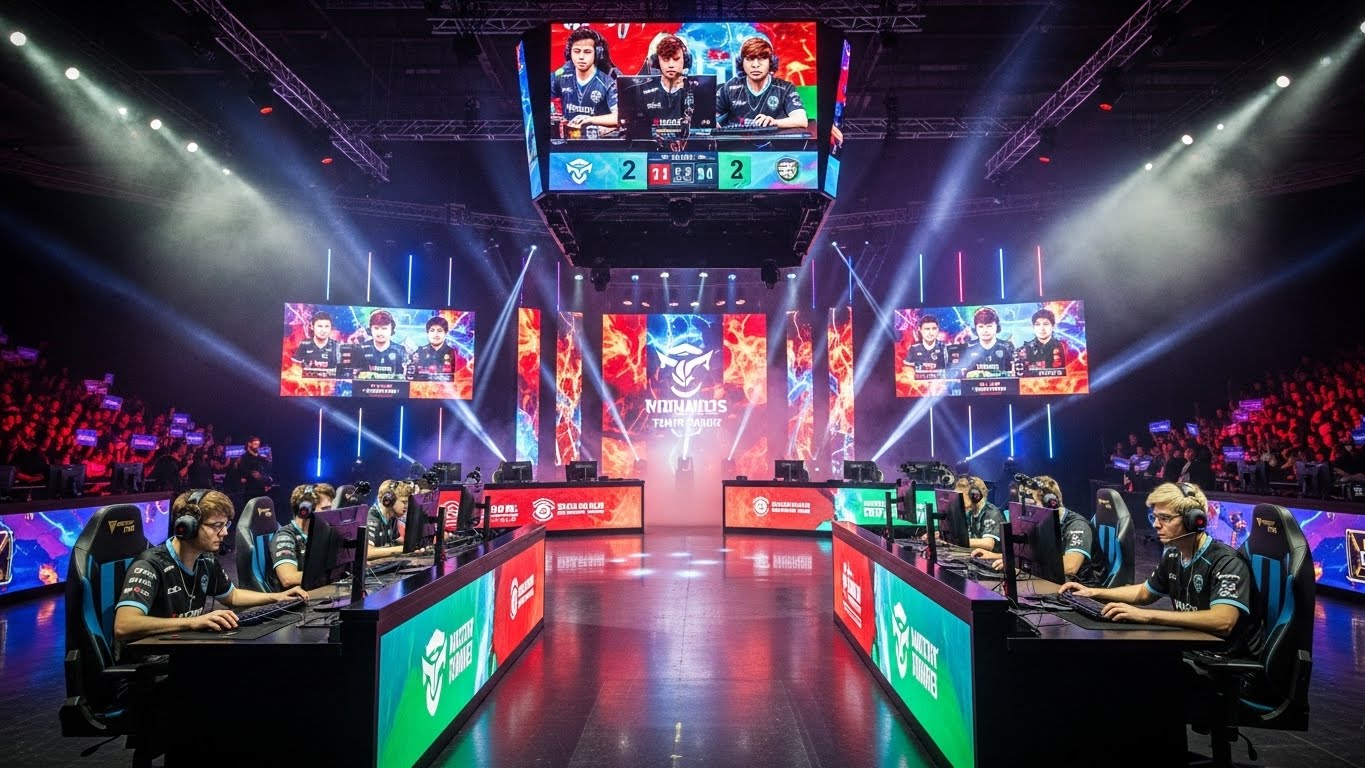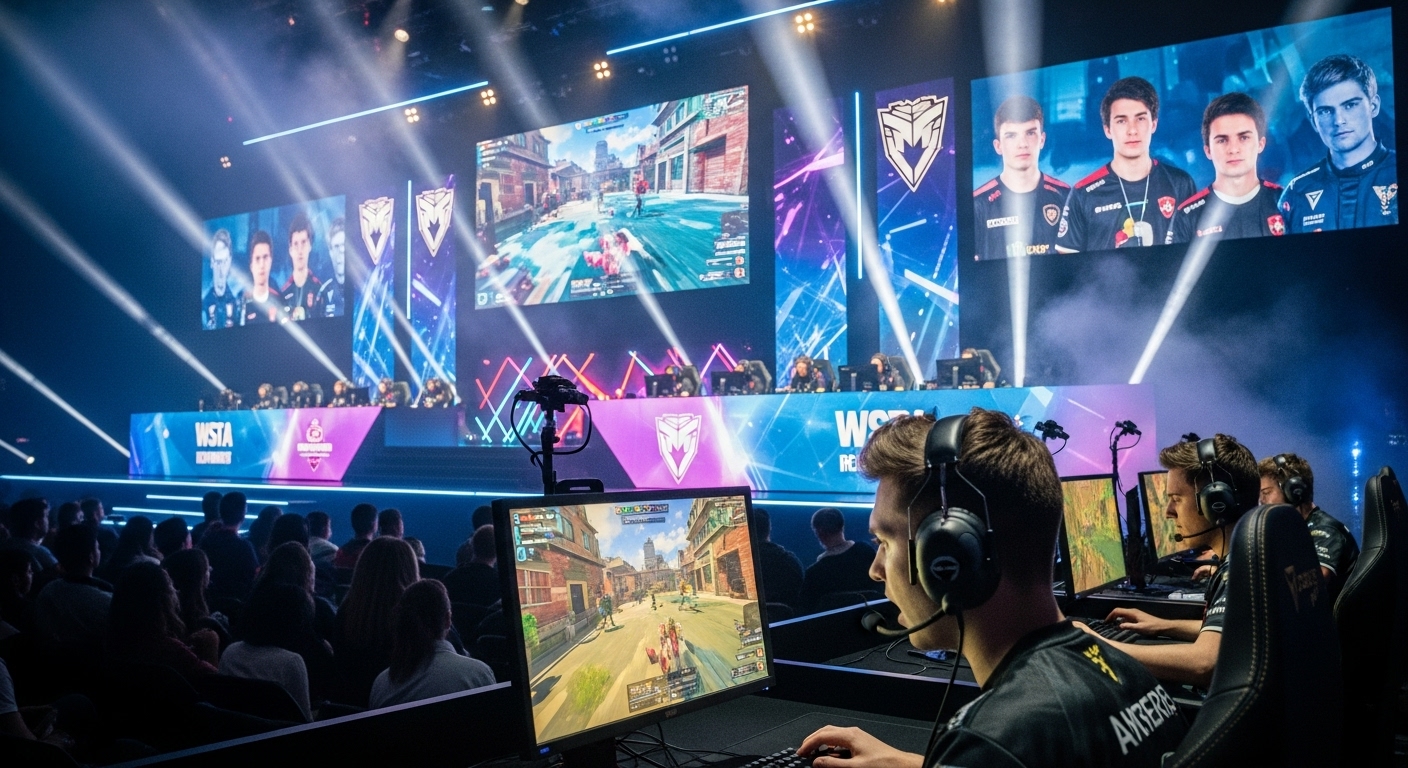






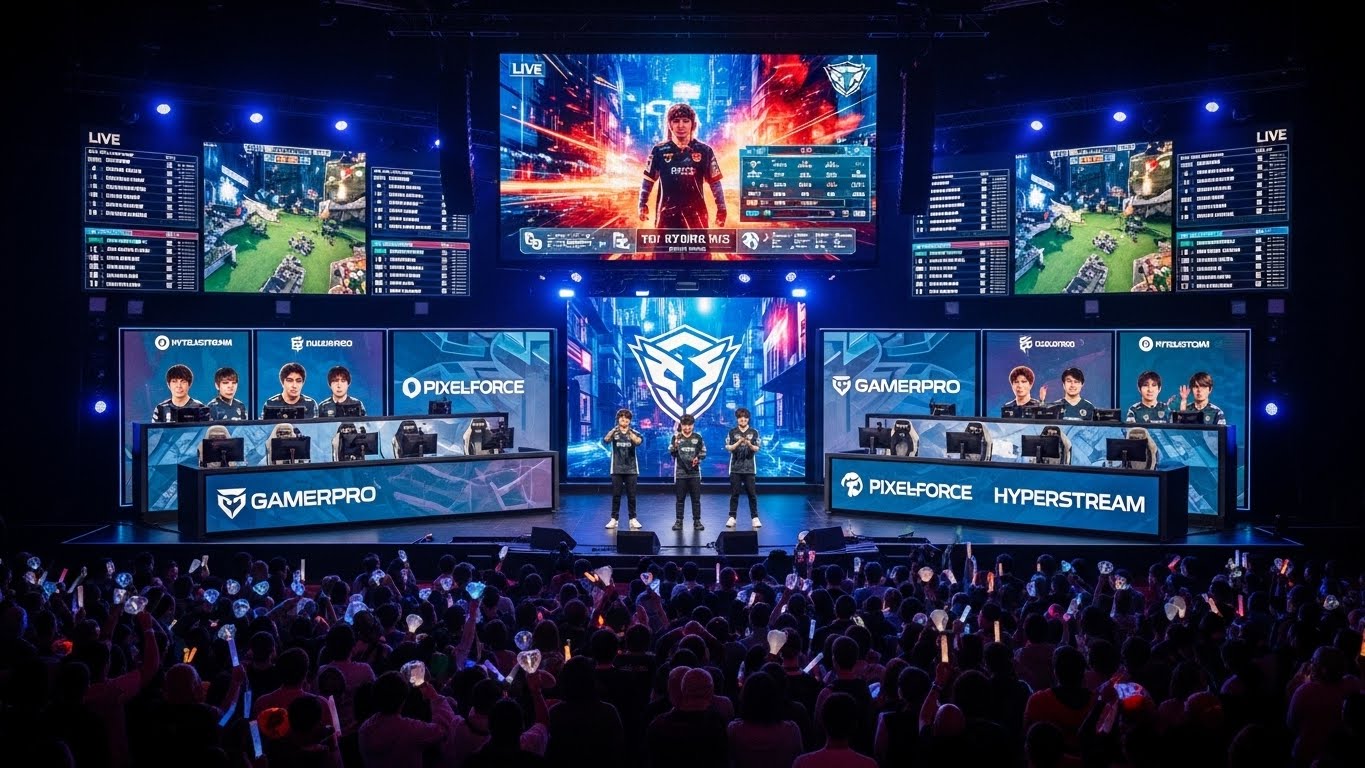
Esports, short for electronic sports, has transformed from a niche hobby into a global phenomenon over the past two decades. What started as casual video game competitions among friends has evolved into a multi-billion-dollar industry with professional players, global tournaments, and millions of fans worldwide. Esports is no longer just entertainment; it is a cultural, economic, and technological force redefining competition in the modern era. This blog explores the rise of esports, its impact on society, its economic influence, and the future potential of this rapidly growing field.
The Origins and Evolution of Esports
The roots of esports can be traced back to the 1970s and 1980s when arcade games like Space Invaders and Pac-Man became popular. Early competitions were informal and often held in local arcades or college campuses. The 1990s marked a significant turning point with the introduction of multiplayer games such as StarCraft and Counter-Strike. These games enabled players to compete online, paving the way for organized tournaments.
South Korea played a crucial role in professionalizing esports during the late 1990s and early 2000s. The country introduced televised gaming tournaments, gaming leagues, and government-supported programs that elevated esports from a pastime to a respected profession. The 2000s saw further growth with the rise of streaming platforms and high-speed internet, allowing international audiences to watch tournaments live. Games like League of Legends, Dota 2, and Overwatch became global sensations, turning esports players into celebrities and drawing audiences comparable to traditional sports events.
The Structure of Esports Competitions
Esports competitions are highly structured, resembling traditional sports leagues. Players specialize in specific games or genres, including first-person shooters, multiplayer online battle arenas, fighting games, and sports simulations. Professional teams operate like sports franchises, employing coaches, analysts, and support staff to enhance player performance.
Tournaments vary in scale from local competitions to international events with prize pools in the millions. Major tournaments, such as the League of Legends World Championship or The International for Dota 2, attract global audiences both online and in stadiums. These events not only showcase player skill but also highlight the organizational complexity and professionalization of the esports industry.
Career Opportunities in Esports
Esports is no longer just a hobby—it has become a viable career path for many. Professional players earn salaries, sponsorships, and tournament winnings. Teams often provide training facilities, housing, and mentorship to optimize performance. Beyond players, the esports ecosystem includes commentators, analysts, content creators, event organizers, and marketing professionals.
Despite the opportunities, pursuing esports as a career is challenging. High-pressure environments, intense training schedules, and public scrutiny can lead to mental and physical stress. Many professional players have relatively short careers, often retiring in their mid-twenties. Nevertheless, esports offers a unique chance to turn passion into profession, challenging traditional ideas of career and success.
Technology and Its Role in Esports
Technology is at the heart of esports’ growth. Advanced hardware, high-speed internet, and analytics software allow players to compete at an elite level. Streaming platforms enable fans to watch live tournaments, interact with players, and engage with communities worldwide.
Data analytics has transformed training methods. Teams track player movements, reaction times, and strategic decisions to enhance performance. Emerging technologies like virtual reality and augmented reality promise to revolutionize the gaming experience, making competitions more immersive and interactive. Technology not only drives esports but also continually shapes its evolution and accessibility.
Building Communities Through Esports
One of esports’ most significant impacts is the creation of global communities. Unlike traditional sports, esports transcends geographic and cultural boundaries. Fans from different countries support the same teams, discuss strategies, and compete online. Live streaming, forums, and social media platforms foster interactive engagement, creating a sense of shared identity among players and spectators.
Esports communities are also inclusive. Many groups focus on supporting women gamers, players with disabilities, and underrepresented groups. The digital nature of esports ensures accessibility, allowing individuals to participate regardless of physical location or limitations. These communities promote collaboration, learning, and social connection on an unprecedented scale.
Cognitive and Mental Benefits of Competitive Gaming
While esports is often criticized for sedentary behavior, it offers significant cognitive and mental benefits. Competitive gaming enhances problem-solving skills, strategic thinking, multitasking abilities, and hand-eye coordination. Elite players exhibit sharp memory, attention to detail, and decision-making under pressure.
Participating in esports also fosters resilience and emotional growth. Players learn to cope with losses, setbacks, and the pressure of high-stakes competition. Online communities provide social support, mentorship, and opportunities for collaboration, demonstrating that esports can nurture personal development beyond the screen.
Economic Influence of Esports
Esports has become an economic powerhouse. Revenue comes from sponsorships, advertising, merchandise, broadcasting rights, and tournament prize pools. Brands recognize esports as an effective way to reach younger, tech-savvy audiences, leading to major sponsorship deals and marketing campaigns.
Hosting international esports tournaments benefits cities and countries economically. These events attract tourism, create employment opportunities, and boost global visibility. The economic impact of esports rivals that of some traditional sports, solidifying its legitimacy as a mainstream industry and highlighting its potential for continued growth.
Challenges Facing the Esports Industry
Despite its growth, esports faces several challenges. Player burnout, mental health concerns, and intense performance pressure are common. Unlike traditional sports, esports has limited regulatory oversight, leading to issues like cheating, match-fixing, and unethical behavior.
Monetization is another challenge. Over-commercialization can alienate fans, while unequal distribution of resources may limit opportunities for smaller teams or emerging players. Addressing these issues is crucial to maintain the integrity, inclusivity, and sustainability of esports as it continues to evolve.
Esports in Education
Esports has increasingly entered educational institutions. Universities and high schools offer esports scholarships, organized teams, and professional coaching. Participation in esports teaches teamwork, leadership, digital literacy, and strategic thinking. Academic research is also exploring esports’ psychological, social, and technological dimensions, bridging gaming with educational and professional development.
High school esports programs encourage younger players to develop discipline, communication skills, and goal-setting abilities. By integrating esports into education, institutions recognize its relevance and the potential for gaming to provide valuable life and career skills.
The Globalization of Esports
Esports has rapidly become a global phenomenon. Players compete across continents, and fans follow teams from anywhere in the world. This globalization fosters cross-cultural exchange, exposes audiences to diverse gaming styles, and promotes understanding and collaboration.
International tournaments also act as diplomatic and cultural bridges. Countries can celebrate their unique gaming cultures while participating in a shared global community. Esports demonstrates the power of digital competition to unite people across borders, creating a new form of global connectivity.
The Future of Esports
The future of esports is full of promise. Emerging technologies such as virtual reality, cloud gaming, and artificial intelligence are expected to redefine the landscape. Increasing social awareness will lead to greater focus on mental health, inclusivity, and ethical governance.
Esports is likely to continue growing in both economic and cultural significance. As it gains mainstream acceptance, it will further redefine ideas about competition, teamwork, and entertainment. Digital sports are no longer a passing trend—they are a permanent fixture in the landscape of global competition.
Conclusion
Esports has evolved from casual gaming to a sophisticated, multi-billion-dollar industry. It offers career opportunities, cognitive benefits, and a platform for community and global connection. Technology, globalization, and cultural relevance have transformed esports into a powerful force that rivals traditional sports in both reach and impact.
While challenges like mental health, ethical regulation, and commercialization persist, the growth and innovation in esports indicate a bright future. Beyond entertainment, esports represents a cultural shift, demonstrating the potential of digital competition to inspire, educate, and unite people around the world.
Esports is more than a game—it is a movement, a career, and a global community. It proves that the digital arena can cultivate skill, passion, and connection, redefining the meaning of competition for the modern era.