





Introduction: The Emergence of Esports as a Global Phenomenon
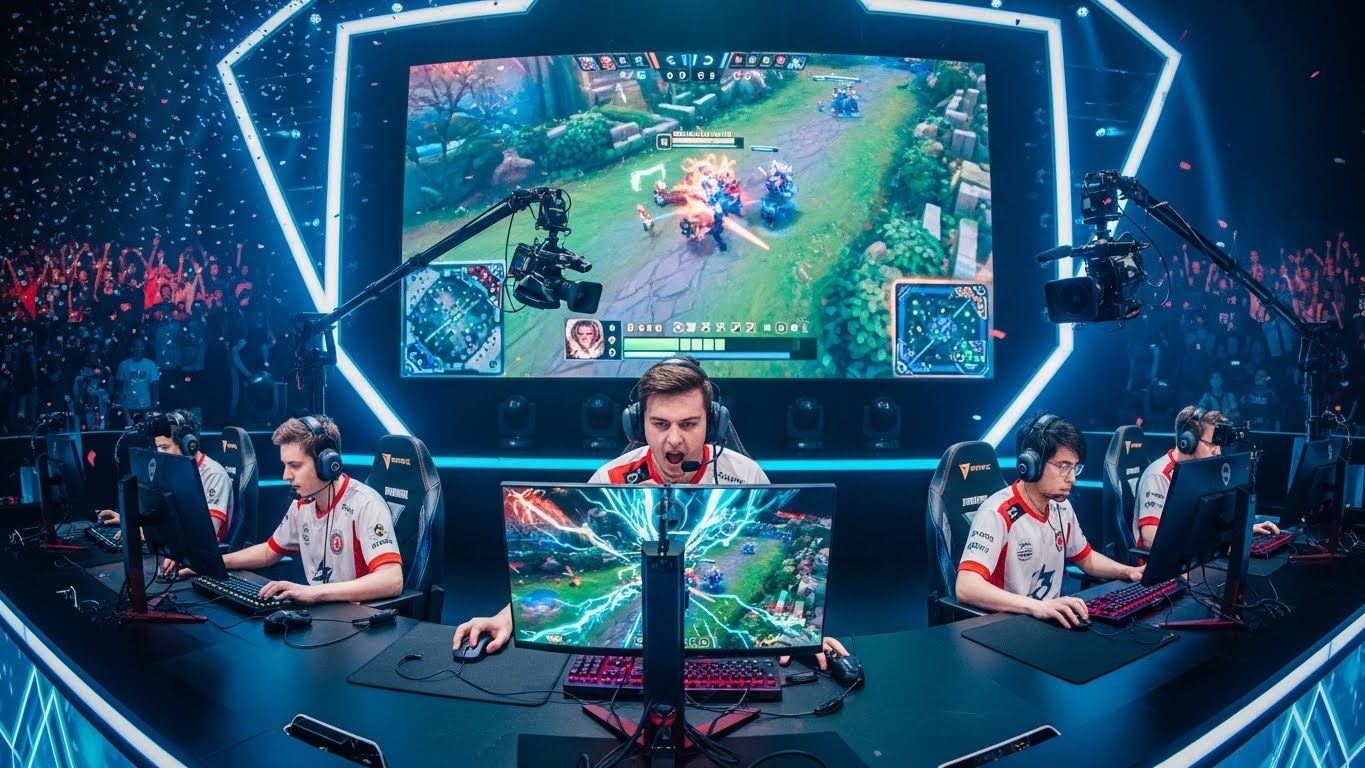
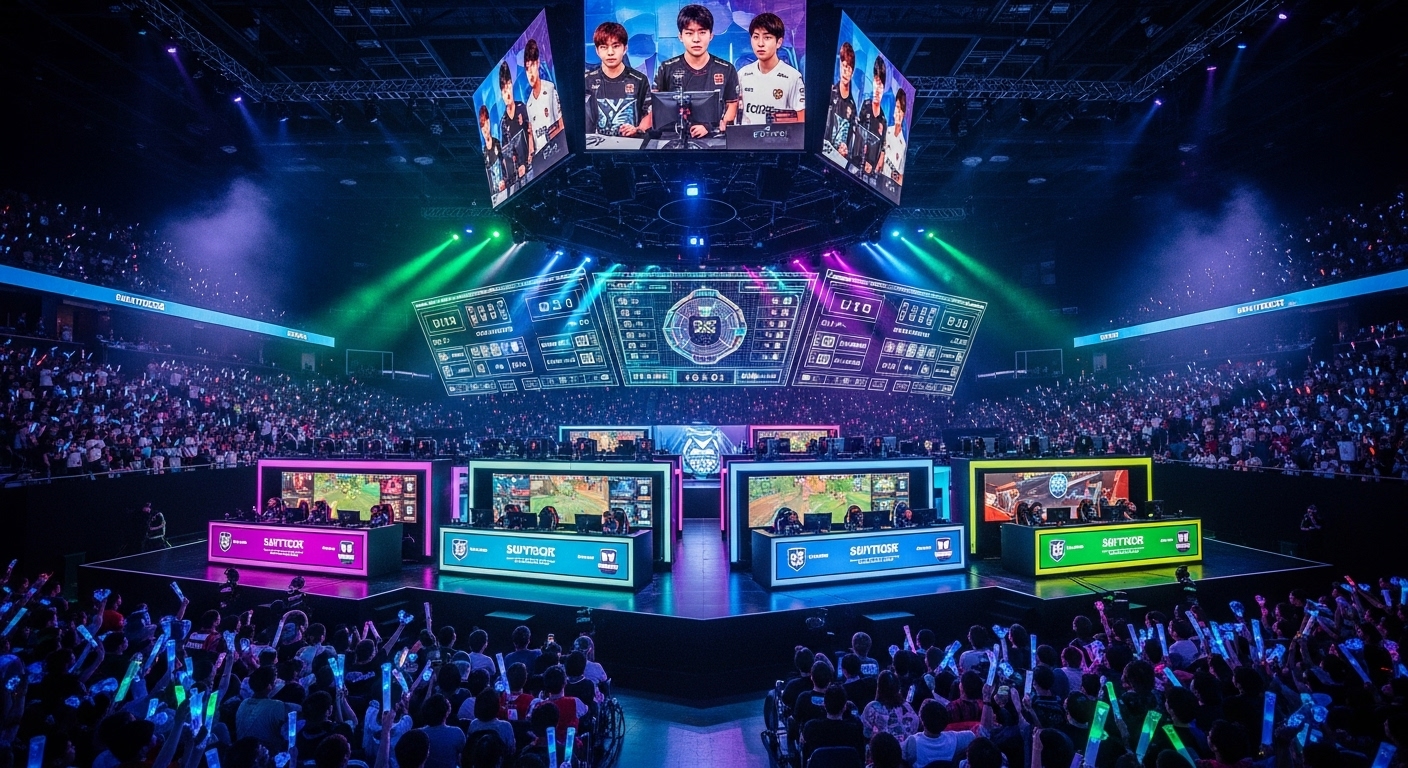
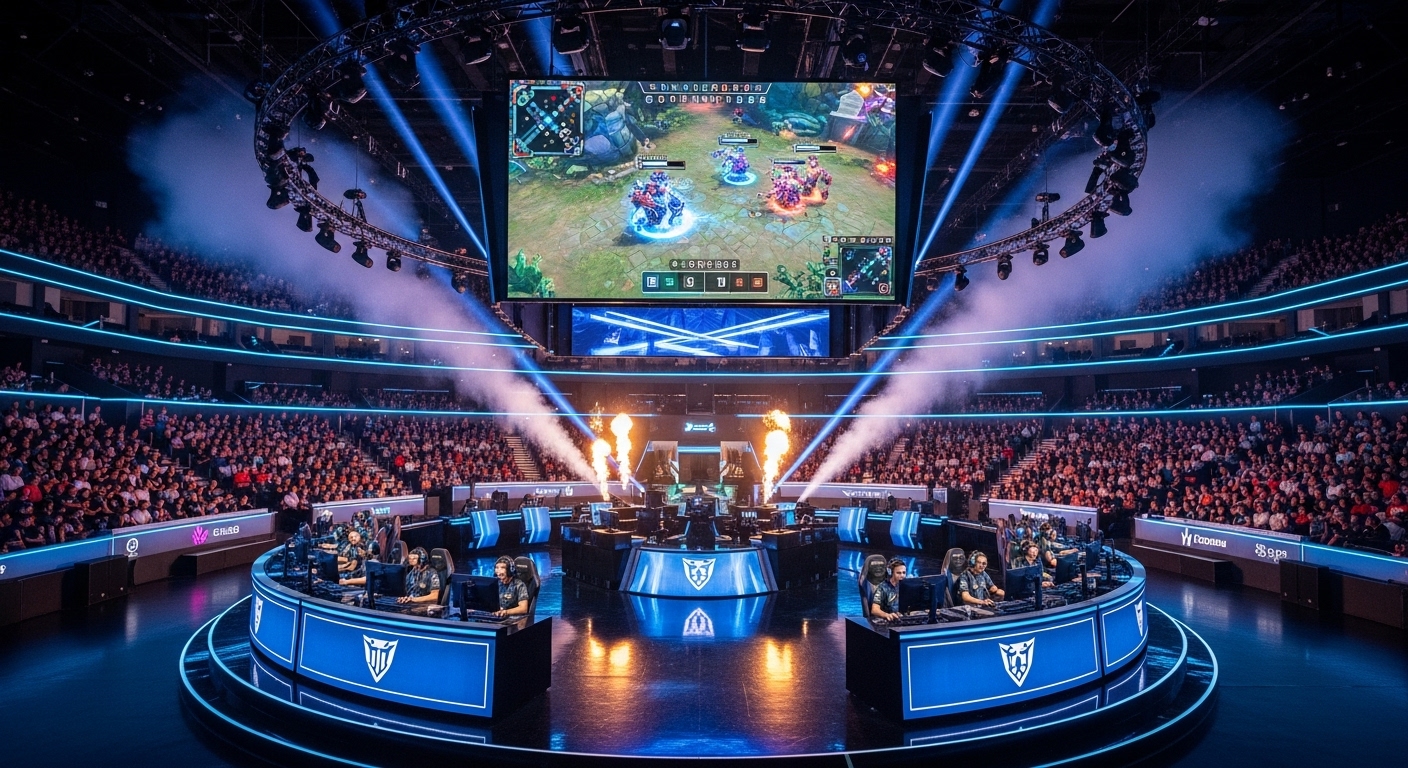
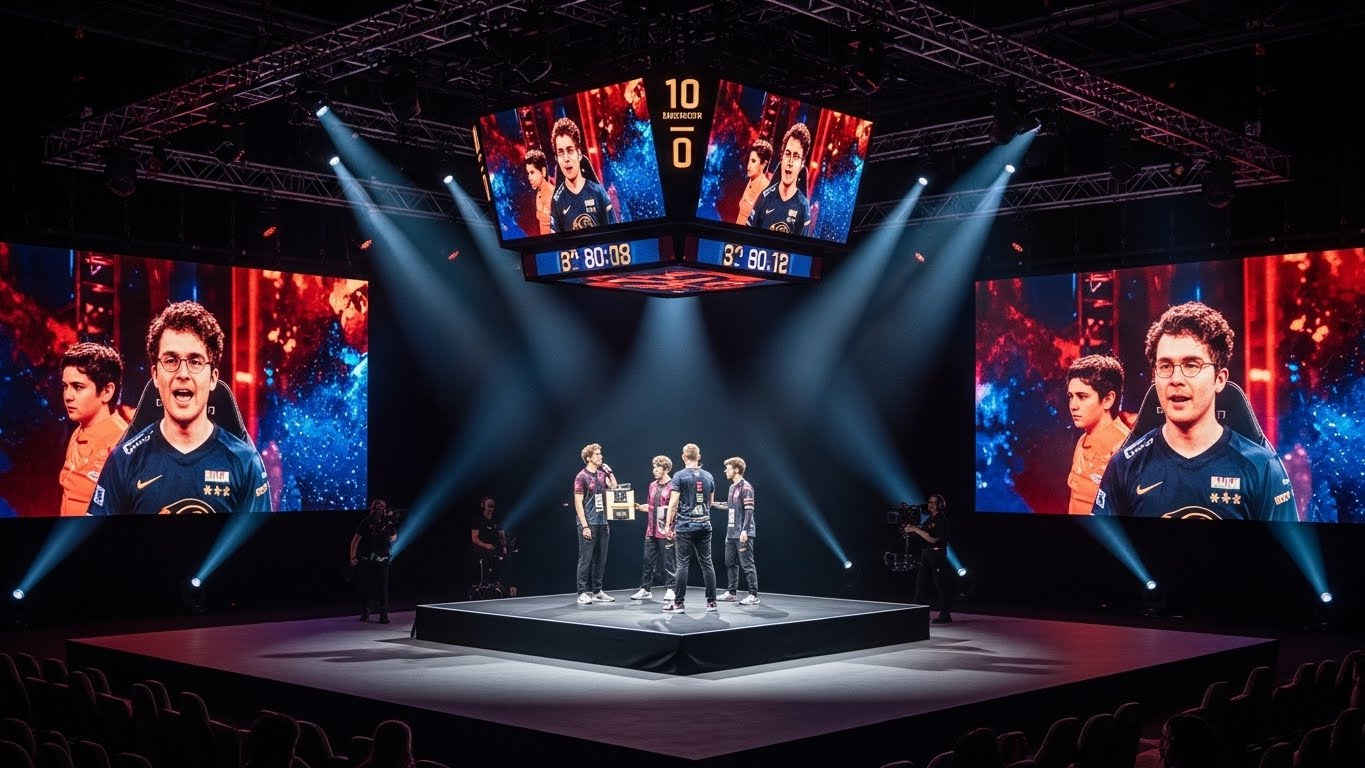
Over the last two decades, gaming has evolved from a casual pastime to a highly competitive global phenomenon. What was once considered a hobby for a select group of enthusiasts is now a professional industry attracting millions of viewers and generating billions in revenue. This transformation is driven by esports, a sector where professional players compete in video games at the highest level. Beyond just entertainment, esports has developed into a complex ecosystem of players, teams, sponsors, event organizers, and fans, making it one of the most influential sectors in modern entertainment.
The Origins of Competitive Gaming
Competitive gaming traces its roots back to the 1970s and 1980s when arcade competitions became popular. Players competed for high scores in games such as Pac-Man and Space Invaders. These early contests set the stage for competitive gaming by establishing a culture of skill-based achievement.
The 1990s marked a significant turning point with the rise of personal computers and networked gaming. Titles like Doom and Quake allowed multiplayer competitions over local networks, creating the first online gaming communities. Around the same time, South Korea began to pioneer professional gaming, particularly with StarCraft, turning competitive gaming into a career path and cultural staple.
The Growth of Esports in the 21st Century
The 2000s and 2010s brought explosive growth in esports, largely fueled by the rise of streaming platforms. Websites dedicated to live streaming competitive gameplay allowed fans to watch professional matches from anywhere in the world, dramatically increasing the reach and influence of esports.
Games such as League of Legends, Dota 2, Call of Duty, and Fortnite have become global sensations. Major tournaments now offer multi-million-dollar prize pools, rivaling traditional sports events. For example, the Dota 2 International consistently offers a prize pool exceeding thirty million dollars, demonstrating how esports has grown into a financial powerhouse.
The Economics of Esports
Esports has developed into a multi-billion-dollar industry. Revenue streams include sponsorships, advertising, merchandise, media rights, and ticket sales. Corporations recognize the potential of esports to reach young, tech-savvy audiences, leading to significant sponsorship deals for teams and players. These deals often rival those seen in traditional sports, providing players with stable income and career opportunities.
In addition to sponsorships, the rise of esports betting and fantasy leagues has contributed to economic growth. Although these markets face regulatory challenges, they indicate the sector’s potential for diversification. Large-scale tournaments also generate revenue from live events, merchandise, and in-person fan experiences, making esports an integrated economic ecosystem.
Cultural Impact and Fan Engagement
Esports is reshaping cultural perceptions of gaming. It has transformed from a hobby into a spectator sport, with fans passionately following teams and players. Communities form around specific games, creating a sense of belonging among fans. Streaming platforms facilitate real-time engagement, allowing fans to interact with players and fellow enthusiasts, enhancing the overall experience.
Esports has also broken into mainstream media. Professional players appear in interviews, documentaries, and even television programs, gaining celebrity status. This integration highlights how esports has transcended traditional gaming boundaries and entered popular culture.
Professionalism in Esports: Training and Strategy
Professional esports players are highly trained athletes. Unlike casual gamers, they dedicate hours each day to practice, strategy, teamwork, and physical conditioning. The modern esports player requires not only quick reflexes and hand-eye coordination but also strong analytical skills, communication, and the ability to perform under pressure.
Training facilities and esports academies have emerged globally, nurturing young talent and creating pathways for professional careers. Countries like South Korea, the United States, and China lead in professional infrastructure, offering structured training programs and competitive leagues for aspiring players.
Diversity and Inclusion in Esports
Esports offers opportunities for greater inclusivity compared to traditional sports. Success in gaming is determined by skill rather than physical attributes, making the industry more accessible across genders, physical abilities, and backgrounds. Although gender representation remains a challenge, initiatives are underway to ensure equitable opportunities for all players.
Esports also fosters international collaboration. Players from different countries compete against one another in global tournaments, promoting cultural exchange and understanding. This global connectivity emphasizes the universality of gaming as a shared language across cultures.
Challenges in the Esports Industry
Despite its rapid growth, esports faces significant challenges. Player burnout is a critical concern due to the intense practice schedules and mental strain of competition. High-performance expectations can lead to stress, anxiety, and other mental health issues. Teams are increasingly implementing wellness programs to address these concerns, but sustainability remains a challenge.
Regulatory issues also pose hurdles. Gambling, sponsorship transparency, and labor rights for players are areas where clear standards are still developing. Additionally, the proliferation of games and tournaments risks audience oversaturation, making it essential for organizers to prioritize quality experiences over quantity.
Technological Innovations Shaping Esports
The future of esports will be heavily influenced by technological advancements. Virtual reality and augmented reality gaming are expected to create more immersive experiences for both players and spectators. Artificial intelligence may enhance training methods, strategy analysis, and broadcasting, making competitions more engaging and competitive.
Education is another area of growth. Universities and colleges now offer esports programs with scholarships, coaching, and research opportunities. This legitimizes competitive gaming as a career path and highlights its educational and developmental value.
Global Expansion and the Future of Esports
Esports continues to expand globally, with emerging markets in Africa, South America, and Southeast Asia contributing new talent and audiences. This international growth strengthens the industry and introduces fresh perspectives, innovation, and investment opportunities.
The ongoing integration of esports into mainstream entertainment, education, and technology suggests a bright future. As esports matures, collaboration between industry stakeholders, regulators, and communities will be essential to ensure ethical practices, sustainable growth, and continuous innovation.
Conclusion: Esports as a Transformative Force
Esports has grown far beyond its origins as a casual pastime. It is now a professional, cultural, and economic force shaping the future of entertainment. From arcade competitions to global tournaments with multi-million-dollar prizes, esports demonstrates the transformative power of technology and digital culture.
The rise of esports challenges traditional ideas of competition, skill, and fandom, offering a unique space where digital talent and strategy intersect with entertainment and community. As it continues to evolve, esports promises innovation, inclusivity, and a global platform for both players and fans. Its influence on the entertainment industry is undeniable, and it is clear that competitive gaming is here to stay.
Esports is more than just a game. It is a revolution in how we compete, connect, and consume entertainment in the digital age.