





Introduction: The Rise of Esports
In the last decade, competitive gaming has evolved from a niche hobby to a global phenomenon. Known as esports, or electronic sports, this industry has transformed how people perceive video games. What was once considered merely a pastime is now a highly organized form of competition with professional players, massive tournaments, and lucrative sponsorships. Esports is no longer confined to bedroom gaming setups or small gatherings; it now fills stadiums, streams to millions online, and garners attention from mainstream media.
The growth of esports reflects broader societal changes in technology, culture, and entertainment. With advancements in high-speed internet, powerful gaming hardware, and streaming platforms, competitive gaming has become more accessible and widely appreciated. As esports continues to expand, it is reshaping traditional ideas of sportsmanship, entertainment, and career opportunities.
The Evolution of Competitive Gaming
Esports did not appear overnight. Its roots trace back to the 1970s and 1980s, when arcade games and early computer games started gaining competitive communities. Events like the 1980 Space Invaders Championship in the United States laid the groundwork for organized gaming competitions. Throughout the 1990s, games such as StarCraft, Quake, and Counter-Strike cultivated early competitive scenes, attracting dedicated players and forming fan communities.
The 2000s brought a more professional approach to esports, as tournaments became more structured and international. South Korea emerged as a major hub, particularly for StarCraft, establishing esports as a career path. Internet cafes and television broadcasts of tournaments helped normalize competitive gaming and inspired other regions to invest in the esports ecosystem. Today, the industry spans multiple genres, from first-person shooters and real-time strategy games to sports simulations and battle royale titles.
Popular Esports Genres and Games
Esports is not limited to one type of game; it encompasses a variety of genres, each with its unique competitive structure and fan base. Multiplayer online battle arena (MOBA) games such as League of Legends and Dota 2 emphasize team strategy and coordination, attracting millions of players worldwide. First-person shooters like Counter-Strike: Global Offensive and Call of Duty focus on precision, reflexes, and tactical gameplay. Fighting games, including Street Fighter and Super Smash Bros., emphasize individual skill and split-second decision-making.
Another significant category is battle royale games like Fortnite and PUBG, which blend survival elements with competitive strategy. Sports simulation games, including FIFA and NBA 2K, allow players to virtually compete in realistic renditions of real-world sports. Each genre offers a different type of engagement for players and viewers, contributing to esports’ diverse and growing popularity.
Esports Tournaments: The Modern Arenas
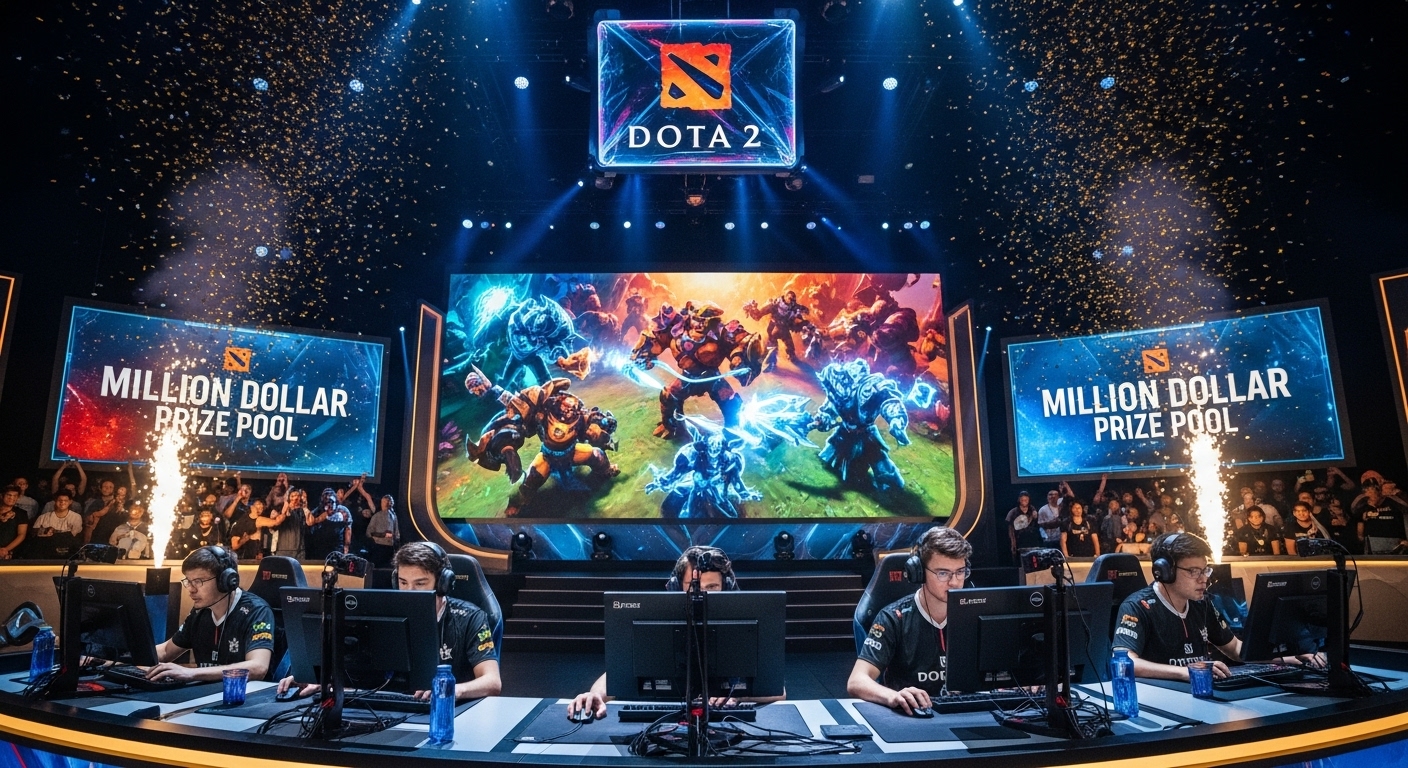
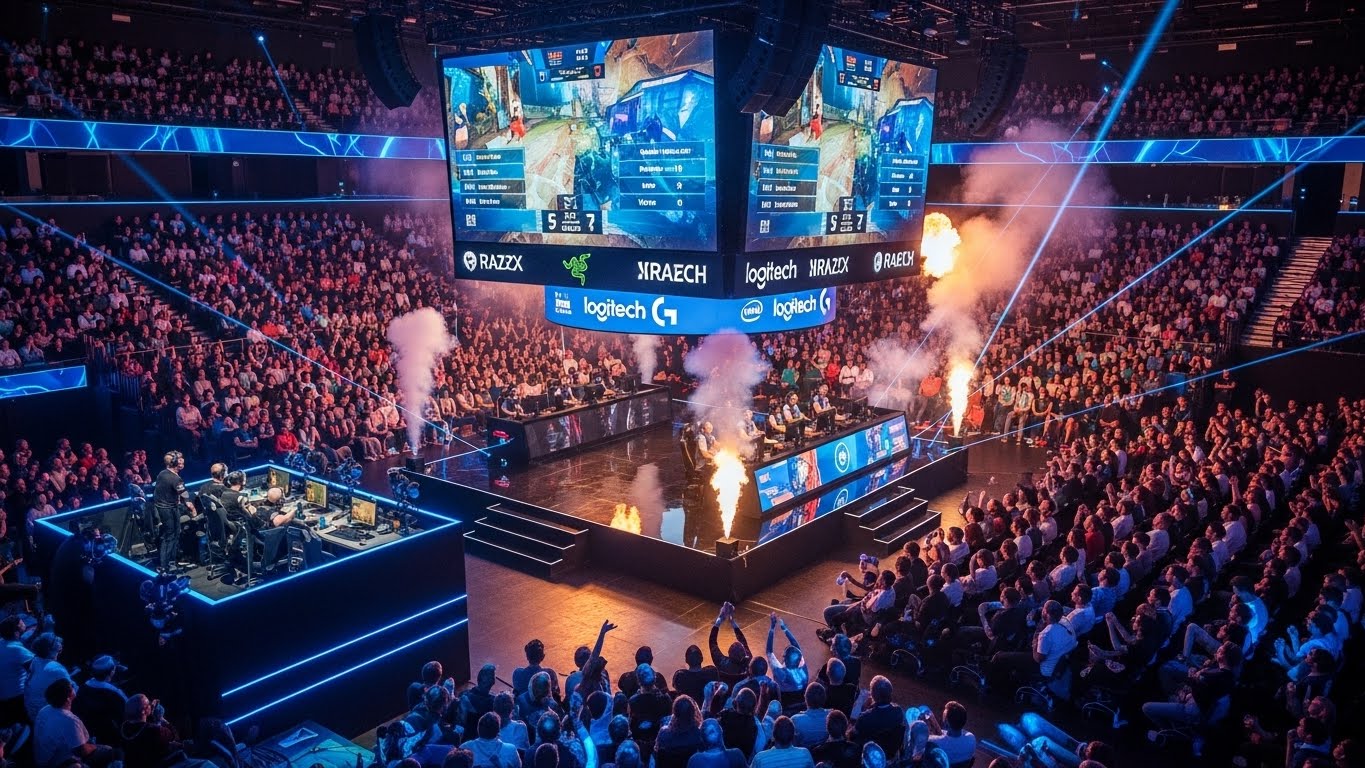
One of the most exciting aspects of esports is its tournaments. These competitions resemble traditional sports leagues in terms of organization, fan engagement, and prize money. Major tournaments like The International for Dota 2, the League of Legends World Championship, and the Fortnite World Cup have turned gaming into a spectacle watched by millions globally. Prize pools for these events often reach millions of dollars, attracting the best players from around the world.
Esports tournaments are not just about winning; they also serve as cultural events. Fans watch live streams, participate in discussions, and follow their favorite players and teams with the same passion seen in traditional sports. The production quality of these events rivals professional sports broadcasts, featuring commentators, analysts, and elaborate stage designs. Esports has truly created its own entertainment ecosystem.
The Role of Streaming and Content Creation
The rise of streaming platforms has been instrumental in esports’ growth. Services like Twitch, YouTube Gaming, and other regional platforms allow players to broadcast their gameplay to a global audience. Streaming has made competitive gaming more accessible and created new revenue streams for players through subscriptions, donations, and sponsorship deals. Popular esports personalities can attract millions of followers, establishing themselves as influential figures in gaming culture.
Content creation also complements competitive play. Many professional gamers share tutorials, behind-the-scenes content, and personal experiences, creating deeper connections with their audiences. Streaming and content creation are not just marketing tools; they are integral to esports’ ecosystem, driving engagement, community building, and long-term industry sustainability.
The Business Side of Esports
Esports has grown into a multi-billion-dollar industry with a complex business structure. Teams and organizations function similarly to professional sports clubs, with sponsorship deals, merchandise, and branding opportunities. Major brands across technology, apparel, and consumer goods are investing heavily in esports, recognizing its influence on younger demographics. Media rights, advertising, and event ticket sales also contribute significantly to revenue generation.
Players themselves are increasingly seen as professional athletes, often signing multi-year contracts with organizations and receiving salaries, bonuses, and benefits. This professionalization has elevated the standard of competition and allowed esports to attract talent worldwide. Investors and companies are now treating esports as a legitimate and profitable business venture rather than a passing trend.
The Global Impact of Esports
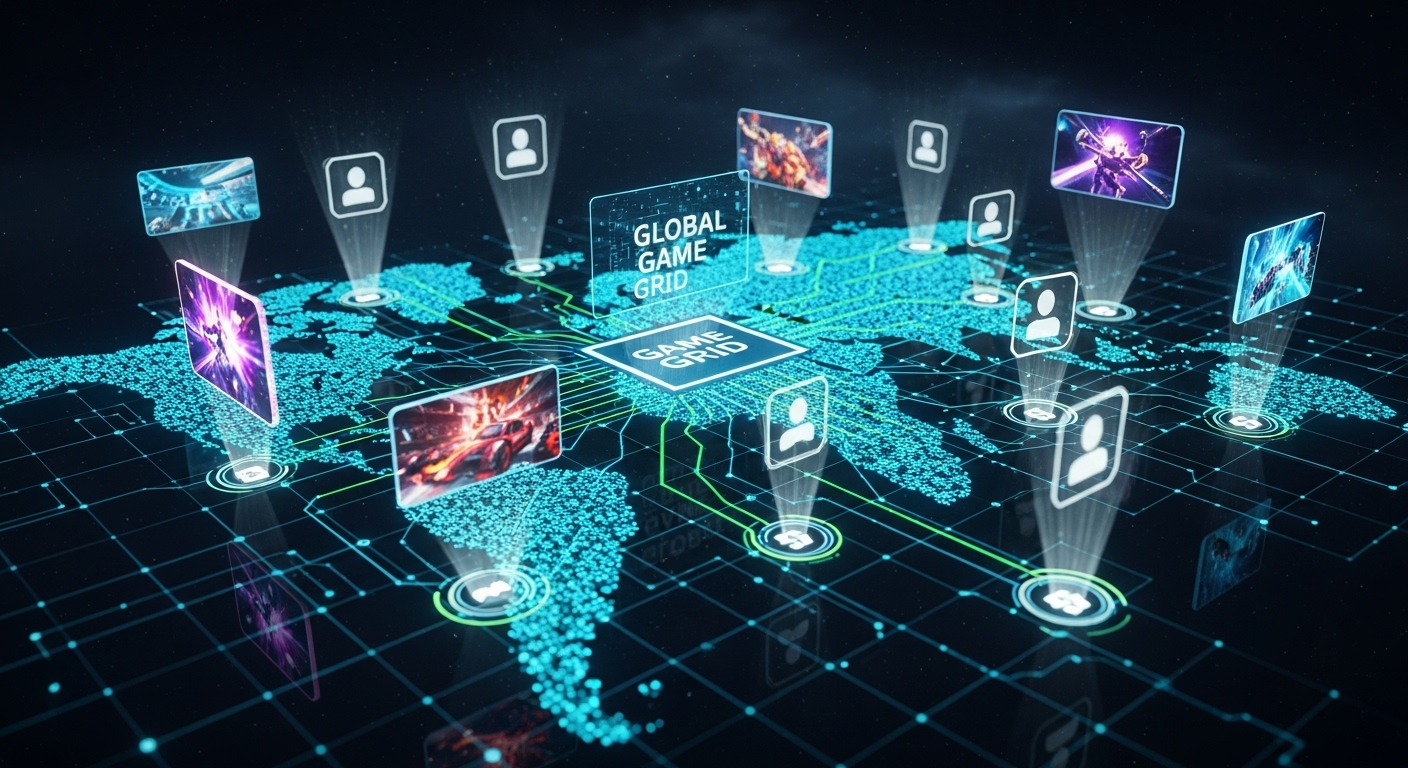
Esports has transcended geographical boundaries, creating a truly global community. Players from different continents can compete in the same tournaments, and fans from around the world can watch live events online. Countries like South Korea, China, the United States, and several European nations have become esports hubs, supporting professional leagues, academies, and dedicated infrastructure.
Beyond entertainment, esports has cultural and educational impacts. Schools and universities now offer esports programs, providing students with opportunities to develop strategic thinking, teamwork, and digital literacy. Esports also promotes diversity and inclusion, with players from varied backgrounds participating on the same competitive stage. The industry’s global reach fosters international collaboration and cultural exchange in ways traditional sports sometimes cannot.
Challenges Facing the Esports Industry
Despite its rapid growth, esports faces several challenges. One significant concern is player health and burnout. Professional gamers often train intensely for long hours, leading to physical strain, mental fatigue, and social isolation. Organizations are beginning to implement wellness programs and coaching support to mitigate these risks, but the issue remains critical.
Another challenge is regulatory and ethical considerations. Cheating, match-fixing, and doping have been reported in various esports competitions, prompting the need for stricter rules and oversight. Intellectual property issues also arise when game developers control tournaments, teams, and broadcasting rights. Ensuring fair play and ethical standards is essential for sustaining esports’ credibility and long-term growth.
The Future of Esports
The future of esports looks promising, with continued innovation and expansion on the horizon. Virtual reality and augmented reality technologies could create new competitive formats, offering immersive experiences for both players and spectators. Mobile esports is rapidly growing, especially in regions where mobile gaming is more accessible than PC or console gaming. Integration with mainstream media, education, and traditional sports organizations is likely to continue, further blurring the lines between gaming and conventional entertainment.
Esports may also influence societal perceptions of competition and teamwork. As younger generations grow up with digital platforms, esports could become as respected and widely followed as traditional sports. Career paths in esports will likely diversify, encompassing roles in coaching, event management, content creation, and technology development.
Conclusion: Esports as a Cultural Phenomenon
Esports has transformed from a niche pastime into a global cultural phenomenon. Its rise reflects technological innovation, changing entertainment preferences, and the power of digital communities. Professional players, tournaments, and streaming platforms have established a complex ecosystem that rivals traditional sports in both scale and influence. While challenges like player health, regulation, and sustainability remain, the industry’s trajectory indicates continued growth and mainstream acceptance.
Ultimately, esports is more than just gaming—it is a symbol of modern competition, creativity, and connectivity. As the digital arena expands, it invites players, fans, and businesses to engage in a new kind of sporting revolution, one where skill, strategy, and digital mastery define success. The world of esports is here to stay, reshaping not only how we play games but also how we experience competition, entertainment, and global culture.