





Introduction: A New Era of Competitive Gaming
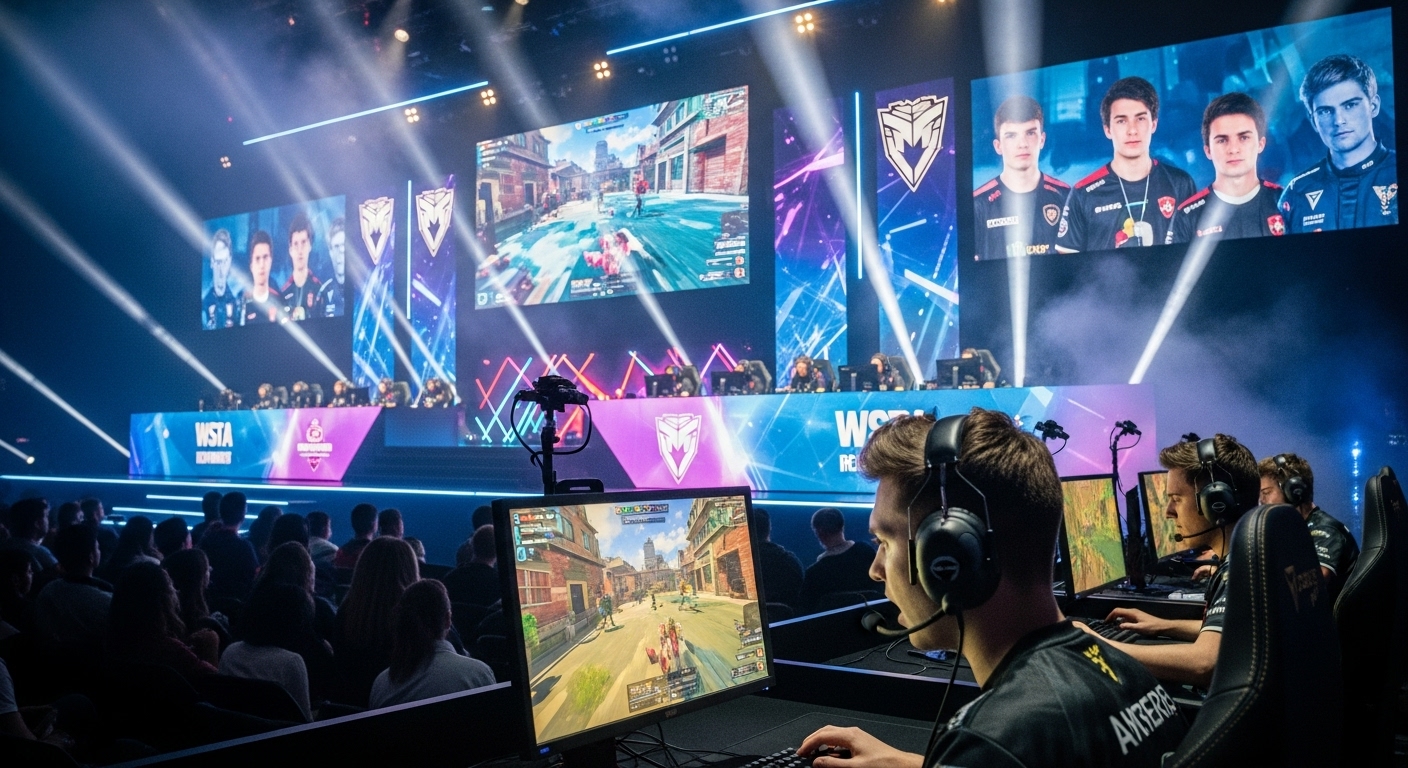
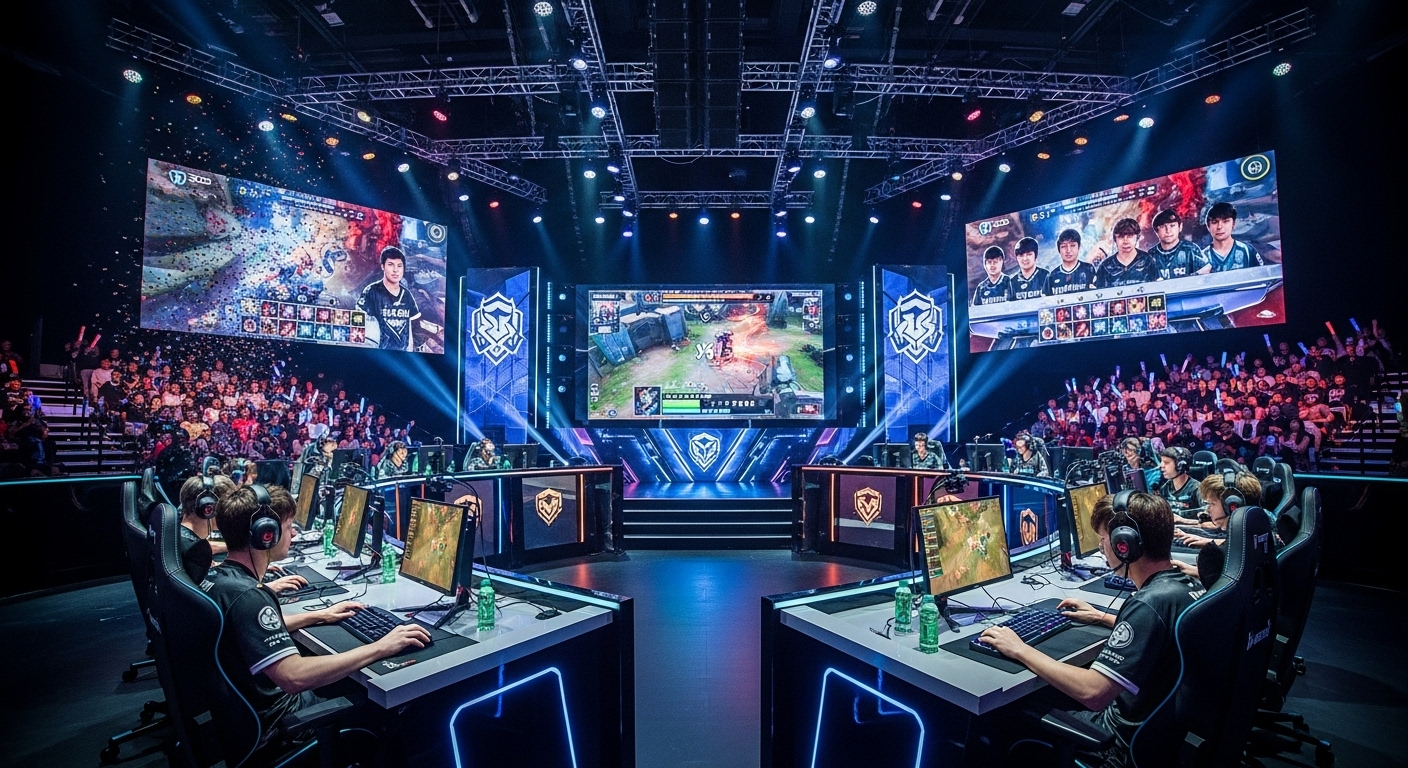
In the past decade, the world of competitive gaming has transformed dramatically. What was once considered a niche hobby for a small group of passionate gamers has now emerged as a global phenomenon known as esports. Esports, or electronic sports, refers to organized, competitive video gaming where professional players and teams compete in tournaments for recognition, sponsorships, and substantial prize money. With millions of fans tuning in to watch live streams and events worldwide, esports has evolved into a legitimate industry rivaling traditional sports in viewership and influence.
The Evolution of Esports
Esports has a rich history that traces back to the early days of video gaming. In the 1970s and 1980s, video game competitions began as small local events, often held in arcades or on college campuses. These tournaments were primarily informal gatherings where enthusiasts showcased their skills in games like Pong or Space Invaders. The 1990s saw the emergence of online multiplayer games, such as Quake and StarCraft, which allowed competitive gaming to reach a broader audience.
The 2000s marked a turning point, with the rise of professional esports leagues and international tournaments. South Korea became a pioneer, particularly with StarCraft: Brood War, where professional players became national celebrities. This period laid the foundation for esports as a professional career path and established the concept of organized leagues with consistent schedules and dedicated fanbases.
Today, esports has grown into a multi-billion-dollar industry with global tournaments, such as the League of Legends World Championship, Dota 2’s The International, and Call of Duty League events. These competitions are broadcasted to millions of viewers worldwide, often featuring high production values comparable to traditional sports broadcasts.
Popular Esports Genres
Esports encompasses a variety of game genres, each with its unique competitive scene and fanbase.
Multiplayer Online Battle Arenas (MOBAs)
MOBAs are among the most popular esports genres. Games like League of Legends and Dota 2 involve two teams competing to destroy the opponent’s base while defending their own. MOBAs require teamwork, strategy, and quick decision-making, which makes them highly engaging for both players and spectators.
First-Person Shooters (FPS)
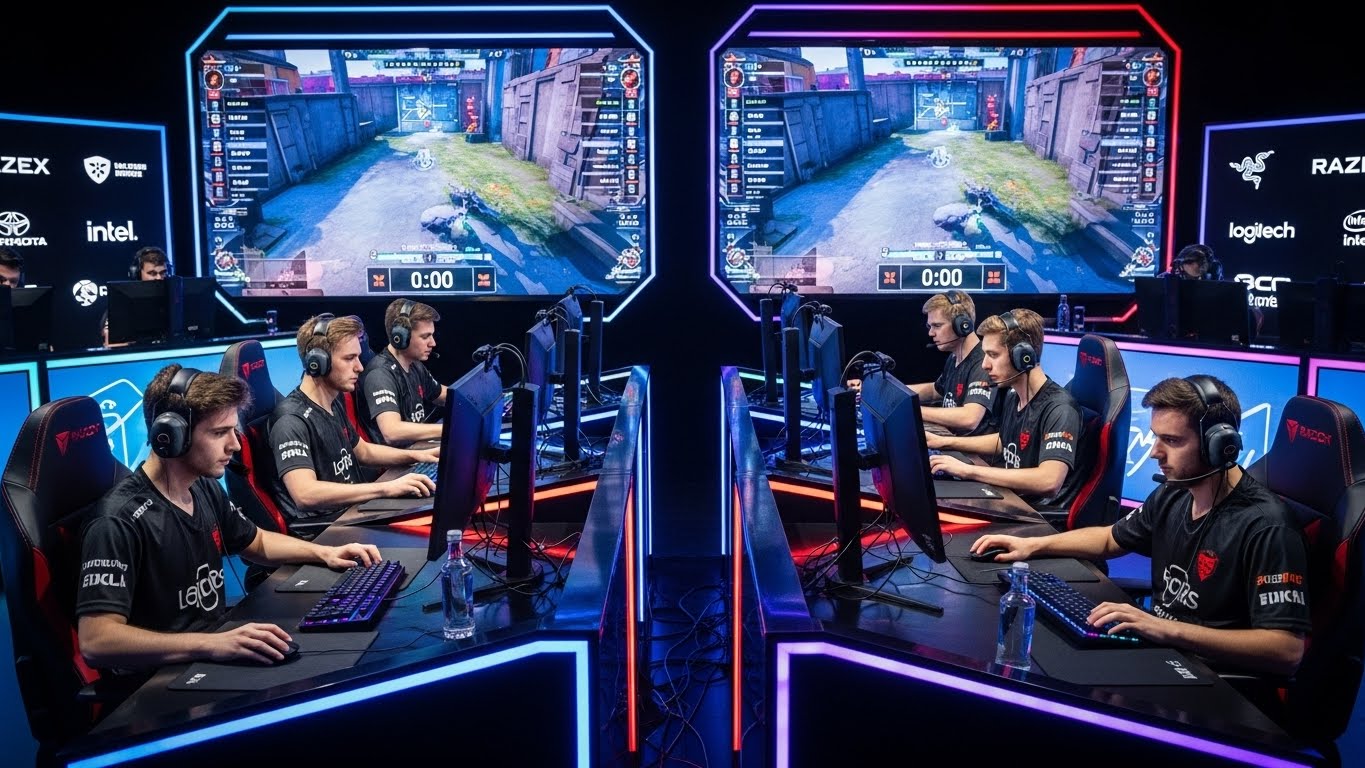
FPS games like Counter-Strike: Global Offensive, Overwatch, and Valorant focus on precision, reflexes, and tactical coordination. Teams compete to complete objectives while eliminating opponents, often in intense, fast-paced matches that captivate audiences with their speed and excitement.
Battle Royale
The battle royale genre gained prominence with games like Fortnite, Apex Legends, and PUBG. Players or teams compete to be the last one standing on a large map, combining survival skills, strategy, and adaptability. The unpredictable nature of these games makes them particularly thrilling for viewers.
Sports Simulation Games
Esports also includes virtual sports simulations such as FIFA, NBA 2K, and Madden NFL. These games attract fans who enjoy both real-life sports and the competitive gaming experience. Tournaments for sports simulations often mirror traditional sports leagues, with seasonal competitions and professional teams.
Fighting Games
Fighting games, including Street Fighter, Tekken, and Super Smash Bros., emphasize individual skill, timing, and mastery of character mechanics. Despite being niche compared to MOBAs or FPS games, fighting games maintain a dedicated and passionate esports community.
The Role of Streaming Platforms
One of the driving forces behind esports’ rapid growth is streaming technology. Platforms such as Twitch, YouTube Gaming, and others allow players to broadcast their gameplay to a global audience in real-time. Streaming has democratized esports, giving amateur players a chance to gain exposure while providing fans with direct access to their favorite competitors.
Streaming has also transformed fan engagement. Viewers can interact with streamers through chat, participate in online communities, and even influence gameplay through interactive features. This level of engagement has created a vibrant ecosystem where esports is not just a spectator sport but a participatory experience.
Career Opportunities in Esports
The esports industry offers a wide range of career opportunities beyond playing professionally. Players are often the most visible figures, but the ecosystem includes coaches, analysts, content creators, event organizers, marketers, and commentators.
Professional players dedicate countless hours to training, studying gameplay strategies, and maintaining peak performance, similar to traditional athletes. Successful esports players can earn substantial incomes through salaries, tournament winnings, and sponsorship deals. High-profile players often become influencers, leveraging their fame to secure endorsements or create personal brands.
Coaches and analysts play a crucial role in team success. They study opponents, develop strategies, and help players improve their skills. Event organizers and marketers ensure tournaments run smoothly and attract viewers and sponsors, contributing to the commercial growth of esports. Commentators, often referred to as casters, provide live commentary that enhances the viewing experience, adding excitement, context, and storytelling to matches.
The Global Impact of Esports
Esports has a significant cultural, economic, and social impact worldwide. Economically, it generates billions of dollars annually through sponsorships, merchandise sales, ticketed events, and media rights. Major brands, including technology companies, apparel brands, and beverage companies, have invested heavily in esports marketing, recognizing its potential to reach younger, tech-savvy audiences.
Culturally, esports has reshaped the perception of gaming. Once viewed as a solitary or recreational activity, competitive gaming is now celebrated as a legitimate form of entertainment and athleticism. In countries like South Korea, China, and the United States, esports players are recognized as celebrities, and esports events draw audiences comparable to major traditional sports.
Socially, esports fosters communities and connects people globally. Online tournaments and multiplayer games create spaces where individuals can collaborate, compete, and share experiences, transcending geographic boundaries. Esports also promotes inclusivity, offering opportunities for people of diverse backgrounds and abilities to participate and excel.
Challenges Facing the Esports Industry
Despite its meteoric rise, esports faces several challenges that could impact its sustainability. One major concern is the physical and mental well-being of players. Long hours of practice, intense competition, and high expectations can lead to burnout, stress, and health issues. Organizations are increasingly investing in wellness programs, but player health remains a critical challenge.
Another challenge is the lack of standardization and regulation. Unlike traditional sports, esports lacks universally recognized governing bodies, which can lead to inconsistencies in rules, tournament structures, and player contracts. This can create disputes and affect the legitimacy of competitions.
Monetization and sustainability are additional concerns. While top-tier tournaments generate significant revenue, smaller leagues and emerging players often struggle to secure financial stability. Ensuring fair compensation, sponsorship opportunities, and career longevity remains a priority for the industry.
Finally, societal perceptions and stereotypes continue to pose barriers. Some still view gaming as a frivolous activity, and esports players may face skepticism regarding the legitimacy of their profession. Education, media coverage, and continued success stories are gradually changing these perceptions.
The Future of Esports
The future of esports is bright, with opportunities for expansion and innovation. Emerging technologies, such as virtual reality, augmented reality, and artificial intelligence, could revolutionize gameplay, training, and audience interaction. Imagine esports tournaments where players compete in fully immersive virtual arenas or AI-driven coaching systems that provide real-time feedback.
Esports is also likely to see continued integration with traditional sports. Many professional sports organizations are investing in esports teams, recognizing its potential to engage younger audiences and expand their brand presence. Collegiate esports programs are growing, offering scholarships and academic pathways for talented players, further legitimizing esports as a career option.
As esports matures, it may also see greater regulatory oversight, standardized rules, and improved player welfare initiatives. These developments will help ensure that the industry remains sustainable, fair, and inclusive for future generations.
Conclusion: Esports as a Cultural Force
Esports has come a long way from its humble beginnings in arcades and small online communities. It has evolved into a global cultural force, reshaping entertainment, competition, and social interaction. With professional leagues, massive tournaments, and passionate fan communities, esports now stands on par with traditional sports in terms of influence and reach.
The journey of esports is far from over. As technology, culture, and business continue to evolve, esports will adapt and expand, offering new opportunities for players, fans, and investors alike. Its rise is a testament to the power of gaming as a form of skill, creativity, and human connection. The world of esports is not just the future of gaming—it is a reflection of how digital culture can unite, inspire, and entertain on a global scale.