





Esports has transformed from a niche hobby into a billion-dollar industry, attracting millions of fans worldwide and offering brands unique opportunities to connect with a highly engaged audience. With this growth, sponsorships have become a critical revenue stream for teams, tournaments, and players. However, the process of negotiating esports sponsorships is complex, requiring a blend of marketing insight, business acumen, and an understanding of esports culture.
This blog explores how esports sponsorships are negotiated, highlighting the strategies, stakeholders, and considerations that shape these deals.
Understanding Esports Sponsorship
Sponsorship in esports is a mutually beneficial relationship between a brand and an esports entity—whether it’s a team, player, league, or event. Brands provide financial or in-kind support in exchange for exposure to the esports audience. Sponsorships may include:
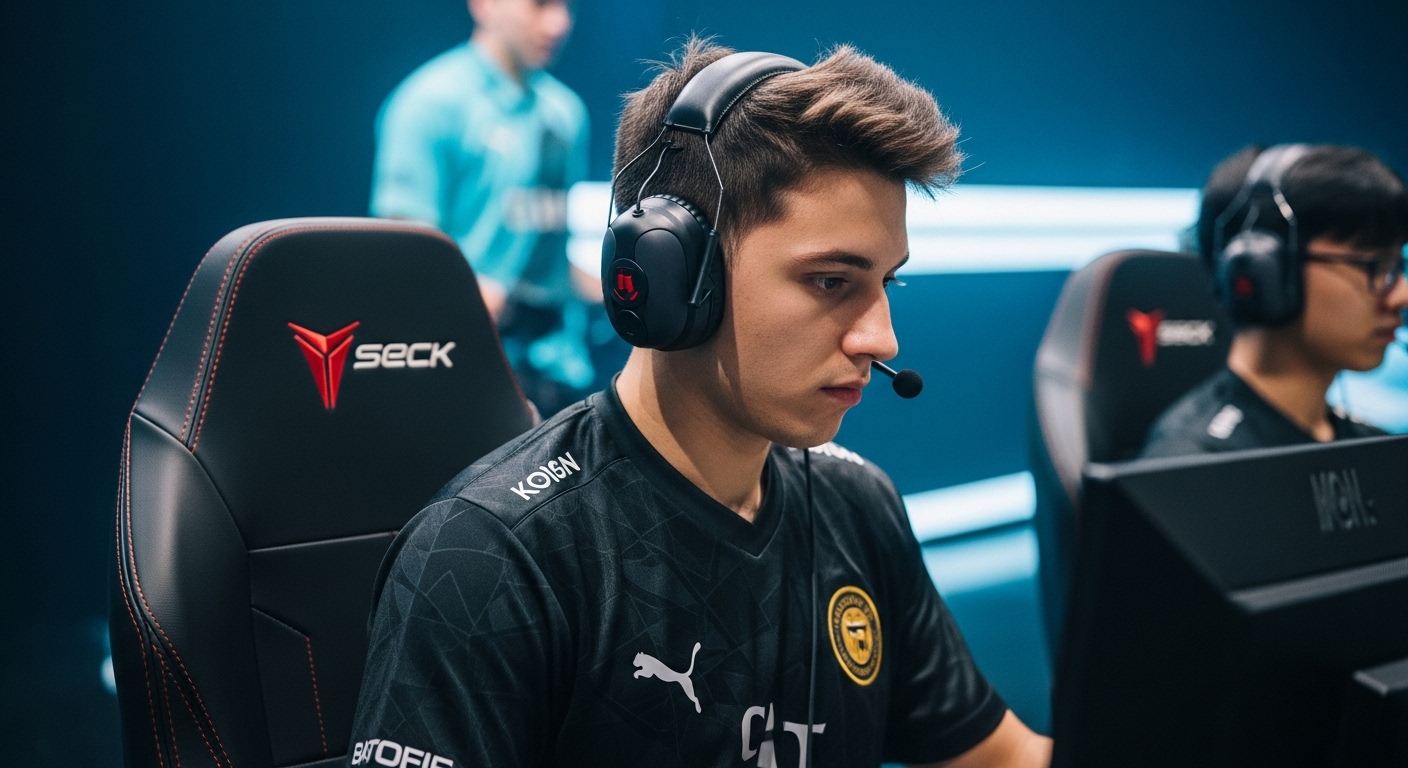
- Team Sponsorships: Branding on jerseys, social media shoutouts, and player endorsements.
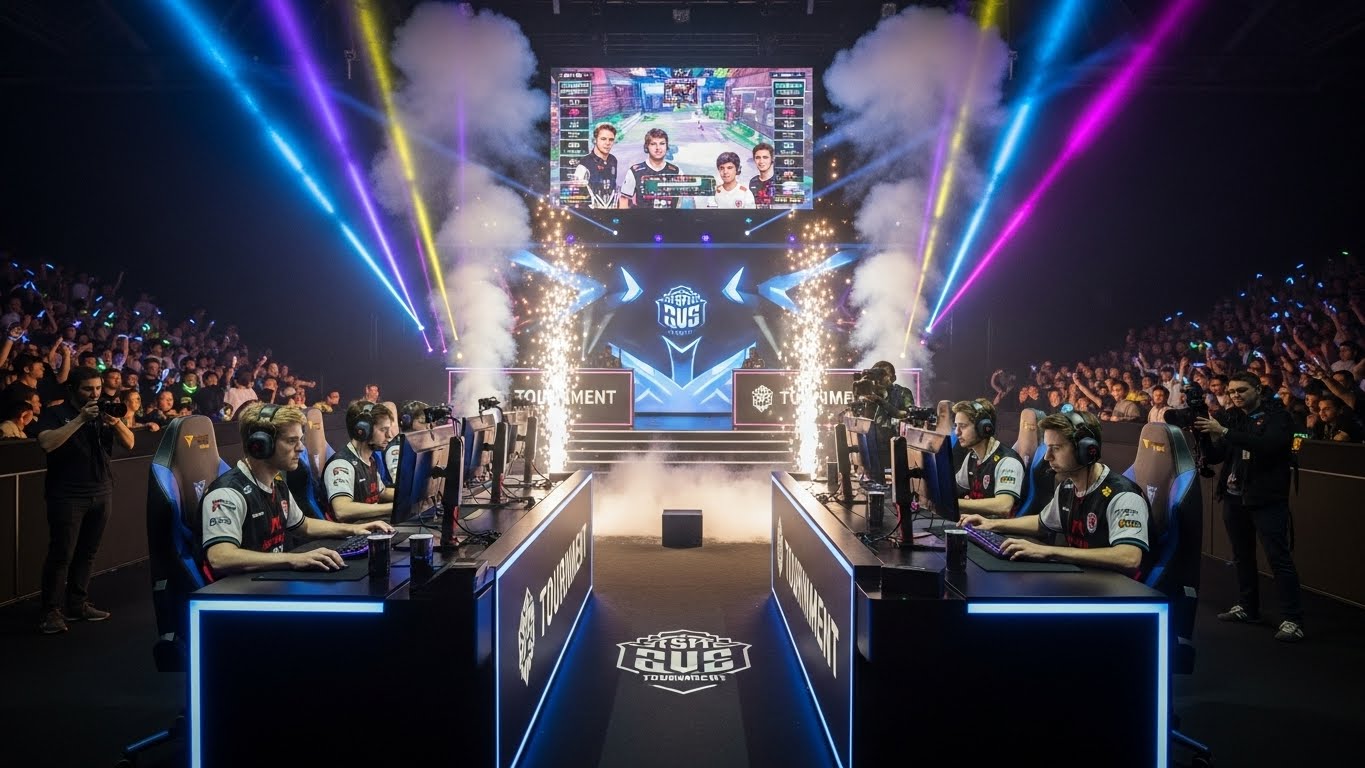
- Event Sponsorships: Naming rights, logos on broadcast overlays, and promotional content at tournaments.
- Player Sponsorships: Individual players representing a brand through streams, social media, and personal appearances.
Unlike traditional sports, esports sponsorships often involve digital-first marketing strategies, including streaming platforms, social media campaigns, and content creation.
Step 1: Identifying Sponsorship Opportunities
The first step in negotiation is identifying potential sponsors whose brand aligns with the esports entity. This involves evaluating:
- Audience Demographics: Age, location, gaming habits, and engagement levels.
- Brand Fit: Companies in tech, energy drinks, apparel, peripherals, and lifestyle products often resonate with esports audiences.
- Marketing Goals: Brands may seek awareness, product promotion, or community engagement.
Teams and players create media kits showcasing audience reach, social media statistics, tournament results, and engagement metrics to attract sponsors.
Step 2: Preparing the Proposal
Once a potential sponsor is identified, the esports entity prepares a comprehensive proposal. A strong proposal includes:
- Audience Data: Viewership statistics, follower counts, and engagement metrics.
- Sponsorship Packages: Options for tiered sponsorship, from minor branding opportunities to exclusive partnerships.
- Activation Ideas: Proposed campaigns, content collaborations, or event promotions that demonstrate ROI.
- Brand Exposure Estimates: Predicted impressions across broadcasts, streams, social media, and events.
The goal is to show the value of the partnership and how the brand will benefit from engaging with the esports audience.
Step 3: Initial Contact and Pitch
Negotiation begins with a formal pitch. The esports entity presents the proposal to the brand’s marketing or sponsorship team, highlighting the benefits of partnership. Key factors during the pitch include:
- Highlighting Unique Value: How the esports audience differs from traditional audiences.
- Demonstrating Engagement: Showing real examples of how fans interact with content, streams, and merchandise.
- Tailoring Solutions: Suggesting ways to integrate the brand authentically into the esports ecosystem.
A successful pitch focuses on creating a mutually beneficial relationship, emphasizing exposure, credibility, and long-term partnership potential.
Step 4: Negotiating Terms
Once the brand shows interest, negotiation focuses on specific terms of the sponsorship. Common aspects include:
- Duration of Sponsorship: One event, a season, or multi-year contracts.
- Financial Compensation: Fixed fees, revenue shares, or performance-based bonuses.
- Brand Placement: Logo placement, jersey branding, social media mentions, and stream integration.
- Content Requirements: Number of posts, videos, or promotional appearances by players or teams.
- Exclusivity: Whether the brand has exclusive rights within its product category.
Negotiations often involve back-and-forth adjustments to balance brand visibility with team/player interests, ensuring both sides receive adequate value.
Step 5: Contractual Agreements
Once terms are agreed upon, legal teams draft a sponsorship contract. Key elements include:
- Deliverables: Detailed obligations for both the esports entity and the sponsor.
- Payment Terms: Milestones, upfront payments, and performance incentives.
- Intellectual Property Rights: Use of logos, likenesses, and content.
- Termination Clauses: Conditions under which the sponsorship can be ended early.
- Exclusivity and Conflicts: Rules preventing competitors from engaging in overlapping partnerships.
Contracts formalize the relationship and provide legal protection for both parties.
Step 6: Activation and Execution
After signing, the sponsorship moves into the activation phase, where both sides implement agreed-upon campaigns. This may include:
- Brand Placement: Jerseys, team merchandise, streams, and broadcast overlays.
- Content Collaboration: Co-branded videos, social media posts, and influencer campaigns.
- Event Engagement: On-site branding at tournaments, meet-and-greets, or product demos.
- Analytics Tracking: Measuring ROI through viewership metrics, social engagement, and conversions.
Effective activation ensures the sponsorship delivers tangible value, strengthening the relationship and increasing the likelihood of renewal.
Step 7: Reporting and Renewal
Post-sponsorship, the esports entity provides a performance report to the brand, including:
- Exposure Metrics: Number of impressions, reach, and audience demographics.
- Engagement Statistics: Likes, shares, comments, and stream interactions.
- Impact Analysis: Insights into brand awareness, product adoption, or fan perception.
Based on these reports, both parties may renew the sponsorship, renegotiate terms, or explore expanded collaborations. Successful sponsorships often evolve into long-term partnerships, providing stability for teams and consistent exposure for brands.
Factors Affecting Sponsorship Negotiations
Several factors influence the success and terms of esports sponsorship deals:
- Team Performance: High-ranking teams and players command higher sponsorship value.
- Audience Size and Engagement: Large, active communities attract more investment.
- Market Trends: Brands may prioritize esports categories aligned with gaming, lifestyle, or technology.
- Exclusivity Deals: Sponsors may pay more for exclusivity within their product category.
- Content Creation Capabilities: Teams and players who produce regular, high-quality content increase brand visibility.
Understanding these factors allows esports entities to strategically position themselves and maximize sponsorship revenue.
Examples of Successful Esports Sponsorships
- Team Liquid & Alienware: Team Liquid’s partnership includes custom gaming rigs for players, branded content, and event promotions.
- Cloud9 & Red Bull: Red Bull sponsors content creation, events, and player appearances, leveraging esports culture for lifestyle branding.
- Fnatic & Logitech: The collaboration includes gear endorsements, co-branded products, and streaming content featuring Fnatic players.
These examples demonstrate how strategic alignment and creative activation make esports sponsorships mutually beneficial.
Conclusion
Negotiating esports sponsorships is a multi-step process that combines strategy, marketing, and business negotiation skills. From identifying potential sponsors and preparing proposals to negotiating terms, signing contracts, and activating campaigns, every step requires careful planning and communication.
Successful esports sponsorships depend on alignment between the brand and the esports entity, clear expectations, measurable outcomes, and authentic engagement with fans. As esports continues to grow, sponsorships will remain a cornerstone of the i