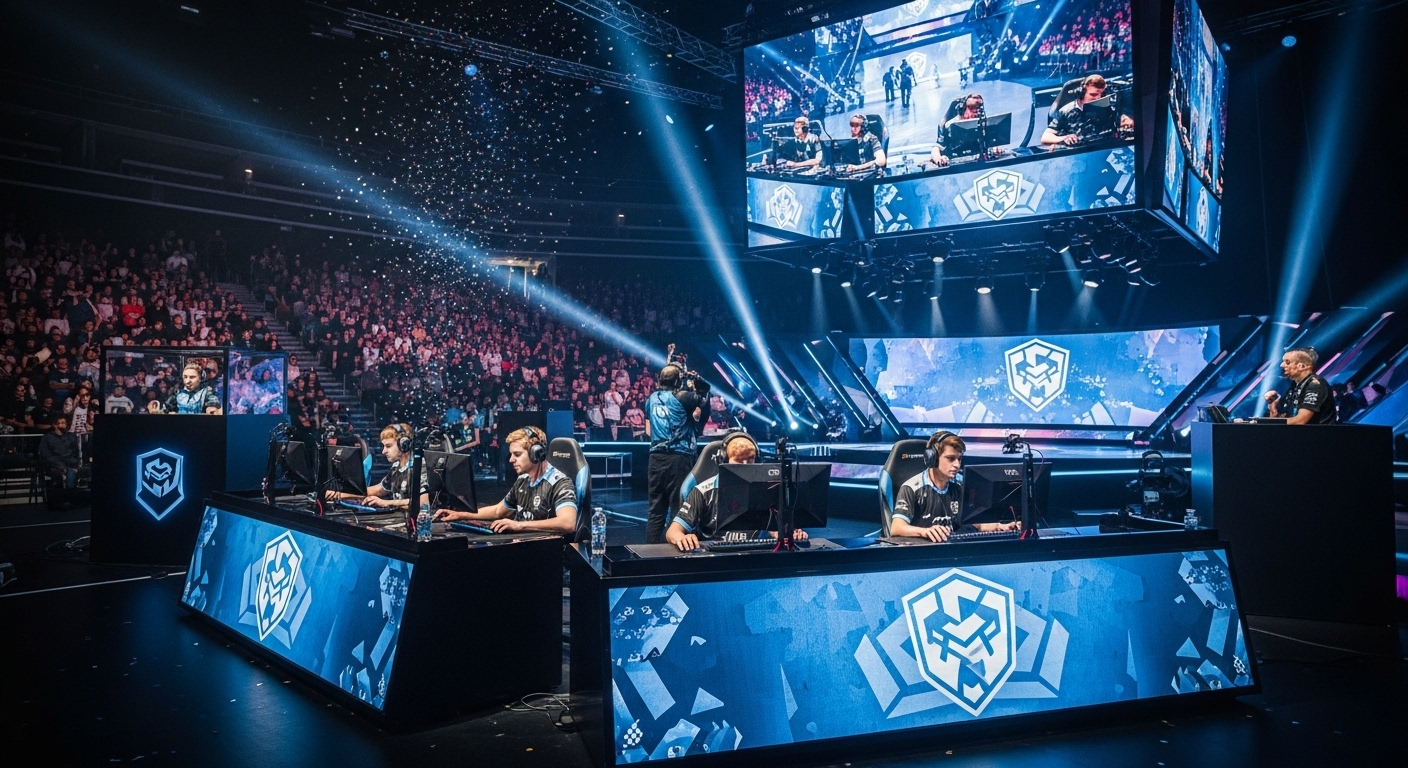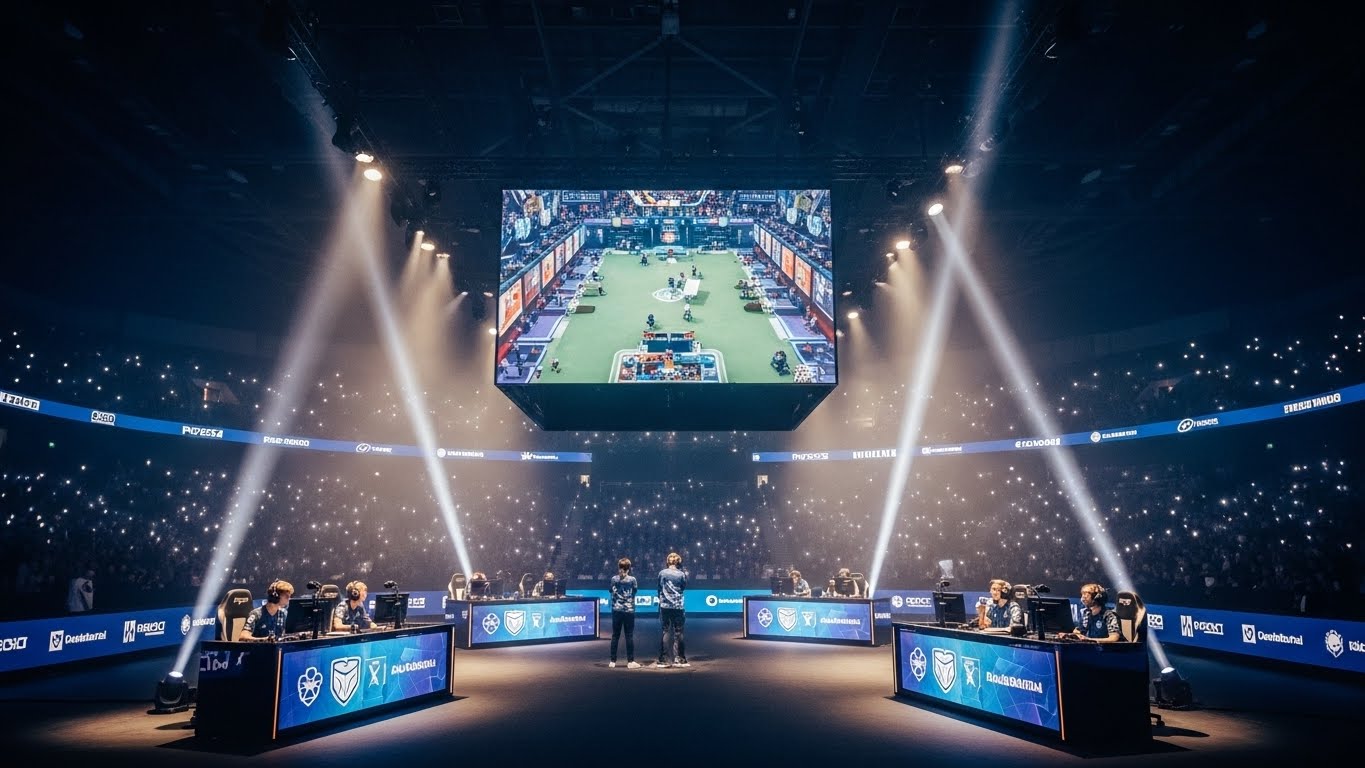






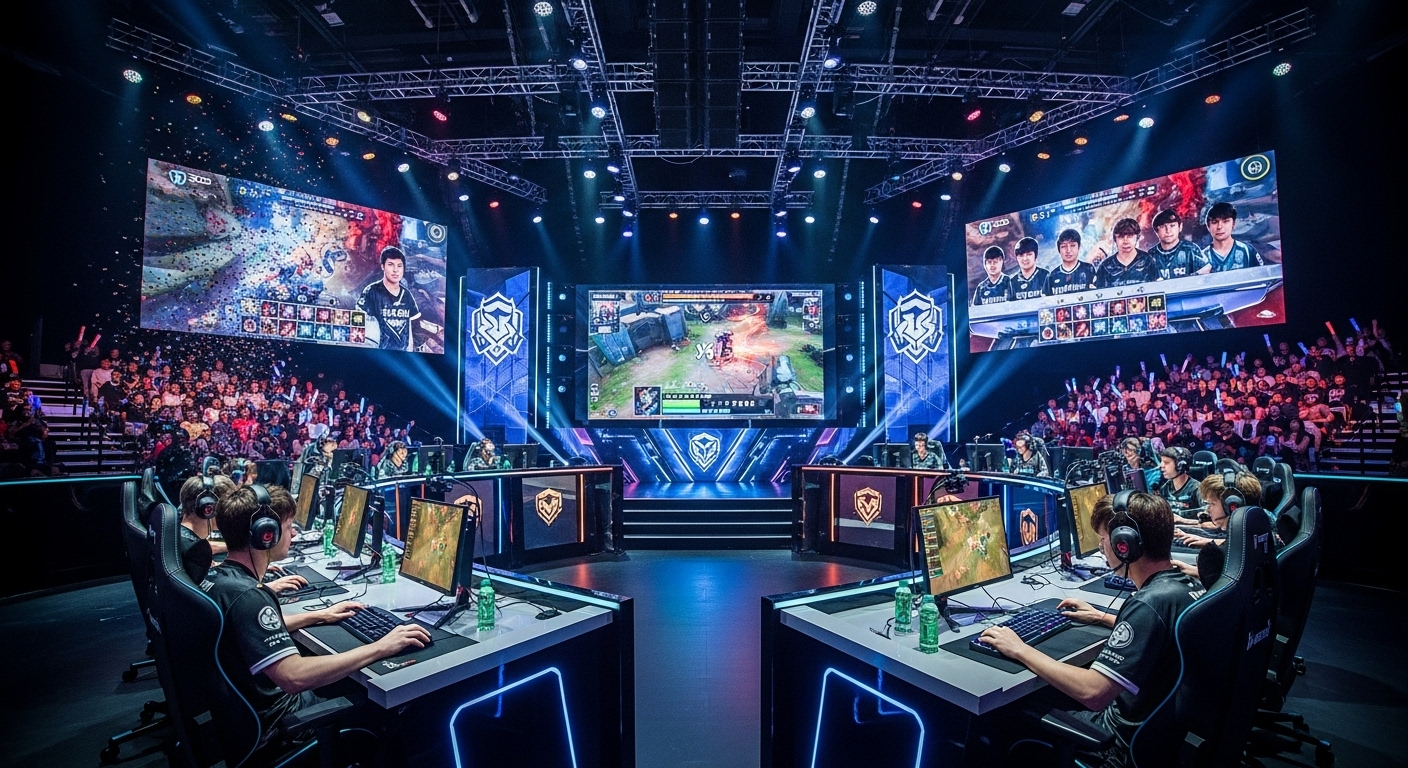
Esports, once dismissed as a passing trend, has evolved into a billion-dollar global industry that rivals traditional sports in scale, influence, and economic impact. The competitive gaming ecosystem is no longer confined to players, streamers, and fans—it is reshaping entire sectors of the job market. From data analytics and event management to marketing, media production, and even psychology, esports is creating new opportunities and redefining what a career in sports and entertainment looks like.
This blog explores how esports is shaping the future job market, the diverse roles emerging within the industry, and the broader implications for education, technology, and workforce development.
The Rise of Esports as an Industry
Over the past decade, esports has experienced explosive growth. Global tournaments now attract millions of viewers, sponsorships from major corporations, and prize pools that rival traditional sports championships. This success has transformed esports into a legitimate business ecosystem that requires specialized skills, professional management, and dedicated support roles.
As the industry continues to expand, it’s fueling demand for new professions and skill sets—many of which didn’t exist just a few years ago. Like the tech boom of the early 2000s, the esports wave is spawning an entire economy built around digital competition and interactive entertainment.
Beyond Players: The Expanding Esports Workforce
While professional players are the most visible faces of esports, they represent just one small part of the industry. Behind every team, tournament, and broadcast lies a vast network of professionals who make the experience possible.
Some of the fastest-growing esports-related careers include:
- Esports Management and Operations
Managing an esports team is similar to running a traditional sports organization. Managers coordinate player schedules, contracts, sponsorships, travel logistics, and training. Operations personnel ensure that events and leagues run smoothly, from online qualifiers to global finals. - Shoutcasters and Commentators
Play-by-play and color commentators bring energy, insight, and storytelling to live broadcasts. These professionals combine game knowledge with public speaking and broadcasting skills, making them essential to the viewing experience. - Production and Broadcasting Specialists
Behind the cameras are technical directors, video editors, sound engineers, and camera operators who make live esports broadcasts engaging and professional. Their work mirrors that of traditional sports broadcasters but often involves more digital tools and virtual production techniques. - Marketing, PR, and Sponsorship Managers
As brands flock to esports, there is a growing need for marketers who understand both gaming culture and brand strategy. These professionals connect companies with teams, organize promotional campaigns, and manage public relations to enhance visibility and engagement. - Game Developers and Esports Integration Designers
Game studios now design titles with competitive balance, spectator modes, and broadcasting features in mind. This has created demand for developers who specialize in esports-centric game design and data-driven player engagement. - Data Analysts and Performance Coaches
Data analytics has become a cornerstone of modern esports. Teams rely on analysts to study gameplay statistics, track opponent trends, and develop optimized strategies. Similarly, performance coaches—combining psychology and data—help players refine their mental and mechanical skills. - Event Coordinators and Venue Managers
Large-scale esports tournaments require logistics teams to manage venues, production schedules, fan experiences, and hospitality. These roles are crucial in ensuring that events are as smooth and spectacular as any professional sports final. - Esports Journalism and Content Creation
With millions of fans hungry for content, there’s an increasing demand for esports writers, video producers, and social media specialists who can deliver news, interviews, and analysis across multiple platforms.
Education and Esports: The Birth of New Academic Pathways
As esports becomes mainstream, educational institutions are adapting to prepare the next generation of professionals. Universities around the world now offer degrees and certifications in esports management, game design, and digital marketing.
Esports scholarships are becoming more common, encouraging young players to pursue academic goals alongside competitive aspirations. Moreover, these programs don’t just focus on gameplay—they cover business management, event planning, health sciences, and media production.
This academic integration ensures that esports not only produces players but also nurtures analysts, coaches, event planners, and executives who will shape the future of the industry.
Technology and Innovation Driving Employment
Esports thrives at the intersection of entertainment and technology. As such, it’s stimulating innovation across multiple sectors, each generating its own set of job opportunities.
- Artificial Intelligence and Data Science – AI is being used to analyze player performance, predict outcomes, and improve training methods. Data scientists are now integral to teams, helping them gain competitive advantages.
- Virtual Reality (VR) and Augmented Reality (AR) – As immersive technologies develop, VR esports events and AR fan experiences will require new roles in software design, hardware engineering, and virtual event production.
- Blockchain and Digital Ownership – The rise of NFTs, decentralized ticketing, and blockchain-based economies in gaming is creating demand for professionals who understand both gaming culture and crypto ecosystems.
- Cybersecurity Experts – With millions in prize money and large online infrastructures, protecting player data, tournament systems, and financial transactions has become a high priority, leading to new cybersecurity positions.
- Cloud Infrastructure and Network Engineers – Online tournaments depend on low-latency servers and stable networks. Engineers and cloud specialists ensure smooth global play and reliable broadcasting connections.
Economic Ripple Effects of Esports
Esports’ growth doesn’t just create direct jobs—it stimulates entire industries around it. The economic ripple effect extends into tourism, hospitality, merchandise, and content platforms.
For example:
- Tourism and Events: Esports tournaments attract fans from around the world, filling hotels, restaurants, and transportation systems in host cities.
- Merchandising: Apparel, peripherals, and collectibles generate massive retail demand. Designers and product managers are needed to cater to this growing fanbase.
- Streaming Platforms: Platforms like Twitch and YouTube Gaming employ thousands in moderation, advertising, and platform management.
- Advertising and Sponsorship: Brands see esports as a gateway to reach younger audiences, creating new roles for brand strategists and campaign analysts.
The esports ecosystem thus operates as both a creator of jobs and a multiplier for related industries.
Soft Skills and New Professional Standards
Esports also emphasizes digital literacy, communication, and adaptability, skills that are becoming central to the broader job market. Professionals in the esports field must collaborate across time zones, manage digital tools, and adapt to fast-paced environments—traits increasingly sought after in other industries as well.
Additionally, esports is reshaping the notion of leadership and teamwork. Traditional corporate hierarchies are being replaced with agile, data-driven decision-making structures modeled after esports organizations. This culture of adaptability and performance-based management is likely to influence how future businesses operate.
The Role of Esports in Entrepreneurship
Esports’ decentralized and community-driven nature has also created fertile ground for entrepreneurship. Independent tournament organizers, apparel brands, coaching platforms, and streaming startups are emerging worldwide.
Entrepreneurs can build successful careers by addressing niche needs—such as player analytics, fan engagement software, or mental wellness for gamers. These startups not only provide new jobs but also foster innovation that spills into other industries.
Moreover, the relatively low entry barrier for digital startups makes esports one of the most accessible industries for young entrepreneurs with vision and creativity.
Challenges and Workforce Adaptation
While the esports job market is thriving, it’s not without challenges.
- Job Stability: Many esports roles, especially in smaller organizations, are contract-based, leading to financial uncertainty.
- Skill Gaps: As technology evolves rapidly, keeping up with software, analytics, and game updates is a continuous learning process.
- Mental Health: The pressure of competitive environments affects not just players but also staff, emphasizing the need for support systems.
- Standardization: Unlike traditional sports, esports lacks a universal regulatory framework, leading to inconsistencies in job roles and pay scales.
Overcoming these challenges will require collaboration between educational institutions, corporations, and governing bodies to ensure a sustainable and inclusive workforce.
Esports as a Gateway to Broader Careers
Interestingly, careers in esports often serve as launchpads for broader industries. Skills learned in esports—content creation, community management, technical operations, or data analysis—translate seamlessly into roles in technology, marketing, and entertainment.
This crossover potential means that esports professionals aren’t confined to gaming; they are developing versatile, future-proof skills that align with the digital transformation of global workforces.
Global Impact and Diversity
Esports is inherently global. Players, fans, and professionals collaborate across continents, making diversity and cross-cultural communication essential components of the job market.
This global reach also opens opportunities for developing economies. Regions like Southeast Asia, South America, and Africa are witnessing rapid esports growth, bringing new jobs, investments, and digital literacy initiatives to areas previously overlooked by the tech industry.
The Future Outlook: Esports as a Sustainable Career Path
As esports continues to integrate into mainstream culture, its job ecosystem will only expand. The future job market will feature even more specialized roles:
- AI-driven strategy coaches
- VR tournament producers
- Digital athlete nutritionists
- Esports law and ethics consultants
- Fan engagement analysts
These positions highlight how deeply esports is intertwined with technology, psychology, and business innovation.
Governments and corporations are already recognizing esports as a driver of digital economies. With proper regulation, education, and infrastructure, esports could become one of the defining employment sectors of the 21st century.
Conclusion: A New Era of Digital Careers
Esports is not just entertainment—it’s a reflection of how the digital age is reshaping the world of work. It blurs the lines between gaming, technology, and business, creating opportunities that merge creativity with technical expertise.
From players and coaches to analysts, developers, and marketers, esports is redefining the professional landscape. It encourages global collaboration, pushes technological boundaries, and fosters entrepreneurship at an unprecedented pace.
As the industry matures, it will continue to inspire future generations to pursue careers that combine passion with innovation. Esports isn’t merely shaping the job market—it’s building an entirely new one, one where the skills of tomorrow are already being mastered today.