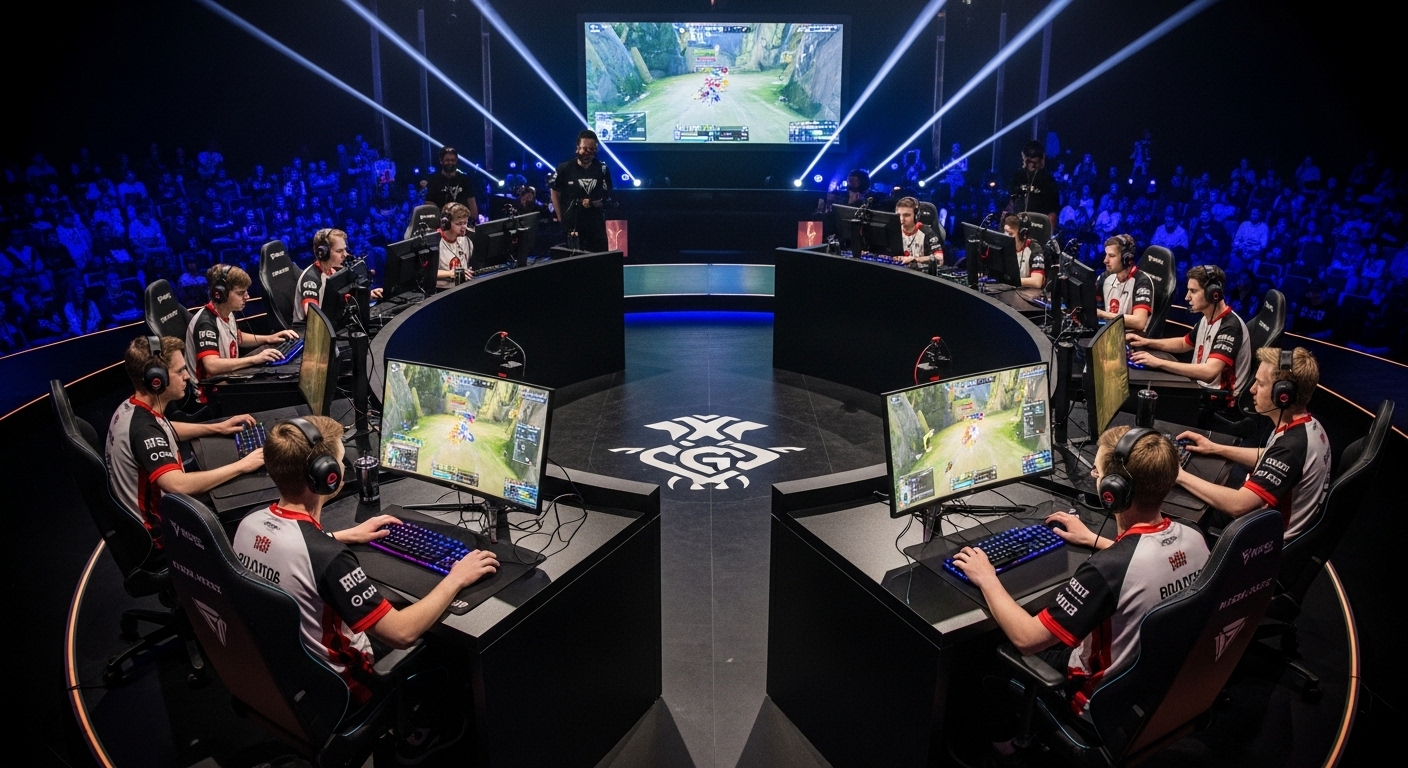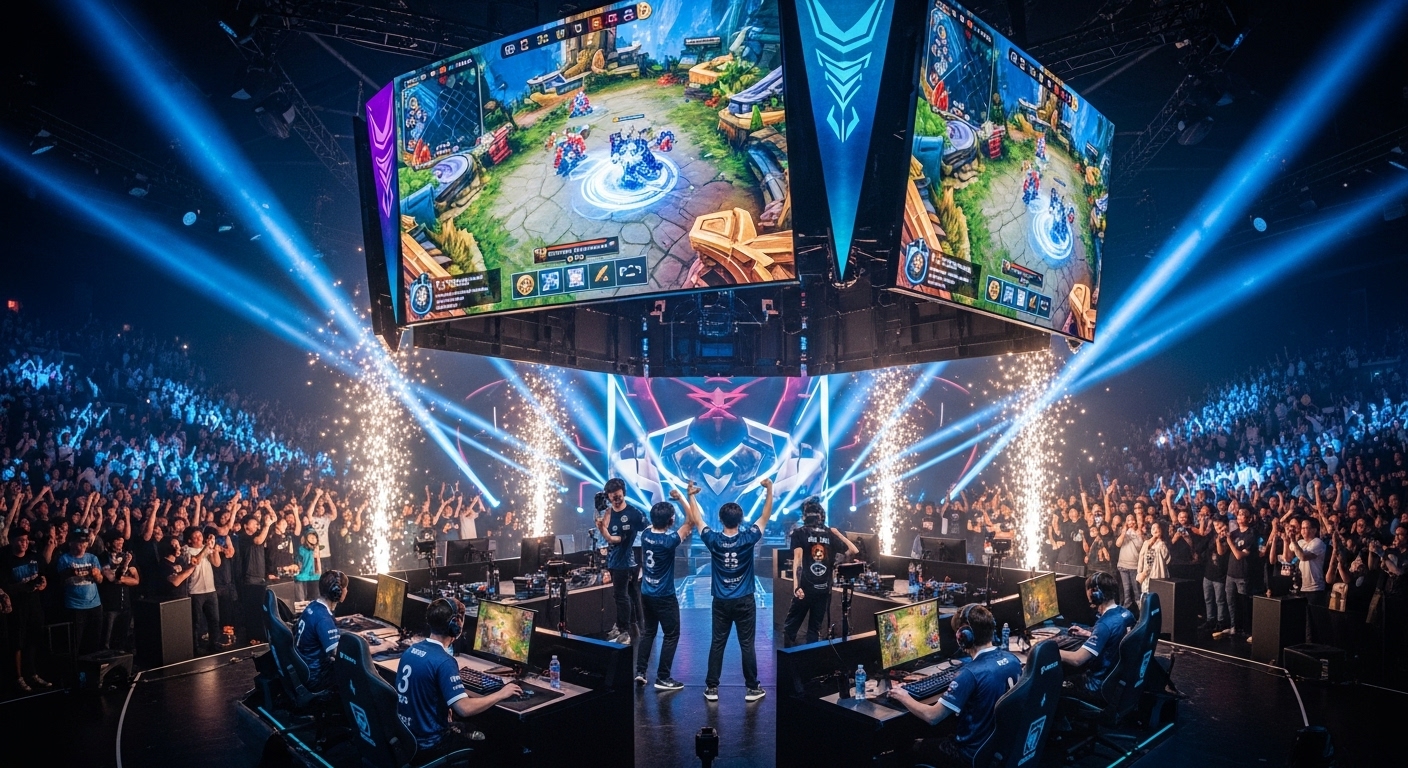







The world of esports has undergone a massive transformation over the past decade. From humble beginnings rooted in casual gaming competitions to becoming a multi-billion-dollar industry, esports now captivates millions worldwide. This growth has been fueled by advancements in technology, with augmented reality (AR) emerging as a key player in shaping the future of esports events. AR is not just an enhancement; it is revolutionizing how players compete, how audiences engage, and how organizers create unforgettable experiences.
In this blog post, we will explore the role of augmented reality in esports events, detailing its impact on gameplay, viewer interaction, event production, and the overall ecosystem of competitive gaming.
Understanding Augmented Reality
Before diving into its applications in esports, it’s important to grasp what augmented reality truly is. Unlike virtual reality, which creates an entirely immersive digital environment, augmented reality overlays digital elements onto the real world. AR enhances the physical environment by adding graphics, sounds, and other sensory inputs to what users perceive.
This fusion of the virtual and the real can be experienced through devices such as smartphones, tablets, AR glasses, and specialized headsets. AR technology integrates computer-generated imagery with the real world in real-time, allowing for interactive experiences that enrich the environment without removing users from it.
The Growth of Esports and Its Demand for Innovation
Esports has grown exponentially, fueled by increased internet accessibility, powerful gaming hardware, and a surge in online streaming platforms. Major tournaments now fill arenas and attract millions of online viewers. The industry’s rapid growth has led to intense competition among event organizers to provide the most engaging and immersive experiences.
To keep up with rising audience expectations and maintain engagement, innovation is crucial. AR offers unique solutions to several challenges in esports events, including enhancing player immersion, enriching the viewer experience, and optimizing event production logistics.
Enhancing Gameplay with Augmented Reality
One of the most exciting roles AR plays in esports is directly enhancing the gameplay experience. While traditional esports games are usually played on screens, AR has the potential to blur the lines between physical and digital play, creating hybrid environments that are more dynamic and interactive.
Augmented Reality Training Tools
Professional esports players often undergo rigorous training regimens. AR can be leveraged to create immersive practice environments that simulate in-game scenarios with heightened realism. For example, players can use AR glasses to visualize tactical overlays during team scrimmages, such as positioning guides, opponent movement predictions, and strategic tips, all without interrupting the flow of play.
These tools can accelerate skill development, improve strategic thinking, and enable players to practice more effectively. The integration of AR into training means players can analyze real-time feedback while practicing, leading to better decision-making and faster reaction times during actual matches.
AR-Powered Game Mechanics
Game developers are exploring ways to embed AR elements directly into esports titles. Imagine games where players in physical arenas can interact with virtual objects projected onto the stage or where characters’ abilities manifest as visual effects in the real environment, adding an extra layer of excitement for both players and audiences.
This merging of AR with gameplay mechanics allows for new genres of competitive gaming that combine physical agility with traditional gaming skills. For instance, location-based AR esports could encourage players to move around in a physical space while competing digitally, creating a hybrid competitive experience.
Revolutionizing Viewer Engagement and Spectatorship
Esports is not just about the players; it’s also about the millions of fans who watch matches live or via streaming platforms. Augmented reality has the potential to transform how viewers experience esports, making spectating more interactive, informative, and immersive.
Real-Time Data Visualization
One of the biggest challenges for viewers new to esports is understanding complex in-game data, such as player stats, team strategies, and game mechanics. AR can simplify this by overlaying real-time information during broadcasts or live events. Spectators wearing AR glasses or using AR-enabled devices can see detailed stats, player perspectives, and strategic insights projected onto their field of view.
This not only enhances understanding but also increases engagement by allowing viewers to customize what information they want to see, making the experience more personal and immersive.
Interactive AR Overlays in Arenas
For live esports events held in arenas, AR can bring a new dimension to the audience experience. Augmented reality displays can project dynamic visual effects onto the stage or into the crowd, synchronized with in-game actions. This can range from spell animations and damage indicators to team logos and scoreboards that appear as holograms.
Such immersive visuals elevate the entertainment factor and create memorable moments for attendees, helping to bridge the gap between digital competition and live performance.
AR and Virtual Viewing Platforms
Streaming esports matches is now a global phenomenon. Integrating AR into virtual viewing platforms offers fans the chance to engage with matches in unprecedented ways. Using AR-enabled devices, viewers can explore the virtual environment of the game, zoom in on player avatars, or manipulate camera angles in 3D space.
This level of interactivity allows fans to feel closer to the action, akin to having a front-row seat or being part of the team’s strategic planning. It democratizes the experience, providing access to content that was once limited to professional analysts or commentators.
Improving Event Production and Logistics
Organizing esports tournaments is a massive undertaking that involves coordinating players, managing technology infrastructure, and delivering seamless broadcasts. Augmented reality can streamline many aspects of event production, improving efficiency and enhancing the final product.
AR in Stage Design and Setup
Event organizers can use AR tools to design and visualize stage setups before the event takes place. This allows for more precise planning, ensuring lighting, camera angles, and spectator sightlines are optimized. Virtual walkthroughs using AR can help crews spot potential issues early, reducing setup time and minimizing errors.
Additionally, AR can facilitate interactive stage elements that respond to in-game events, enriching the atmosphere and providing dynamic backdrops that change according to the flow of the match.
Facilitating Player Communication and Coordination
During events, communication between players, coaches, and technical staff is critical. AR headsets or glasses can be used to relay tactical information discreetly or provide real-time translations during international tournaments, breaking down language barriers and improving team coordination.
Furthermore, technical teams can use AR to monitor equipment health, network status, and player vitals (in cases of physically demanding games) through heads-up displays, enabling rapid response to any issues.
Enhancing Broadcast Production
Broadcast producers can employ AR to create more visually engaging streams. By integrating augmented reality graphics, commentators can illustrate game strategies, replay critical moments with 3D effects, and create immersive storytelling that captivates audiences.
This enhanced storytelling not only retains existing fans but also attracts new viewers by making esports broadcasts more accessible and entertaining.
Challenges and Considerations
Despite its vast potential, integrating AR into esports events is not without challenges. Technical limitations, cost, and user adoption are significant factors to consider.
Technical Barriers
Implementing AR requires robust hardware and software solutions. High-quality AR experiences need powerful processing capabilities and low latency to avoid disrupting gameplay or viewer experience. Ensuring smooth integration without technical glitches remains a hurdle, especially in high-stakes competitive environments.
Cost and Accessibility
Developing and deploying AR infrastructure can be expensive. Smaller esports events or organizations with limited budgets might find it challenging to adopt AR technologies. Additionally, not all viewers or players may have access to AR devices, potentially creating a divide between those who can experience AR-enhanced esports and those who cannot.
User Comfort and Experience
Wearing AR devices for extended periods can cause discomfort or fatigue. Event organizers and developers must prioritize ergonomics and ease of use to ensure AR enhances rather than detracts from the experience.
The Future of Augmented Reality in Esports
The intersection of augmented reality and esports is still in its infancy, but the potential is enormous. As AR technology continues to evolve, its integration in esports is expected to become more seamless and impactful.
We can anticipate future esports events where AR transforms physical venues into interactive battlegrounds, where players and fans are connected through immersive, data-rich environments, and where the boundaries between digital and physical competition blur.
Moreover, advances in 5G connectivity, cloud computing, and artificial intelligence will further empower AR applications, enabling real-time processing and deeper personalization of experiences.
Conclusion
Augmented reality is poised to play a pivotal role in shaping the future of esports events. From elevating gameplay and player training to revolutionizing how fans experience competitions, AR brings a new dimension to the esports ecosystem.
By enhancing immersion, increasing interactivity, and optimizing event logistics, augmented reality can help esports continue its trajectory as a mainstream entertainment powerhouse. While challenges remain, the ongoing innovations and growing investments in AR technology suggest a bright and exciting future for competitive gaming.