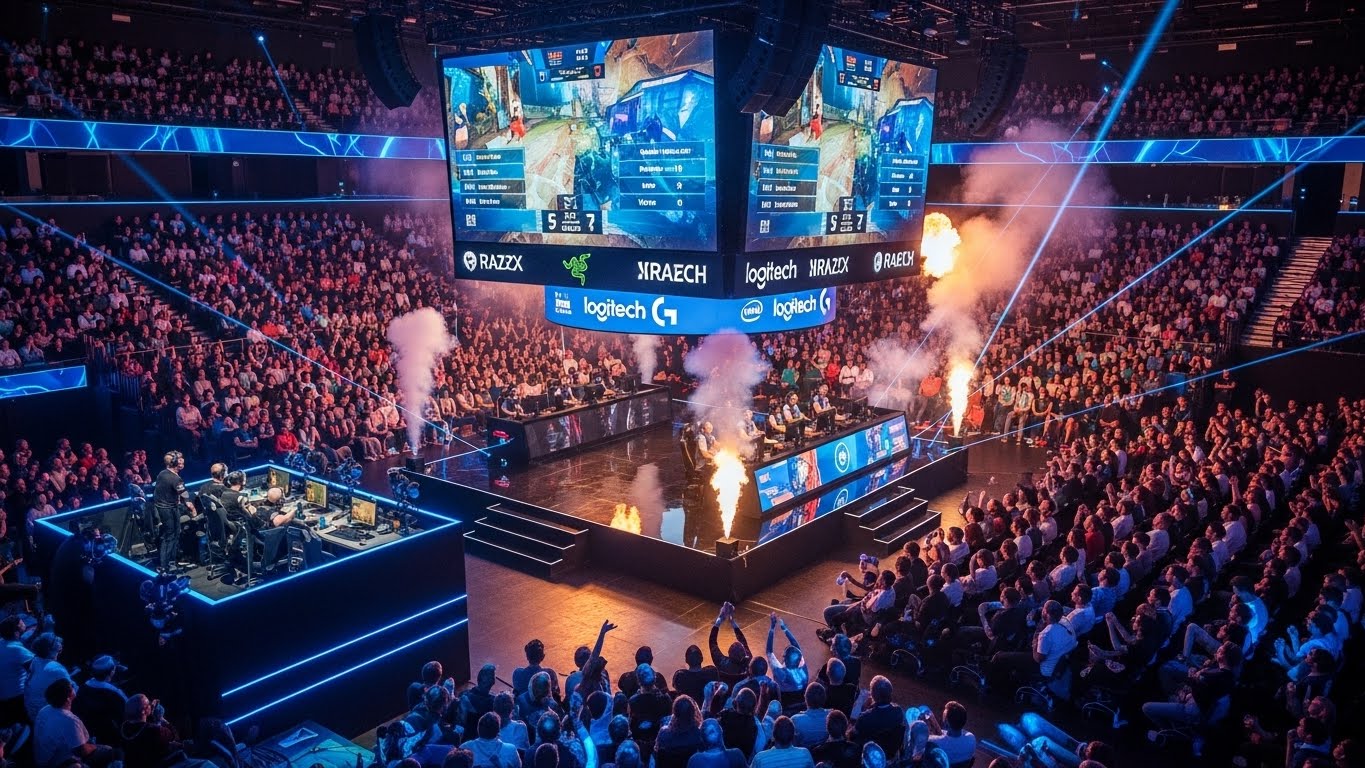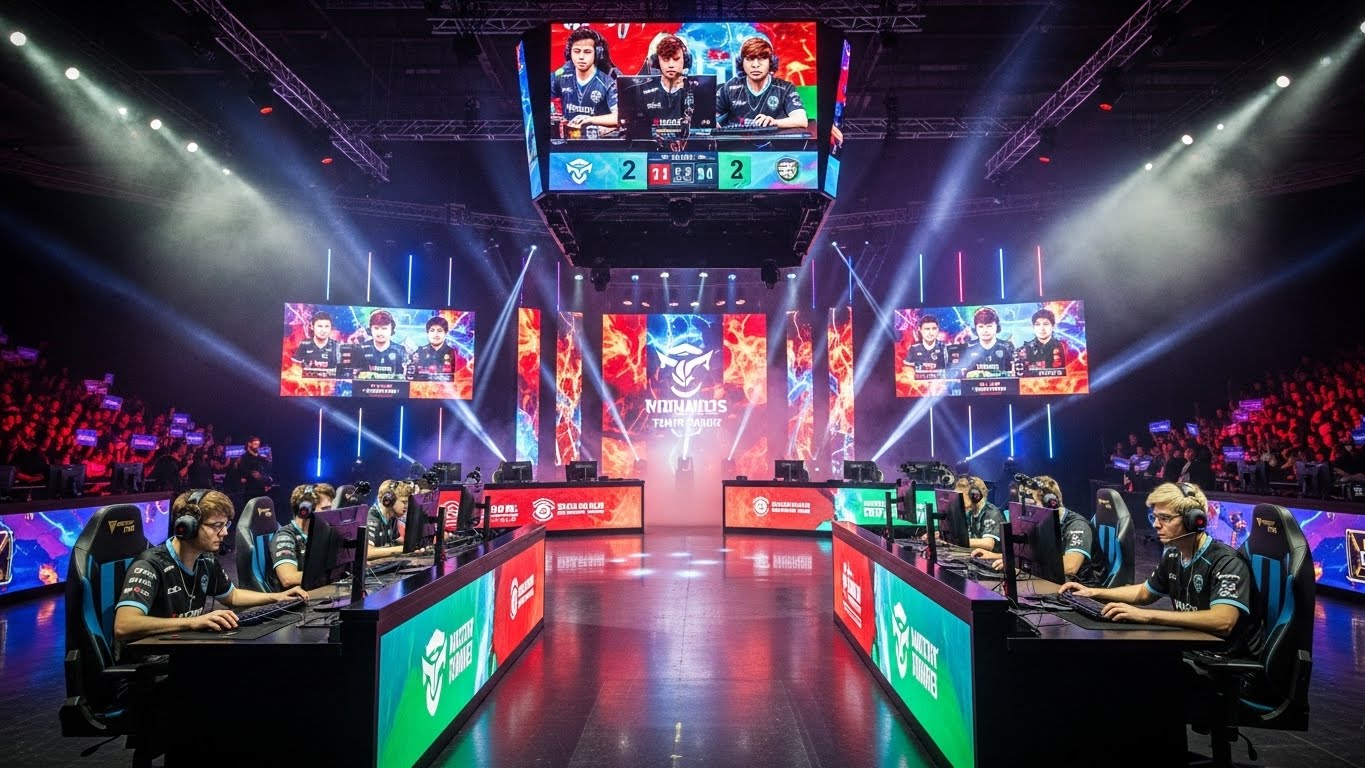







Esports, or electronic sports, has become a global cultural phenomenon, breaking into the mainstream with an audience that rivals traditional sports. Once a niche hobby enjoyed by a select group of gamers, esports now spans across continents, offering professional players, fans, and sponsors a dynamic and lucrative industry. From massive international tournaments to full-time professional players, esports has evolved into a worldwide industry that is changing the way we think about gaming.
In this blog post, we will explore the origins of esports, its rise in popularity, the major components of the industry, the most popular games, and what the future holds for this rapidly growing phenomenon. Whether you’re new to the world of esports or have been following it for years, this comprehensive guide will give you a detailed overview of this exciting, ever-evolving sector of entertainment.
What is Esports?
At its core, esports is organized, multiplayer video game competitions, often between professional players, teams, and organizations. These competitions span a variety of gaming genres, from first-person shooters (FPS) like Counter-Strike and Overwatch to multiplayer online battle arenas (MOBAs) like League of Legends and Dota 2, and battle royale games like Fortnite. Esports involves players competing in structured leagues and tournaments, where winners can earn substantial prize money, sponsorships, and recognition.
The defining feature of esports is its competitive nature, which is supported by professional teams, coaches, analysts, and broadcasters. Unlike casual gaming, which is done for fun, esports requires a high level of skill, strategy, teamwork, and training. Professional players dedicate their time to mastering games and competing at the highest level. Tournaments are often streamed live, with millions of fans tuning in to watch the action unfold.
Esports has a global reach, and the appeal isn’t limited to the players. Fans, commentators, and influencers are also integral to the ecosystem, making esports one of the most interactive and accessible entertainment forms today. The community around esports is a mix of passionate gamers, sports fans, and even casual viewers who enjoy the spectacle of competitive gaming.
The Origins of Esports
The roots of esports can be traced back to the 1970s and 1980s, when early video games began gaining popularity. One of the first notable competitive gaming events occurred in 1972 at Stanford University, where the Spacewar video game was played in a tournament format. This marked the beginning of competitive gaming, but it would take several decades before esports truly took off.
In the late 1990s and early 2000s, the rise of online multiplayer gaming brought a new wave of competition. Games like Quake, Warcraft III, and StarCraft were among the pioneers of esports. These games allowed players to compete against each other over the internet, and the global gaming community began to form. In South Korea, esports really began to gain traction with the rise of StarCraft, which became a national obsession. South Korea led the way in creating professional leagues, broadcasting tournaments on television, and developing a gaming culture that would serve as a blueprint for the rest of the world.
By the mid-2000s, Counter-Strike, World of Warcraft, and League of Legends helped esports grow into the global phenomenon it is today. These games introduced new formats for competitive play, such as tournaments and online ranking systems, which helped cement esports as a legitimate form of entertainment and competition.
The Explosion of Esports
The early 2010s marked a tipping point for esports, as gaming transitioned from a subculture to a mainstream form of entertainment. The development of streaming platforms like Twitch in 2011 revolutionized the way esports was consumed. Twitch allowed players and fans to watch live streams of professional tournaments, engage with their favorite players, and interact with other fans through live chat. The platform quickly became the go-to destination for esports, with millions of viewers tuning in to watch their favorite games being played at the highest level.
Streaming platforms brought esports into the living rooms of millions of viewers, giving fans an easy way to watch tournaments, follow teams, and keep up with the latest news. This increased visibility was crucial in attracting sponsorships and investments, leading to the professionalization of esports. Companies like Intel, Red Bull, and Coca-Cola began sponsoring esports events, and major tech companies invested in gaming infrastructure, from hardware to cloud gaming solutions.
Around this time, League of Legends (LoL) played a pivotal role in propelling esports into the mainstream. Riot Games’ League of Legends World Championship became one of the most-watched annual esports events, with the grand finals attracting millions of viewers from all around the world. LoL’s success served as a model for other competitive games, and the esports ecosystem began to take shape, complete with professional leagues, coaches, analysts, and high-stakes tournaments.
The Key Components of Esports
Esports is a multifaceted industry with many moving parts. Understanding the key components that make up the esports ecosystem can provide a deeper appreciation of the work and dedication that goes into the world of competitive gaming. These components include professional players, teams, tournaments, and streaming platforms, as well as the business side of esports, such as sponsorships and media rights.
Professional Players and Teams
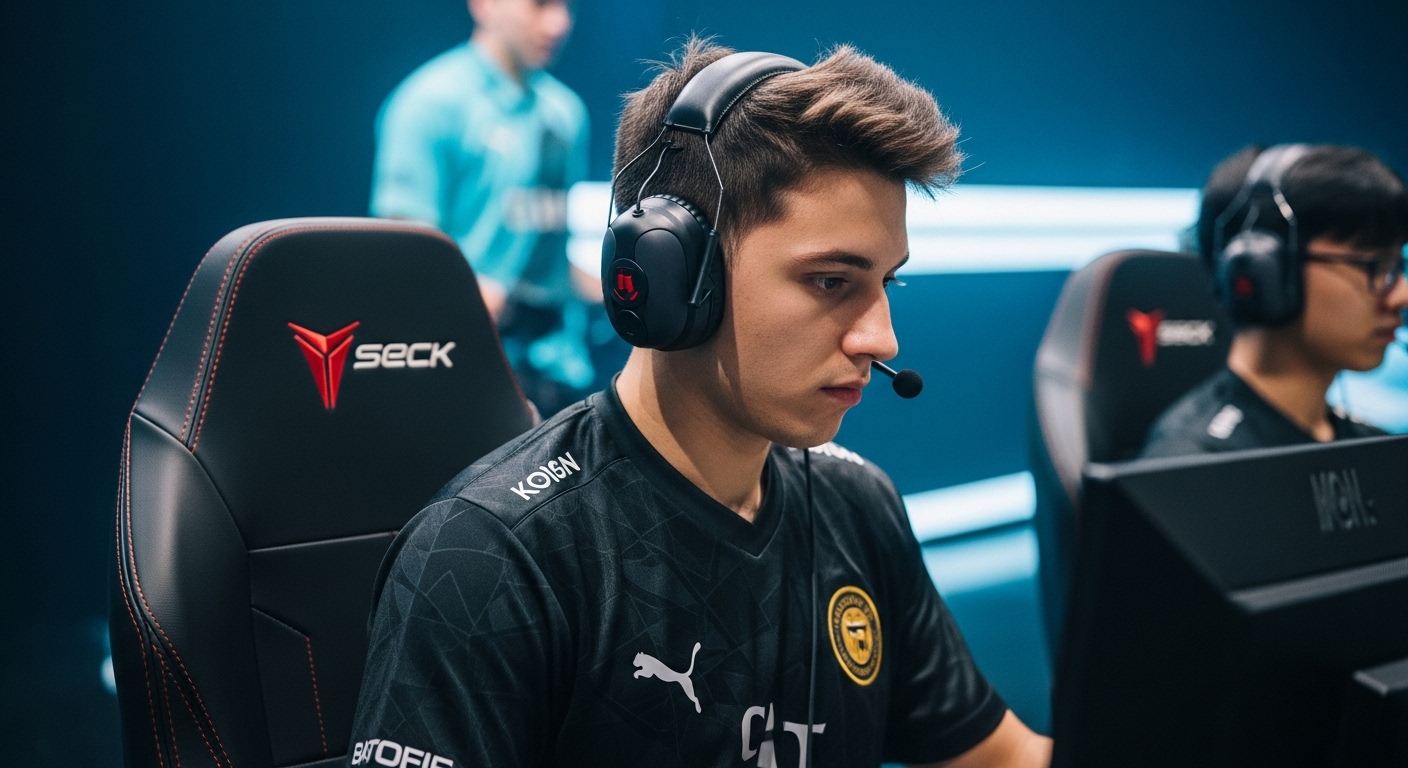
Professional esports players are at the heart of the industry. These athletes train for hours each day to perfect their skills, develop strategies, and improve their coordination with teammates. Some players specialize in specific games, while others may compete in multiple games depending on their skill set. Many professional players start their careers in online competitions before being recruited to join professional teams.
Teams in esports are similar to those in traditional sports. They are made up of a group of players who compete together, and they often have coaching staff, analysts, and managers to help them prepare for tournaments. Major esports teams like Team Liquid, Cloud9, FaZe Clan, and T1 have built strong followings, with some teams having their own branded merchandise, sponsorships, and social media presence. Players within these teams may also have individual streams on platforms like Twitch, where they interact with fans and showcase their gameplay.
Tournaments and Leagues
Esports tournaments are the primary way for players and teams to showcase their skills and earn prize money. These tournaments often take place both online and in-person, with some events held in massive arenas with thousands of spectators. Major tournaments like the League of Legends World Championship, The International (Dota 2), CS: GO Major Championships, and Overwatch League offer prize pools worth millions of dollars, attracting the best players from all over the world.
Esports leagues are structured similarly to traditional sports leagues, with regular seasons leading up to playoffs and championships. For example, the Overwatch League features city-based teams, each playing against other teams throughout the season. In contrast, Dota 2 has seasonal tournaments leading to its main event, The International, which is widely regarded as one of the biggest esports events globally. These leagues and tournaments provide a competitive structure for teams to battle for supremacy, while also offering exposure for sponsors and partners.
Sponsorships and Investments
The growth of esports wouldn’t be possible without the support of sponsors and investors. Just like traditional sports, esports has attracted major brands looking to reach a young, tech-savvy audience. Companies like Intel, Nike, Mercedes-Benz, and Razer have all invested in esports, either by sponsoring events, backing teams, or creating esports-related products.
Sponsorships are crucial for the sustainability of esports organizations and tournaments. These deals provide financial support, which helps cover the costs of running events, paying players, and building out infrastructure. In return, sponsors receive brand exposure and access to a highly engaged audience. Esports organizations also rely on media rights deals with streaming platforms and networks to further generate revenue.
Streaming and Fan Engagement
Streaming platforms like Twitch and YouTube Gaming are essential to the esports ecosystem. They allow fans to watch live tournaments, follow their favorite players, and interact with others through live chat and social media. The ability to engage directly with players and other fans has created a more interactive, community-driven experience compared to traditional sports.
Streaming has also provided new avenues for players to generate income. Many professional players make money not only from tournaments but also from their individual streams, where fans can donate, subscribe, or watch advertisements. For some top players, streaming can be just as lucrative as their tournament earnings.
The Most Popular Esports Games
Esports spans a wide range of genres, and while there are numerous competitive titles, some games have risen to the top and become icons of the industry. These games have shaped the esports landscape, creating large communities of players and fans who follow the competitions closely.
League of Legends (LoL)
Released in 2009 by Riot Games, League of Legends (LoL) is perhaps the most influential and popular game in esports. LoL is a Multiplayer Online Battle Arena (MOBA) game where two teams of five players each control powerful characters called “champions,” aiming to destroy the enemy’s Nexus. The game’s professional scene is massive, with the League of Legends World Championship attracting millions of viewers each year. The game also features regional leagues, like the LCS (North America) and LEC (Europe), which foster top-tier competition year-round.
Dota 2
Dota 2, developed by Valve Corporation, is another titan of the esports world. Dota 2 is a complex and strategic MOBA game that features two teams of five players competing to destroy each other’s ancient. Known for its deep mechanics and steep learning curve, Dota 2 has a dedicated global fanbase. The International tournament, hosted annually by Valve, is one of the most prestigious and highest-paying esports events in the world.
Counter-Strike: Global Offensive (CS: GO)
CS: GO is a first-person shooter (FPS) that has remained one of the most popular competitive games since its release in 2012. Developed by Valve, CS: GO has a strong esports presence, with major events such as ESL Pro League and DreamHack Masters offering significant prize pools. The game focuses on tactical team-based gameplay, where players must strategize and work together to complete objectives.
Overwatch
Overwatch, developed by Blizzard Entertainment, has brought a fresh take on competitive FPS games with its colorful characters, unique abilities, and team-based mechanics. The Overwatch League, launched in 2018, has established itself as one of the premier esports leagues in the world, featuring city-based teams from across the globe. Overwatch continues to be a favorite for fans who appreciate fast-paced action and strategic gameplay.
The Future of Esports
The future of esports looks incredibly promising. As the industry continues to evolve, several trends are likely to shape its trajectory.
Increased Mainstream Recognition
As esports continues to grow in popularity, it is becoming more accepted by mainstream audiences. Esports tournaments are now regularly broadcast on television networks, and the industry is gaining traction with younger demographics. The inclusion of esports in traditional sporting events, like the Asian Games, is another indicator of the growing recognition of competitive gaming as a legitimate sport.
Integration of New Technologies
The integration of virtual reality (VR) and augmented reality (AR) into esports could revolutionize how both players and fans experience competitive gaming. VR and AR technology could create immersive environments, enhancing gameplay and allowing fans to participate in events in novel ways.
Global Expansion
Esports is becoming more global than ever before. While regions like North America, Europe, and South Korea were early hubs of esports, China, Southeast Asia, and Latin America are quickly emerging as strong esports communities. The expansion of mobile esports, through games like PUBG Mobile and Arena of Valor, is opening up the world of competitive gaming to even more players and fans worldwide.
Esports as a Career
More players are choosing to pursue esports as a full-time career. With large tournament prize pools, sponsorships, and streaming revenue, professional gamers can make substantial incomes. As esports continues to grow, more opportunities will arise for players, coaches, analysts, and content creators to build successful careers within the industry.
Conclusion
Esports has evolved into a global entertainment powerhouse that continues to grow in scope and influence. From its humble beginnings in the early days of gaming to the multimillion-dollar tournaments and professional leagues of today, esports is reshaping the world of competitive gaming. With the continued rise of streaming platforms, global tournaments, and sponsorships, esports is positioned for an even brighter future.
Whether you’re a player, a fan, or someone curious about the world of esports, there’s no denying that competitive gaming is a force to be reckoned with. The rapid growth and mainstream acceptance of esports suggest that the best is yet to come. With its ability to bring people together, entertain, and offer career opportunities, esports is more than just a passing trend—it’s a cultural revolution that will continue to captivate audiences for years to come.