






Introduction
In the 21st century, the world of competitive entertainment has been radically transformed by technology, giving rise to a phenomenon known as eSports. Once considered a niche hobby limited to small gaming communities, eSports has evolved into a global industry, captivating millions of fans, attracting major investments, and redefining the concept of professional competition. It combines skill, strategy, reflexes, and teamwork into an arena where virtual performance is celebrated on a scale previously reserved for traditional sports.
This blog explores the evolution, professionalization, cultural impact, technology, economics, and future of eSports, offering a comprehensive understanding of why it has become one of the most significant entertainment phenomena of the modern era.
The Origins of eSports
The story of eSports begins in the 1970s with the emergence of early video games. Titles such as Spacewar! and Pong introduced players to the concept of competition in a digital setting. The first recorded gaming competition occurred in 1972 at Stanford University, where students competed in Spacewar! for a small prize. While modest, this event marked the beginning of organized competitive gaming and hinted at the potential of digital sports.
The 1980s saw the rise of arcades, with games like Pac-Man, Donkey Kong, and Space Invaders capturing global attention. Arcades became social hubs where players could compete for high scores, creating a sense of community and rivalry. Leaderboards in public spaces encouraged players to constantly improve, laying the groundwork for competitive gaming culture.
In the 1990s, online multiplayer games transformed competition by connecting players worldwide. Games such as Quake, Doom, and StarCraft enabled real-time matches across countries, fostering international communities. South Korea emerged as a pioneer in competitive gaming due to its advanced internet infrastructure and passionate gaming culture. By the early 2000s, professional teams, televised tournaments, and sponsorship deals had become commonplace, setting the stage for the eSports industry we recognize today.
The Professionalization of eSports
The rise of eSports as a professional industry was fueled by several key developments. Game developers began creating titles specifically designed for competitive play, emphasizing balance, strategy, and skill. Games like League of Legends, Dota 2, Counter-Strike: Global Offensive, and Overwatch became staples of the professional gaming world.
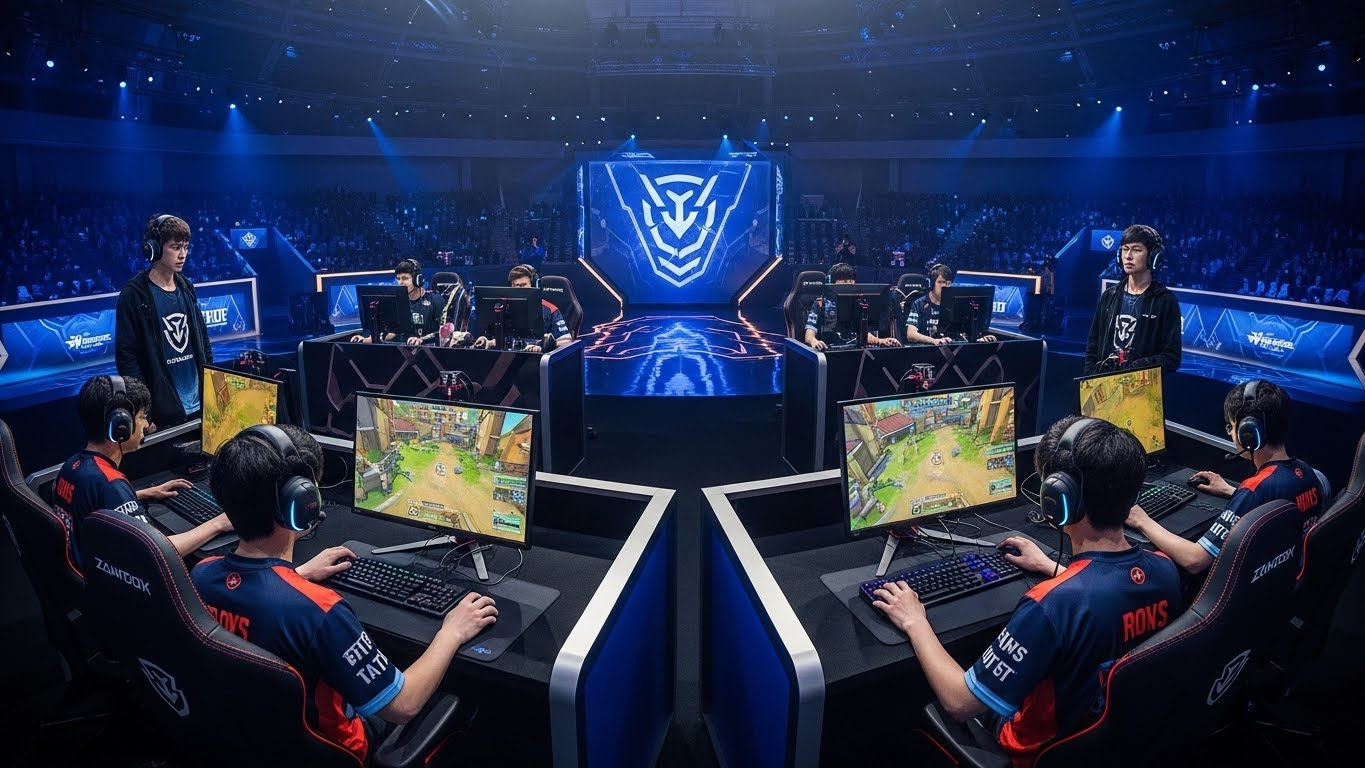
Professional eSports players now train with the same intensity as traditional athletes. Their routines include long hours of gameplay practice, strategic planning, physical fitness, and mental conditioning. Teams employ coaches, analysts, nutritionists, and psychologists to ensure peak performance.
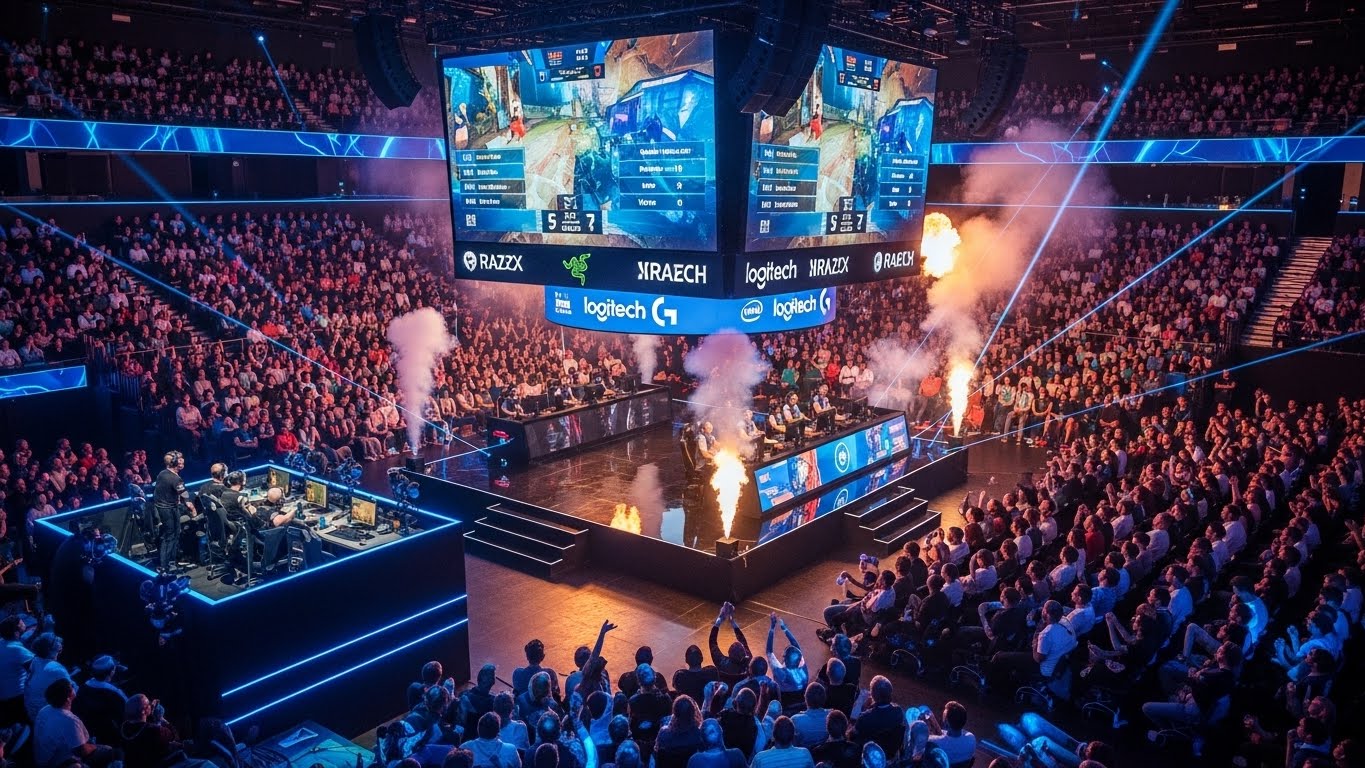
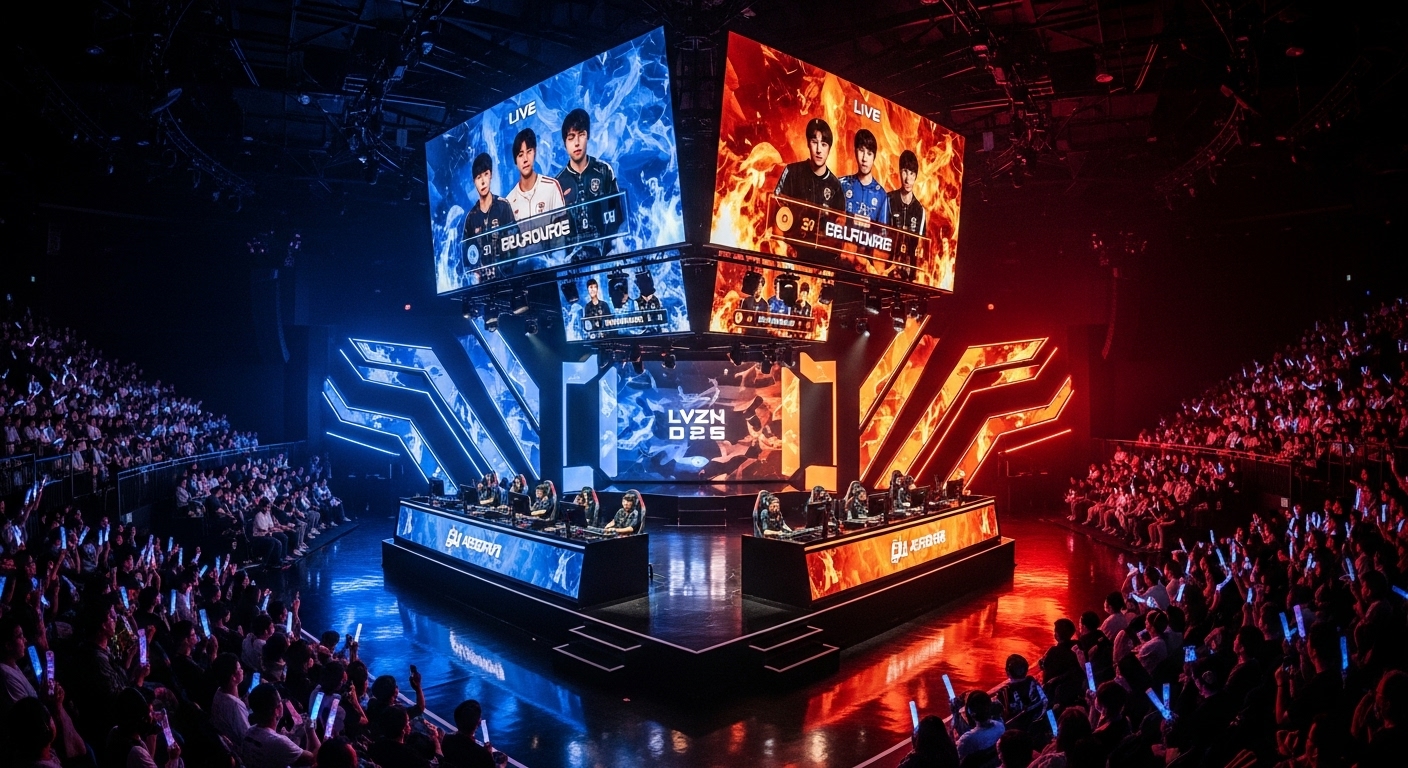
Major tournaments rival traditional sports events in scale and spectacle. The International, Dota 2’s premier championship, boasts prize pools exceeding tens of millions of dollars, while the League of Legends World Championship draws millions of viewers globally. Organizations such as T1, Cloud9, Fnatic, and Team Liquid operate as fully professional businesses, managing players, sponsorships, branding, and global outreach.
The Structure of the eSports Industry
The eSports ecosystem is complex, with multiple interdependent components:
- Game Developers and Publishers: These entities create and maintain competitive games. Their support, updates, and balance adjustments are crucial to sustaining a healthy professional scene.
- Professional Players and Teams: Players dedicate themselves to mastering the game and executing precise strategies. Teams manage training, sponsorships, branding, and long-term development.
- Tournaments and Leagues: Organized competitions structure the competitive scene, ranging from local events to international championships. Leagues operate with regular seasons, playoffs, and finals.
- Streaming Platforms: Live streaming platforms allow millions of fans to watch competitions, interact with players, and engage in community discussions.
- Sponsors and Brands: Companies sponsor teams, events, and tournaments to reach highly engaged audiences, fueling the economic growth of the industry.
Cultural Impact of eSports
eSports has grown beyond entertainment into a cultural phenomenon. Global communities of fans and players interact online, sharing strategies, cheering for teams, and participating in fan-driven events. The sense of belonging created by these communities is a key factor in eSports’ explosive growth.
The perception of gaming has shifted significantly. Once seen as a casual hobby, competitive gaming is now recognized as a legitimate career path. Schools and universities offer scholarships, degrees, and programs in eSports management, broadcasting, and game design. This allows young players to pursue professional careers while gaining education and skills relevant to the digital economy.
Additionally, eSports has influenced mainstream entertainment. In-game concerts, artist collaborations, and cross-media events attract millions of viewers and integrate gaming with popular culture. Music, fashion, and media now intersect with eSports, making it a defining element of modern youth culture.
Technology as the Backbone of eSports
The success of eSports relies heavily on technology. High-speed internet, cutting-edge gaming hardware, and advanced broadcasting tools have transformed competitive gaming into a professional and spectator-friendly industry.
Gaming Hardware: Professional players rely on high-performance computers, low-latency monitors, precision peripherals, and ergonomic equipment. Milliseconds can determine the outcome of a match, making technology crucial to competition.
Streaming and Broadcasting: Platforms allow fans to watch matches live, interact with players, and engage with the broader community. Advanced production, including multiple camera angles, instant replays, and digital overlays, enhances the viewing experience.
Data Analytics and Artificial Intelligence: Teams leverage AI and analytics to study gameplay, develop strategies, and predict opponent behavior. Data-driven decision-making is integral to professional competition, enhancing strategic depth and performance.
The Economics of eSports
The eSports industry generates billions of dollars annually. Revenue comes from tournament prizes, sponsorships, advertising, merchandise, ticket sales, and media rights. Brands invest heavily in eSports to access young, engaged audiences.
Professional players earn income from tournament winnings, streaming, and endorsements, while teams profit from sponsorships, merchandise, and broadcasting deals. Major tournaments stimulate local economies by attracting tourism, increasing hotel bookings, and promoting regional hospitality sectors. Employment opportunities expand in areas such as event management, marketing, software development, and content creation.
Global Reach of eSports
eSports has become a truly global phenomenon. South Korea and China lead with professional leagues, extensive media coverage, and government recognition. Players are treated as celebrities, reflecting the cultural legitimacy of competitive gaming.
North America and Europe have developed structured leagues, franchised teams, and training academies. Emerging markets in South America, the Middle East, and Africa are rapidly expanding due to increased internet access, youthful populations, and growing interest in gaming culture.
Accessibility is a key factor in eSports’ global reach. Unlike traditional sports, physical limitations are less of a barrier, allowing anyone with a device and internet connection to participate. This democratization of competition has fueled international growth and diversity.
Education and eSports
Education has embraced eSports as both a learning tool and career pathway. Schools and universities provide scholarships, degree programs, and courses in eSports management, broadcasting, and game development. Students learn teamwork, strategy, communication, and digital literacy while pursuing opportunities in a growing industry.
Careers beyond professional play include coaching, event management, content creation, and software development. Educational programs help professionalize the industry while preparing future talent to contribute meaningfully to the digital economy.
Challenges Facing eSports
Despite rapid growth, eSports faces several challenges:
Player Burnout: Long hours of practice, high-pressure competition, and travel can lead to physical and mental exhaustion. Mental health initiatives are becoming increasingly important.
Cheating and Integrity: Digital competitions are susceptible to cheating, hacking, and match-fixing. Strict monitoring and anti-cheat systems maintain fairness.
Gender Inequality: Female players remain underrepresented and face discrimination. Programs promoting inclusivity and diversity are improving conditions, but significant work remains.
Financial Sustainability: Smaller teams often struggle to secure funding or sponsorships, creating instability in lower-tier competitions. Developing a sustainable ecosystem is essential for long-term growth.
Media, Streaming, and Community Engagement
Streaming platforms and media coverage have fueled eSports’ rise. Live broadcasts allow audiences to follow matches, interact with players, and join fan communities. Social media amplifies highlights, discussions, and fan-generated content, expanding eSports’ cultural influence.
Content creators and influencers also play a pivotal role. They provide commentary, entertainment, and educational content, making eSports accessible to new audiences while maintaining engagement with experienced fans.
The Future of eSports
The future of eSports is filled with potential. Emerging technologies like virtual reality, augmented reality, and cloud gaming will create new competitive experiences. Artificial intelligence will enhance training, strategy, and viewer engagement.
Traditional sports organizations are investing in eSports franchises, recognizing overlapping fan bases and marketing potential. The possibility of eSports being integrated into global sporting events could further legitimize the industry.
As the industry continues to grow, it will influence education, culture, and technology, solidifying its place as a central pillar of modern entertainment.
Social Impact and Global Communities
At its core, eSports fosters community. Online platforms, local tournaments, and international events connect players, fans, and creators. This global network fosters collaboration, camaraderie, and shared experiences.
eSports contributes positively to society through charity events, awareness campaigns, and community initiatives. Its inclusive nature provides a platform where skill, creativity, and teamwork are celebrated, bridging cultural and geographic divides.
Conclusion
eSports has grown from small-scale gaming competitions to a global industry rivaling traditional sports in audience, revenue, and cultural influence. It has redefined competition, created career opportunities, and built global communities.
Combining technology, strategy, creativity, and entertainment, eSports demonstrates that competition is not limited to physical arenas. It is a cultural movement, a career pathway, and a platform for connection. What began as a pastime for a small group of enthusiasts has evolved into a worldwide spectacle where digital champions achieve glory, inspire millions, and shape the future of competitive entertainment.