






Introduction
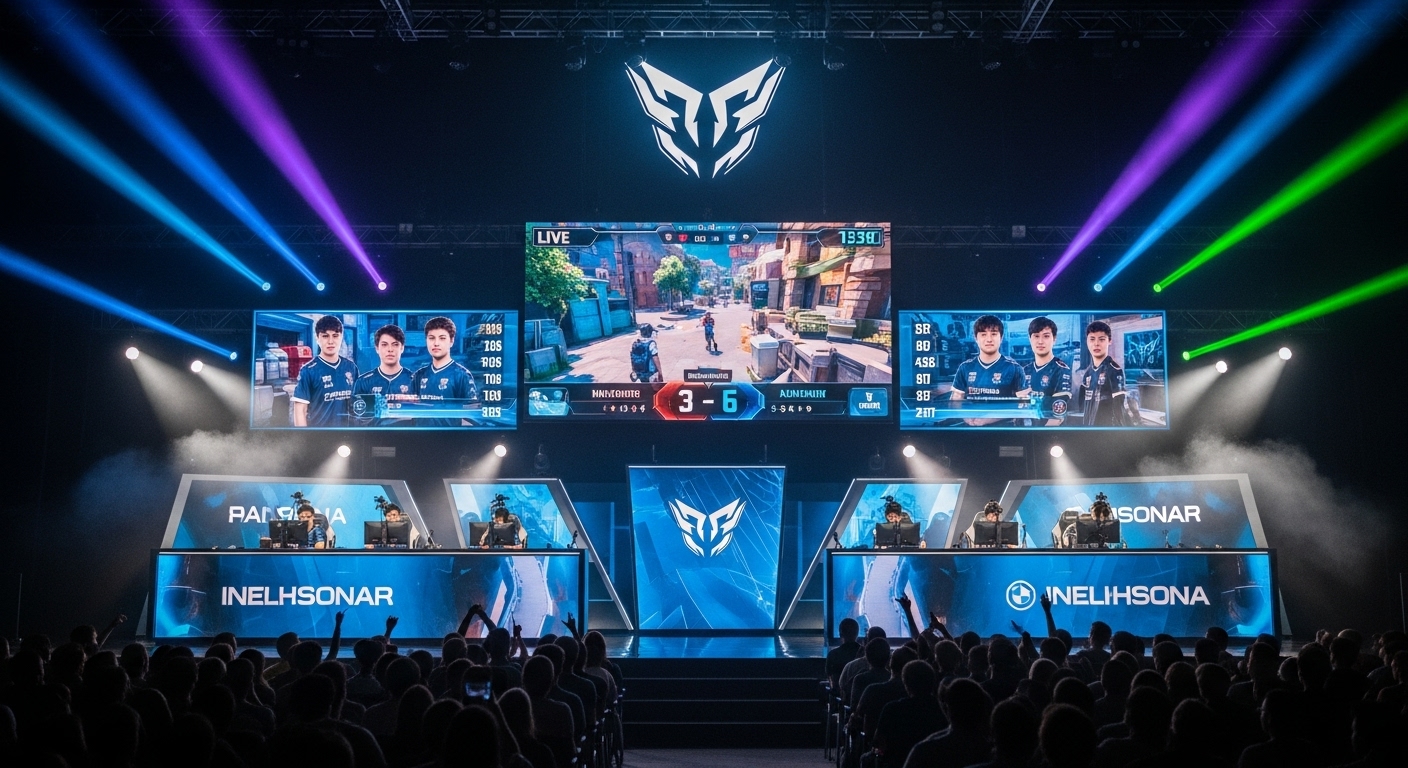
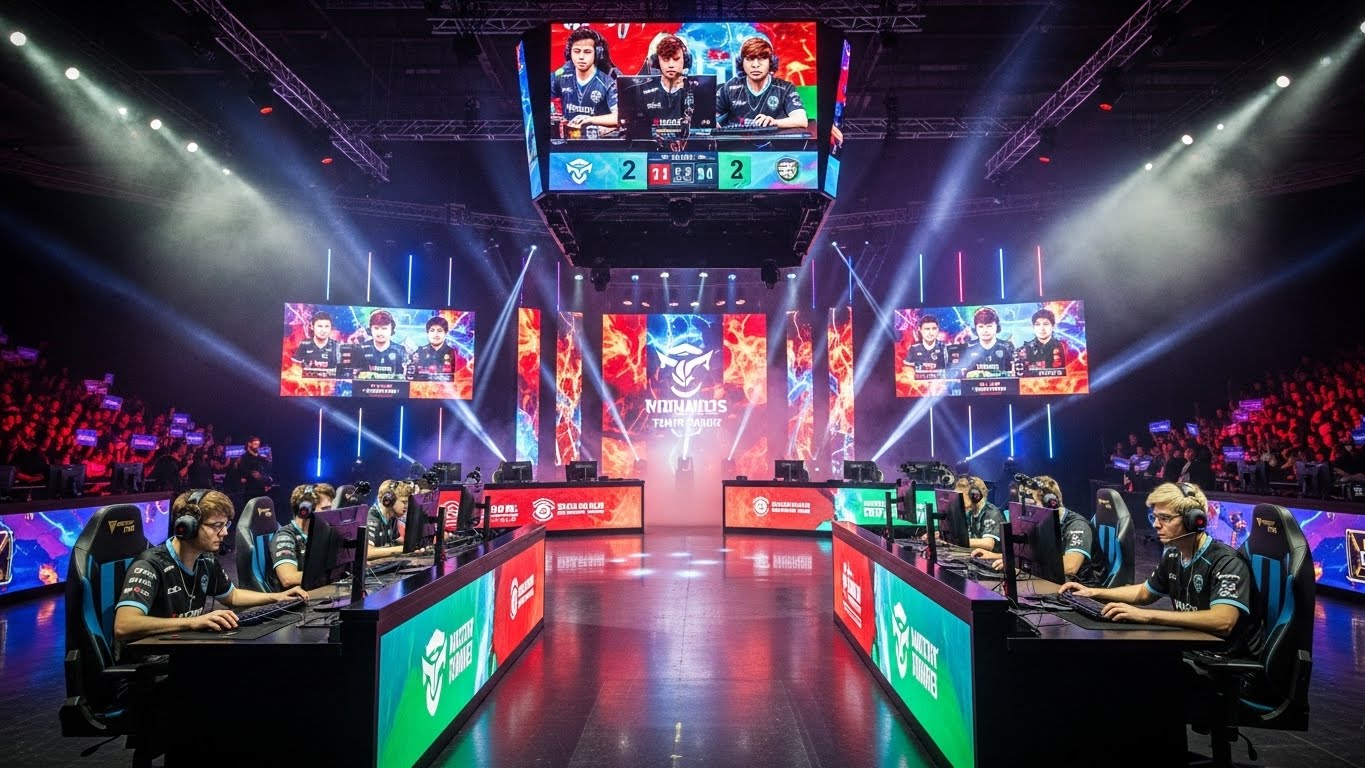
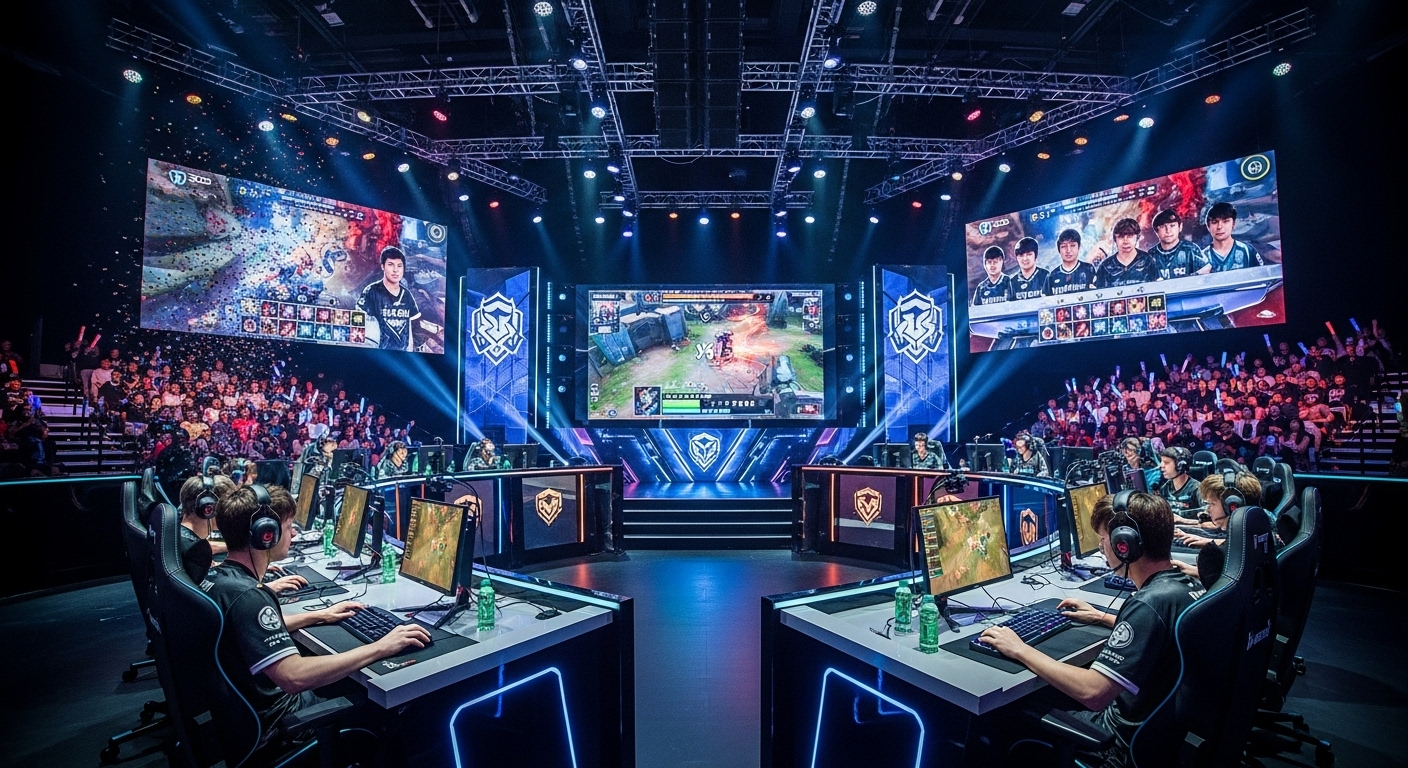
eSports, or electronic sports, has emerged as a global phenomenon, transforming gaming from a casual hobby into a professional competitive platform. With millions of fans worldwide, eSports has created opportunities for players, teams, and organizations, turning digital games into high-stakes entertainment. It is now recognized not only as a form of recreation but as a legitimate sport that requires skill, strategy, and dedication.
The Rise of eSports
The origins of eSports trace back to small gaming tournaments in the 1980s and 1990s, where arcade and PC games brought local players together. With the advent of the internet, multiplayer online games allowed players to compete globally. Today, eSports includes diverse genres such as strategy games, first-person shooters, fighting games, and multiplayer online battle arenas, attracting millions of viewers and participants across the world.
Professional Gaming as a Career
Competitive gaming has evolved into a professional career path. Top players earn income through tournaments, sponsorships, and live streaming. Professional teams employ coaches, analysts, and support staff, similar to traditional sports organizations. eSports athletes train rigorously, often dedicating hours to practice, strategy, and teamwork. This professionalization has elevated gaming to a serious and respected discipline.
Technology Driving eSports
Technology is at the core of eSports. High-speed internet, advanced gaming hardware, and streaming platforms make global competition possible. Live streaming allows fans to watch tournaments in real-time, interact with players, and follow updates. Virtual arenas, high-quality graphics, and immersive sound enhance the gaming experience, making eSports not only competitive but highly entertaining for spectators.
Community and Connection
eSports fosters strong communities where players and fans connect over shared interests. Online forums, streaming chats, and social media bring together people from different backgrounds, creating friendships and collaborative networks. These communities encourage learning, mentorship, and teamwork, allowing gaming culture to thrive both on and off the screen.
Skills and Benefits
eSports requires more than reflexes; it demands critical thinking, decision-making, communication, and strategic planning. Players learn to adapt under pressure, manage resources, and coordinate with teammates. Participation in competitive gaming can improve focus, resilience, and problem-solving skills, demonstrating that eSports is both intellectually and socially rewarding.
The Future of eSports
The future of eSports is bright, driven by technology and growing recognition. Virtual reality, augmented reality, and artificial intelligence are poised to make gaming experiences more immersive and interactive. Schools and organizations are beginning to include eSports programs, and tournaments continue to attract global audiences. Competitive gaming is set to expand further, blending entertainment, sport, and education in innovative ways.
Conclusion
eSports has redefined what it means to compete in the digital age. It combines skill, strategy, and community while offering opportunities for players to pursue professional careers. As technology advances and audiences grow, eSports will continue to evolve, shaping the future of gaming and entertainment worldwide. It is not just a game—it is a new era of competition, connection, and innovation.