





Introduction
Esports has emerged as one of the fastest-growing entertainment phenomena in the modern era. What started as casual competitive gaming has transformed into a professional industry attracting millions of players, fans, and sponsors worldwide. With tournaments rivaling traditional sports in scale and popularity, esports has firmly established itself as a legitimate and influential part of global culture.
The Evolution of Competitive Gaming
Competitive gaming began in small local tournaments and online communities, but the rise of the internet and advanced gaming technology propelled esports into the global spotlight. From strategy games and first-person shooters to battle royale competitions, each new game brings unique challenges and attracts dedicated communities. Over the years, esports has grown from niche hobby to mainstream spectacle.
Professional Players and Teams
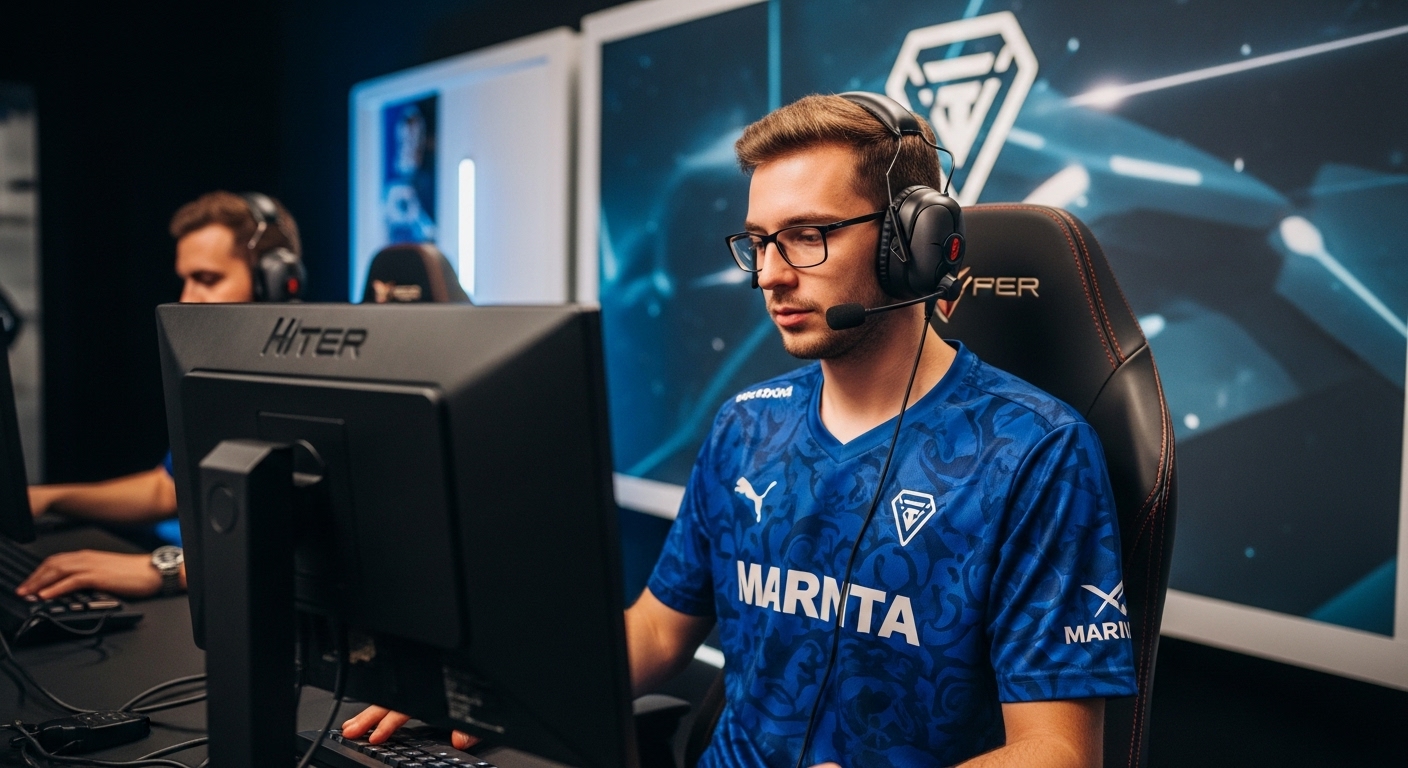
Esports professionals are more than just skilled gamers—they are athletes who dedicate countless hours to practice, strategy, and teamwork. Teams operate with structured training regimens, coaches, analysts, and support staff, making competitive gaming a career that demands discipline and commitment. Success in esports is a combination of skill, mental resilience, and the ability to adapt under pressure.
Global Tournaments and Fan Engagement
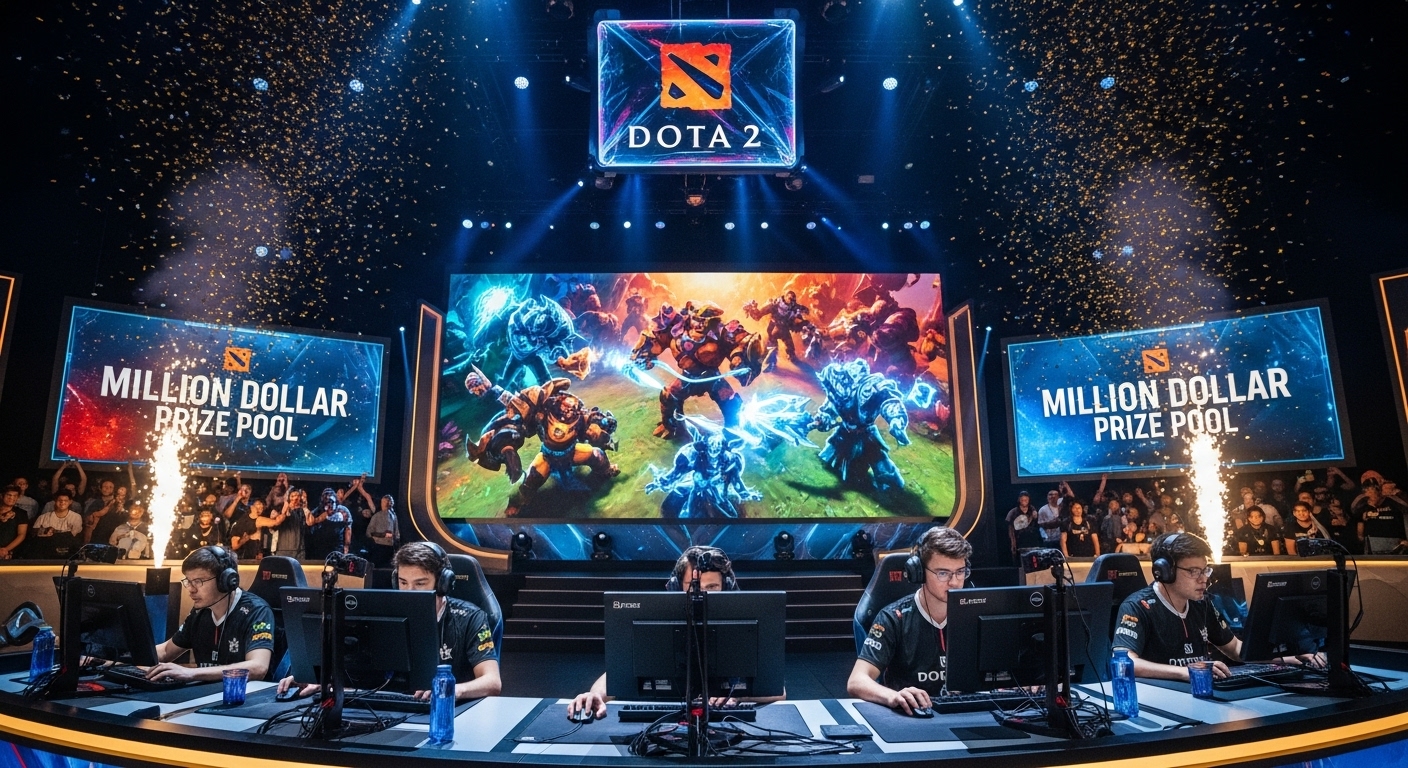
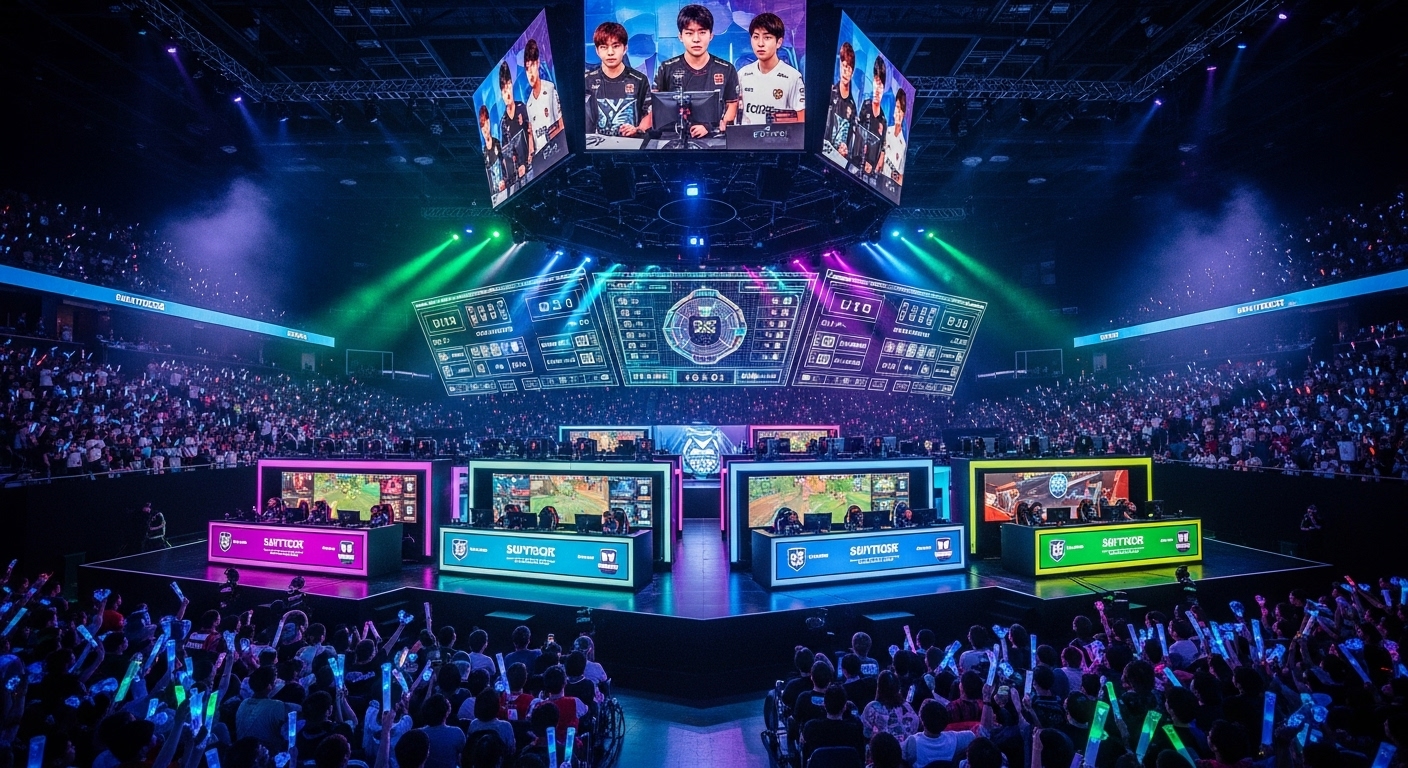
Esports tournaments are major events, often drawing thousands of live spectators while millions watch online streams. Fans participate through chat interactions, social media, and community forums, creating a dynamic and passionate fan culture. Cosplay, fan art, and online content further strengthen the sense of community around esports, making it more than just a game—it is a lifestyle.
Technological Advancements Driving Esports
The growth of esports is inseparable from technological innovation. High-speed internet, powerful gaming hardware, and streaming platforms have made global competitions possible. Emerging technologies like virtual reality and augmented reality are enhancing both gameplay and the viewer experience, ensuring esports remains at the cutting edge of entertainment.
Career Opportunities Beyond the Player
The esports ecosystem offers opportunities far beyond professional players. Coaches, commentators, content creators, event organizers, and marketing specialists all play vital roles in the industry. As esports continues to grow, it provides diverse career paths, blending gaming, business, media, and technology in innovative ways.
The Future of Esports
Esports shows no signs of slowing down. Investment in infrastructure, mainstream recognition, and integration with educational and corporate sectors promise continued growth. The industry is set to become even more immersive, competitive, and influential, redefining the boundaries of digital entertainment.
Conclusion
Esports is more than just gaming—it is a professional arena, a cultural movement, and a technological frontier. It brings people together, creates opportunities, and challenges traditional notions of competition. As esports continues to evolve, it demonstrates the power of digital platforms to transform entertainment, careers, and communities worldwide.