





Introduction
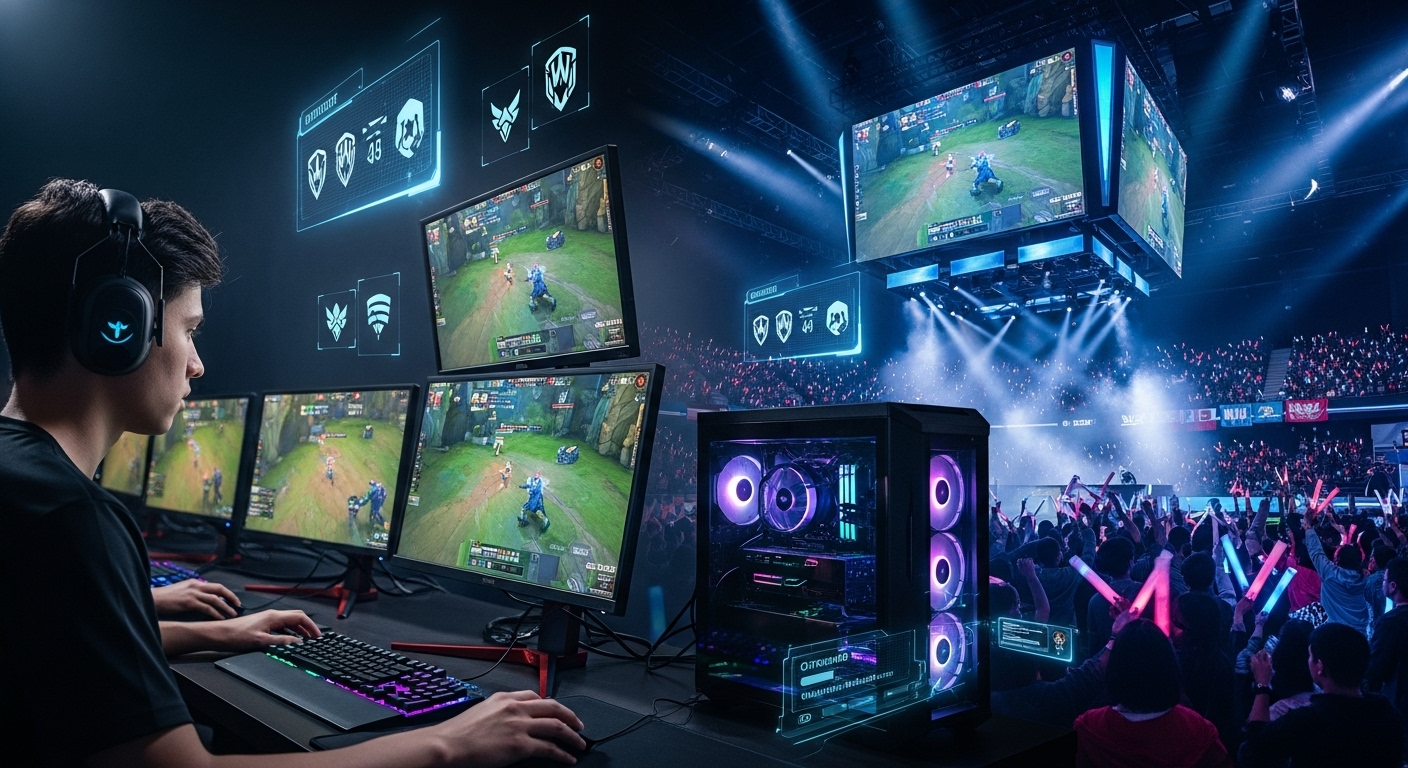
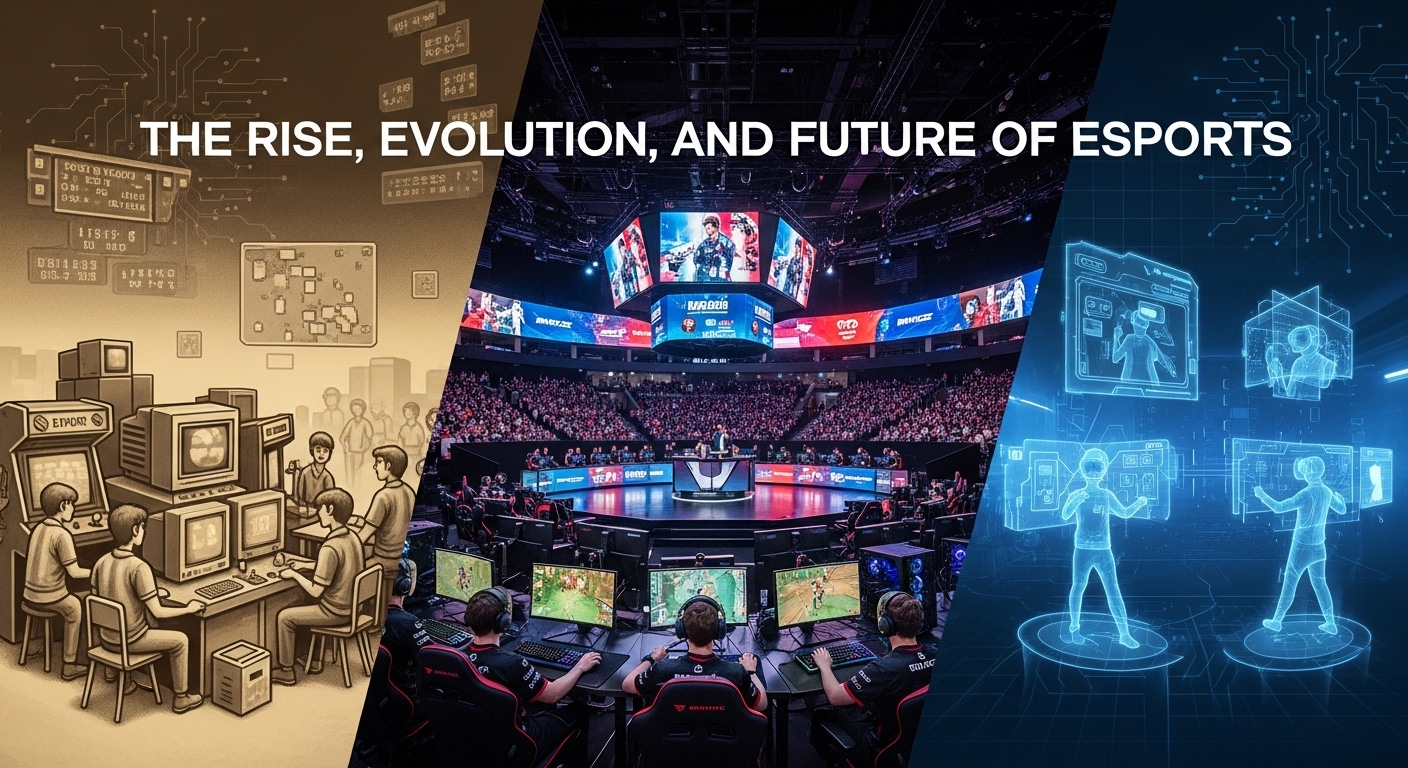
In the past few decades, the world of competitive gaming has transformed from a small, underground pastime into a global entertainment phenomenon. What began as casual gatherings in local arcades or LAN centers has now become a multi-billion-dollar industry known as Esports. Today, Esports fills stadiums, attracts millions of online viewers, and generates sponsorship deals that rival traditional sports.
This transformation did not happen overnight. It is the result of cultural shifts, technological advancements, and a new generation of players and fans who grew up in the digital age. Esports is not just a form of entertainment; it represents a new era of competition, creativity, and community.
In this comprehensive exploration, we’ll dive into the origins, growth, structure, and impact of Esports, as well as its challenges and future potential.
The Origins of Esports
To understand Esports today, we must first look back to its humble beginnings. Competitive gaming has existed for nearly as long as video games themselves.
The Early Days
The first recognized video game competition dates back to 1972, when students at Stanford University competed in a game called Spacewar! The winner received a year’s subscription to Rolling Stone magazine — a far cry from the multimillion-dollar prizes of today.
During the 1980s, the arcade era fueled the first wave of gaming competition. Titles like Pac-Man, Donkey Kong, and Space Invaders attracted players who aimed to set world records. Magazines like Twin Galaxies began to track and publish high scores, creating the earliest form of gaming leaderboards.
In 1980, Atari hosted the Space Invaders Championship, one of the first large-scale video game tournaments, which drew over 10,000 participants. Though primitive compared to modern standards, this event marked the beginning of organized competitive gaming.
The 1990s and the Birth of Multiplayer
The 1990s were a turning point. The advent of home gaming consoles like the Super Nintendo and Sega Genesis, along with the rise of PC gaming, brought multiplayer experiences to living rooms and local networks.
The rise of the first-person shooter (FPS) genre, led by Doom and Quake, created a foundation for modern Esports. In 1997, the Red Annihilation Quake tournament offered a groundbreaking prize — the winner received John Carmack’s Ferrari. This was a symbolic moment: gaming had evolved from a hobby to a professional pursuit.
At the same time, real-time strategy (RTS) games like StarCraft gained popularity in South Korea, where gaming culture would soon explode into a national phenomenon. Internet cafés, known as “PC bangs,” became the social hubs for young players, setting the stage for the professionalization of gaming.
The 2000s: Esports Goes Global
The early 2000s were the decade when Esports became truly international. High-speed internet, streaming technology, and online multiplayer systems revolutionized how players and fans interacted.
The Rise of Competitive Titles
Several key games defined this era and built the infrastructure of modern Esports:
- Counter-Strike (1999) introduced tactical, team-based FPS gameplay that required coordination and strategy.
- StarCraft: Brood War (1998) dominated South Korea, where professional leagues were formed and broadcast on national television.
- Warcraft III (2002) fostered a competitive scene that later gave birth to entirely new genres, including the multiplayer online battle arena (MOBA).
- Halo (2001) brought Esports to console players, thanks to LAN parties and tournaments sponsored by Major League Gaming (MLG).
The Formation of Leagues and Organizations
As competition grew, formal structures began to emerge. Major League Gaming (MLG) in North America and World Cyber Games (WCG) internationally created platforms for players to compete professionally.
For the first time, gaming had a professional ecosystem — with teams, sponsors, commentators, and dedicated audiences.
The 2010s: The Golden Era of Esports
If the 2000s built the foundation, the 2010s catapulted Esports into mainstream culture. This decade witnessed an explosion in viewership, investment, and cultural acceptance.
The Power of Streaming
One of the biggest catalysts for this growth was live streaming. Platforms like Twitch and YouTube Gaming allowed players to broadcast their gameplay to millions of viewers in real time. Suddenly, Esports was no longer limited to those who could attend events in person — it was accessible to anyone with an internet connection.
Streaming also created new celebrities. Professional players, known as “pro gamers,” and personalities known as “streamers” built loyal fan bases. Fans could interact directly with their favorite players, bridging the gap between spectator and competitor in a way that traditional sports could not replicate.
The Rise of Major Esports Titles
Several games defined this golden era, each contributing uniquely to the Esports ecosystem:
- League of Legends (LoL): Riot Games’ flagship MOBA became the world’s most-watched Esport, with its annual World Championship drawing millions of viewers.
- Dota 2: Known for The International, a tournament that offered record-breaking prize pools funded by the player community itself.
- Counter-Strike: Global Offensive (CS:GO): Continued the legacy of tactical shooters with a massive global following.
- Overwatch, Call of Duty, and Fortnite also carved out their own competitive niches.
The Mainstream Moment
By the late 2010s, Esports had firmly entered mainstream consciousness. Stadiums sold out for tournaments like The International and the League of Legends World Championship. Esports highlights appeared on traditional sports networks. Universities began offering scholarships for Esports athletes.
In 2018, the League of Legends World Championship Finals were watched by over 100 million viewers — more than many major sporting events. Esports was no longer a subculture; it was a global entertainment powerhouse.
The Esports Ecosystem: How It Works
Esports operates as a complex ecosystem with multiple stakeholders — players, teams, organizations, sponsors, developers, and fans — all contributing to its growth and sustainability.
Players and Teams
At the heart of Esports are the players. Professional gamers train for hours each day, refining reflexes, strategies, and team coordination. Like traditional athletes, they follow rigorous schedules, adhere to strict practice regimens, and even employ coaches and analysts.
Teams function much like professional sports franchises. They have owners, managers, sponsors, and branding strategies. Successful teams like Fnatic, Team Liquid, and T1 have become global brands.
Developers and Publishers
Unlike traditional sports, where no one owns the concept of “football” or “basketball,” Esports depends heavily on game developers. Companies like Riot Games, Valve, and Blizzard control the games, rules, and competitive structures.
This creates both opportunities and challenges. On one hand, developers can ensure consistency and invest directly in tournaments. On the other, the centralization of control can lead to disputes over revenue sharing and league management.
Events and Production
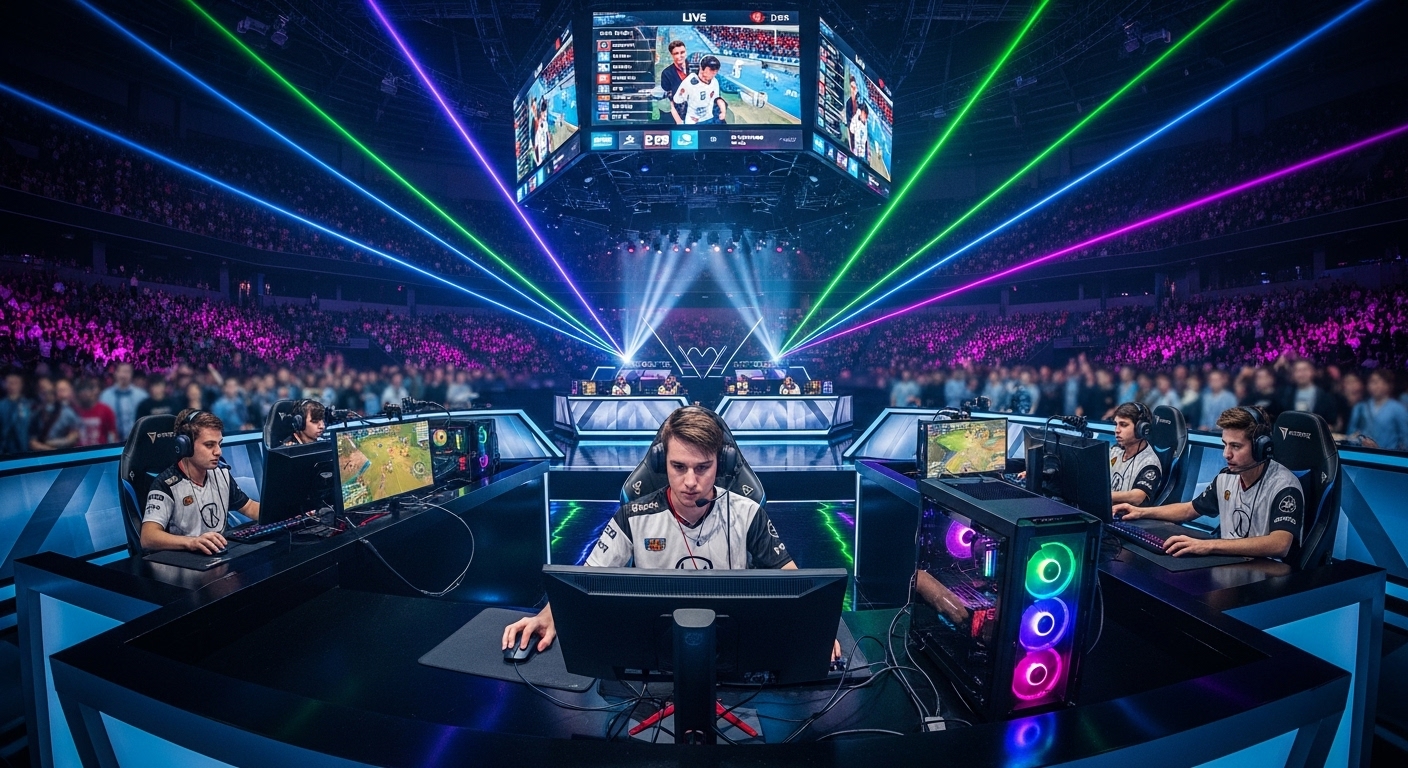
Modern Esports events rival major music festivals and sports finals in scale and production quality. They feature massive LED screens, live commentary, music performances, and cinematic presentation.
Behind every event is a team of organizers, casters (commentators), analysts, and production crews. Esports broadcasting has developed its own unique style, blending gaming culture with professional sports presentation.
The Economic Power of Esports
The financial growth of Esports has been staggering. What started with small cash prizes and hardware giveaways has turned into a billion-dollar industry.
Revenue Streams
The Esports economy is fueled by several key revenue sources:
- Sponsorships and Advertising: Brands from energy drinks to luxury watches have entered the Esports space to reach younger audiences.
- Media Rights: Streaming platforms and broadcasters pay for exclusive rights to air major tournaments.
- Merchandise and Ticket Sales: Team jerseys, collectibles, and event tickets contribute significantly to revenue.
- In-Game Purchases: Games like Dota 2 and League of Legends monetize Esports through cosmetic items linked to events.
Prize Pools and Player Salaries
Prize pools have grown dramatically. The International 2021 for Dota 2 offered over 40 million dollars — one of the largest in Esports history. Professional players now earn salaries, endorsements, and streaming income. Some top players make millions annually.
This level of compensation has also created new career paths — not just for players, but for coaches, analysts, content creators, and event organizers.
The Cultural Impact of Esports
Esports is more than competition; it’s a cultural movement that reflects the values of a connected generation.
Breaking Down Stereotypes
For years, gaming was stereotyped as a solitary or unproductive activity. Esports shattered that notion. It showcased discipline, teamwork, and innovation. Gamers became athletes, ambassadors, and entrepreneurs.
Global Community and Diversity
Esports transcends borders. Players from South Korea, China, North America, Europe, and beyond compete on the same stage. Fans from every corner of the world unite online to celebrate their favorite teams.
It is also one of the most accessible forms of competition — anyone with a computer or console can dream of becoming a professional. This global inclusivity is part of what makes Esports so powerful.
Influence on Media and Entertainment
The influence of Esports can be seen across pop culture. Esports athletes appear in commercials, documentaries, and even music videos. Major film studios and streaming services have produced content centered around competitive gaming.
Traditional sports organizations, from the NBA to Formula 1, have launched their own Esports divisions. The line between virtual and physical competition continues to blur.
The Challenges Facing Esports
Despite its incredible growth, Esports faces several challenges that could shape its future.
Player Health and Longevity
Professional gaming requires intense mental and physical effort. Players often face burnout, repetitive strain injuries, and stress. The average professional Esports career is much shorter than that of traditional athletes.
Efforts are being made to address this through better training programs, sports psychology, and wellness initiatives, but the issue remains pressing.
Economic Sustainability
While top-tier organizations and tournaments thrive, smaller teams and lesser-known games struggle financially. Revenue distribution remains uneven, and some leagues rely heavily on sponsorships rather than sustainable business models.
Governance and Regulation
Esports lacks a unified global governing body. Rules, standards, and contracts vary widely between games and regions. This creates complications around player rights, fair competition, and integrity.
Cheating, match-fixing, and doping scandals have also emerged, prompting calls for stronger oversight.
Gender and Inclusivity Issues
Although Esports is open to all, female and nonbinary players face barriers including harassment and lack of representation. Some organizations have created women-only leagues to foster inclusion, but the industry continues to grapple with gender equality.
The Future of Esports
The next chapter of Esports promises even greater transformation. As technology evolves, so too will the way we play, watch, and experience competitive gaming.
Integration with Emerging Technologies
Virtual Reality (VR) and Augmented Reality (AR) could redefine the Esports experience, creating immersive environments for both players and fans. Meanwhile, Artificial Intelligence (AI) is being used to analyze performance, enhance training, and even design smarter opponents.
Cloud gaming will make Esports more accessible by removing hardware limitations, allowing players anywhere to compete at high levels.
The Metaverse and Esports
The concept of the metaverse — interconnected virtual worlds — may become a natural home for Esports. In such spaces, tournaments could take place in interactive virtual arenas where players and fans coexist in real time.
This could revolutionize fan engagement, with virtual merchandise, avatars, and personalized viewing experiences.
Esports Education and Careers
More universities now offer Esports management, production, and design programs. High schools are forming Esports clubs to teach teamwork and digital literacy. Esports is not only entertainment but a viable educational and career pathway.
Olympic Recognition
The debate over whether Esports should be part of the Olympic Games continues. While not yet an official event, Esports has already appeared as a demonstration at several international competitions. Its inclusion would mark the ultimate validation of gaming as a legitimate sport.
Conclusion
Esports is one of the most remarkable success stories of the digital age. What began as friendly competitions among arcade enthusiasts has evolved into a sophisticated, global ecosystem that blends entertainment, technology, and athleticism.
It represents more than just games; it reflects a generational shift in how we define competition, community, and success. Esports is where creativity meets discipline, where virtual worlds inspire real achievements, and where millions find belonging in shared passion.