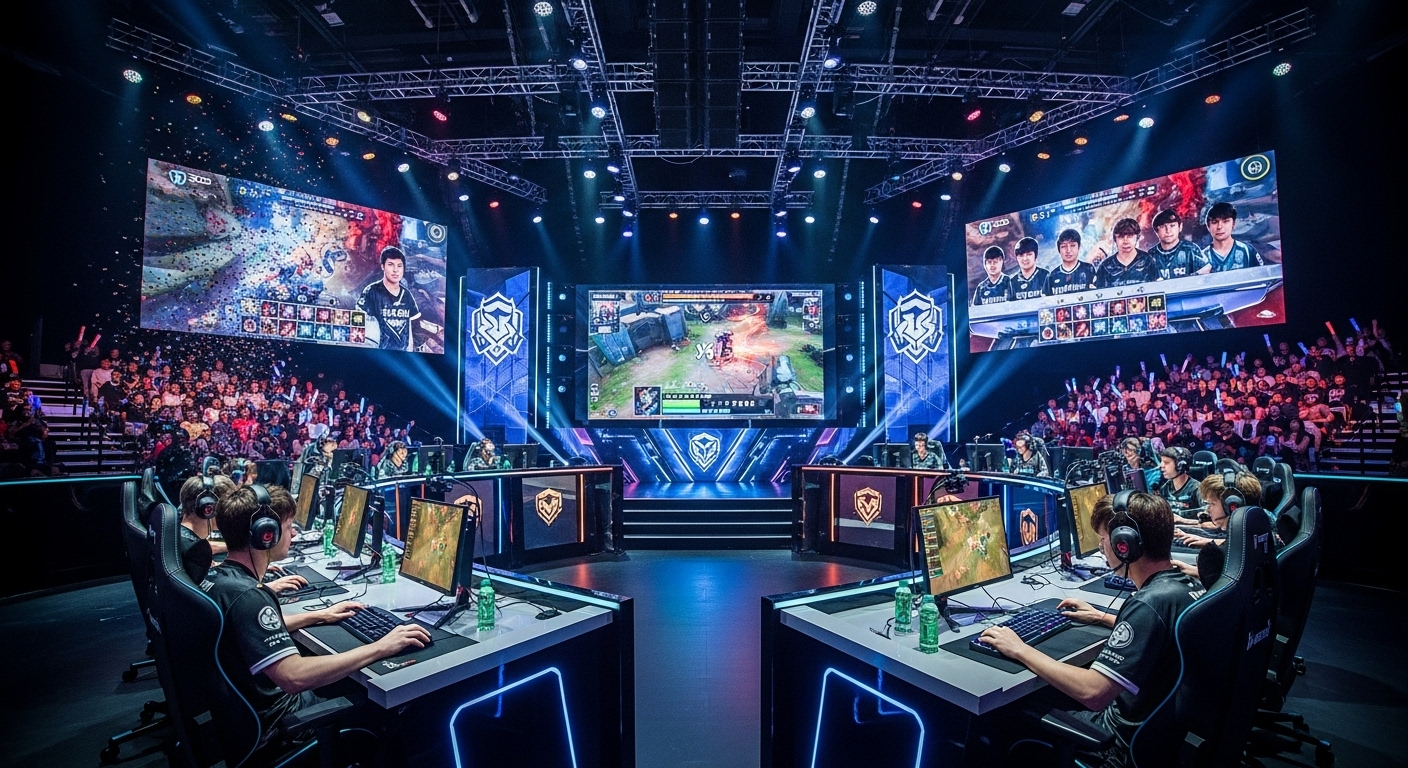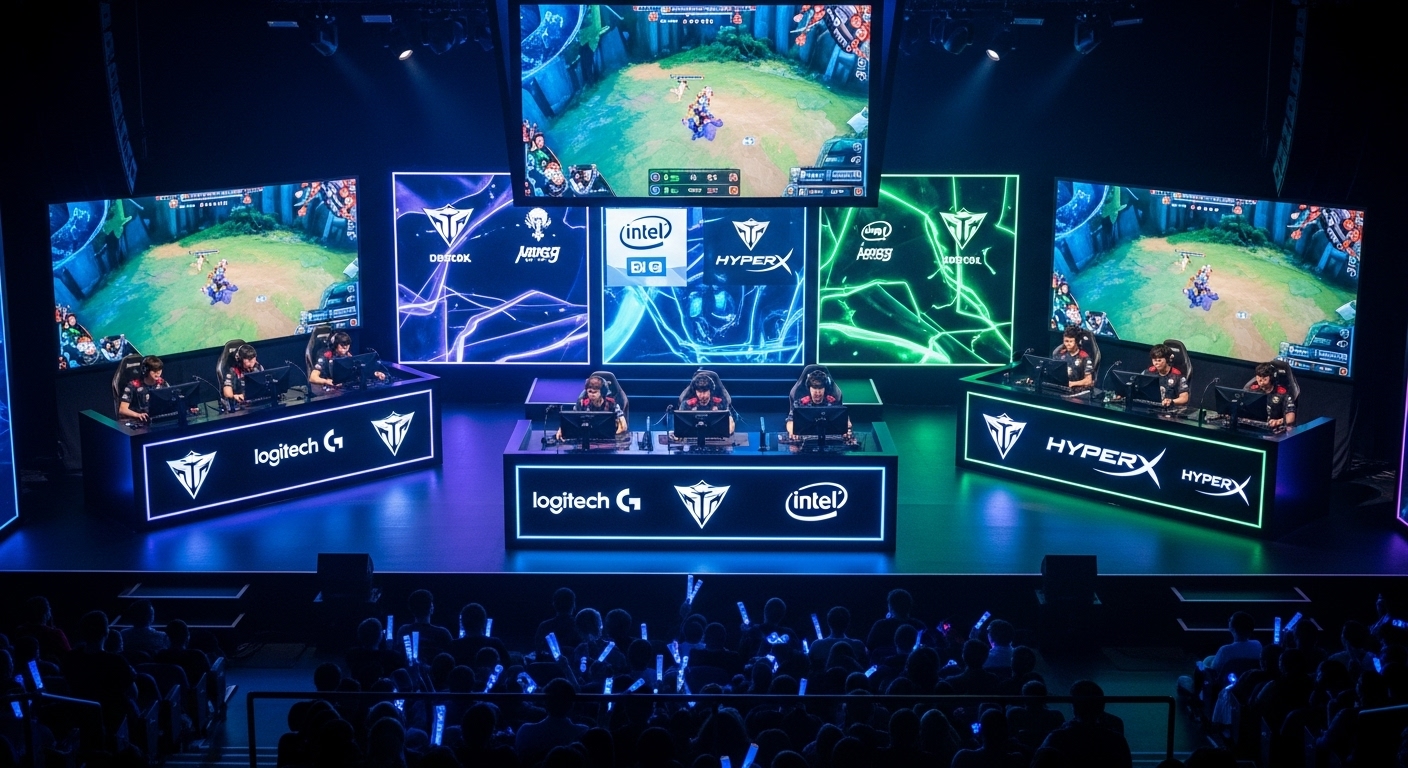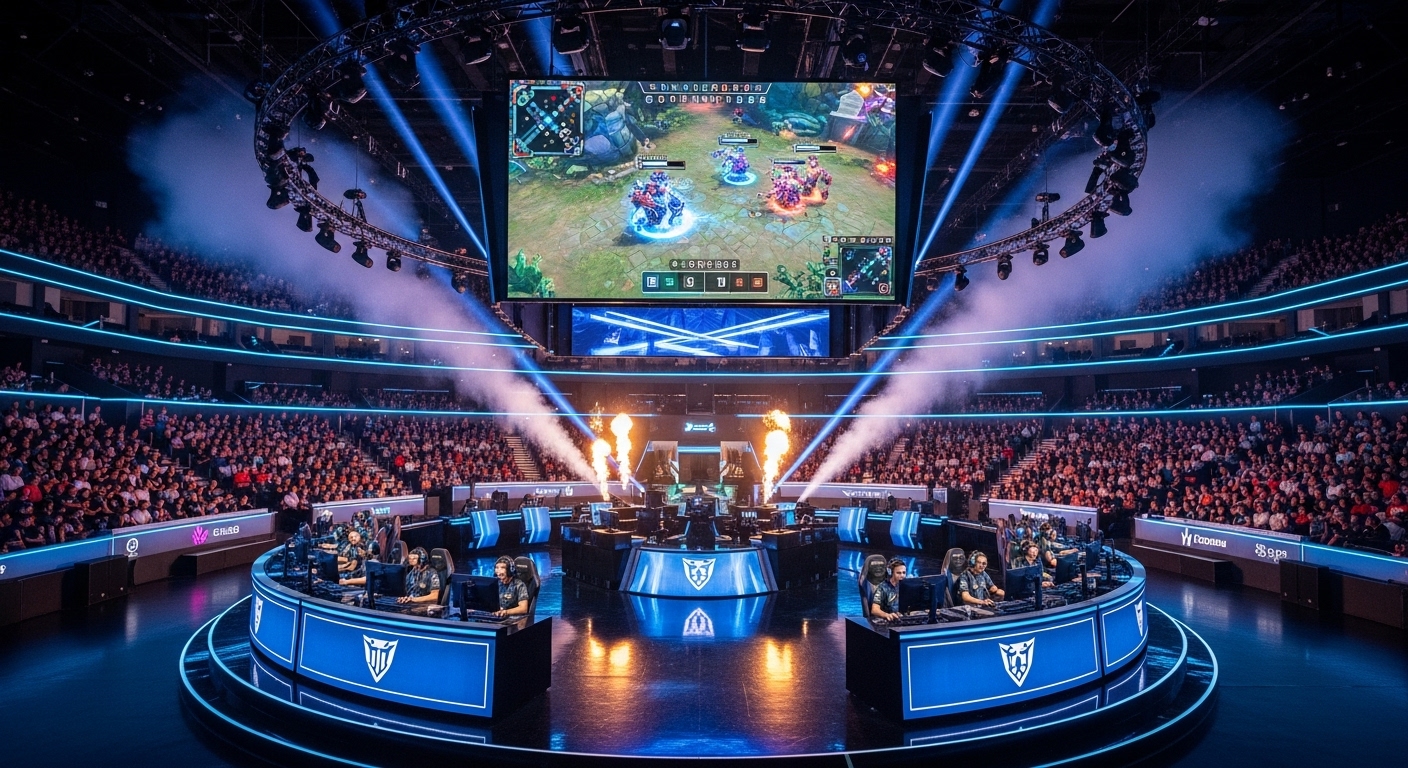






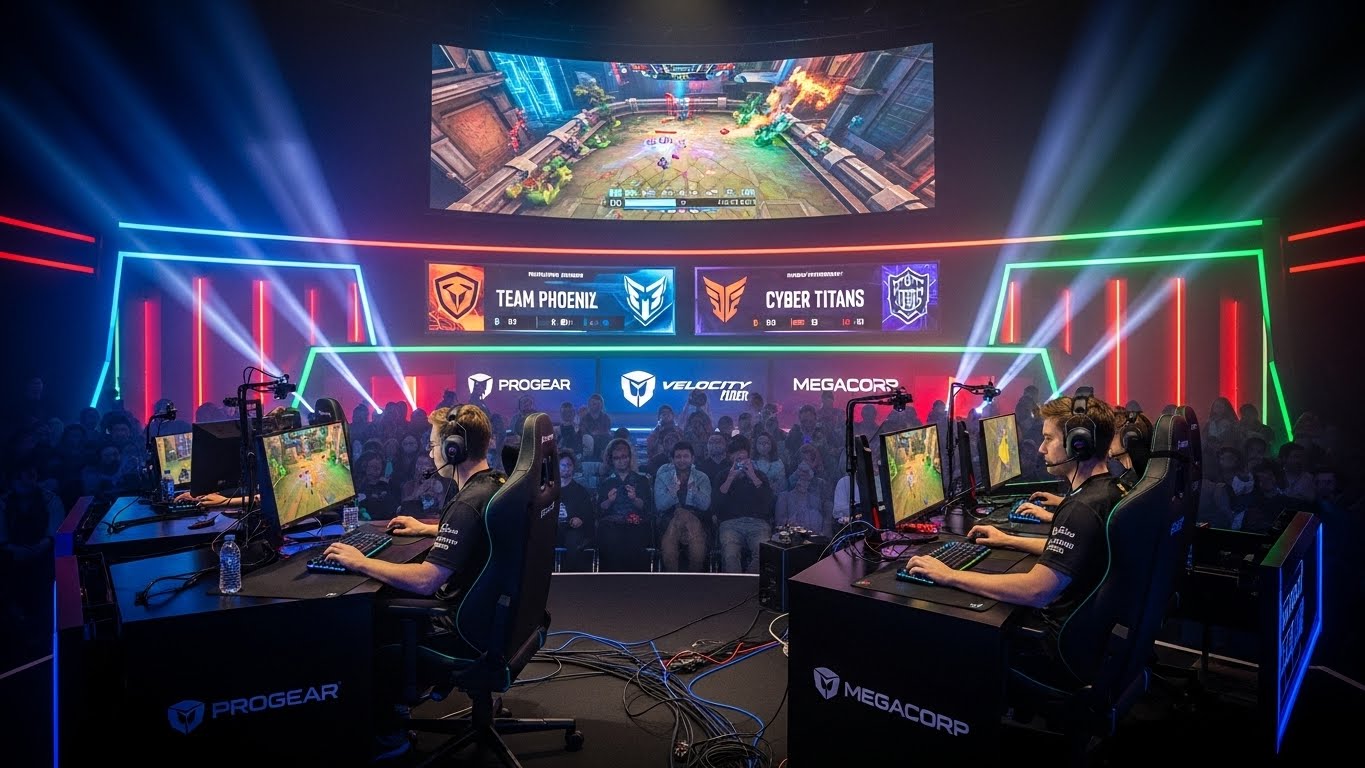
Esports has evolved from small local gaming gatherings into a global competitive phenomenon watched by millions. What was once seen as casual entertainment is now a structured, professional industry with athletes, coaches, analysts, sponsors, and massive audiences. Esports is no longer just about playing video games; it represents a new form of competition, community, and digital culture that continues to grow at an extraordinary pace.
This blog explores the rise of esports, its ecosystem, cultural impact, economic significance, and what the future holds for this rapidly expanding industry.
The Evolution of Esports
The origins of esports can be traced back to early arcade competitions and local gaming tournaments. In those days, competition was informal, often limited to small venues and niche audiences. As technology advanced and internet connectivity improved, multiplayer gaming became more accessible, allowing players from different regions to compete against each other in real time.
The transition from casual competition to organized esports occurred when tournaments began offering structured rules, professional commentary, and prize pools. Competitive games such as strategy, shooters, and multiplayer battle arenas laid the foundation for esports as a legitimate form of competition. Over time, esports organizations, professional teams, and leagues emerged, transforming gaming into a career path rather than a hobby.
Today, esports is a global industry with international tournaments, franchised leagues, and dedicated training facilities. The evolution of esports reflects how digital platforms can create entirely new forms of sport and entertainment.
Esports as a Professional Career
One of the most significant changes in esports is the recognition of players as professional athletes. Esports professionals follow rigorous training schedules that include mechanical practice, strategy development, team coordination, and mental conditioning. Reaction time, decision-making, and adaptability are critical skills, often honed through hours of daily practice.
Beyond players, esports has created numerous career opportunities. Coaches analyze gameplay and develop strategies, analysts break down performance data, and team managers handle logistics and operations. Broadcasters, commentators, event organizers, and content creators also play vital roles in the ecosystem.
This professional structure has allowed esports to gain legitimacy in the eyes of sponsors, investors, and educational institutions. Scholarships, training programs, and esports academies are becoming more common, further solidifying esports as a viable career path for aspiring professionals.
The Role of Technology in Esports Growth
Technology is the backbone of esports. High-performance gaming hardware, advanced networking systems, and streaming platforms enable competitive play and global viewership. Improvements in graphics, processing power, and internet speed have enhanced both the player experience and audience engagement.
Streaming technology has been particularly influential. Live broadcasts allow fans to watch tournaments in real time, interact through chat, and follow their favorite players and teams. This interactive element distinguishes esports from traditional sports, creating a closer connection between competitors and fans.
Data analytics and artificial intelligence are also shaping esports. Teams use performance metrics to analyze strategies, improve training methods, and gain competitive advantages. As technology continues to advance, esports will likely become even more sophisticated and data-driven.
Esports and Global Culture
Esports is not confined by geography, language, or traditional cultural boundaries. Players and fans from different countries connect through shared interests, forming global communities around games and teams. This international nature has made esports a powerful cultural force, influencing fashion, music, language, and online trends.
Gaming culture has introduced its own symbols, expressions, and rituals. Fans celebrate victories, analyze plays, and engage in debates with the same passion seen in traditional sports communities. Esports events often feel like cultural festivals, combining competition with entertainment, art, and social interaction.
The inclusivity of esports is another defining feature. While challenges remain, esports provides opportunities for individuals regardless of physical limitations, allowing talent and skill to take center stage. This accessibility has contributed to its widespread appeal and cultural relevance.
Economic Impact of the Esports Industry
The esports industry has become a significant economic force. Revenue streams include sponsorships, merchandise, media rights, ticket sales, and digital content. Brands from technology, apparel, food, and finance sectors are investing heavily in esports to reach younger, digitally engaged audiences.
Major tournaments generate substantial economic activity, from venue operations to tourism and hospitality. Cities that host large esports events benefit from increased visibility and economic growth. Esports organizations operate as businesses, managing budgets, negotiating contracts, and building brand identities.
The economic growth of esports also supports innovation. Investment in game development, broadcasting technology, and digital platforms drives advancements that extend beyond gaming. As the industry matures, its economic influence is expected to expand even further.
Esports and Education
Esports is increasingly finding a place within educational institutions. Schools and universities are incorporating esports programs to engage students, develop teamwork skills, and promote digital literacy. Competitive gaming clubs and varsity teams provide structured environments for students to pursue their interests while maintaining academic responsibilities.
Educational esports programs emphasize more than gameplay. Students learn leadership, communication, strategic thinking, and time management. Some programs also focus on game design, event production, and media, preparing students for a wide range of careers within the industry.
By bridging education and esports, institutions recognize the value of gaming as a tool for learning and personal development. This integration reflects a broader shift in how society views digital skills and interactive media.
Mental and Physical Health in Esports
As esports becomes more competitive, the importance of player health has gained attention. Long hours of practice, high-pressure environments, and intense competition can take a toll on mental and physical well-being. Professional teams now emphasize balanced routines that include physical exercise, proper nutrition, and mental health support.
Mental resilience is particularly crucial in esports. Players must manage stress, maintain focus, and adapt quickly to changing situations. Sports psychologists and performance coaches are increasingly involved in helping players build confidence and cope with pressure.
Addressing health concerns is essential for the sustainability of esports careers. By prioritizing well-being, the industry can support long-term success and set positive examples for aspiring players.
The Relationship Between Esports and Traditional Sports
Esports and traditional sports are often compared, but their relationship is more complementary than competitive. Both emphasize skill, strategy, teamwork, and competition. Traditional sports organizations are investing in esports teams, recognizing its potential to attract new audiences and expand their brands.
Esports also draws inspiration from traditional sports structures, including leagues, seasons, and championships. At the same time, esports introduces innovations such as digital engagement, interactive broadcasting, and global accessibility.
This blending of worlds highlights how competition is evolving in the digital age. Esports does not replace traditional sports but expands the definition of what sport can be in a connected, technology-driven society.
Challenges Facing the Esports Industry
Despite its growth, esports faces several challenges. Issues such as player burnout, inconsistent regulations, and competitive integrity require ongoing attention. Cheating, match-fixing, and performance-enhancing software threaten the credibility of competition if not properly addressed.
Diversity and inclusion remain areas for improvement. While esports is more accessible than many traditional sports, barriers still exist for underrepresented groups. Creating safe, respectful environments is essential for long-term growth and community trust.
The rapid pace of change also presents challenges. Games rise and fall in popularity, requiring organizations to adapt quickly. Stability, sustainability, and ethical governance will play critical roles in shaping the future of esports.
The Future of Esports
The future of esports is filled with possibility. Advances in virtual reality, augmented reality, and artificial intelligence may redefine how games are played and experienced. New genres, formats, and platforms will continue to emerge, expanding the reach of competitive gaming.
Esports may become even more integrated into mainstream culture, with greater recognition from media, educational systems, and governments. As infrastructure improves and audiences grow, esports has the potential to rival traditional sports in popularity and influence.
Ultimately, the future of esports depends on how the industry balances innovation with responsibility. By supporting players, engaging communities, and maintaining integrity, esports can continue to thrive as a defining feature of modern digital culture.
Conclusion
Esports represents more than competition on a screen. It is a reflection of how technology, culture, and human ambition intersect in the digital age. From professional careers and global communities to economic growth and cultural influence, esports has transformed gaming into a powerful social and competitive force.
As the industry continues to evolve, it challenges traditional ideas of sport, entertainment, and connection. Esports is not just shaping the future of gaming; it is shaping the future of competition itself. In a world where digital experiences matter more than ever, esports stands as a symbol of innovation, passion, and the limitless potential of human creativity.