





Introduction: The New Age of Competitive Gaming
Esports has emerged as one of the most influential and rapidly growing phenomena in the world of entertainment. Once considered a casual pastime, competitive gaming has now transformed into a professional industry that attracts millions of players, viewers, and investors worldwide. From young enthusiasts competing in local leagues to elite players vying for millions in international tournaments, Esports has become a platform where skill, strategy, and mental resilience define success. Beyond gaming, Esports represents a cultural shift in how people perceive competition, community, and digital entertainment.
The Origins and Evolution of Esports
The concept of Esports traces back to the early days of video gaming in the 1970s and 1980s. Arcades became centers for friendly competition, with games like Pong, Space Invaders, and Pac-Man attracting local champions. In the 1990s, personal computers and internet connectivity gave rise to online multiplayer games, allowing players to compete across cities, countries, and eventually continents.
Key titles such as StarCraft, Quake, and Counter-Strike popularized organized competitive play, introducing leagues and tournaments with cash prizes. The 2000s witnessed further professionalization, and with the advent of streaming platforms like Twitch in the 2010s, Esports reached global audiences. Today, Esports is a billion-dollar industry with structured teams, coaches, sponsorships, and international competitions that rival traditional sports in scale and popularity.
Global Appeal and Accessibility
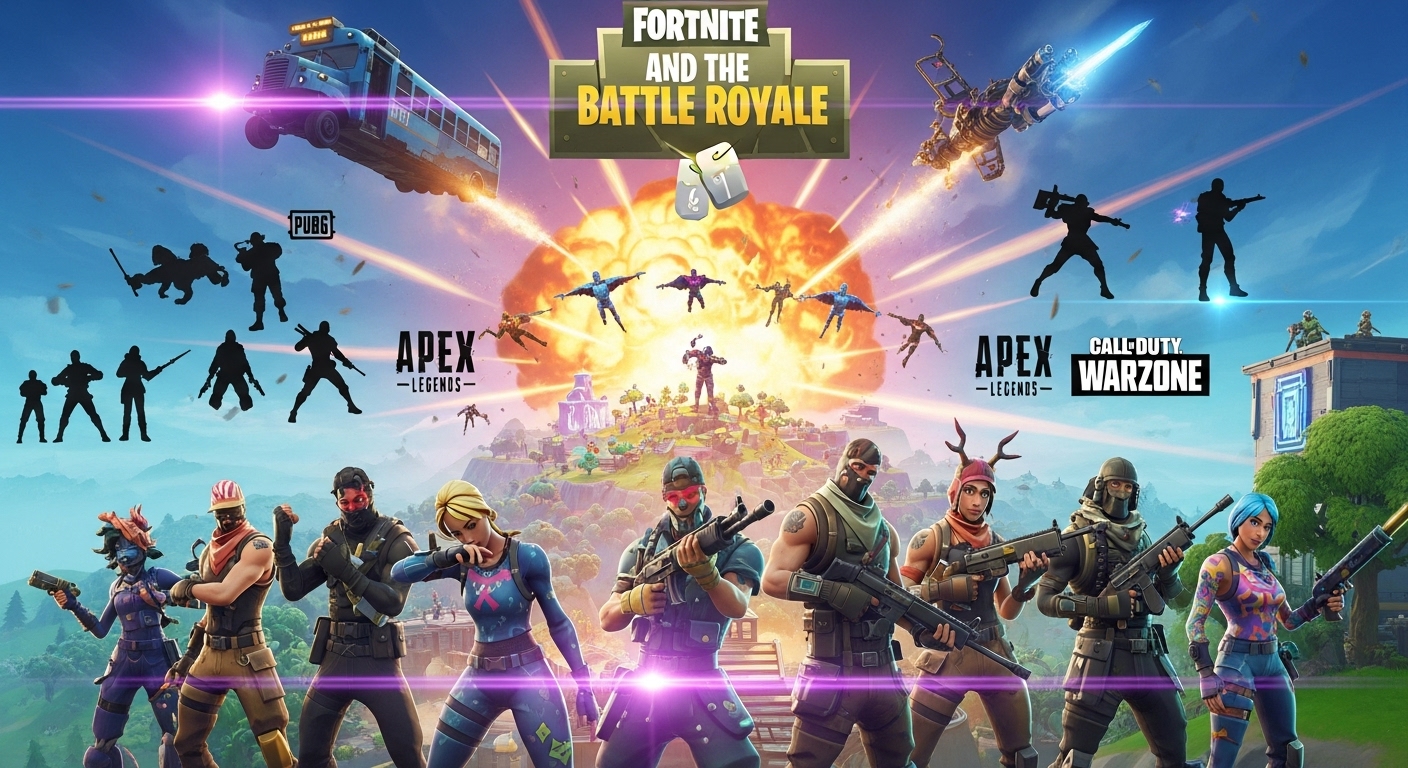
Esports’ appeal lies in its accessibility and inclusivity. Unlike traditional sports, which often require physical spaces and equipment, Esports can be played anywhere with a computer, console, or mobile device. Games such as League of Legends, Dota 2, Call of Duty, and Fortnite have amassed global communities, connecting millions of players from diverse backgrounds.
The growth of Esports is also fueled by live streaming, which allows fans to watch matches, interact with players, and engage in tournaments from the comfort of their homes. This digital accessibility has made Esports a universal language, connecting individuals across cultures, languages, and continents through a shared passion for competitive gaming.
The Life of a Professional Esports Player
Professional Esports players are the athletes of the digital age. Their success depends on exceptional hand-eye coordination, reflexes, strategic thinking, and mental endurance. Players often practice six to ten hours daily, analyzing opponents, mastering game mechanics, and perfecting teamwork.
Beyond technical skills, players must maintain physical health through fitness routines, proper nutrition, and rest, as long hours of gaming can take a toll on the body. Mental conditioning is equally crucial, as players face high-pressure situations where split-second decisions can determine victory or defeat. The dedication, discipline, and focus required to excel in Esports demonstrate that professional gaming is as rigorous as any traditional sport.
Teams and Organizational Structure
Esports teams function similarly to professional sports organizations. They have managers, coaches, analysts, and support staff to optimize performance. Teams compete in local and international leagues and often secure sponsorship deals to sustain their operations.
Successful organizations focus on talent development, creating training regimens, and fostering team cohesion. Interaction with fans is also a priority, with players and teams using social media and streaming platforms to build communities. Teams are crucial to the growth and credibility of Esports, as they cultivate skill, maintain professionalism, and engage audiences worldwide.
Tournaments and Competitive Events
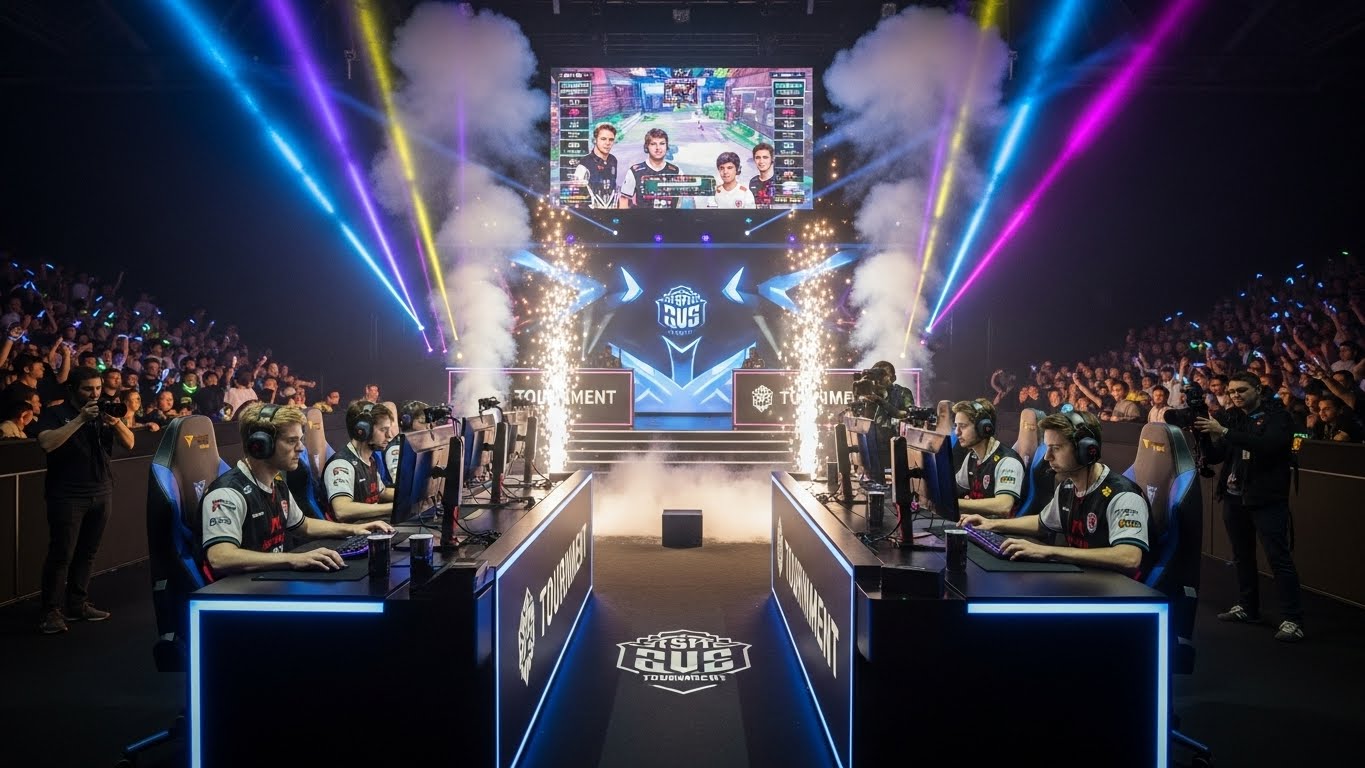
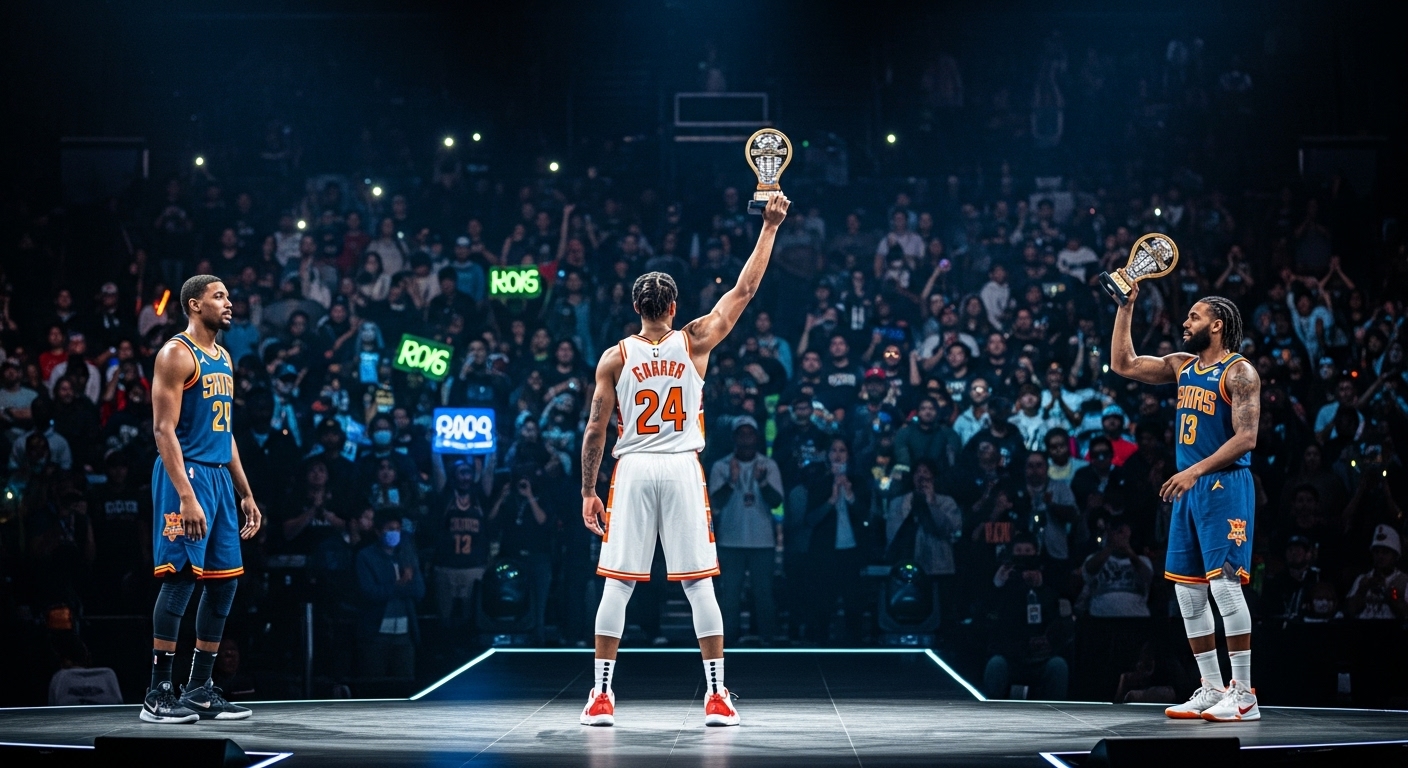
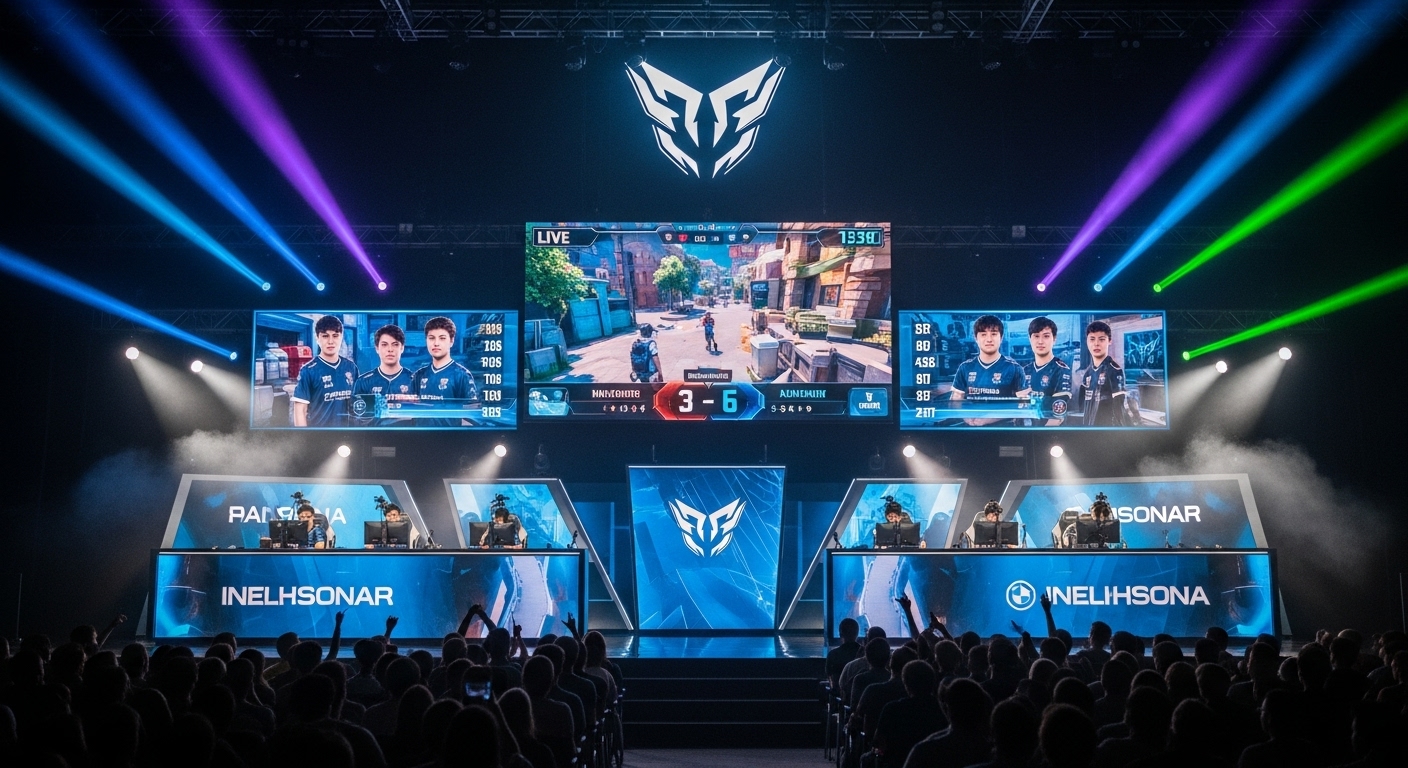
Tournaments are the heart of Esports. International events like The International, League of Legends World Championship, and Fortnite World Cup attract millions of viewers and offer multi-million-dollar prize pools. These competitions bring together the best players from around the globe, providing high-level gameplay and strategic mastery.
Esports tournaments are not just about competition—they are entertainment spectacles. Live commentary, audience interaction, and professional production transform matches into immersive experiences. Fans cheer, analyze strategies, and form communities, making these events a unique combination of sports, media, and digital culture.
Physical and Mental Demands
While Esports is digital, the physical and mental demands are substantial. Players need fast reflexes, precise control, and the stamina to perform at peak levels during long matches. Many integrate exercise routines to maintain physical endurance and reduce the risk of injuries like carpal tunnel syndrome or back strain.
Mentally, Esports challenges players with constant pressure, strategic decision-making, and unpredictable opponents. Resilience, focus, and adaptability are essential. The combination of mental agility and physical conditioning underscores that Esports is a demanding discipline requiring both cognitive and physiological skill.
Youth Engagement and Development
Esports is particularly popular among younger generations. Schools and universities are incorporating competitive gaming programs, offering scholarships, and organizing tournaments. Participation in Esports equips youth with valuable skills such as teamwork, communication, leadership, and strategic thinking.
Engaging in Esports also encourages problem-solving, digital literacy, and social connections, as players collaborate in online teams and competitions. Early exposure to Esports can enhance confidence, adaptability, and resilience, preparing young individuals for challenges both in gaming and in life.
Career Opportunities Beyond Playing
Esports offers a variety of career paths beyond professional gameplay. Opportunities exist in coaching, team management, event organization, content creation, broadcasting, marketing, and software development. The industry is rapidly expanding, creating demand for skilled professionals who understand gaming culture, digital platforms, and competitive strategy.
Professional players also build personal brands, monetize streaming content, and gain sponsorships. Esports provides a unique environment where passion, creativity, and technology intersect, offering sustainable career opportunities in a rapidly growing industry.
Cultural and Social Impact
Esports has a profound social and cultural influence. It fosters global communities, enabling players and fans from different countries to connect over shared interests. Streaming platforms create spaces for discussion, mentorship, and collaboration, building friendships and communities around games.
Culturally, Esports challenges stereotypes, emphasizing skill, discipline, and professionalism in gaming. It has gained recognition in mainstream media, influencing fashion, music, and entertainment. Esports demonstrates that digital competition can inspire, entertain, and unite people across borders.
The Role of Technology
Technology is central to Esports. High-performance computers, gaming consoles, and peripherals allow precise gameplay. Streaming platforms bring competitions to global audiences, while advanced analytics help players optimize strategies and improve performance.
Emerging technologies such as virtual reality, augmented reality, and artificial intelligence promise to further revolutionize Esports. They will enhance player experiences, create new game formats, and increase fan engagement, ensuring Esports continues to evolve as a dynamic and immersive industry.
Challenges Facing the Industry
Despite its growth, Esports faces several challenges. Health concerns, including eye strain, repetitive motion injuries, and sedentary behavior, are significant. Mental health is another consideration, as the pressures of competition and online toxicity can affect players’ well-being.
The industry also faces issues of regulation and standardization. Unlike traditional sports, Esports lacks uniform governance in many regions, leading to disparities in contracts, tournament rules, and player protection. Addressing these challenges is essential for long-term sustainability, credibility, and professionalism.
The Future of Esports
The future of Esports is promising and transformative. Advancements in virtual and augmented reality, streaming interactivity, and analytics will redefine gameplay and spectator experiences. Recognition in educational institutions and collaboration with traditional sports organizations will further legitimize Esports.
Esports will continue to grow globally, with a wider diversity of games, players, and audiences. Its integration with culture, technology, and entertainment ensures that it will remain at the forefront of digital competition and fan engagement for decades to come.
Conclusion: Esports as a Cultural and Competitive Revolution
Esports has evolved from casual gaming into a professional, global phenomenon. It combines skill, strategy, teamwork, and entertainment, offering opportunities for players and professionals alike. Through tournaments, streaming platforms, and community engagement, Esports connects millions worldwide, creating a digital culture that blends competition with social interaction.
As technology advances and the industry matures, Esports is redefining what it means to compete, entertain, and connect. From local gaming arenas to international championships, Esports is no longer a niche pastime—it is a cultural revolution, shaping the future of competition, entertainment, and human interaction in the digital age.