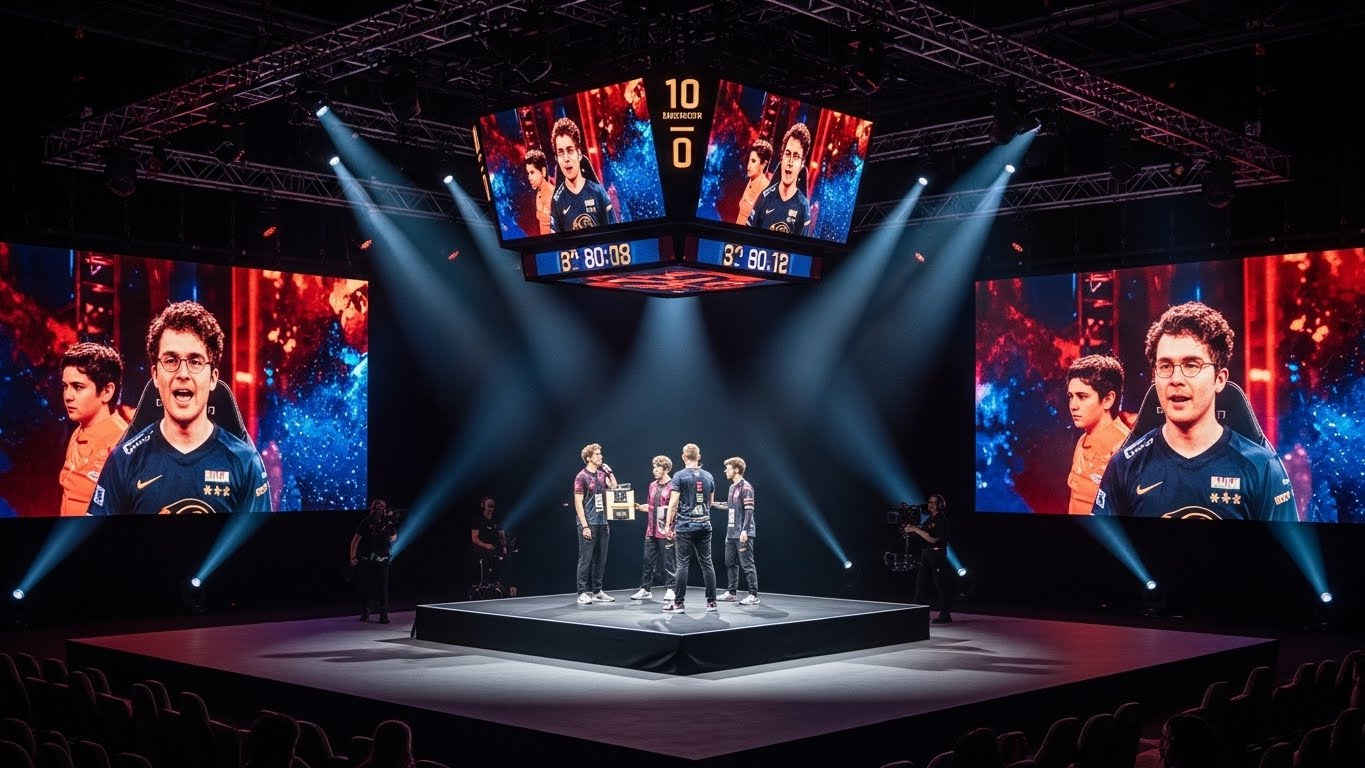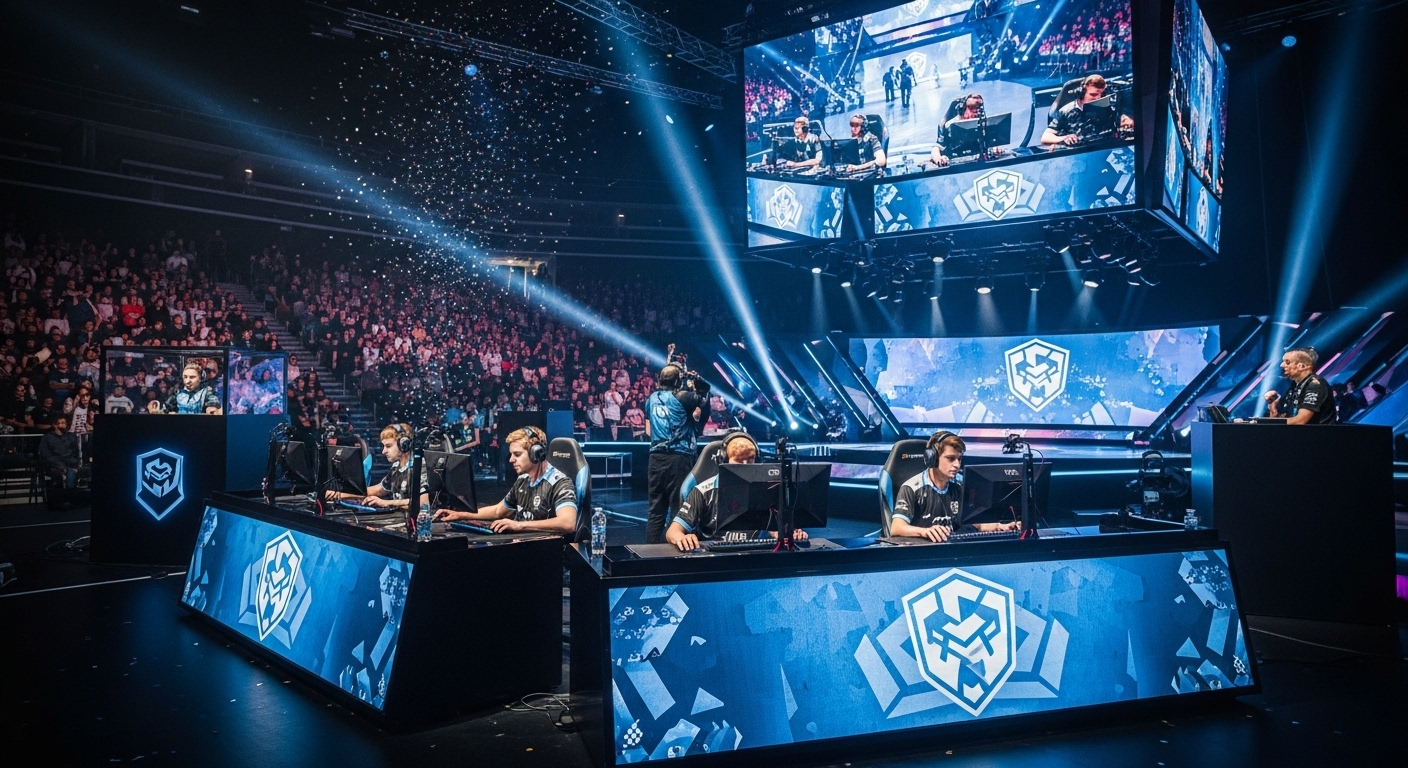






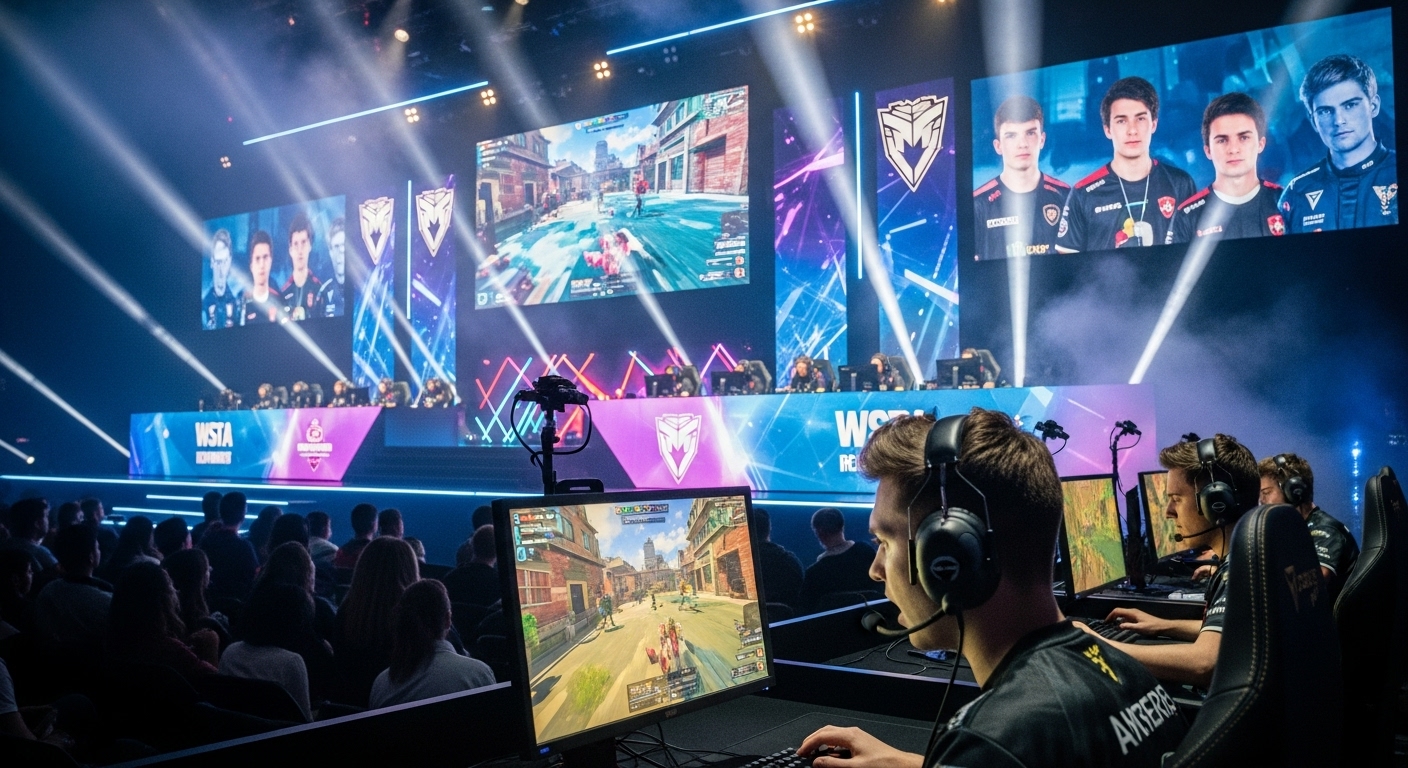
Esports, or electronic sports, has experienced a remarkable rise in recent years, establishing itself as a powerful force in the world of entertainment. From humble beginnings in small LAN (Local Area Network) parties and arcade tournaments to global championships watched by millions, esports has transformed into a massive industry with far-reaching influence. In this post, we’ll dive into the evolution of esports, its cultural impact, and what the future holds for competitive gaming.
The Origins of Esports: The Birth of Competitive Gaming
Esports didn’t appear out of nowhere—it has roots in the early days of gaming. In the 1970s and 1980s, arcades became the center of competition, with players battling for high scores in games like Space Invaders and Pong. It was informal but created a sense of rivalry. Fast forward to the 1990s, and multiplayer games like Quake and StarCraft laid the groundwork for more structured competitions. Players began connecting through LAN parties, challenging each other in digital battle arenas, which gave rise to the first gaming tournaments.
The 2000s saw the explosion of online multiplayer gaming, making it easier for players across the world to compete without being in the same physical location. This set the stage for modern esports, where online leagues and competitions became the backbone of the industry.
The Growth and Globalization of Esports
What once started as a niche hobby quickly became a global phenomenon. Esports tournaments began drawing large crowds, and with the advent of platforms like Twitch, streaming became an essential part of the gaming ecosystem. As the audience for esports expanded, the appeal of competitive gaming reached new heights, with millions of viewers tuning into events like the League of Legends World Championship and The International.
Regions such as South Korea, North America, and Europe initially dominated esports, but as technology spread and access to high-speed internet improved, countries around the world began to join the competitive scene. Today, esports is truly global, with players from all corners of the world competing in games like Valorant, Fortnite, Call of Duty, and Dota 2. Major esports events now fill stadiums, and some of these tournaments even surpass traditional sporting events in terms of viewership.
Esports Ecosystem: Teams, Leagues, and Sponsorships
Esports isn’t just about individual players competing in tournaments—it’s an entire ecosystem involving teams, coaches, analysts, event organizers, broadcasters, and fans. Professional esports teams are structured similarly to traditional sports teams, with players specializing in specific games and roles. These teams are often backed by organizations that manage their branding, sponsorship deals, and marketing.
The rise of professional leagues has further professionalized the industry. Games like Overwatch, League of Legends, and Rocket League have established regional and international leagues where teams compete for prestigious titles and lucrative prize money. These leagues attract significant sponsorship deals from major brands, including tech companies, energy drinks, and even traditional sports organizations, highlighting the growing recognition of esports as a legitimate entertainment sector.
Esports as a Career Path: More Than Just Playing Games
One of the most exciting developments in the esports industry is the creation of new career paths. For years, gaming was seen as just a pastime or hobby. But now, it’s a legitimate career option. Professional players, streamers, content creators, and even esports journalists have turned gaming into a full-time job.
Professional players can earn substantial salaries from tournament winnings, sponsorships, and streaming revenue. In fact, top-tier esports players have become celebrities in their own right, with massive followings on platforms like Twitch and YouTube. Many of these players are also branching out into other forms of entertainment, such as acting, music, and brand partnerships, further expanding their reach.
Esports also opens doors for behind-the-scenes careers. From event management and marketing to coaching and broadcasting, there are plenty of opportunities for people who want to be involved in esports but aren’t necessarily gamers themselves. This has led to the development of specialized esports programs in universities and training academies, ensuring that the next generation of esports professionals is well-equipped for the industry.
The Cultural Impact of Esports: A New Age of Entertainment
Esports is not only a booming industry but also a cultural movement. It has transformed how people consume entertainment, providing fans with interactive experiences that traditional sports and television can’t match. Viewers aren’t just passive spectators—they can engage directly with the game, chat with players, and even influence the outcomes through in-game actions.
The rise of esports has also affected other aspects of popular culture. Gaming-inspired fashion, music collaborations, and even esports-themed cafes and bars have become commonplace in cities around the world. The sense of community and connection that esports provides is one of the key factors driving its popularity. Fans gather online and in-person to support their favorite teams, creating a strong sense of belonging and shared excitement.
Moreover, esports has helped legitimize gaming as a hobby and as a professional pursuit. What was once seen as an isolated activity for introverts has now become a social event, with players and fans gathering around the world to celebrate gaming culture. Major brands and celebrities are beginning to realize the cultural weight of esports, leading to collaborations and investments that further cement gaming’s place in mainstream entertainment.
The Future of Esports: Challenges and Opportunities Ahead
As with any rapidly growing industry, esports faces its own set of challenges. One major concern is the sustainability of the ecosystem. While the industry is profitable, questions remain about the long-term viability of certain aspects, such as tournament formats and the competitive balance between teams. Another significant issue is player burnout, with many professional gamers facing intense pressure and long hours of practice, which can impact their mental and physical health.
In addition, there is the challenge of inclusivity and access. While esports has come a long way, there are still barriers for certain communities to get involved. The infrastructure for competitive gaming is often limited to specific regions, and players in less developed areas may not have access to the same resources or opportunities. It will be crucial for the industry to address these disparities to ensure that esports continues to grow inclusively and equitably.
On the bright side, the future of esports is filled with potential. With the rise of virtual and augmented reality, esports could evolve into entirely new experiences, pushing the boundaries of what we consider competitive gaming. The growing popularity of mobile gaming also opens up exciting possibilities for esports in emerging markets. As the industry continues to innovate and diversify, esports will remain at the forefront of the entertainment revolution.
Conclusion: The New Era of Competitive Entertainment
Esports has moved beyond just “playing games” to become a global cultural and economic powerhouse. From its grassroots origins to its current standing as a mainstream entertainment phenomenon, esports is reshaping the way we think about competition, entertainment, and career opportunities. As the industry continues to expand, it will undoubtedly inspire future generations of players, creators, and fans to embrace the digital frontier. The esports revolution is just getting started, and its impact will only continue to grow in the years to come.