






Introduction
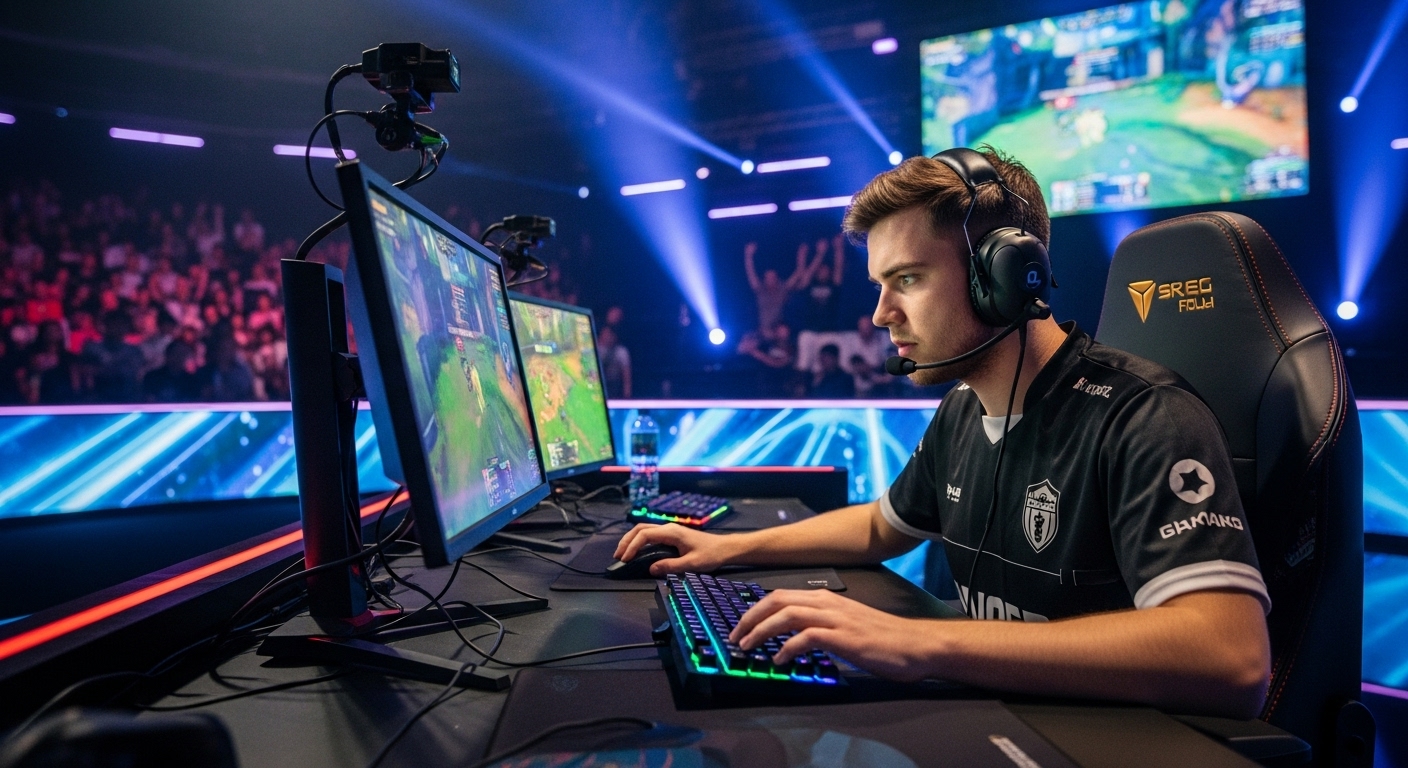
In today’s fast-paced digital age, esports has become one of the most dynamic and influential industries in the world. What once started as casual gaming among friends has now grown into a billion-dollar phenomenon with professional players, global tournaments, and millions of passionate fans. Esports has successfully bridged the gap between entertainment, technology, and sportsmanship, creating a new form of competitive culture.
The Journey from Hobby to Profession
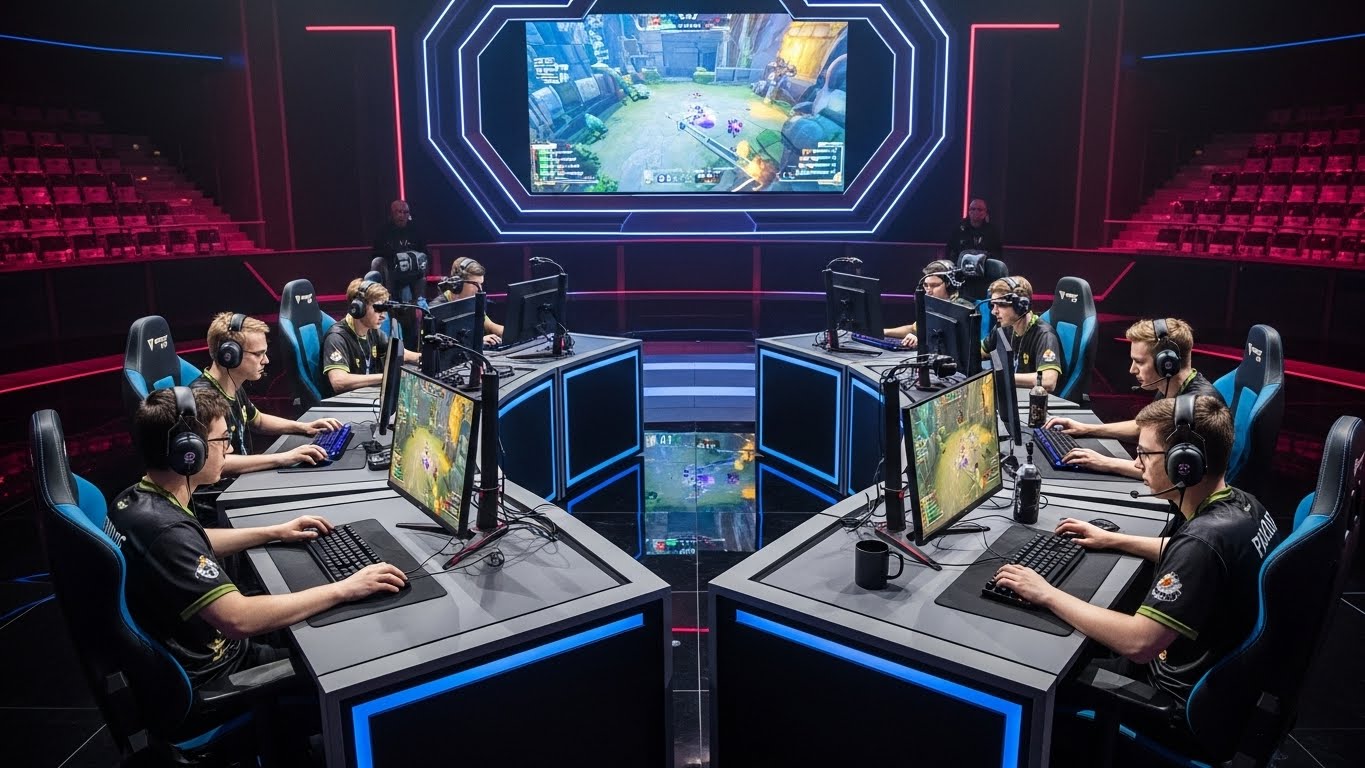
Esports did not achieve global fame overnight. In the early 2000s, competitive gaming was limited to small community events and local competitions. As technology advanced and online platforms emerged, gaming transformed from a pastime into a serious profession. Players began forming teams, training regularly, and participating in structured tournaments. Today, esports athletes enjoy fame comparable to traditional sports stars, with sponsorships, contracts, and dedicated fan bases.
The Power of Technology in Esports Growth
Technology has been the foundation of esports’ rise. High-speed internet, powerful gaming devices, and streaming services have allowed fans to experience live matches from anywhere in the world. Virtual reality and advanced graphics have made gaming more realistic and engaging. Streaming platforms have created a space where players and fans can interact directly, building strong online communities that thrive on shared passion and excitement.
The Business and Economy of Esports
Esports has developed into a massive economic powerhouse. Brands across industries invest heavily in sponsorships, advertising, and event partnerships. Tournaments attract millions of viewers, generating revenue from ticket sales, merchandise, and digital content. Game developers, hardware manufacturers, and streaming services all benefit from this rapidly expanding ecosystem. Esports has proven that gaming is not just entertainment—it is also a sustainable business opportunity.
Esports and Education
Education systems around the world are beginning to recognize esports as a valuable field of study. Universities now offer scholarships to talented players and courses focused on gaming management, media production, and game design. This academic recognition has opened the door for young gamers to pursue their passion while developing professional and technical skills. Esports in education also promotes teamwork, communication, and critical thinking—skills essential for any career.
The Global Community of Esports
Esports has united people from different cultures, languages, and backgrounds under one shared interest. Fans from all over the world come together to support their favorite teams and players. The sense of community and belonging in esports is unmatched. It encourages collaboration and understanding among nations, proving that competition can also foster connection and respect.
The Future of Esports
The future of esports holds endless possibilities. As technology continues to evolve, the boundaries of competitive gaming will expand even further. The inclusion of mobile gaming, augmented reality, and artificial intelligence will redefine how tournaments are played and experienced. Governments and organizations are beginning to recognize esports as an official sport, paving the way for global representation and even potential inclusion in major sporting events.
Conclusion
Esports is more than just a game—it is a cultural revolution. It embodies innovation, teamwork, and creativity while offering countless opportunities for players, businesses, and fans. The growth of esports showcases the power of technology and human passion working together to create something extraordinary. As the digital world continues to advance, esports will remain at the heart of modern entertainment, shaping the future of competition for generations to come.