





Introduction: The Rise of Esports
Over the past decade, the world of competitive gaming, or esports, has grown from a niche hobby into a global phenomenon. Once considered a pastime limited to a small community of gamers, esports now attracts millions of viewers, professional athletes, and investors worldwide. With large-scale tournaments, substantial prize pools, and sponsorship deals rivaling traditional sports, esports is reshaping how we perceive competition, entertainment, and even the future of professional careers. But what exactly has fueled this rapid growth, and why is esports now considered a legitimate sporting and entertainment industry?
Understanding Esports: What It Truly Means
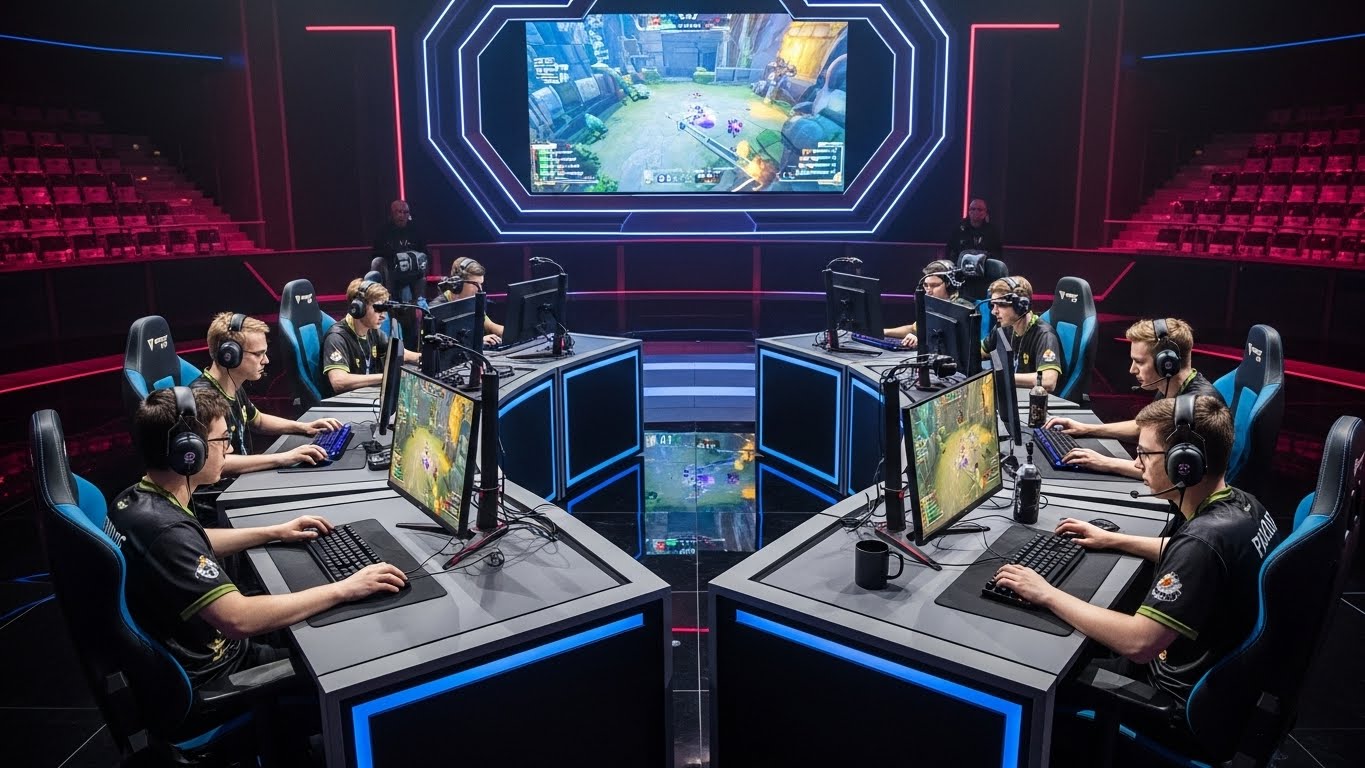
Esports, short for electronic sports, refers to competitive video gaming where players, individually or in teams, compete in tournaments or leagues. These competitions can involve a variety of genres, including first-person shooters, strategy games, multiplayer online battle arenas, and sports simulations. Unlike casual gaming, esports emphasizes skill, strategy, and teamwork. It also mirrors traditional sports in terms of training regimes, coaching, sponsorship, and fan engagement, which is why it has gained recognition as a professional sport in many countries.
Popular Esports Titles Shaping the Industry
Several games have become synonymous with esports, each attracting millions of players and fans. Titles like League of Legends, Dota 2, Counter-Strike: Global Offensive, Fortnite, and Valorant dominate competitive gaming landscapes. These games not only offer engaging gameplay but also emphasize strategy, reflexes, and adaptability, which are essential skills for professional players. Massive tournaments, such as the League of Legends World Championship or The International for Dota 2, demonstrate the scale of the industry with prize pools reaching tens of millions of dollars and audiences surpassing traditional sports viewership.
The Economics of Esports: Beyond the Game
One of the most intriguing aspects of esports is its economic impact. Revenue streams include sponsorships, media rights, merchandising, and ticket sales for live events. Leading esports organizations function similarly to professional sports teams, managing player contracts, training facilities, and branding initiatives. Major corporations and brands have recognized esports as a viable marketing platform, leveraging its global reach and young, digitally engaged audience. The financial landscape of esports continues to expand, offering opportunities not only for players but also for coaches, analysts, event managers, and content creators.
Professional Players: The New Age Athletes
Esports athletes undergo rigorous training schedules that resemble those of traditional sports players. Professional gamers spend hours daily honing reflexes, analyzing game strategies, and maintaining physical and mental health to perform at peak levels. Their careers can be highly lucrative, yet intensely competitive, demanding discipline, resilience, and adaptability. Unlike conventional sports, esports careers often start at a very young age, with prodigious talent rising through local competitions to join professional teams on an international stage. These players are not just gamers; they are influencers, brand ambassadors, and role models within the gaming community.
The Role of Streaming and Content Creation
Streaming platforms have become the lifeblood of esports, bridging the gap between players and fans. Platforms like Twitch, YouTube Gaming, and other live-streaming services allow players to broadcast their gameplay, interact with audiences, and build personal brands. This content ecosystem generates revenue through subscriptions, donations, and sponsorships, further solidifying esports as a sustainable career path. Additionally, streaming has democratized access to esports, enabling amateur gamers to showcase their skills, attract followers, and potentially get scouted by professional teams.
Esports Tournaments and Global Events
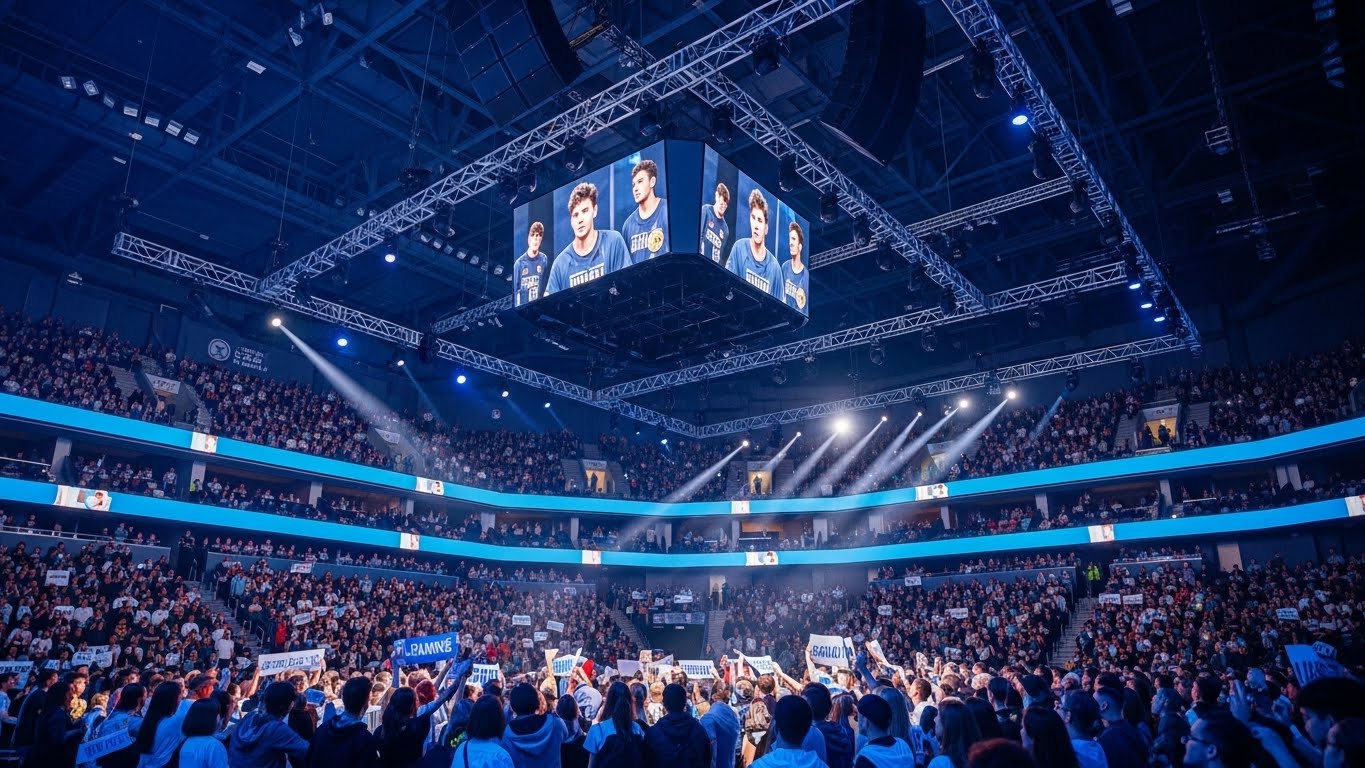
Esports tournaments have evolved into massive spectacles that rival traditional sporting events. With elaborate stage designs, live commentary, and international participation, these tournaments are more than just competitions; they are entertainment extravaganzas. Events such as the Fortnite World Cup, Call of Duty League Championships, and Rocket League tournaments feature thousands of fans in attendance while millions more watch online. The production value, fan engagement, and competitive intensity contribute to esports’ legitimacy as a global sporting phenomenon.
The Cultural Impact of Esports
Esports has significantly influenced global culture, particularly among younger generations. It has changed perceptions of gaming, elevating it from a casual hobby to a viable professional pursuit. Cosplay, fan art, online communities, and esports merchandise have created a vibrant subculture that thrives on creativity and fandom. Moreover, esports promotes inclusivity by providing opportunities for players from diverse backgrounds to compete on a level playing field. The cultural significance of esports extends beyond entertainment; it represents a shift in how people socialize, form communities, and engage with technology.
Technological Innovations Driving Growth
The rapid expansion of esports is fueled by technological advancements. High-speed internet, powerful gaming hardware, and sophisticated streaming platforms enable seamless online competitions and real-time interaction with audiences. Virtual reality, augmented reality, and artificial intelligence are also beginning to influence esports, enhancing immersive experiences for players and viewers alike. Additionally, analytics and performance tracking tools help teams refine strategies and improve player performance, bridging the gap between digital competition and professional athleticism.
Esports and Education: A Growing Connection
Esports has found a place in educational institutions as well. Many colleges and universities now offer esports programs, scholarships, and varsity teams, recognizing its potential to teach valuable skills such as teamwork, critical thinking, communication, and leadership. Competitive gaming in educational settings encourages discipline and strategic thinking while opening pathways to careers in gaming, media, technology, and business management. This integration into formal education underscores the increasing legitimacy and societal acceptance of esports.
Challenges Facing the Esports Industry
Despite its rapid growth, esports faces several challenges. Issues such as mental health, burnout, long-term career sustainability, and online toxicity are prevalent among professional players. Additionally, the industry must navigate complex legal and regulatory landscapes, including contract disputes, intellectual property rights, and international competition laws. Monetization and revenue sharing also remain areas of concern, especially for smaller organizations and amateur players. Addressing these challenges is critical for ensuring the long-term stability and professionalism of esports.
The Future of Esports: Endless Possibilities
The future of esports appears bright and full of potential. Continued growth in global viewership, technological innovation, and institutional support will likely solidify its position as a mainstream entertainment industry. Esports may further intersect with traditional sports through collaborations, hybrid events, and virtual competitions. Moreover, as virtual and augmented reality technologies advance, esports experiences could become even more immersive, blurring the lines between gaming, entertainment, and interactive performance. The possibilities are virtually limitless, offering exciting opportunities for players, audiences, and businesses alike.
Conclusion: Esports as a Transformative Force
Esports has evolved from small-scale competitions into a global cultural and economic powerhouse. By combining technology, skill, entertainment, and community, it has redefined what it means to compete and succeed in the digital age. The industry continues to expand, creating opportunities for players, creators, and entrepreneurs while challenging traditional notions of sports and entertainment. As esports continues to grow, it will likely play an increasingly central role in shaping the future of digital culture, media, and professional competition.