





The world of gaming has experienced numerous revolutions over the past two decades, from the rise of online multiplayer games to the explosion of mobile gaming. Yet, few phenomena have captured the attention of players, media, and culture quite like the Battle Royale genre, and within this sphere, Fortnite stands out as the emblematic title that brought the genre into the mainstream. From its release in 2017, Fortnite has not only changed the landscape of gaming but also created a cultural ripple effect that transcends platforms, age groups, and even industries.
In this blog post, we’ll dive deep into the history, gameplay, cultural impact, esports significance, business strategies, and the future of Fortnite and the Battle Royale boom.
The Rise of the Battle Royale Genre
To understand Fortnite’s monumental impact, it’s essential to recognize the origins of the Battle Royale genre. Inspired by the 2000 Japanese film Battle Royale, the gaming iteration emphasizes survival, competitive tension, and shrinking play areas to encourage player confrontations. Early pioneers of the genre included mods like DayZ and ARMA 2, which experimented with survival mechanics in open-world settings.
The genre truly exploded with PlayerUnknown’s Battlegrounds (PUBG) in 2017, which refined the concept with polished mechanics, realistic gunplay, and intense multiplayer matches. PUBG’s success demonstrated a massive appetite for survival-based competition in a last-player-standing format. However, while PUBG introduced the core gameplay, Fortnite would soon redefine how the genre could engage a broader, younger, and more diverse audience.
Fortnite Enters the Scene
Epic Games, already renowned for titles like Gears of War and Unreal Tournament, launched Fortnite: Save the World in 2017, a cooperative PvE (player versus environment) mode featuring building mechanics. However, it wasn’t until Fortnite Battle Royale—released later the same year—that the game became a global sensation.
Fortnite Battle Royale offered familiar mechanics: 100 players dropped onto an island, scavenging weapons, and fighting until one player or team remained. What set Fortnite apart was its combination of accessibility, whimsical art style, and building mechanics. Unlike the realistic military aesthetic of PUBG, Fortnite offered vibrant graphics, customizable characters, and a dynamic building system that allowed players to construct defensive structures on the fly, adding a layer of strategic depth that appealed to casual and competitive players alike.
Gameplay Innovations: Building, Skins, and Beyond
Fortnite didn’t just innovate by adding building mechanics; it also transformed player engagement through customization and events. Skins, emotes, and other cosmetic items became a hallmark of Fortnite’s appeal, allowing players to express their personality and creativity within the game. The introduction of seasonal content, map changes, and live events—such as concerts and cinematic story arcs—turned Fortnite into more than a game; it became a continuously evolving entertainment platform.
For example, the Travis Scott Astronomical concert in 2020 drew over 12 million concurrent players, illustrating Fortnite’s ability to merge gaming and pop culture in unprecedented ways. This approach not only retained existing players but attracted new ones who may have previously considered gaming niche or inaccessible.
Cultural Impact: Fortnite as a Social Phenomenon
Fortnite’s influence extends beyond gameplay. The game has become a cultural touchstone, shaping memes, social media trends, and even fashion. Iconic dances like the “Floss” and “Orange Justice” transcended the game, appearing in commercials, sports events, and music videos.
Its appeal to younger demographics made Fortnite a lightning rod for discussion among parents, educators, and policymakers about the impact of gaming on social behavior. The game also fostered online communities where players could connect globally, collaborate in squads, and participate in tournaments, creating a sense of belonging that traditional single-player games often lack.
Furthermore, Fortnite has blurred the lines between gaming and entertainment, serving as a platform for digital gatherings, virtual concerts, and crossovers with major franchises like Marvel, Star Wars, and DC Comics. This convergence of gaming, pop culture, and social interaction has solidified Fortnite’s status as a defining phenomenon of the 2010s and 2020s.
Esports and Competitive Fortnite
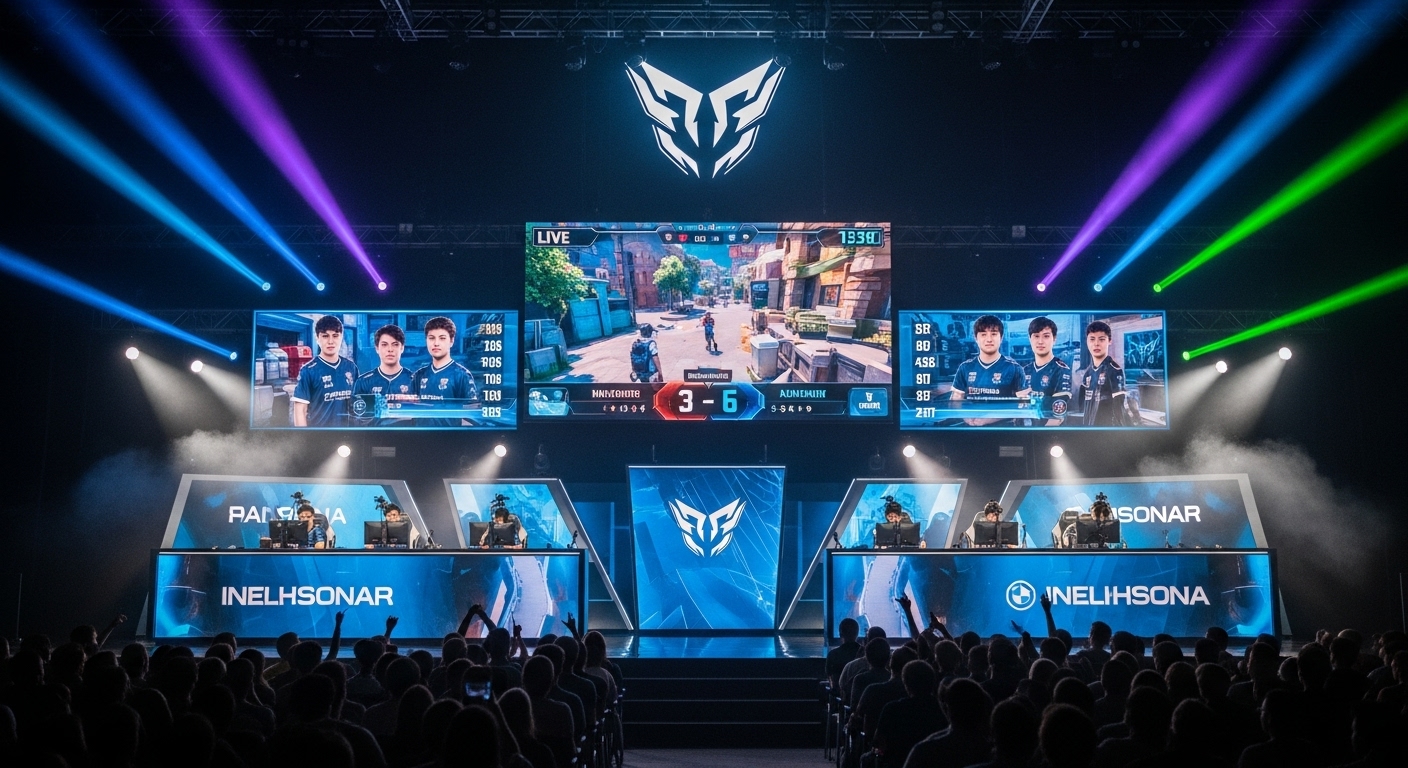
While Fortnite initially drew players with its casual, accessible gameplay, it quickly became a competitive powerhouse. Epic Games launched several esports initiatives, including the Fortnite World Cup, which awarded a staggering $30 million in prizes during its inaugural 2019 event.
Competitive Fortnite is unique because it blends mechanical skill, strategic building, and rapid decision-making. Unlike traditional shooters, where aim may dominate, Fortnite’s players must master the intricacies of constructing structures under pressure, managing resources, and predicting opponents’ moves. This complexity has made the game both challenging and entertaining to watch, contributing to the rise of Fortnite-focused content on streaming platforms like Twitch and YouTube.
Esports also allowed Fortnite to cultivate professional players and content creators, who not only compete in tournaments but also serve as influencers and role models for millions of fans worldwide. These figures have helped maintain Fortnite’s relevance, even as the gaming landscape evolves.
The Business Model: Free-to-Play and Microtransactions
Fortnite’s commercial success is as revolutionary as its gameplay. The game is free-to-play, lowering the barrier to entry, but generates revenue through microtransactions for cosmetic items, battle passes, and seasonal content. The battle pass system, which rewards players with exclusive content for completing challenges, incentivizes consistent engagement and fosters a sense of progression without giving paying players a competitive advantage.
This model has proven incredibly lucrative. Fortnite reportedly generated over $9 billion in revenue within its first two years. Epic Games’ approach has since influenced other developers, encouraging the industry-wide adoption of free-to-play games monetized through cosmetic and premium content.
Fortnite and Streaming Culture
Streaming has been a crucial component of Fortnite’s explosion. Platforms like Twitch and YouTube Gaming helped turn casual players into online celebrities. Popular streamers, including Ninja and Tfue, showcased Fortnite’s fast-paced, unpredictable gameplay, attracting millions of viewers.
Fortnite also embraced in-game events and collaborations that lent themselves to shareable moments, making the game highly engaging to watch, not just play. The combination of interactive events, esports competitions, and a vibrant streaming ecosystem has cemented Fortnite’s role as a cornerstone of digital entertainment.
Criticisms and Controversies
No cultural phenomenon is without controversy, and Fortnite has faced its share. Critics have raised concerns about addiction, in-game spending, and exposure to online toxicity, especially among younger players. Legal battles over epic vs Apple regarding app store policies also highlighted the challenges of monetization in modern gaming.
Moreover, some argue that the constant content updates and live events can create pressure for players to stay engaged continuously, raising questions about mental health and responsible gaming practices. While Fortnite has implemented measures to address these issues, including parental controls and screen-time reminders, the debate continues about balancing engagement with wellbeing.
Fortnite’s Legacy and the Future of Battle Royale
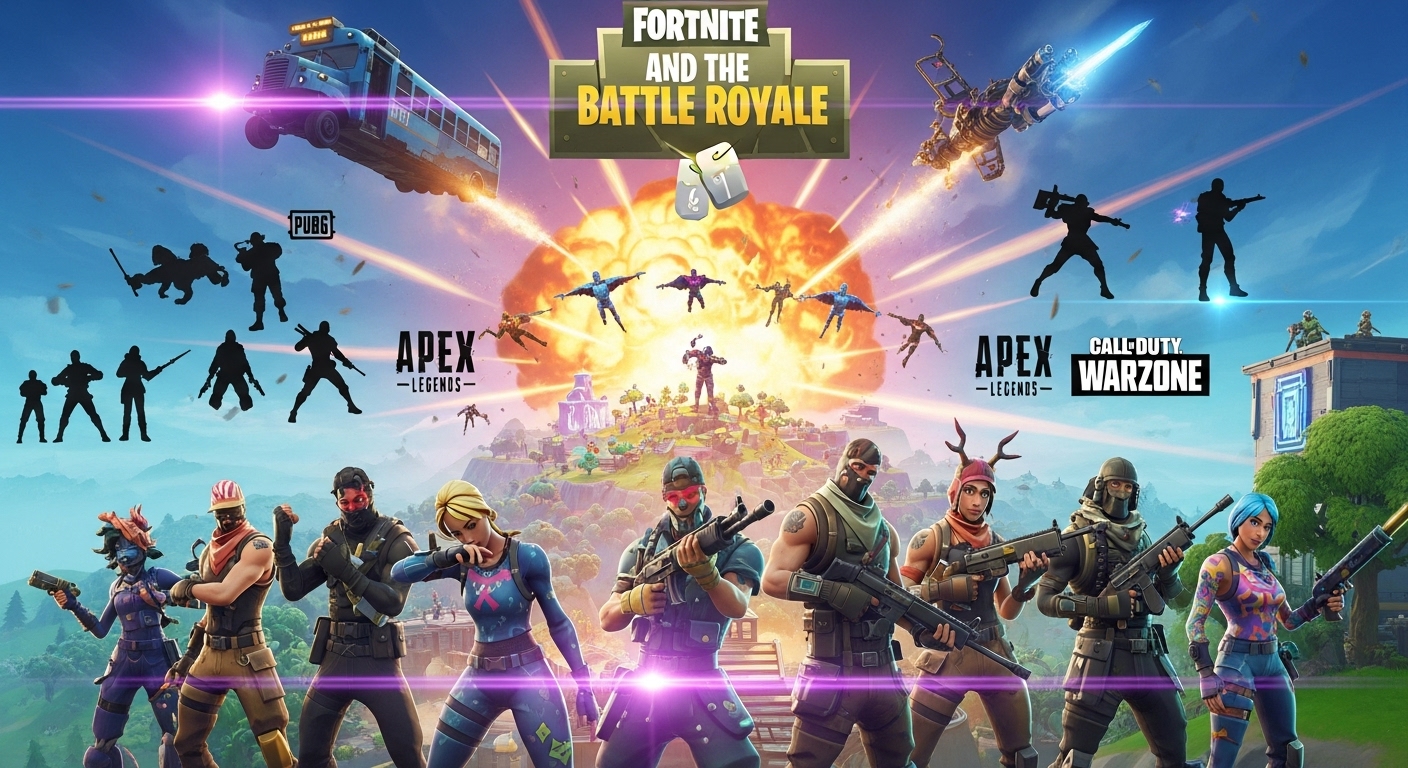
Fortnite has left an indelible mark on the gaming industry and popular culture. It redefined what a Battle Royale game could be: accessible, social, and constantly evolving. The success of Fortnite inspired numerous imitators and competitors, including Apex Legends, Call of Duty: Warzone, and PUBG Mobile, cementing Battle Royale as one of the dominant genres in modern gaming.
Looking forward, Fortnite faces challenges in maintaining its relevance. As players seek new experiences, Epic Games must continue innovating with technological advancements, fresh content, and community-driven experiences. Virtual reality, cross-platform play, and AI-driven events may define the next phase of Fortnite’s evolution.
Yet, despite these challenges, Fortnite’s influence is secure. It has demonstrated that games can be more than entertainment—they can serve as social spaces, cultural touchstones, and platforms for creativity. The Battle Royale boom, spearheaded by Fortnite, has forever changed how players, developers, and audiences engage with games.
Conclusion
Fortnite is more than a game; it’s a cultural phenomenon that exemplifies the rise of the Battle Royale genre and the transformation of gaming into a mainstream, socially interconnected entertainment medium. From its innovative building mechanics to its cross-cultural collaborations, Fortnite has redefined the boundaries of what games can achieve. Its impact on esports, streaming, and pop culture demonstrates the power of interactive entertainment in the 21st century.
As the gaming landscape continues to evolve, Fortnite serves as both a blueprint and a challenge for developers: how to create experiences that are engaging, socially vibrant, and culturally resonant. Whether through battle passes, live events, or competitive tournaments, Fortnite remains a symbol of gaming’s potential to captivate, connect, and inspire millions worldwide.