





Introduction: The New Frontier of Competition
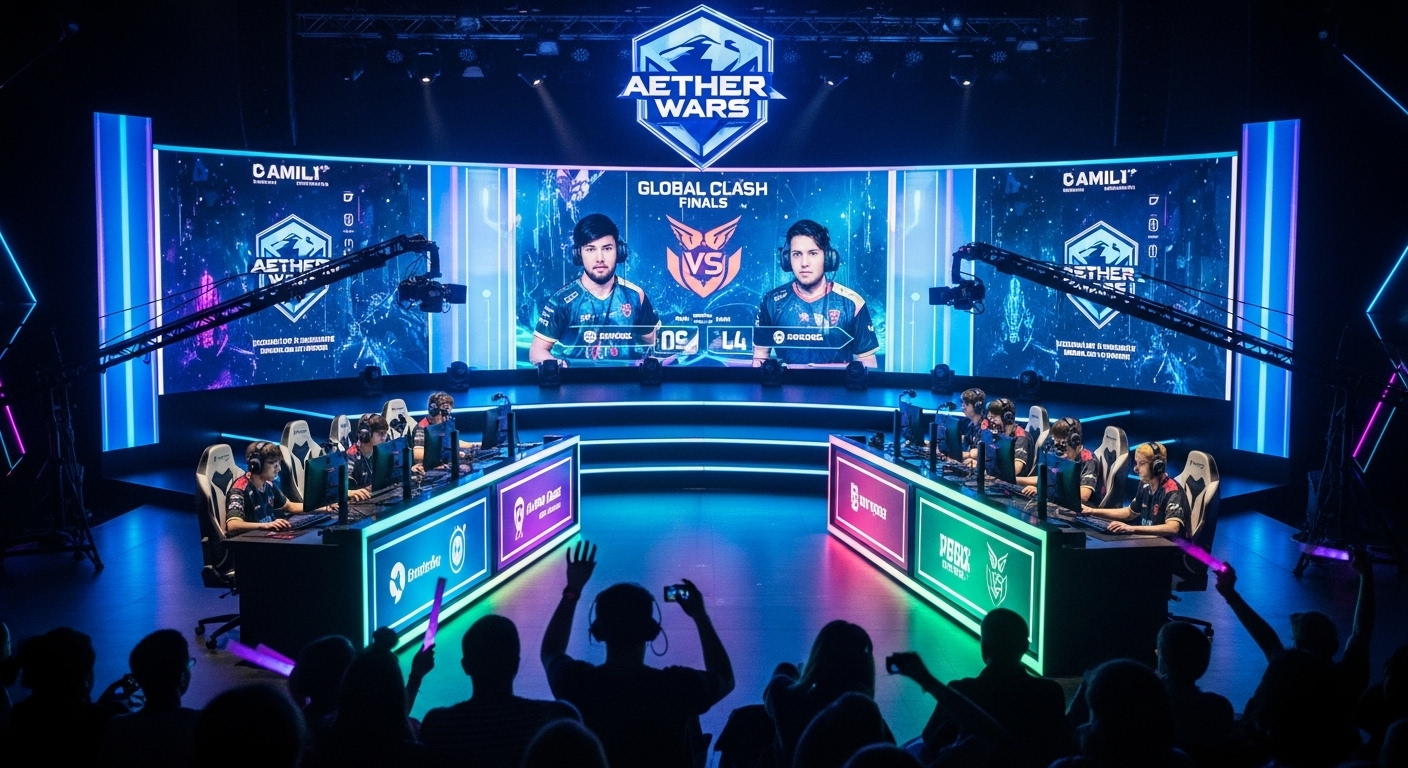
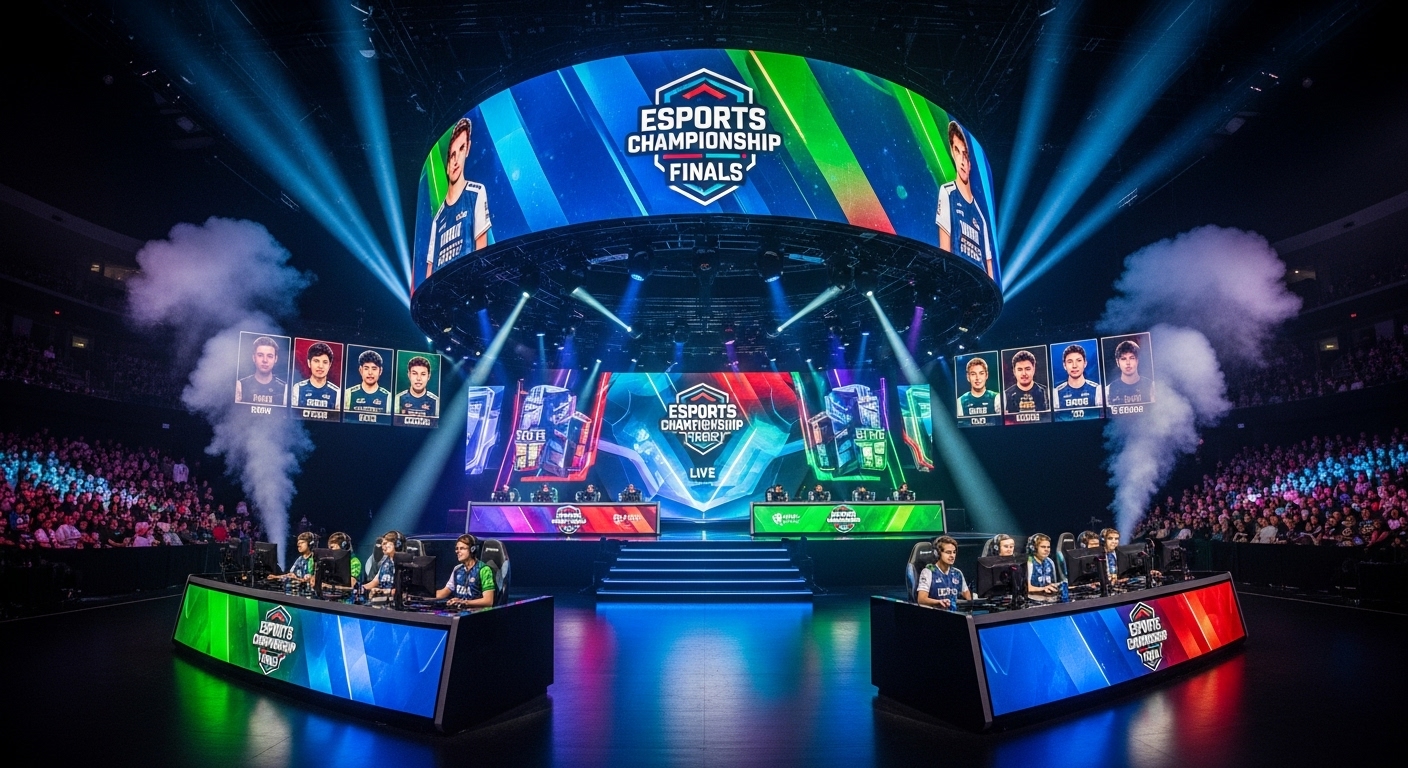
Esports has emerged as one of the most exciting developments in modern entertainment. Once seen as a niche hobby for teenagers, competitive gaming has grown into a global phenomenon with millions of fans, professional leagues, and substantial economic influence. Unlike traditional sports, esports thrives entirely in the digital world, relying on skill, strategy, teamwork, and rapid reflexes rather than physical prowess alone. The rise of esports signifies a transformation in how society perceives competition, achievement, and entertainment. Today, digital athletes compete in arenas that span continents, and their influence is reshaping cultural, technological, and economic landscapes worldwide.
The Origins of Competitive Gaming
Esports traces its roots to the early days of video gaming. In the late 1970s and early 1980s, arcade games like Space Invaders and Pac-Man introduced the concept of high-score competition, encouraging players to measure their skills against others. In the 1990s, the rise of home computers and consoles allowed multiplayer games to flourish. Titles such as Street Fighter, Mortal Kombat, and StarCraft became the foundation of organized gaming tournaments. South Korea played a particularly pivotal role in the development of professional esports, creating leagues for StarCraft in the late 1990s and early 2000s. These leagues helped establish structured competition and set standards for training, broadcasting, and fan engagement. Early tournaments were modest compared to today’s global spectacles, but they laid the groundwork for an industry that would soon grow exponentially.
The Mainstream Explosion of Esports
The 2010s marked a turning point for esports as it entered mainstream consciousness. Streaming platforms like Twitch and YouTube Gaming made it possible for millions of viewers to watch competitive matches live, regardless of location. Games such as League of Legends, Dota 2, and Counter-Strike: Global Offensive became international sensations, attracting huge audiences and offering prize pools that rivaled those of traditional sports. Major esports tournaments began to rival iconic sporting events in viewership, with some finals drawing tens of millions of spectators. The increased visibility attracted sponsorships from global brands and investments from traditional sports organizations. Esports became recognized not only as a form of entertainment but also as a lucrative business and a legitimate professional pursuit.
The Professional Player: Athletes of the Digital Age
Esports players are among the most dedicated and disciplined athletes in the world. Success requires hundreds of hours of practice, strategic thinking, teamwork, and precise hand-eye coordination. Many professional gamers begin training in their early teens and adhere to strict schedules that balance practice, physical health, and mental preparation. Modern esports organizations employ coaches, analysts, nutritionists, and psychologists to support players and optimize performance. Like traditional athletes, esports professionals face the challenges of pressure, burnout, and career longevity, as reflexes and cognitive speed often decline with age. Despite these challenges, top-tier players earn substantial incomes through tournament winnings, sponsorships, and streaming, establishing esports as a viable career path for the most talented and disciplined individuals.
The Games That Define Esports
Esports is not defined by a single game but by a diverse ecosystem of titles, each offering unique challenges and skills. Multiplayer Online Battle Arenas, or MOBAs, such as League of Legends and Dota 2 emphasize teamwork, strategy, and adaptability. First-Person Shooters, including Counter-Strike, Valorant, and Call of Duty, demand precision, reflexes, and tactical thinking. Battle Royale games like Fortnite and Apex Legends combine survival skills with dynamic gameplay, appealing to a new generation of competitors. Sports simulation games such as FIFA and NBA 2K bring real-world sports into the digital domain, allowing fans to engage with familiar athletic competition in virtual form. Each game cultivates its own professional leagues, fan communities, and competitive culture, demonstrating the versatility and appeal of esports across audiences and geographies.
The Fans: A Connected Global Audience
At the heart of esports is its passionate fanbase. Unlike traditional sports, esports fans are not limited by geography. Online platforms allow millions to watch live matches, follow players, and interact with one another. Fans are highly engaged, often playing the games themselves, discussing strategies, and participating in online communities. Social media and streaming platforms foster a sense of belonging, enabling spectators to interact directly with players, teams, and other fans. Major tournaments, such as ESL One, DreamHack, and the League of Legends World Championship, draw audiences both online and in physical arenas, creating shared experiences that rival traditional sporting events. This level of engagement has helped esports cultivate a global community united by shared interests and digital connectivity.
The Economics of Esports
Esports has grown into a multibillion-dollar industry. Revenue streams include tournament prize money, team sponsorships, merchandise, media rights, and event ticket sales. Major corporations have recognized the potential of this rapidly growing market and invest heavily in teams, platforms, and tournaments. Traditional sports organizations have also entered the esports space, forming teams to capture younger, digitally-native audiences. Universities now offer esports scholarships, reflecting the legitimacy of professional gaming as a career path. The structure of esports mirrors traditional sports leagues, with franchised teams, player contracts, and extensive media coverage. Its commercial success demonstrates the shifting nature of entertainment consumption and the increasing value of digital engagement in a connected world.
Cultural Impact: More Than Just a Game
Esports is more than competition; it is a cultural phenomenon. It influences fashion, language, entertainment, and social interaction. Professional players and streamers are modern-day celebrities, shaping trends and inspiring fans. Esports events are full-scale productions with commentary, live performances, and interactive storytelling, creating immersive experiences beyond the game itself. The industry also promotes inclusivity, attracting participants from diverse backgrounds and offering career opportunities in broadcasting, event management, marketing, and game design. Esports fosters creativity, community, and identity formation, making it a significant cultural force that extends far beyond screens and monitors.
Challenges in Esports
Despite its growth, esports faces several challenges. A major hurdle is the perception that competitive gaming is not a “real sport.” Critics argue that the lack of physical activity undermines its legitimacy, yet this perspective often overlooks the mental, strategic, and collaborative skills required to compete professionally. Player well-being is another concern, as young professionals face stress, burnout, and pressure from early career starts. Maintaining integrity in competitions is essential, with issues such as cheating, match-fixing, and toxic behavior threatening the credibility of the industry. Standardizing rules and regulations across games and leagues is an ongoing challenge, necessary to ensure fairness and sustainability. Addressing these issues is critical for esports to maintain its rapid growth and global legitimacy.
The Future of Esports
The future of esports is bright and full of potential. Technological advances, including virtual reality, artificial intelligence, and high-speed internet, promise more immersive and interactive experiences for players and fans. Esports is increasingly integrated into educational programs, teaching skills such as strategic thinking, collaboration, and digital literacy. Its recognition in events like the Asian Games highlights its growing legitimacy, and there is ongoing discussion about potential inclusion in future global sporting events. As technology continues to evolve, esports will remain at the forefront of entertainment innovation, connecting communities and redefining competition for generations to come.
Conclusion: Redefining Sports in the Digital Age
Esports has transformed from a hobby into a global cultural and economic phenomenon. It challenges traditional notions of athleticism, offering opportunities for players to excel through strategy, skill, and teamwork in digital arenas. Esports builds vibrant communities, creates professional opportunities, and influences cultural trends, proving that competition and achievement are not confined to physical spaces. As it continues to grow, esports represents a new model of sports, entertainment, and human interaction. It is a testament to the power of digital technology to connect people, inspire talent, and create lasting impact across the globe. In the digital age, esports is not just playing games—it is leveling up the very definition of competition.