





Introduction
The world of competitive gaming, or esports, has exploded in recent years, evolving from a niche hobby into a global entertainment powerhouse. Once considered a pastime for tech enthusiasts and dedicated gamers, esports has now transformed into a multi-billion-dollar industry, attracting massive sponsorships, huge fanbases, and even mainstream recognition. What began with small tournaments in local arcades has now expanded to massive international events, where top players compete for millions of dollars in prize money, and fans fill stadiums or watch from their homes.
Esports has fundamentally changed how we perceive competitive play, introducing a new era of digital sports that transcend traditional physical boundaries. From fast-paced battle royales to strategic multiplayer online games, esports has something for everyone, appealing to all types of players and viewers. This blog will explore the rapid rise of esports, its impact on the gaming industry, its cultural influence, and the factors that suggest its growth is only beginning.
The Evolution of Esports
Esports as we know it today didn’t appear overnight. It has been evolving since the early days of video games. The first notable instance of competitive gaming can be traced back to 1972 when Stanford University held a “Spacewar” competition. However, it wasn’t until the late 1990s and early 2000s, with the rise of online multiplayer games, that esports began to take shape.
StarCraft (released in 1998) is widely considered one of the first games to truly popularize esports. Its real-time strategy mechanics provided players with a challenging, competitive experience, and the Korean gaming scene embraced it wholeheartedly. In fact, South Korea played a key role in the establishment of esports culture, hosting large tournaments and creating a professional esports ecosystem for games like StarCraft and later League of Legends.
As internet access became more widespread, more games began to feature multiplayer options, leading to the rise of online competitions. Titles like Warcraft III, Counter-Strike, and Dota helped cement the idea that gaming could be more than just a fun activity—it could be a professional pursuit.
The Rise of Streaming Platforms
The growth of esports would not have been possible without the rise of online streaming platforms. In 2011, Twitch, a live-streaming platform dedicated to video game content, was launched. This was a game-changer for esports, allowing players to broadcast their gameplay to a global audience and interact with viewers in real-time.
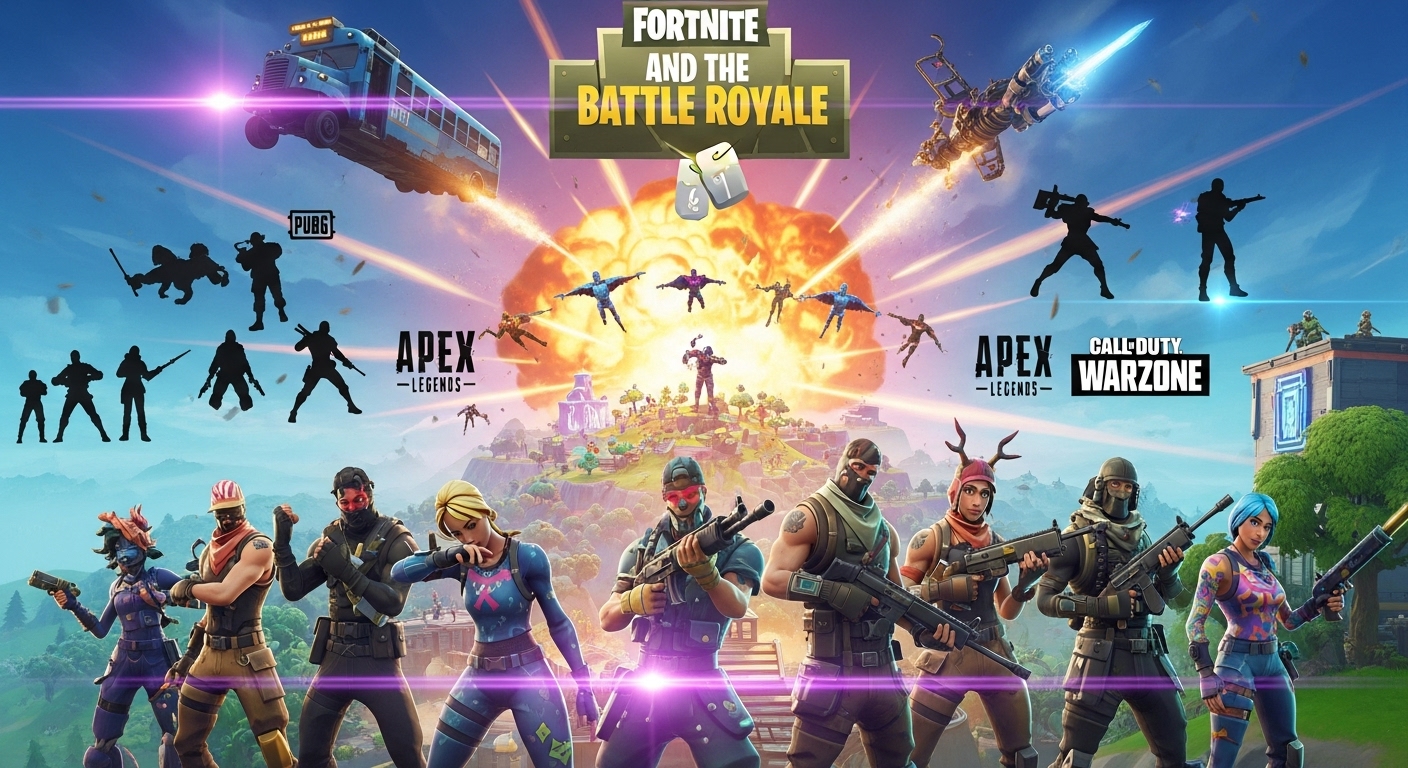
Twitch provided a way for people to watch competitive gaming events from the comfort of their homes. It gave esports the visibility it needed to grow beyond the confines of tournaments and niche communities. Today, millions of viewers tune in to watch top players compete in major esports tournaments, with popular games like League of Legends, Fortnite, Dota 2, and Counter-Strike: Global Offensive attracting huge audiences online.
The accessibility of these streams has also led to the rise of content creators who combine gaming with entertainment, building massive online followings. These personalities, along with professional esports players, are some of the most influential figures in gaming today, further fueling the growth of the esports industry.
The Economics of Esports
Esports has evolved into a billion-dollar industry, and its economic impact is undeniable. Major tournaments like The International (Dota 2), League of Legends World Championship, and Fortnite World Cup offer multi-million-dollar prize pools, drawing in professional players and viewers from all over the globe. As the audience grows, so does the revenue potential for everyone involved in the ecosystem—from game developers and tournament organizers to content creators and sponsors.
Sponsorships are a significant revenue stream for the esports industry. Global brands like Coca-Cola, Intel, Nike, and Mercedes-Benz have invested in esports, recognizing its massive appeal to a young, tech-savvy demographic. These sponsorships allow esports organizations to fund events, build teams, and increase the visibility of their brands. As a result, top players and teams often sign multi-million-dollar sponsorship deals with major corporations, similar to the way athletes in traditional sports secure endorsements.
The growth of esports has also led to the emergence of esports-centric media outlets, streaming services, and digital platforms. Companies like ESL, Blizzard Entertainment, and Riot Games are not just game developers but also major stakeholders in the esports industry, hosting their own tournaments and leagues that contribute to the economic impact.
Esports as a Mainstream Entertainment Industry
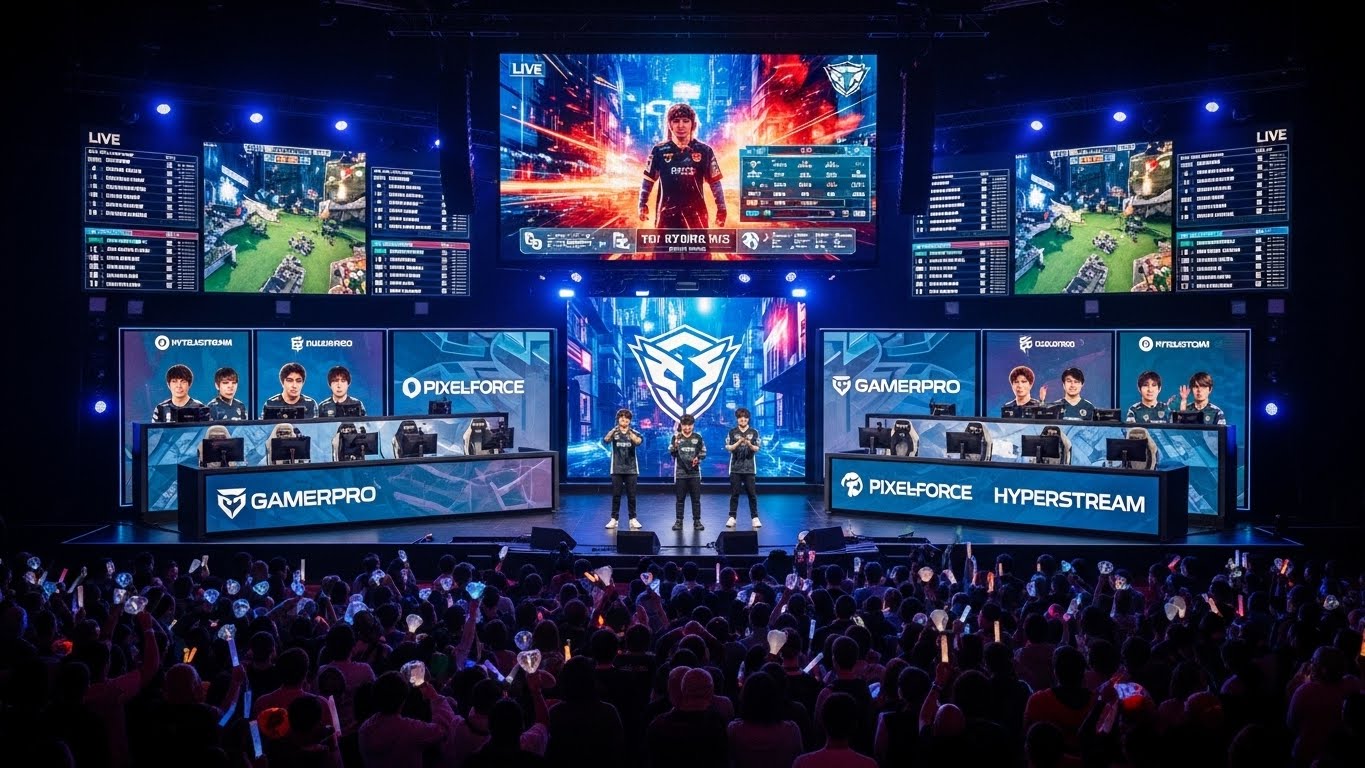
Once considered a niche interest, esports is now a mainstream entertainment industry. The shift toward greater mainstream appeal is evident in the increasing coverage of esports events on traditional sports networks like ESPN. Esports tournaments are regularly broadcasted on cable television and streamed on platforms like YouTube and Facebook. In fact, the global viewership for major esports events has surpassed that of traditional sports in some cases, especially when looking at events like the League of Legends World Championship, which attracted over 100 million viewers worldwide in 2020.
Major companies are now incorporating esports into their advertising and marketing strategies, targeting audiences that are difficult to reach through traditional media channels. For instance, the younger, tech-savvy demographic of esports fans is highly desirable for companies looking to promote products related to technology, gaming, and digital entertainment.
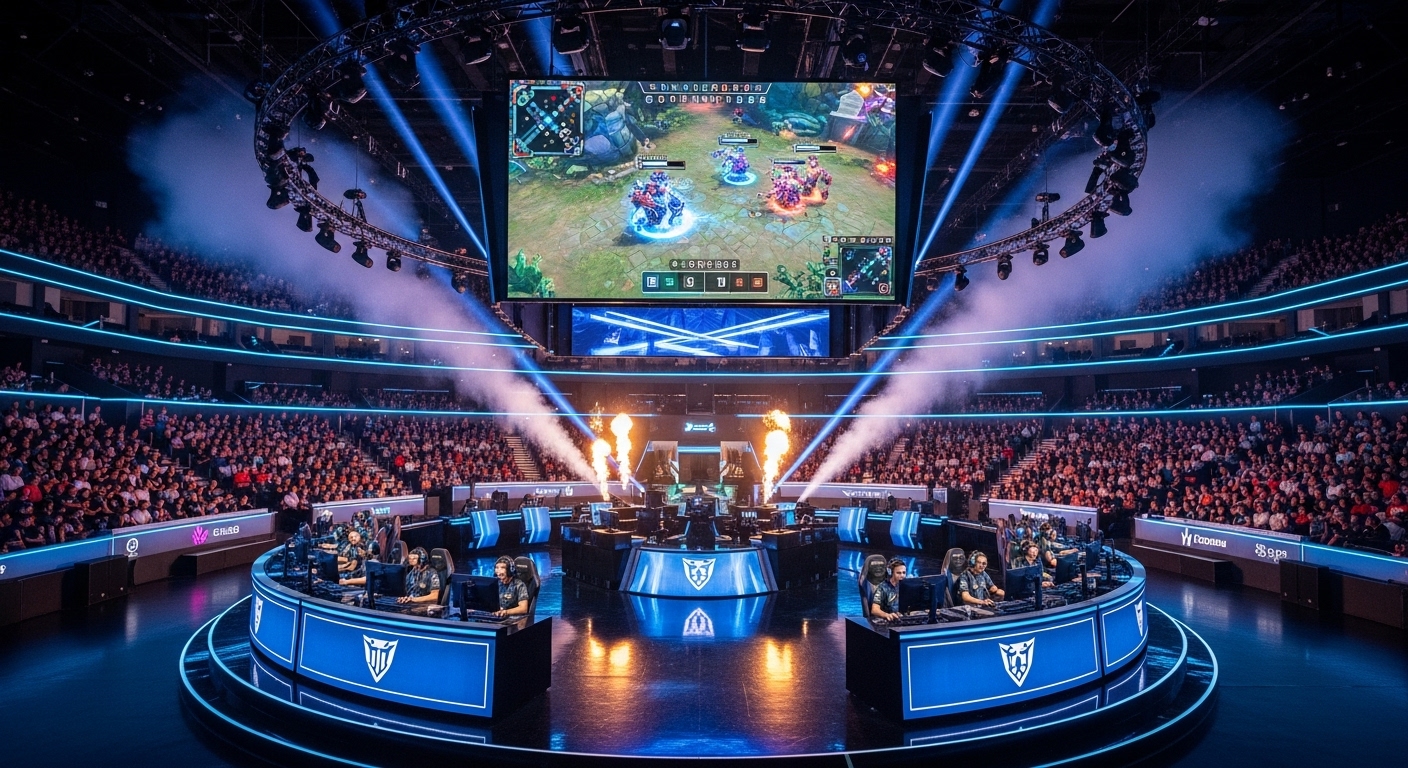
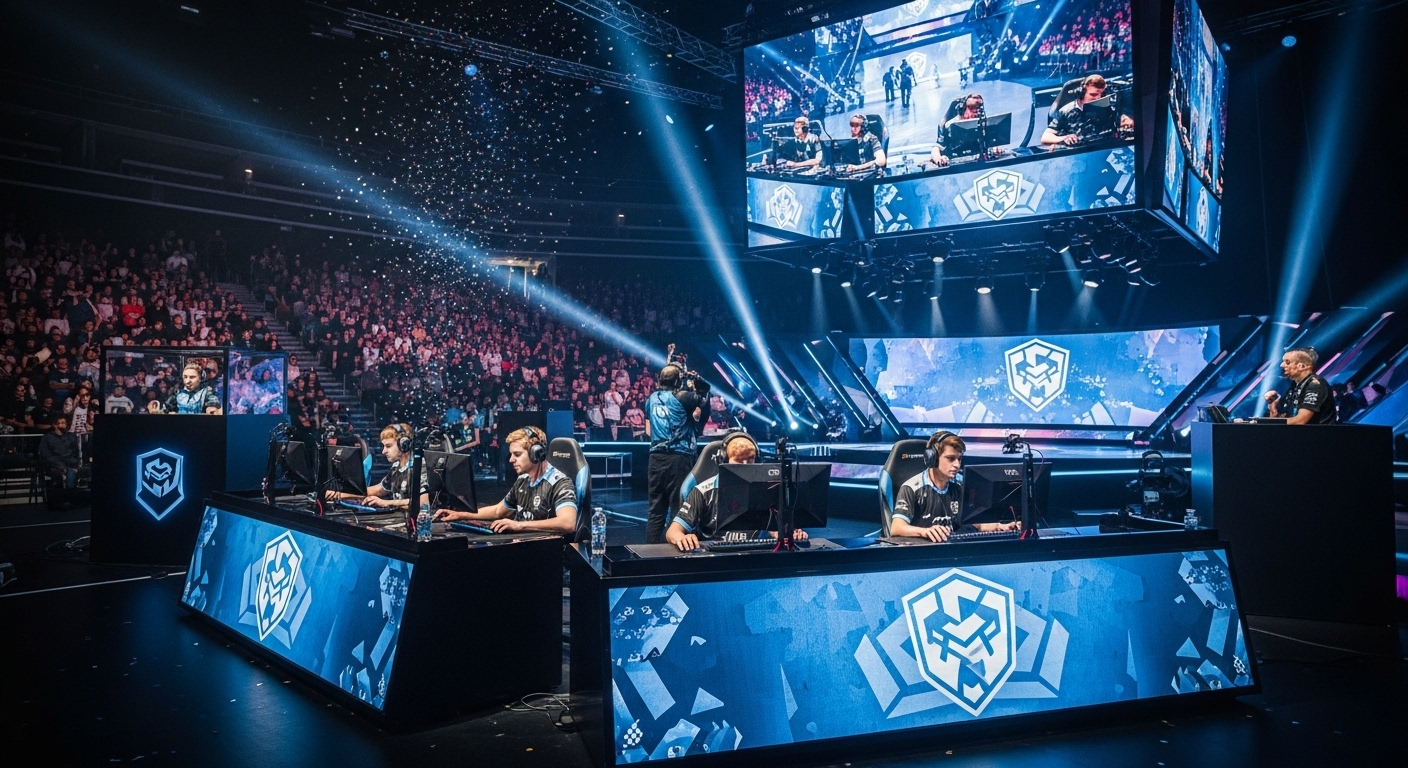
The recognition of esports as a legitimate form of entertainment has also contributed to the rise of esports venues and arenas. Dedicated esports arenas, where major tournaments are held, are becoming more common. These state-of-the-art facilities provide fans with an immersive, live-viewing experience, complete with high-definition screens, sound systems, and seating for thousands of spectators.
The Global Impact of Esports
Esports’ growth has been nothing short of global. The rise of international tournaments has allowed players and fans from different countries to come together and compete at the highest level. Professional esports players are now viewed as global celebrities, with fanbases spanning across continents.
Esports has also provided new career paths for players, coaches, analysts, and broadcasters. Professional players can make a living from tournament winnings, sponsorships, and streaming revenue. In fact, some of the best-known esports players have become multimillionaires, similar to top athletes in traditional sports. Beyond players, there are also career opportunities for esports coaches, commentators, analysts, and even content creators who build their personal brands by providing in-depth commentary and analysis of matches.
In countries like South Korea and China, esports is not just an entertainment industry but also a national pastime. The South Korean government has supported esports as part of its cultural development, with dedicated esports arenas and even high schools offering specialized esports programs. The popularity of esports in these regions has paved the way for other countries to invest in competitive gaming.
Esports and Education: A New Generation of Gamers
Esports is not just a professional industry; it has also made its way into schools and universities, leading to the development of esports education programs. Colleges and universities around the world are now offering esports scholarships, creating esports teams, and offering courses on game design, broadcasting, and event management.
In the United States, several universities have established esports programs and teams that compete at the collegiate level. These programs not only offer scholarships but also provide students with the opportunity to pursue careers in gaming, media, and technology. Esports clubs at high schools and colleges are also a way for young players to develop their skills, form teams, and prepare for professional careers.
Moreover, esports is fostering a new generation of gamers who are not only interested in playing but also in game development, content creation, and esports journalism. The opportunities for young people to pursue careers in esports are growing, and this will continue to drive the industry forward.
The Challenges Facing Esports
While esports has seen tremendous growth, there are still challenges that the industry must overcome. One of the most pressing issues is the lack of diversity within the professional scene. Although there has been an increase in female players and professionals in recent years, women and minority groups are still underrepresented in competitive gaming. Initiatives and organizations are working to address this, but more needs to be done to ensure a more inclusive and diverse esports ecosystem.
Another challenge facing esports is the issue of mental health. The pressure to perform at the highest level can lead to burnout, stress, and even depression among players. The intense training schedules and the constant scrutiny from fans and sponsors can take a toll on an athlete’s mental well-being. As the industry matures, more attention will need to be given to supporting the mental health of players and providing the necessary resources to ensure their well-being.
Finally, the sustainability of esports is another area that requires attention. As the industry grows, there is an increased environmental footprint associated with tournaments, travel, and the use of technology. Esports organizations must find ways to minimize their environmental impact, whether it’s through sustainable practices or green energy solutions.
The Future of Esports
The future of esports is incredibly promising. With advancements in virtual reality (VR) and augmented reality (AR), the way we experience competitive gaming will continue to evolve. VR and AR technologies are poised to provide even more immersive experiences for both players and fans, opening up new opportunities for innovation in gameplay, spectator engagement, and content creation.
Furthermore, the rise of mobile gaming and cloud gaming platforms will make esports more accessible to a broader audience. As mobile devices become more powerful, players can compete at the highest level without needing expensive gaming PCs or consoles, democratizing access to esports.
As the esports ecosystem continues to grow, the industry will likely see more investment from traditional sports organizations and corporations. The integration of esports with other forms of entertainment, such as traditional sports, music, and pop culture, will continue to make it a central part of global entertainment.