





Introduction: A New Era of Competition
Esports, a term once limited to a niche community of gamers, has blossomed into one of the most powerful industries in the world. Over the past decade, competitive gaming has moved from being a casual hobby to a global phenomenon, attracting millions of players and viewers from across the globe. Esports has evolved from informal tournaments in living rooms to massive, multi-million-dollar events broadcast to millions of fans worldwide. But what exactly is esports, and how did it become such a dominant force in entertainment? This blog takes a deep dive into the history, structure, cultural impact, and future of esports.
The History of Esports: From Arcade Games to Global Leagues
While esports as we know it today seems like a recent innovation, its roots go back several decades. In the early days of gaming, in the 1970s and 1980s, players gathered in arcades to compete in high-score challenges for games like Pong and Space Invaders. As technology advanced, so did the scope of competitive gaming. In the late 1990s, games like Quake and StarCraft allowed players to compete online for the first time, igniting the spark for modern esports.
By the early 2000s, the rise of broadband internet and the popularity of multiplayer games such as Counter-Strike, Warcraft III, and Halo created a global community of competitive gamers. Major tournaments like the World Cyber Games and Electronic Sports World Cup were established to formalize competitions. As esports grew in popularity, sponsorships from global brands, the rise of streaming platforms like Twitch, and the emergence of professional leagues began to shape esports into an industry.
The real turning point came when game developers recognized the potential of their titles to become esports. Games such as League of Legends, Dota 2, and Overwatch became the foundation of the modern esports landscape, offering dedicated tournaments and professional leagues that set the stage for the massive growth that would follow.
Esports Today: A Billion-Dollar Industry
Today, esports is no longer just a hobby; it’s a global business. In 2023, the global esports industry is estimated to be worth over $1 billion, with revenue coming from media rights, sponsorships, advertisements, and merchandise. What was once an underground movement is now broadcast on television networks, streamed on platforms like YouTube and Twitch, and followed by millions of fans across the globe.
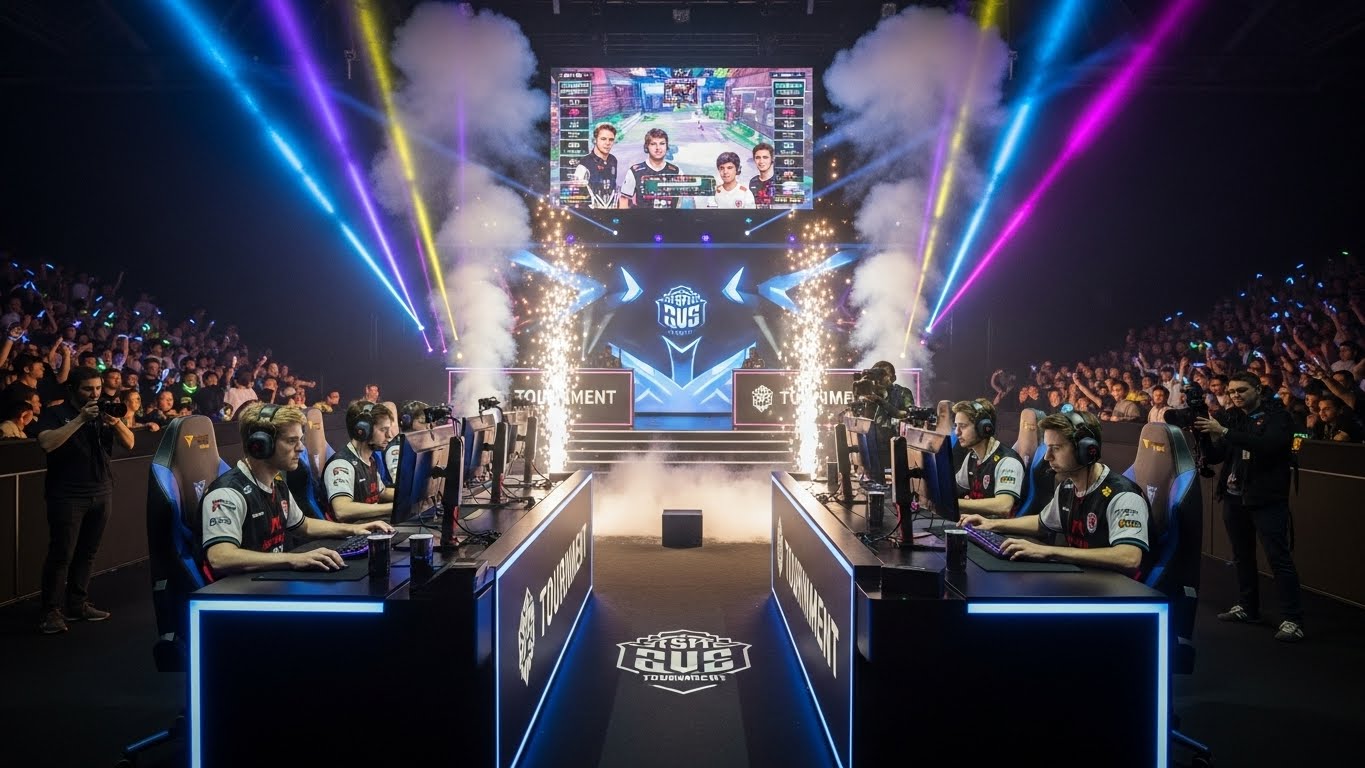
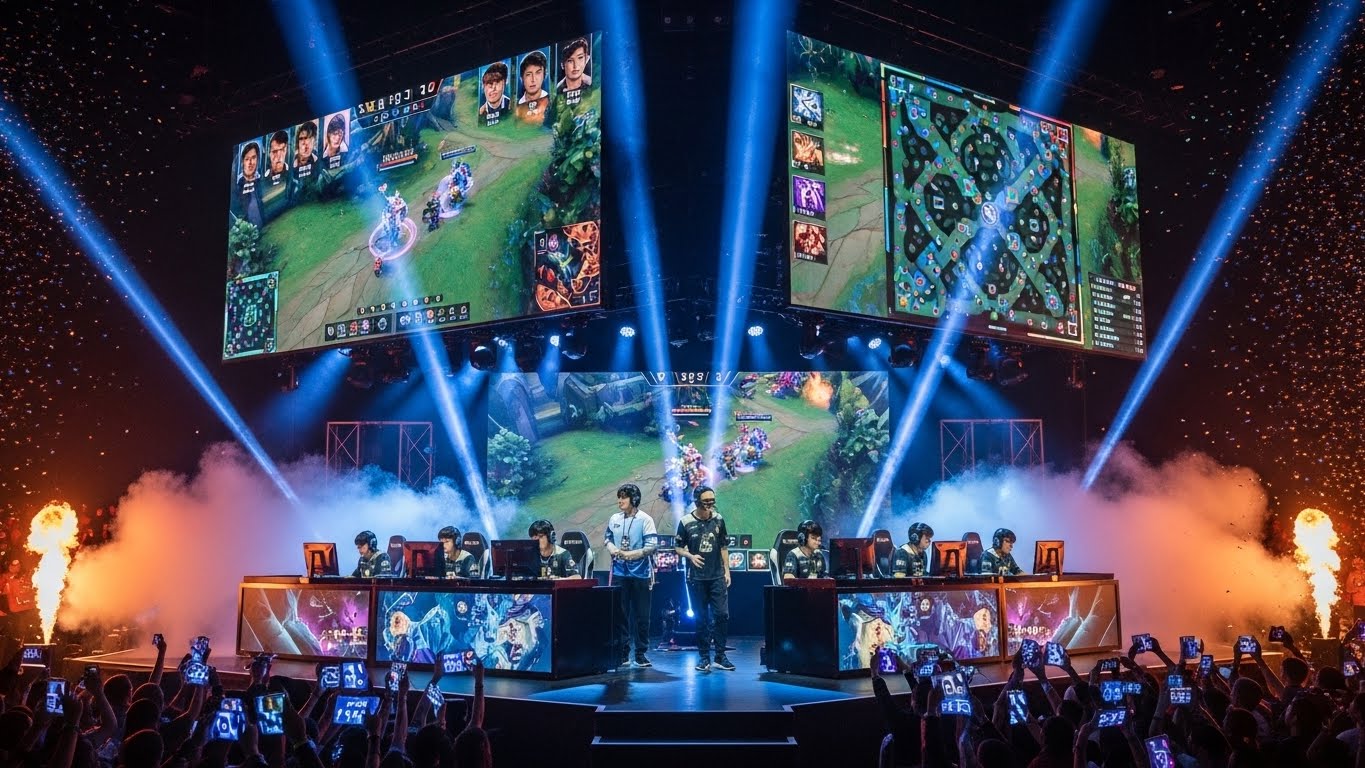
Tournaments like The International (for Dota 2) and the League of Legends World Championship offer prize pools worth millions of dollars, attracting the best talent from around the world. These competitions are no longer confined to the digital space; many are hosted in massive arenas with live audiences. The League of Legends World Championship, for example, has sold out arenas like the Bird’s Nest in Beijing and the Staples Center in Los Angeles, proving that esports can draw crowds comparable to traditional sports events.
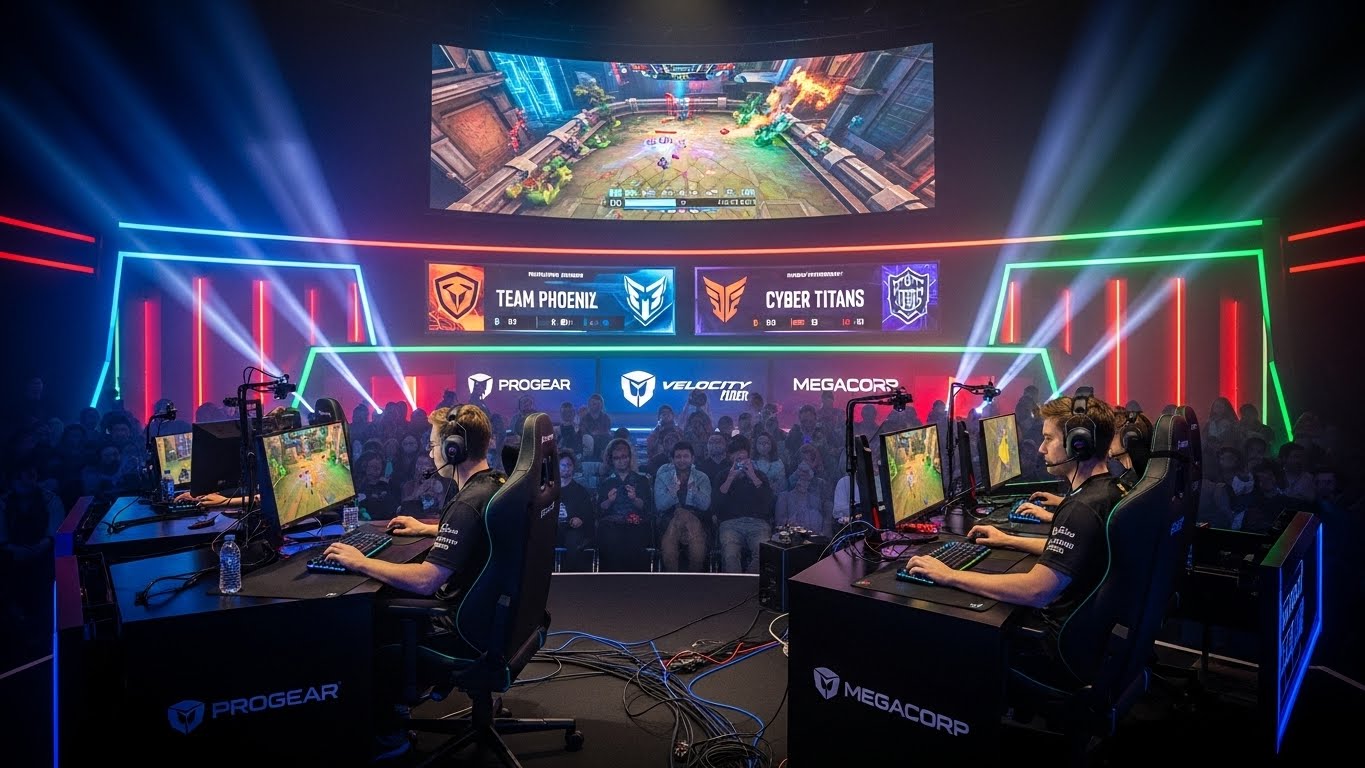
Sponsorships have become a major driver of revenue for esports teams and players. Major brands like Coca-Cola, Intel, and Nike now sponsor esports events and teams, while individual players can secure lucrative endorsement deals. Streaming platforms, particularly Twitch, have further monetized the esports ecosystem by providing content creators with the ability to earn money through ads, subscriptions, and donations from their fans.
The Structure of Esports Competitions
One of the key aspects that differentiates esports from traditional sports is its structure. While traditional sports typically follow a seasonal format with games spread out over months, esports competitions can take several forms, each with its own rules and structures.
Professional Leagues: These are the foundation of esports competitions. Games like League of Legends and Overwatch have established professional leagues with franchised teams. These teams sign players to multi-year contracts, and they compete in seasonal leagues leading up to a championship. Players on these teams train together, develop strategies, and build their individual and team skills. The stakes are high, and the competition is fierce.
Open Tournaments: Open tournaments allow anyone to compete, whether they are seasoned pros or enthusiastic amateurs. These tournaments usually feature a qualification process, where players or teams need to earn their place by beating other competitors in smaller, regional tournaments or through online qualifiers. Games like Counter-Strike: Global Offensive and Fortnite often have open tournaments where the top-ranked players in the world battle for large prize pools.
Online Competitions: The rise of online platforms and multiplayer games has made it easier for players around the world to compete against each other without geographic limitations. These competitions often feature weekly or monthly events that allow players to join matches from the comfort of their own homes. Platforms like ESL and FACEIT host regular competitions for games like Valorant and Rainbow Six Siege.
Whether in a league, tournament, or online event, esports competitions are structured to emphasize not only individual skill but also team coordination, strategy, and adaptability. The best players in esports are not just fast and accurate; they are also exceptional at working with teammates, adapting to the ever-changing game meta, and reading their opponents’ moves.
The Life of an Esports Athlete
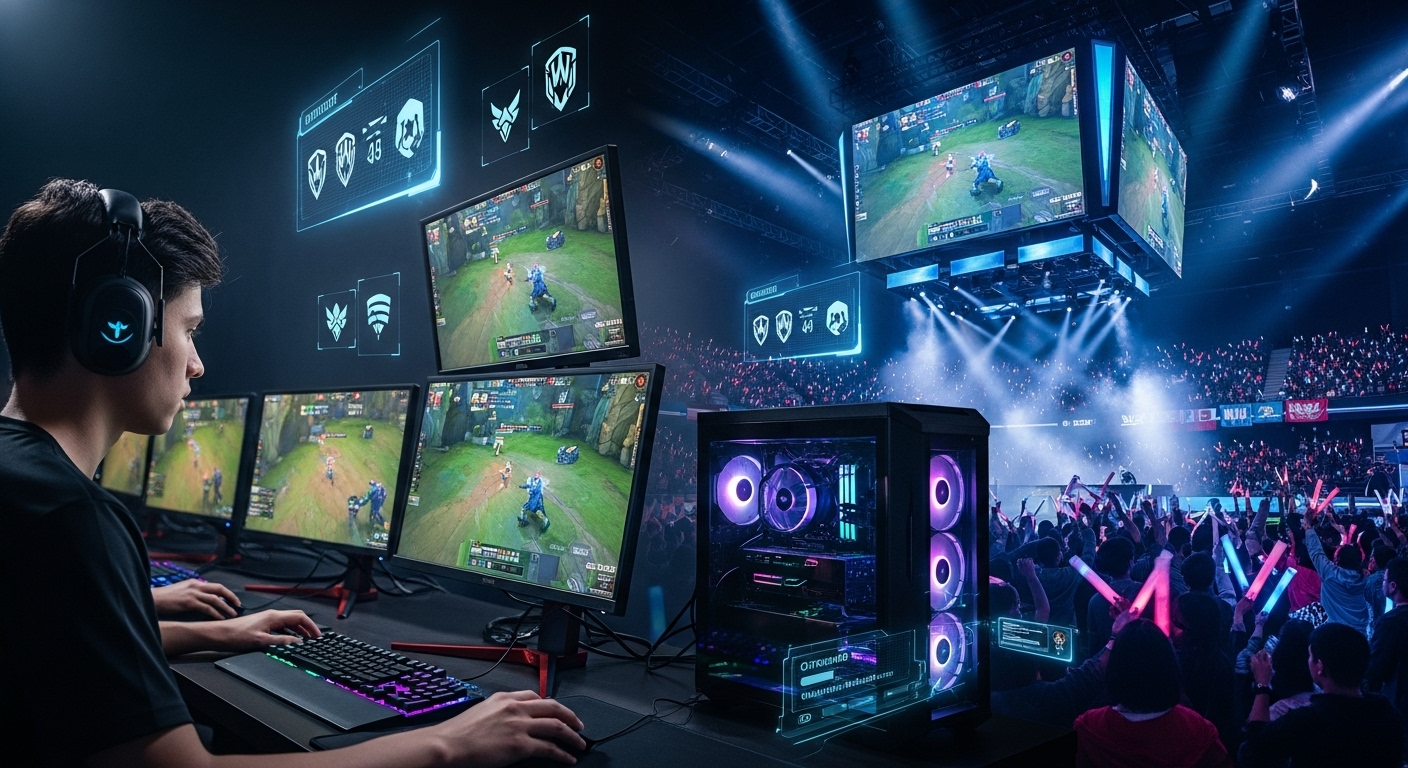
Being a professional esports player is not just about gaming for fun; it’s a full-time job that requires immense dedication and skill. Unlike traditional athletes, esports players do not need physical strength to compete, but they do need quick reflexes, sharp concentration, and exceptional teamwork skills. Esports players train for hours every day, practicing game mechanics, watching game replays to learn from others, and strategizing with their teams.
The average esports career is relatively short compared to traditional sports. A typical esports player’s peak performance is often reached in their early twenties, with many players retiring from professional gaming by the age of 30. Because of this, many esports professionals focus on building secondary careers, such as coaching, streaming, or content creation, to stay in the industry after their playing days are over.
For many aspiring players, the road to becoming a professional gamer is difficult and highly competitive. Players need to not only be good at the games but also develop a personal brand, build a following on streaming platforms, and network within the esports community. This makes the journey to the top not just about talent, but also about business acumen and social media savvy.
The Audience: Fans, Viewers, and Communities
Esports has a massive global fanbase. According to a report by Newzoo, more than 450 million people worldwide watch esports, with over 200 million of those being dedicated fans. Esports fans are often highly engaged, following their favorite teams, players, and events through streaming platforms, social media, and live broadcasts.
Unlike traditional sports, where the fan experience is often limited to watching games in stadiums or on TV, esports fans are active participants in the community. Fans watch games on Twitch, YouTube, and other streaming platforms, where they can interact with players and commentators in real time through chat and social media. Esports events often feature live commentary, interviews, and behind-the-scenes content that allows fans to feel closer to the action.
The global nature of esports means that fans from all over the world can engage with each other, share opinions, and cheer for their favorite players and teams regardless of location. This creates a sense of community that transcends borders and brings together people who share a passion for gaming and competition.
The Business of Esports
Esports is not just a sport; it’s a multi-billion-dollar business. From sponsorship deals and media rights to merchandise sales and ticket revenue, the financial ecosystem of esports is diverse and growing. Sponsorships from major brands like Intel, Red Bull, and Mercedes-Benz have helped push the industry into the mainstream, while media rights for major tournaments like The International and League of Legends generate millions of dollars.
Merchandising is another significant revenue stream for the esports industry. Teams and players sell branded clothing, accessories, and equipment, often generating substantial income. In fact, some esports teams and players earn as much from their merchandise sales as from their tournament winnings.
Streaming platforms such as Twitch and YouTube have also created new revenue models, with content creators earning money through advertisements, fan donations, and paid subscriptions. This allows players, streamers, and even organizations to profit from their online presence, making esports a financially viable career path for a new generation of gamers.
The Future of Esports: What’s Next?
The future of esports looks incredibly promising. As technology continues to evolve, we can expect to see more immersive experiences for fans, such as virtual reality (VR) and augmented reality (AR) integration. VR and AR could change the way viewers interact with esports events, bringing them closer to the action and offering new opportunities for fan engagement.
Additionally, esports will continue to grow in mainstream popularity. Universities are beginning to offer scholarships for esports players, and academic programs focusing on esports management and game design are becoming more common. This institutional support will help validate esports as a legitimate career path, attracting even more players, teams, and sponsors into the ecosystem.
Finally, esports is expected to keep expanding globally, with new regional markets emerging in places like South America, Southeast Asia, and the Middle East. As internet infrastructure improves around the world, more and more people will have access to competitive gaming, which will fuel further growth.
Conclusion: The Enduring Legacy of Esports
Esports is not just a passing trend; it is a cultural and economic force that is here to stay. From humble beginnings in arcades to multimillion-dollar tournaments with global audiences, esports has become a legitimate sport in its own right.