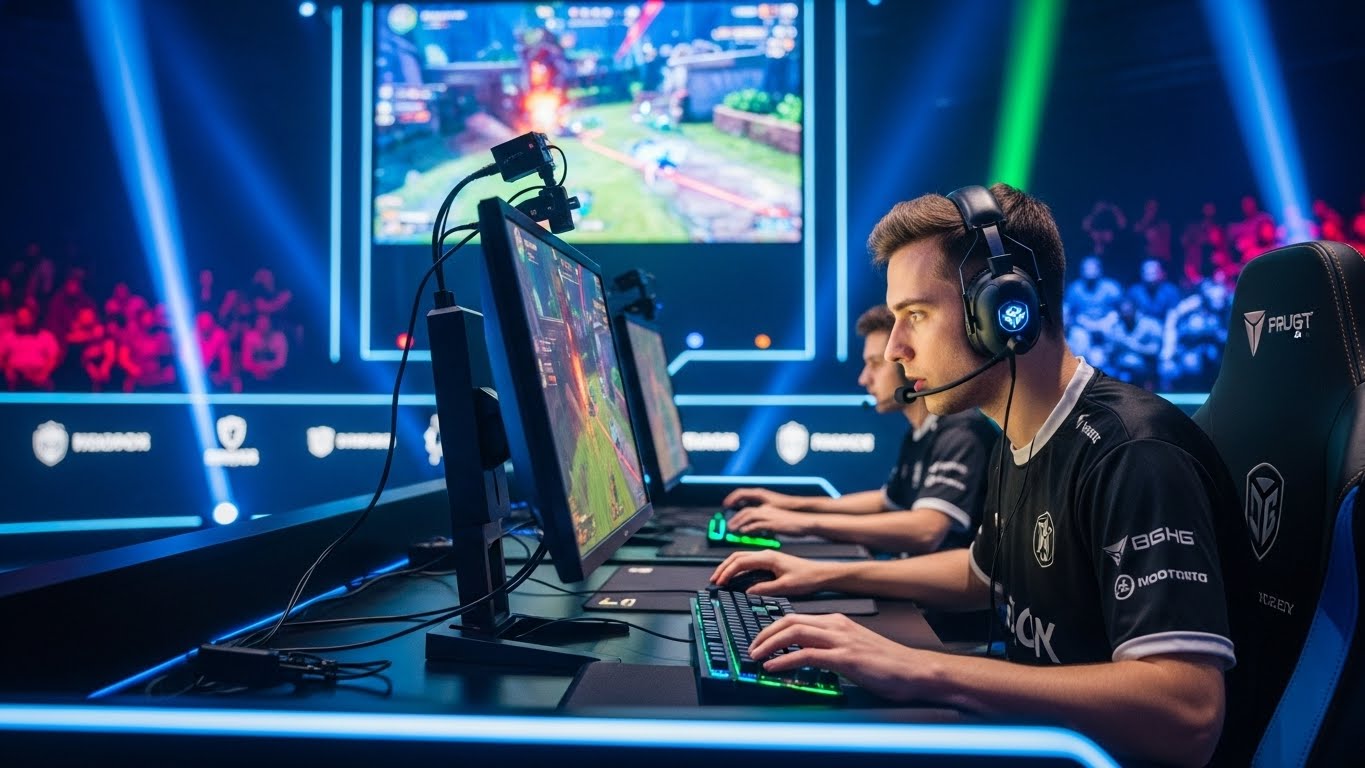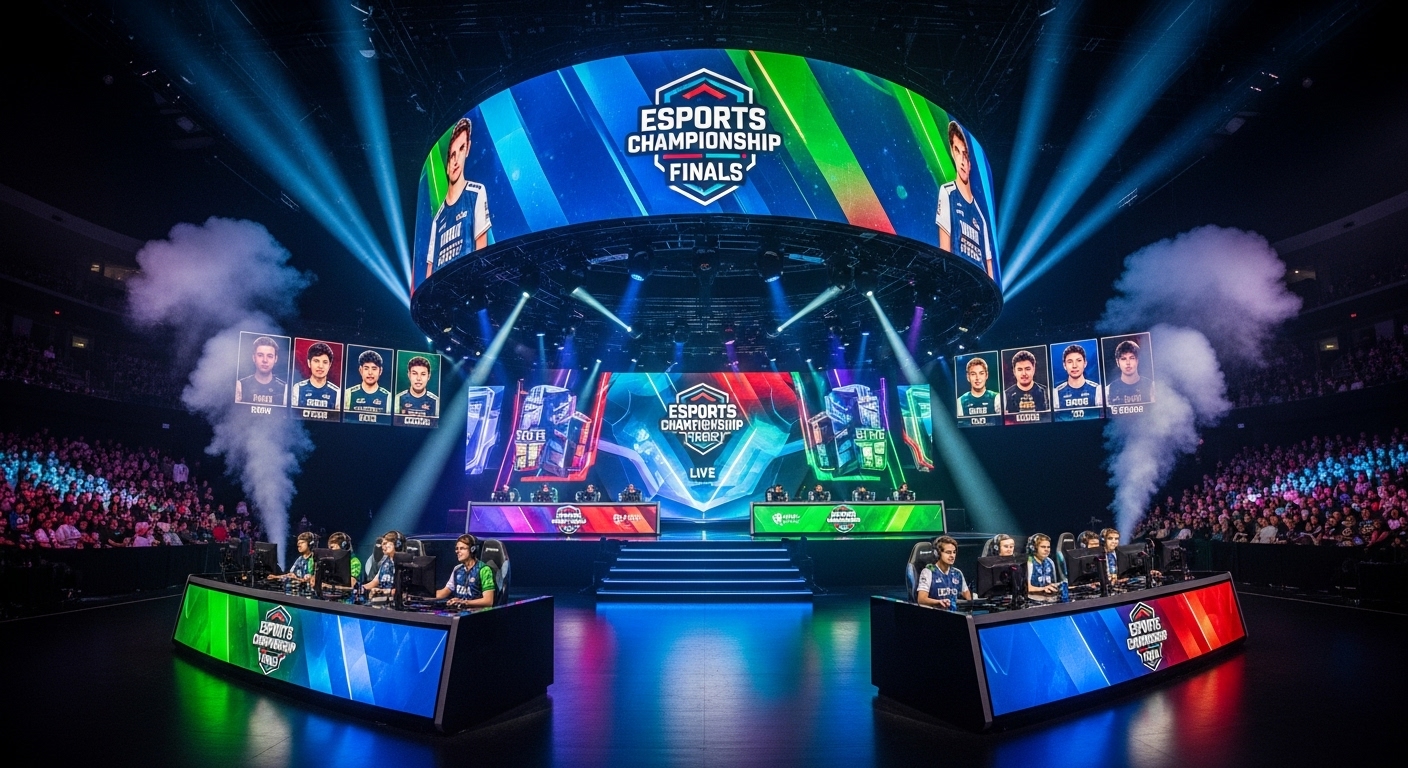






Esports has come a long way from its humble beginnings as a niche hobby for gaming enthusiasts to a multi-billion-dollar global industry that draws millions of viewers and competitors from around the world. What started as a hobby has transformed into a professional career path, offering opportunities to gamers, content creators, analysts, and marketers. The rapid growth of esports has been fueled by the development of technology, the rise of streaming platforms, and the increasing interest from mainstream media and corporate sponsors.
In this post, we will explore the evolution of esports, the factors that contributed to its growth, the role of major tournaments, the players who shaped the industry, and the impact of esports on modern gaming culture. We will also dive into the future of esports and the emerging trends that are reshaping the competitive gaming landscape.
The Birth of Competitive Gaming
The origins of esports can be traced back to the late 20th century, when video games were first introduced to the public. In the 1980s and 1990s, competitive gaming was primarily a small-scale affair, with local arcade competitions and informal LAN (Local Area Network) gatherings being the primary modes of gameplay. Games like Space Invaders and Street Fighter laid the foundation for future competitive gaming, but it wasn’t until the advent of personal computers and the internet that esports truly began to take shape.
One of the earliest examples of competitive gaming was the Red Annihilation tournament in 1997, which was hosted for the game Quake. It attracted a significant number of players, including the legendary John “Fatal1ty” Wendel, who would go on to become one of the most successful esports players in history. The tournament, which had a grand prize of a Ferrari, helped cement the idea that video games could be played competitively for serious rewards.
As internet speeds improved and online multiplayer games gained traction, competitive gaming expanded beyond local competitions. The rise of games like StarCraft in the late 1990s and early 2000s helped foster a new wave of professional gaming, especially in South Korea, where esports culture began to flourish. The formation of competitive leagues and tournaments for games like StarCraft laid the groundwork for the esports industry that would follow.
The Rise of Esports in the 2000s
The 2000s marked a turning point in the history of esports, as the combination of better technology and the rise of the internet made it possible for gamers around the world to compete against each other. The decade saw the introduction of a number of iconic esports titles that are still relevant today. Games like Warcraft III, Counter-Strike, World of Warcraft, and League of Legends helped shape the competitive gaming scene, establishing the foundation for esports leagues, tournaments, and fan communities.
In the early 2000s, South Korea emerged as the global epicenter of esports. The country was the first to establish dedicated esports channels, such as OnGameNet, and to create professional gaming leagues for popular games like StarCraft. The Korean e-Sports Association (KeSPA) was founded in 2000, helping to formalize esports as a legitimate industry in the country. By 2002, StarCraft tournaments were being broadcast on television, and professional players began to receive sponsorships and salaries.
Meanwhile, the rest of the world began to catch up. In Europe and North America, esports was primarily a grassroots movement, with tournaments organized by gaming communities and organizations. However, as esports grew in popularity, larger events began to take shape. The launch of the World Cyber Games (WCG) in 2000 and the Electronic Sports World Cup (ESWC) in 2003 helped solidify competitive gaming as a global phenomenon. These tournaments brought together players from all over the world to compete in a variety of games, providing a platform for esports to expand beyond local scenes.
The rise of the internet and digital distribution platforms also played a major role in esports’ growth. Games like Counter-Strike and Warcraft III became hugely popular in online multiplayer formats, and services like Battle.net allowed players to connect with others around the world. This interconnectedness helped turn competitive gaming into a truly global endeavor.
The Professionalization of Esports
As esports continued to grow, it began to take on a more professional structure. The 2010s saw an explosion in the popularity of esports, as companies started to realize the potential of the gaming industry. Sponsorships from major brands, including companies like Intel, Coca-Cola, and Red Bull, became commonplace in esports tournaments, providing financial backing and legitimacy to the industry.
One of the most significant developments during this time was the rise of League of Legends, a game released by Riot Games in 2009. League of Legends revolutionized the esports landscape by introducing a competitive scene that was accessible to players worldwide. The game’s free-to-play model, combined with regular updates and balanced gameplay, helped it maintain a massive player base, while the League of Legends Championship Series (LCS) provided a professional platform for players.
The LCS was just one of many esports leagues that emerged during the 2010s. Games like Dota 2, Overwatch, Hearthstone, and Counter-Strike: Global Offensive began to feature their own professional leagues, attracting large audiences and offering substantial prize money. These leagues were structured in a way that mirrored traditional sports leagues, with franchises, regular seasons, playoffs, and championships.
Esports organizations also became more formalized during this period. Teams like Cloud9, Team Liquid, Fnatic, and SK Telecom T1 became household names within the esports community, attracting top players and developing fanbases of their own. These organizations played a key role in elevating esports to a professional level, offering salaries, training facilities, and support to their players.
The development of streaming platforms like Twitch and YouTube Gaming was another major factor in the professionalization of esports. These platforms allowed gamers to broadcast their gameplay to a global audience, and many professional esports players began to build large followings by streaming their training sessions and tournament matches. This shift in how esports content was consumed further solidified esports as a mainstream entertainment medium.
The Impact of Esports on Gaming Culture
Esports has had a profound impact on gaming culture. In many ways, it has helped shape the way gamers approach competitive play, streaming, and content creation. The rise of esports has also changed the way video games are designed, with developers increasingly prioritizing multiplayer and competitive elements in their games.
One of the most notable effects of esports on gaming culture is the rise of esports fandom. As esports tournaments began to grow in size and scope, so too did the fanbases surrounding them. Esports fans are some of the most passionate and dedicated in the world, often following their favorite teams and players across multiple games and tournaments. This fanbase has played a crucial role in driving the success of esports, as it helps generate viewership for tournaments, increases sponsorship opportunities, and fuels merchandise sales.
Streaming platforms like Twitch have also contributed to the growing culture of gaming as a form of entertainment. Many viewers tune in not just to watch professional esports tournaments, but also to see their favorite streamers, whether they’re casual gamers, speedrunners, or competitive players. Esports has helped to create a culture where gaming is not just something that people do in their free time, but a viable career option for those who excel at it.
In addition, esports has changed the way people think about professional athletes. While traditional sports athletes are still primarily seen as individuals who compete in physical activities, esports players are now recognized as athletes in their own right, with similar training regimens, competitive pressures, and media coverage. Esports players often spend hours training, analyzing gameplay, and staying physically fit to improve their mental sharpness and reflexes. The level of dedication required to succeed in esports is comparable to that of traditional athletes.
The Future of Esports
The future of esports looks bright, with many exciting developments on the horizon. The continued growth of esports leagues and tournaments will likely lead to an even larger audience, and the integration of virtual reality (VR) and augmented reality (AR) could introduce new possibilities for competitive gaming. As technology continues to improve, esports will become more immersive and engaging, offering new ways for fans to experience the action.
Moreover, the increased involvement of mainstream media in esports, including television broadcasts and partnerships with major sports leagues, will continue to bring esports into the mainstream. Esports is increasingly being treated as a legitimate form of entertainment, on par with traditional sports, and this trend is likely to continue as the industry matures.
Finally, the ongoing development of new games and gaming technologies will help drive the next generation of esports titles. The emergence of mobile gaming, cloud gaming, and next-gen consoles will open up new avenues for competitive play, bringing esports to even larger audiences around the world.
Conclusion
Esports has undergone a remarkable transformation from its grassroots beginnings to a global powerhouse of competitive gaming. What was once a niche hobby has become a multi-billion-dollar industry, with millions of fans and players around the world. The professionalization of esports, the rise of streaming platforms, and the increasing involvement of corporate sponsors have all contributed to the rapid growth of this sector. As technology continues to evolve and new gaming platforms emerge, esports is poised for even greater success in the years to come.
Whether you’re a casual gamer, a professional player, or a dedicated fan, esports offers something for everyone. It’s an exciting and dynamic industry that continues to push the boundaries of gaming and entertainment, and its future is filled with endless possibilities.