





Esports, short for electronic sports, has grown from a niche hobby to a global phenomenon, captivating millions of fans and players around the world. This dynamic sector, combining elements of traditional sports, gaming, and digital entertainment, has evolved into a massive industry with substantial economic impact, cultural influence, and global recognition. In this blog post, we’ll explore the history, growth, and future of esports, its diverse ecosystem, and why it continues to capture the imagination of so many.
The Origins of Esports: From Arcade Games to Professional Tournaments
The concept of competitive gaming dates back to the early days of video games. In the late 1970s and early 1980s, arcade games such as Pong and Space Invaders began to attract dedicated players. As the gaming industry grew, so did the idea of playing games for more than just fun. The first known instance of competitive gaming can be traced to 1972 with the Intergalactic Spacewar Olympics held at Stanford University, where participants competed in Spacewar.
In the 1990s, the rise of personal computers and the internet created the infrastructure needed for online gaming. This allowed players to compete in digital environments across distances, and the concept of esports began to take shape. Games like StarCraft and Quake gained traction, and competitions like the Red Annihilation tournament in 1997 and the World Cyber Games in 2000 were early milestones in the evolution of esports. By the mid-2000s, esports was no longer a niche interest but an emerging industry, with large-scale events, sponsorships, and even broadcast deals starting to take form.
Esports Today: A Billion-Dollar Industry
Today, esports is a multi-billion-dollar global industry. According to recent reports, the esports market is projected to reach over $1.5 billion in revenue by 2027. A major driver of this growth is the increasing viewership of esports tournaments. Major games like League of Legends, Dota 2, Counter-Strike: Global Offensive, Fortnite, and Overwatch boast millions of viewers who tune in to watch the best players from around the world compete at the highest levels.
The largest esports events now rival traditional sports events in terms of both prize money and viewership. For example, the League of Legends World Championship regularly attracts over 100 million viewers globally, with the 2020 finals reaching 3.8 million concurrent viewers, rivaling the Super Bowl in terms of audience size.
Esports organizations, players, and teams now operate in a highly professionalized environment, with sponsorships from major global brands like Coca-Cola, Intel, and Nike. Streaming platforms like Twitch, YouTube, and Facebook Gaming have played pivotal roles in enabling fans to watch live broadcasts of esports events, allowing for greater interaction between players and fans through chat features, live commentary, and virtual meet-and-greets. These platforms have also helped foster a new generation of content creators, influencers, and streamers who play and discuss games for millions of followers.
The Players and Teams: The New Age of Athletes
One of the defining characteristics of esports is its highly skilled and dedicated players. Professional esports athletes undergo rigorous training schedules, similar to traditional sports athletes. Many of these players are young, with the average age of a professional esports competitor ranging from 18 to 24 years old. Top players typically practice for several hours a day, honing their in-game skills, studying strategies, and collaborating with teammates.
The mental and physical demands of esports are often overlooked, but they are just as intense as those of physical sports. Esports players must maintain exceptional hand-eye coordination, quick reflexes, and strategic thinking under pressure. Like traditional athletes, they must also maintain their health, as extended gaming sessions can lead to fatigue, repetitive stress injuries, and mental burnout.
Esports teams are now seen as professional organizations, complete with coaches, analysts, and support staff. Teams often represent specific brands, and sponsorships are a crucial aspect of their financial success. Leading esports organizations, such as Cloud9, Team Liquid, FaZe Clan, and G2 Esports, are not only known for their gameplay but also for their social media presence, brand partnerships, and community engagement.
The Role of Technology: Driving Innovation in Esports
The success of esports would not be possible without the rapid evolution of gaming technology. Advances in hardware, software, and internet infrastructure have made high-quality gaming more accessible to players and fans alike. Powerful gaming PCs, high-definition graphics cards, fast internet connections, and low-latency servers are all essential components that ensure smooth gameplay and high-level competition.
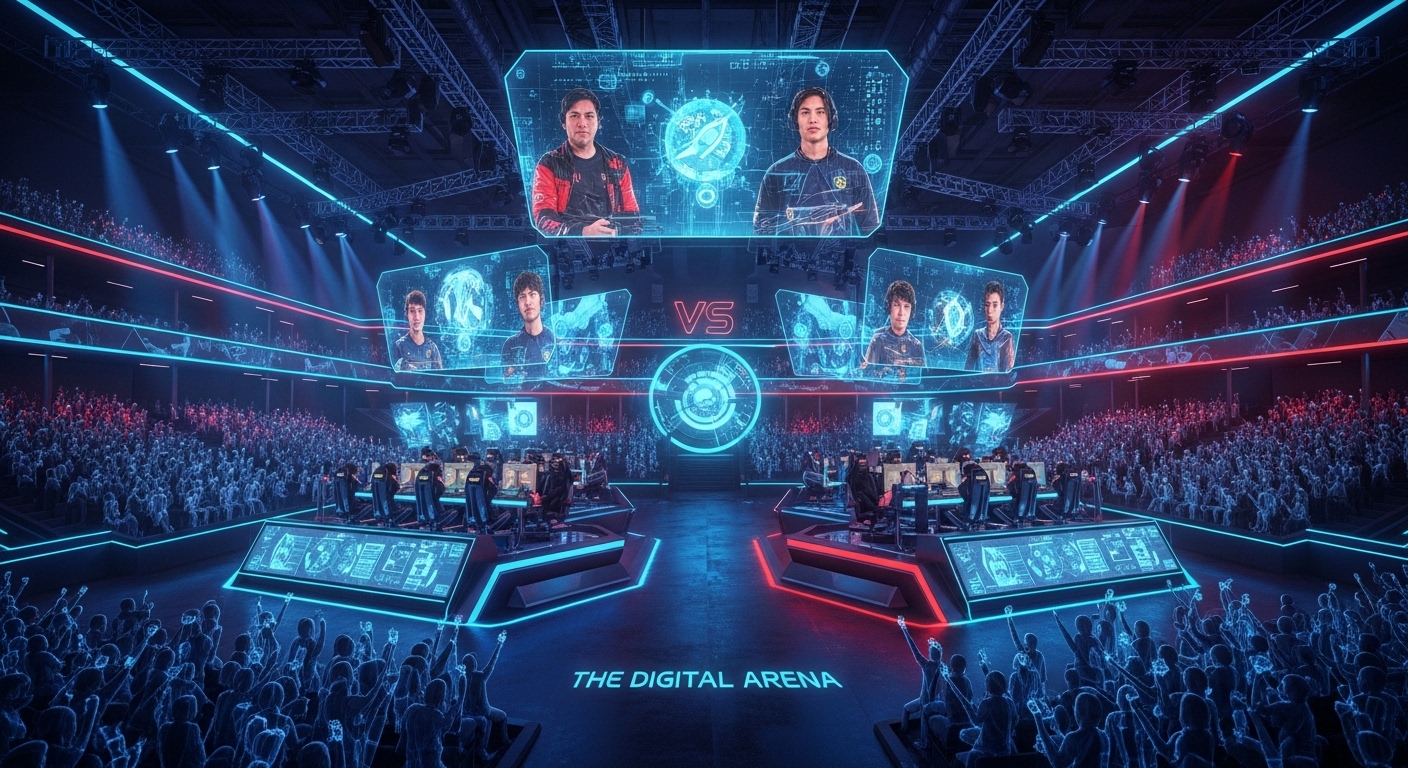
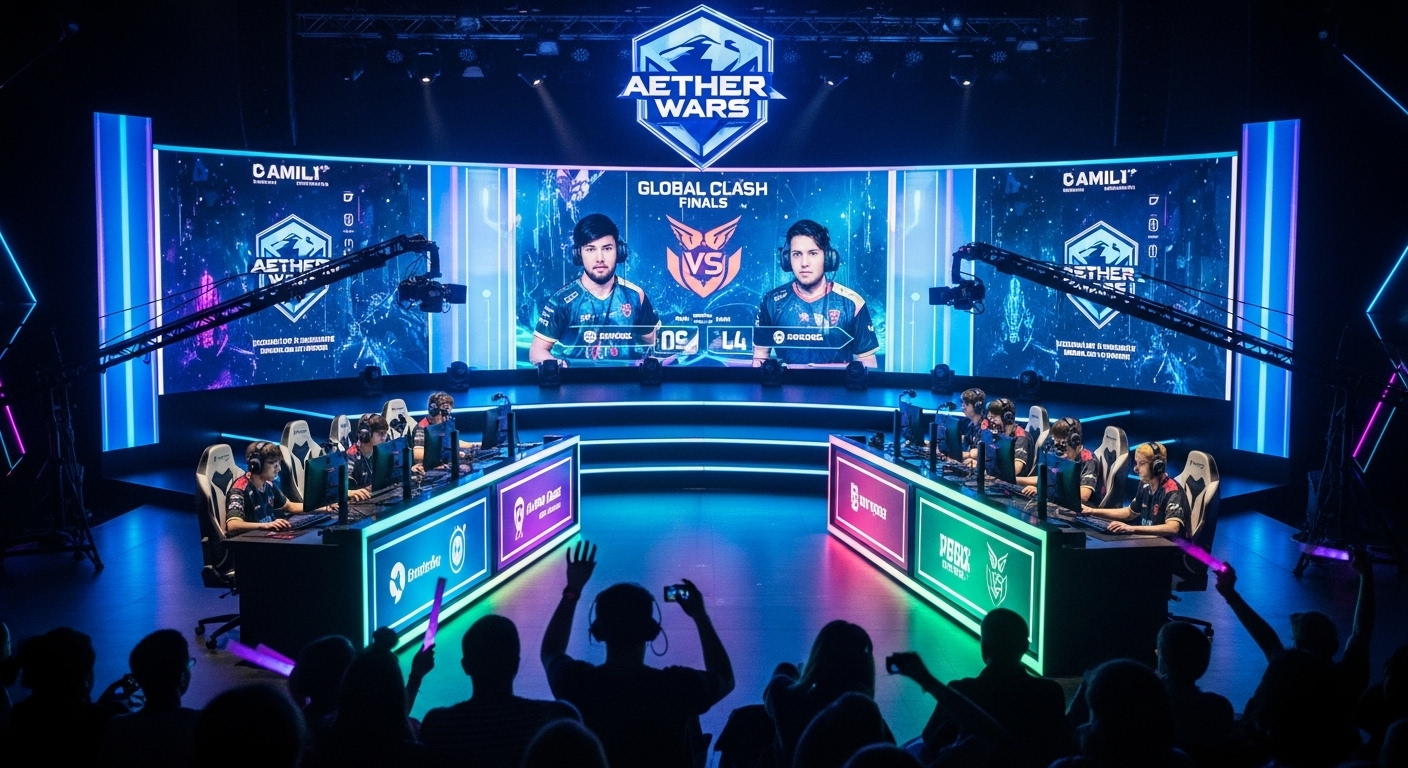
Esports tournaments often take place in state-of-the-art arenas, where live audiences can watch the action unfold on massive screens, and players compete under optimal conditions. Some events even feature augmented and virtual reality elements, creating immersive viewing experiences for fans.
Streaming platforms have also played a major role in shaping the esports landscape. Platforms like Twitch have become the go-to hub for esports content, offering live streaming, commentary, and interaction between players and viewers. In addition to competitive tournaments, Twitch and similar platforms host casual playthroughs, talk shows, and in-depth analysis of game mechanics, giving fans endless content to consume.
The rise of gaming technology has also led to innovations in broadcasting. Esports events now feature multiple camera angles, on-screen statistics, player profiles, and dynamic graphics, making the viewing experience more engaging for fans. Major esports leagues, such as the Overwatch League and Call of Duty League, broadcast live matches on television networks and online streaming services, making esports more mainstream.
The Global Appeal of Esports: A Cultural Phenomenon
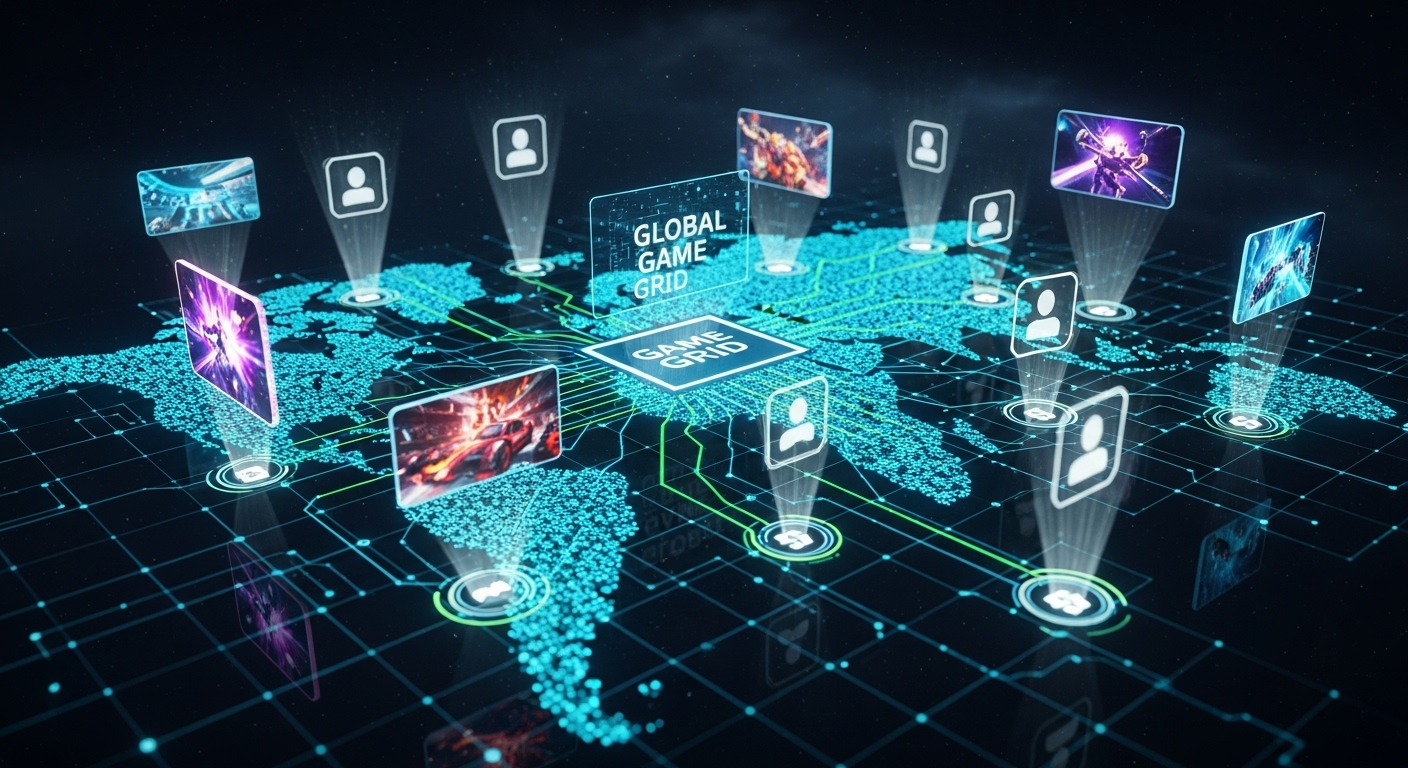
One of the key factors behind the rise of esports is its global appeal. Unlike traditional sports, esports is not limited by geography, language, or physical abilities. Players from all corners of the globe can compete against each other in a shared digital space. This has led to the formation of international leagues and tournaments, such as the Dota 2 International and League of Legends World Championship, where teams from Europe, North America, Asia, and other regions face off for global supremacy.
Esports has become a cultural phenomenon, influencing fashion, music, and entertainment. Major brands like Louis Vuitton have partnered with esports organizations to create limited-edition merchandise, while musicians such as Marshmello and Travis Scott have held in-game concerts within titles like Fortnite. This blending of gaming and pop culture has made esports more appealing to younger generations, who see it as an extension of their lifestyle.
In many parts of the world, esports has even been recognized as an official sport. South Korea, in particular, has long been a leader in the esports industry, with government support for esports infrastructure and professional leagues. Other countries, such as China, the United States, and Europe, have also embraced esports as a legitimate form of entertainment. Some universities even offer scholarships to students who excel in esports, further cementing its place in mainstream culture.
The Future of Esports: Expansion and Innovation
The future of esports looks incredibly promising. As the industry continues to expand, we can expect to see more investment, more opportunities for players, and more avenues for fans to engage with their favorite games. One exciting trend is the increasing integration of esports into traditional sports networks and platforms. Major sports channels like ESPN and NBC have begun broadcasting esports events, signaling that esports is being recognized as a legitimate form of entertainment alongside traditional sports.
Esports is also embracing new technologies, such as artificial intelligence (AI), machine learning, and cloud gaming. These innovations will likely enhance the player experience and the way fans engage with the industry. AI could help players analyze their performance more effectively, while cloud gaming may make high-level esports competition more accessible to players with less powerful hardware.
Moreover, the rise of mobile gaming has opened up new opportunities for esports, especially in emerging markets like Southeast Asia, where mobile devices are more common than gaming PCs. Titles like PUBG Mobile and Free Fire have become staples in the competitive gaming scene, and mobile esports events are gaining traction.
Conclusion: Esports as the Future of Entertainment
Esports is no longer just a subculture or a niche interest; it is a global powerhouse that shows no signs of slowing down. With its growing viewership, professionalization, and increasing integration into mainstream culture, esports is shaping the future of entertainment. It is a place where talent, technology, and passion converge, creating a new form of competition that transcends borders and generations.
As esports continues to evolve, we can expect even greater innovation, more immersive experiences, and more opportunities for players and fans alike. Whether you’re a casual gamer, a dedicated fan, or someone considering a career in the industry, there’s no denying that esports is here to stay, and it’s only going to get bigger.
The rise of esports represents not only a new era of digital competition but also a revolution in how we consume and interact with entertainment. It’s the future, and it’s happening right now.