





In recent years, esports has transitioned from a niche hobby to a global phenomenon, captivating millions of players, fans, and viewers worldwide. With the rise of competitive gaming, esports has cemented itself as one of the fastest-growing industries in entertainment. It’s no longer just about casual play; esports has evolved into a highly professionalized, multimillion-dollar ecosystem that spans across games, leagues, sponsorships, and global tournaments. This post will explore the evolution, impact, and future of esports, providing a comprehensive overview of its significance in modern culture.
The Evolution of Esports
Esports, short for electronic sports, refers to organized, multiplayer video game competitions, particularly between professional players, individually or as teams. The roots of esports can be traced back to the early days of video gaming when competitive gaming was initially limited to small LAN (Local Area Network) parties and arcade competitions. However, the real rise of esports as we know it today began in the late 1990s and early 2000s.
One of the first games that helped bring esports into the mainstream was StarCraft, a real-time strategy game developed by Blizzard Entertainment. StarCraft, especially the original version released in 1998, laid the groundwork for competitive gaming in South Korea, where it became a cultural phenomenon. By the mid-2000s, South Korea had developed a thriving esports scene, with dedicated television channels and professional leagues like the Korean e-Sports Association (KeSPA).
During the same period, the launch of games like Counter-Strike, Warcraft III, and League of Legends helped shape the landscape of modern esports. These games not only popularized competitive play but also fostered a sense of community around gaming. Over the years, the esports industry has expanded to include a variety of games across different genres, from first-person shooters (FPS) to real-time strategy (RTS) games and multiplayer online battle arenas (MOBAs).
The Growth of Esports as an Industry
As gaming hardware and internet connectivity improved, the accessibility of esports grew. What once required specialized equipment and a dedicated space for LAN events could now be experienced from the comfort of home. Major game developers began recognizing the potential of competitive gaming, investing heavily in creating online multiplayer features and global ranking systems.
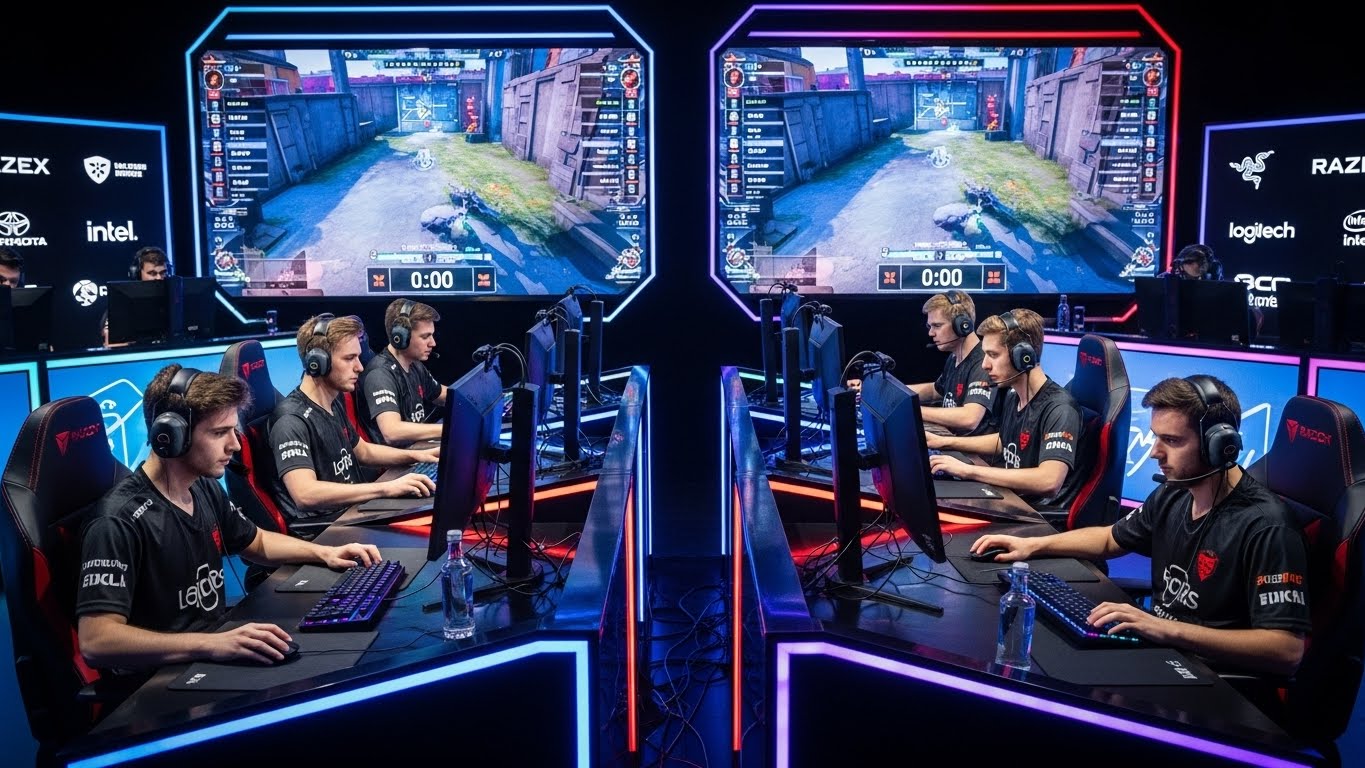
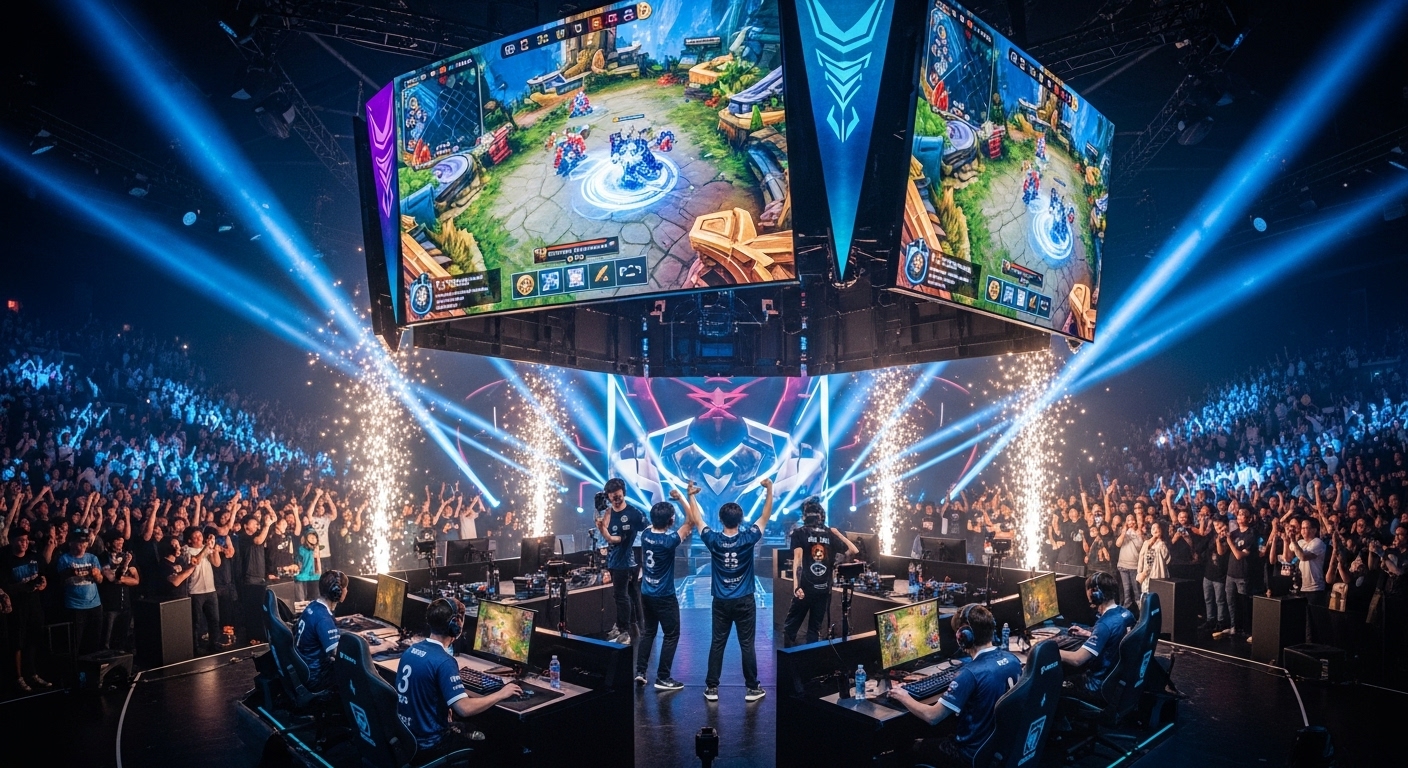
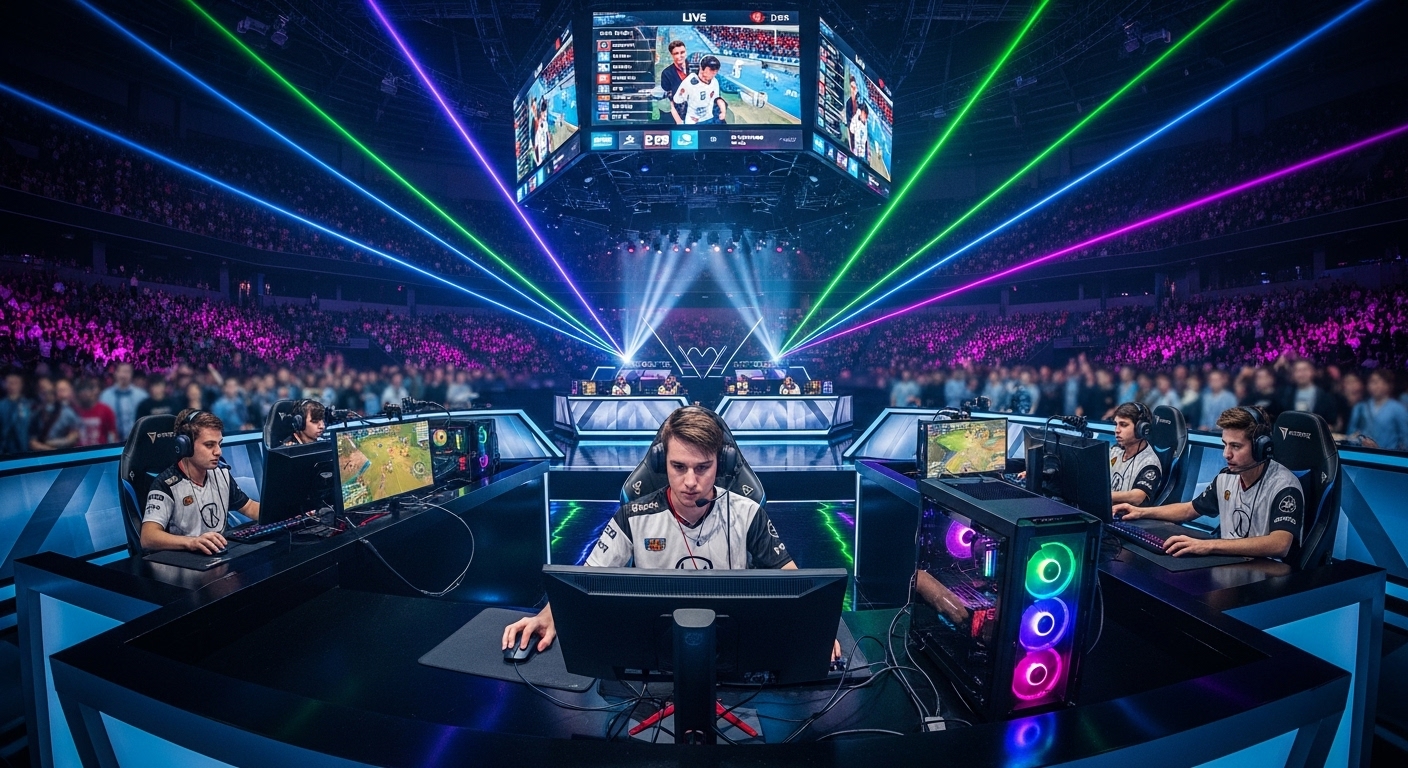
Platforms such as Twitch, YouTube Gaming, and Facebook Gaming played a significant role in the expansion of esports by providing a space for live streaming tournaments and events. These platforms enabled fans to watch their favorite players and teams in real-time, contributing to the rapid rise in viewership. Esports tournaments began attracting millions of viewers, not only online but also in physical arenas. Major cities such as Los Angeles, Seoul, and Shanghai hosted large-scale tournaments that drew thousands of fans in person, with millions more tuning in online.
Major Esports Tournaments and Leagues
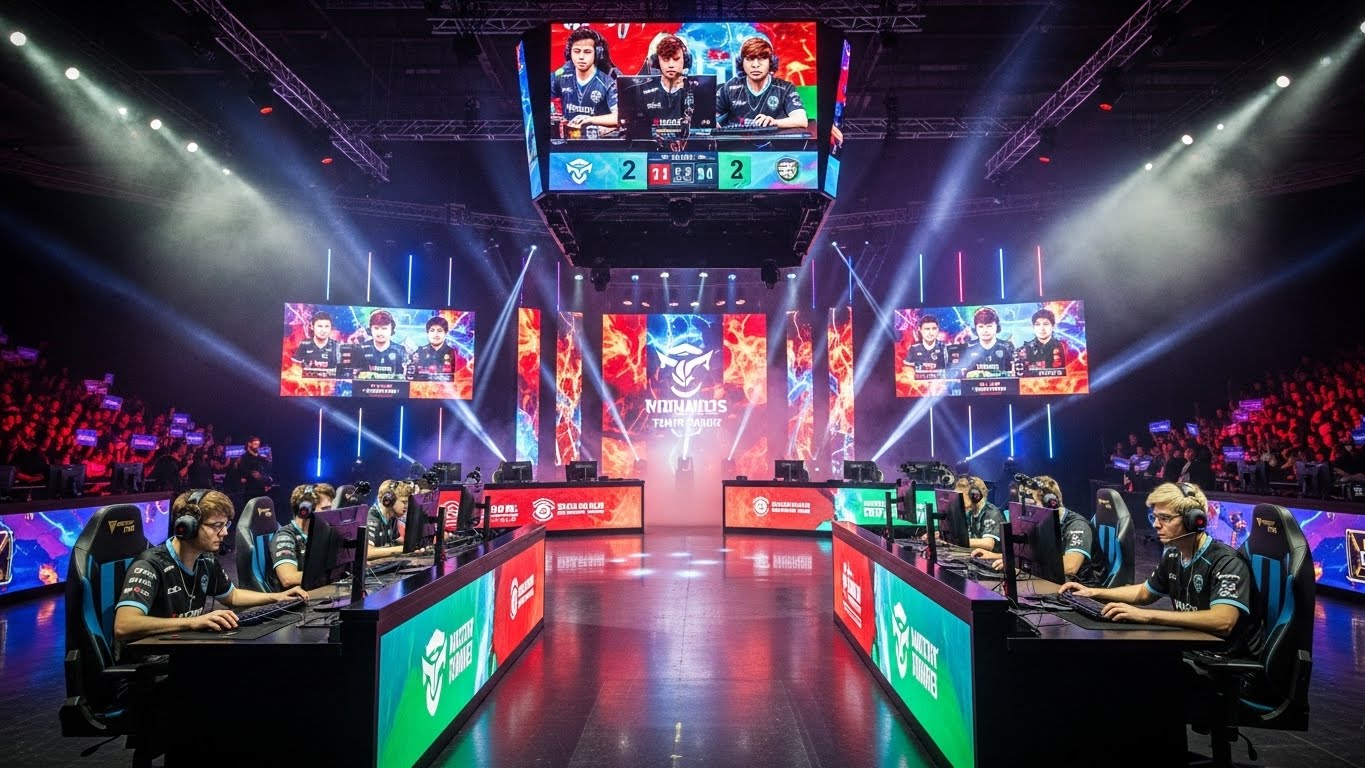
As esports became more mainstream, major tournaments and professional leagues began to form, creating structured competitions for players and teams. Some of the most notable tournaments and leagues include:
The International (Dota 2)
The International is one of the most prestigious esports events in the world, with a prize pool often surpassing $30 million. Organized by Valve Corporation, the tournament features the best Dota 2 teams from around the globe competing for the ultimate title. The International has helped establish Dota 2 as one of the most watched esports games, with viewers tuning in to watch the intense gameplay and high-stakes competition.
League of Legends World Championship
League of Legends (LoL) is arguably one of the most popular esports games worldwide, and the LoL World Championship is the pinnacle of its competitive scene. Hosted annually by Riot Games, the tournament features the best teams from various regions, including North America, Europe, South Korea, and China. The championship is a celebration of both the game and the global esports community, with millions of fans eagerly watching the matches online and in large arenas.
Counter-Strike: Global Offensive Major Championships
Counter-Strike: Global Offensive (CS:GO) is one of the most enduring esports games in history, and the CS:GO Major Championships are the most prestigious tournaments in the game’s competitive scene. These tournaments attract top-tier teams and offer massive prize pools, while the spectator experience is enhanced with high production value and engaging commentary.
Overwatch League
The Overwatch League (OWL) is another example of a major esports league that has elevated competitive gaming to the mainstream. Developed by Blizzard Entertainment, the league features teams representing cities across the globe, with each team competing in a regular-season format and playoffs. The OWL is unique for its city-based franchise model, which mirrors traditional professional sports leagues like the NBA and NFL.
The Players: Rising Stars of the Esports World
Behind every great tournament and league, there are players who have become household names in the world of esports. Much like traditional athletes, top esports players dedicate hours of practice and strategizing to hone their skills. These players have become celebrities in their own right, with sponsorships, streaming deals, and a loyal fan base.
Notable esports players include Lee “Faker” Sang-hyeok, a South Korean League of Legends player widely regarded as one of the greatest of all time; Johan “N0tail” Sundstein, a Danish Dota 2 player who has won multiple International titles; and Ninja, the former Fortnite star who became a sensation through his streaming and social media presence.
Many of these players have earned substantial amounts of money through tournament winnings, sponsorship deals, and streaming revenue. The competitive esports industry has given rise to a new breed of athletes—gamers who can turn their passion for gaming into lucrative careers.
Esports as a Global Phenomenon
One of the most remarkable aspects of esports is its global reach. Unlike traditional sports, which are often confined to specific geographic regions, esports transcends national borders. Players and fans from different corners of the world participate in online tournaments, watch international events, and share a common language through gaming.
In countries like South Korea, esports is considered a national pastime, with professional players regarded as celebrities. In the United States, Europe, and China, esports is also experiencing significant growth, with major sponsorships and media coverage. The inclusion of esports in global events like the Asian Games further solidifies its status as a legitimate sport.
The Role of Sponsorships and Partnerships
Sponsorships have played a crucial role in the commercialization of esports. Major brands like Coca-Cola, Intel, NVIDIA, and Red Bull have all partnered with esports organizations, teams, and events. These sponsorships provide financial support and help esports grow in both stature and reach.
In addition to traditional sponsorships, tech companies such as Razer and Logitech have developed specialized equipment for esports players, including high-performance gaming mice, keyboards, and headsets. These partnerships create a mutually beneficial relationship, allowing brands to tap into the vast esports audience while helping players and teams succeed with top-tier equipment.
The Future of Esports: What’s Next?
As esports continues to evolve, it is clear that the future holds even more exciting opportunities. One of the most significant developments is the increasing integration of virtual reality (VR) and augmented reality (AR) technologies. These advancements could revolutionize the way competitive games are played and experienced by fans, offering immersive, lifelike gameplay and spectator experiences.
Additionally, the growing trend of college esports programs in universities worldwide shows that competitive gaming is becoming an integral part of the education system. Many schools now offer scholarships to talented gamers, and student-run esports teams are gaining recognition.
Esports is also exploring the possibility of a more mainstream presence through partnerships with traditional sports leagues. Major sports organizations like the NBA and NFL have invested in esports, seeing the potential for a crossover between traditional sports and digital competitions. This fusion of the two industries could pave the way for new forms of entertainment, bridging the gap between physical and digital sports.
Conclusion: Esports in the New Age of Entertainment
Esports has undoubtedly become a cultural and economic force that is reshaping the entertainment landscape. With its global appeal, professional leagues, massive prize pools, and dedicated fan base, esports is no longer just a hobby or a passing trend—it is a legitimate industry in its own right. The rapid growth and transformation of esports show no signs of slowing down, and the future of gaming as a competitive sport holds even more promise. As technology continues to advance and more players, fans, and sponsors get involved, the sky’s the limit for esports in the coming years.
From humble beginnings in basement LAN parties to massive global tournaments watched by millions, esports has proven that gaming is not just a form of entertainment but a cultural phenomenon. Whether you’re a casual viewer or a dedicated competitor, there’s no denying that esports has secured its place in the future of entertainment.