






Esports, or electronic sports, has grown from a niche hobby into a global industry that captivates millions of people. What began as casual gaming among friends and local communities has transformed into a professional, highly organized form of competitive entertainment. Today, esports rivals traditional sports in terms of viewership, revenue, and cultural impact. From multiplayer online battle arenas to first-person shooters, esports provides a platform for competition, innovation, and community engagement like no other form of entertainment.
This blog explores the evolution of esports, its cultural and economic impact, the professional ecosystem, and the future of competitive gaming.
The Early Days of Competitive Gaming
The history of esports dates back to the late 1970s and 1980s, when video games first became popular. Arcade games such as Space Invaders, Pac-Man, and Donkey Kong sparked competition through high score challenges. Players would often travel to arcades to test their skills and claim the top spot on the leaderboard. These early competitions were localized, informal, and primarily driven by enthusiasm rather than structured organization.
The 1990s marked a turning point with the rise of multiplayer games on personal computers. Titles like Quake, StarCraft, and Counter-Strike introduced competitive gameplay on a larger scale. South Korea became a major hub for esports during this era, particularly with the popularity of StarCraft. Television broadcasts of competitive gaming tournaments began to emerge, allowing fans to watch professional players compete in real-time. These developments laid the foundation for modern esports by establishing structured competitions, professional teams, and a growing audience.
The Evolution of Esports
Esports experienced exponential growth in the 2000s, driven by advancements in technology and internet connectivity. Broadband internet allowed players to compete online from different parts of the world, breaking down geographical barriers. Multiplayer online games created global communities where players could share strategies, participate in leagues, and follow professional competitions.
The rise of streaming platforms transformed esports into a spectator-driven industry. Fans could now watch live matches, analyze gameplay, and interact with communities through chat and social media. Popular games such as League of Legends, Dota 2, and Overwatch introduced formal leagues, competitive seasons, and major international tournaments. These developments elevated esports into a mainstream phenomenon, attracting sponsorships, professional teams, and large audiences.
Today, esports has become a highly structured industry with organized leagues, professional coaching, and dedicated training facilities. Global tournaments offer multi-million-dollar prize pools, and professional players are recognized as celebrities in their own right. The evolution of esports demonstrates its transition from a casual pastime to a major cultural and economic force.
The Structure of Professional Esports
Professional esports operates similarly to traditional sports leagues. Players typically join teams or organizations that provide training, coaching, and management support. These organizations handle scheduling, sponsorships, marketing, and logistics, allowing players to focus on improving their performance.
Teams often have specialized roles, depending on the game being played. For example, in multiplayer online battle arena games like League of Legends, players are assigned positions such as top lane, jungle, mid lane, support, or marksman. First-person shooter games like Counter-Strike require roles such as entry fragger, sniper, and in-game leader. Each role contributes to team strategy and overall performance.
Professional players follow rigorous schedules, often practicing six to ten hours a day. Training includes refining mechanical skills, analyzing opponents’ strategies, and improving teamwork and communication. Physical and mental fitness are also emphasized, as focus, reflexes, and decision-making are critical to competitive success.
Major Esports Tournaments
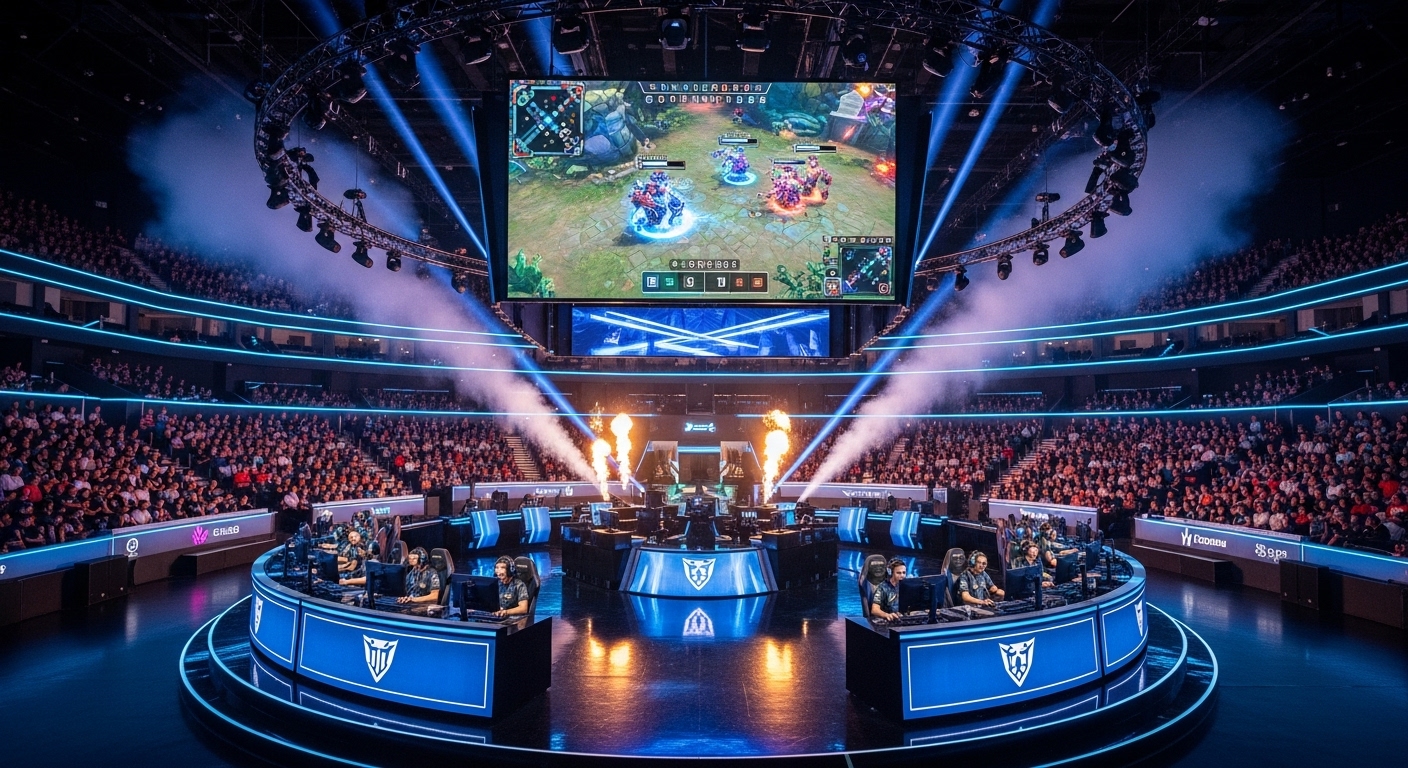
Global esports tournaments have become some of the largest events in the entertainment industry. The International, the annual Dota 2 championship, offers prize pools exceeding thirty million dollars, making it one of the most lucrative competitions in the world. League of Legends Worlds Championship attracts millions of viewers from around the globe, with stadiums filled with cheering fans and digital broadcasts reaching tens of millions more.
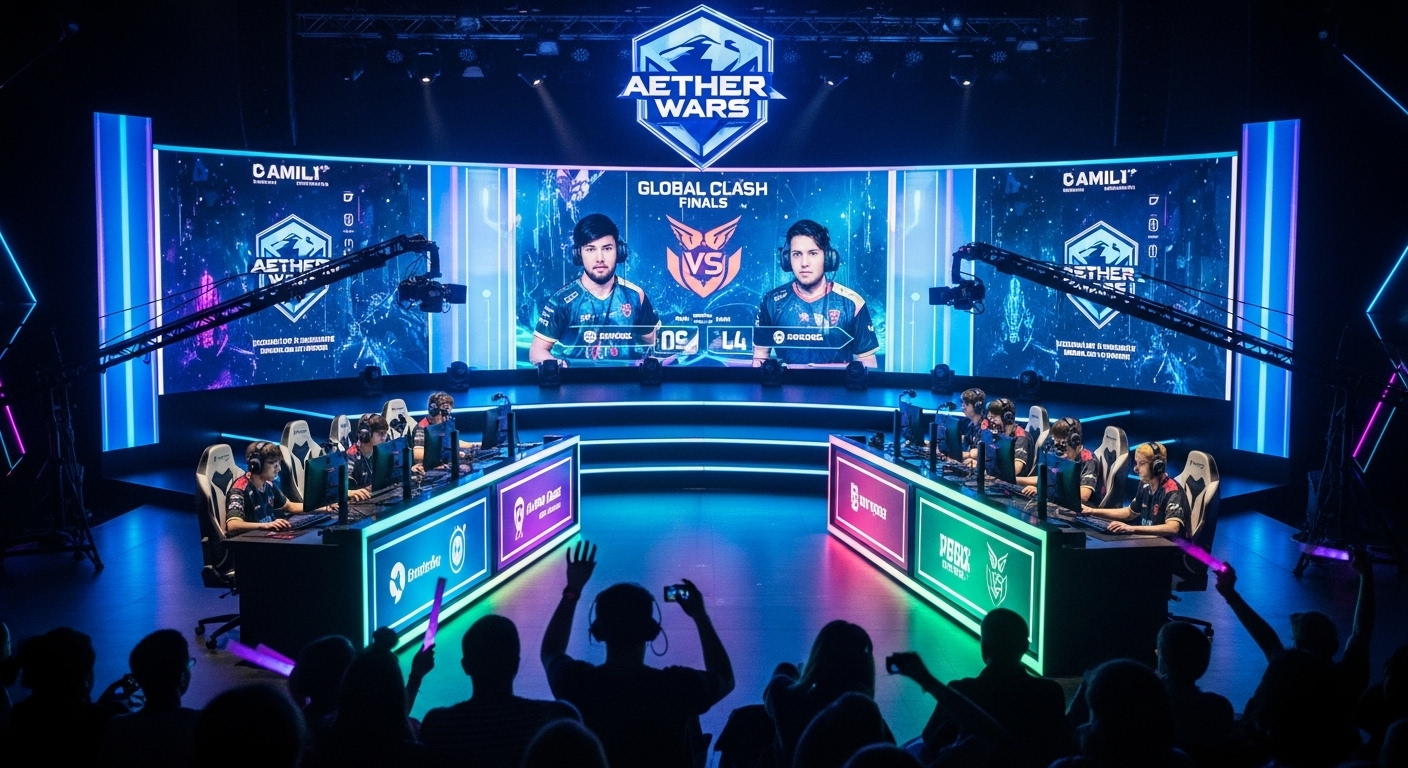
Other notable tournaments include the Overwatch League, Fortnite World Cup, Call of Duty League, and CS:GO Majors. These events showcase the highest levels of competitive skill and feature elaborate production, live commentary, and global media coverage. Tournaments often span multiple days, featuring group stages, playoffs, and finals, with fans able to follow the action both online and in-person.
Major tournaments are not just about competition; they are cultural events that bring together players, fans, sponsors, and media. They generate excitement, foster community engagement, and drive the economic engine of the esports industry.
Esports as a Spectator Sport
Esports is unique because it thrives as both a participatory and spectator experience. Fans watch games to appreciate skill, strategy, and teamwork, much like traditional sports. However, esports also allows audiences to interact with content in ways that conventional sports cannot. Viewers can communicate with commentators, participate in live polls, and analyze gameplay alongside their peers.
Streaming platforms play a central role in esports spectating. Platforms such as Twitch and YouTube Gaming allow fans to watch matches live, replay highlights, and engage with content creators. Live streams often include commentary from professional analysts who explain strategies, predict outcomes, and provide insights into player performance. This combination of entertainment and education enhances viewer engagement and fosters a passionate fan base.
Esports spectatorship also includes fantasy leagues, betting platforms, and fan tournaments, allowing audiences to actively participate in the competitive ecosystem. The interactive nature of esports has contributed to its rapid growth, making it one of the most engaging forms of modern entertainment.
The Business of Esports
Esports has evolved into a multi-billion-dollar industry with diverse revenue streams. Sponsorships, advertising, media rights, ticket sales, merchandise, and in-game purchases all contribute to the financial ecosystem. Major brands recognize esports as an effective way to reach younger, tech-savvy audiences who may be less engaged with traditional media.
Professional teams and players have become brands in themselves. Sponsorship deals, endorsements, and merchandise sales generate significant income. Top players can earn salaries comparable to professional athletes, with prize winnings and streaming revenue supplementing their earnings.
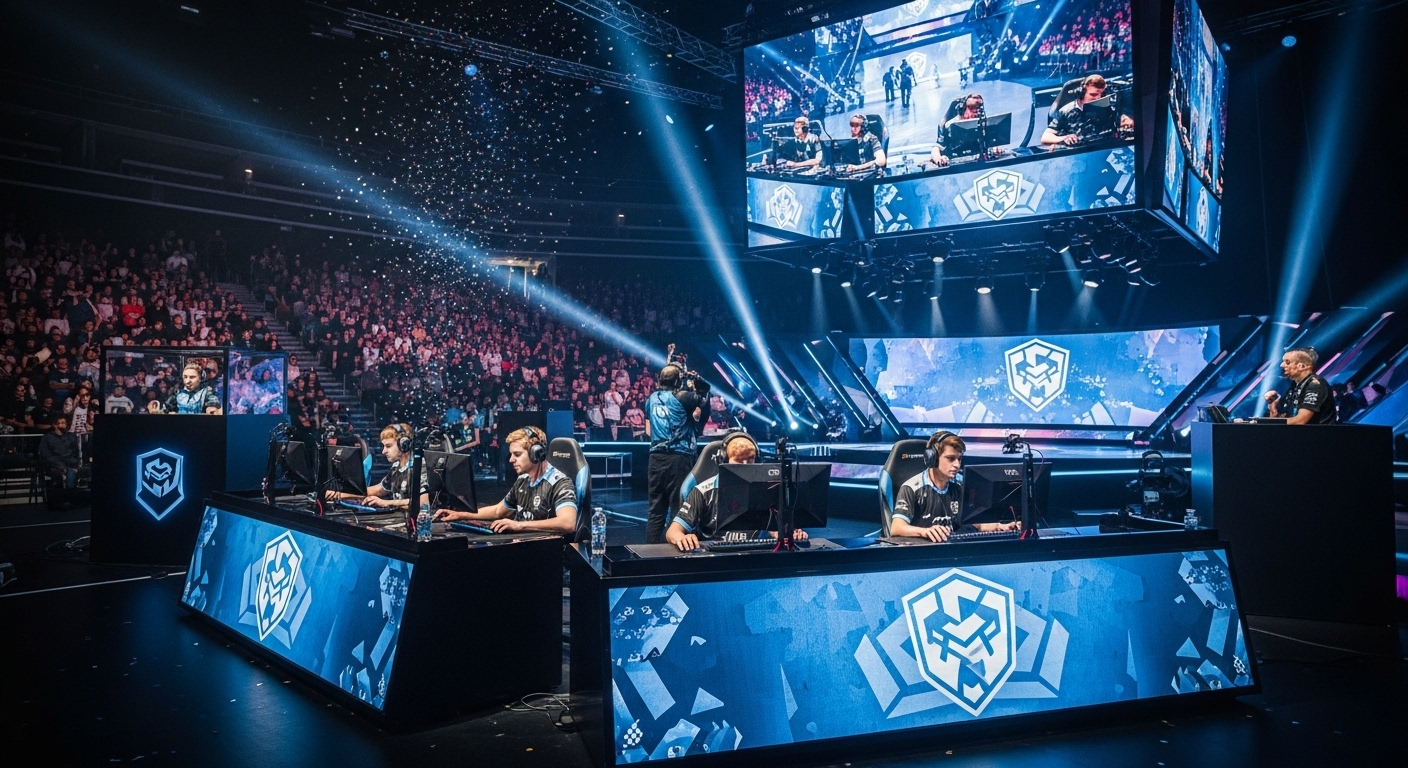
Event organization is another critical component of the esports economy. Companies invest heavily in producing tournaments, with elaborate production, lighting, sound, and broadcast capabilities. The combination of competition, spectacle, and audience engagement ensures that esports events are both entertaining and financially sustainable.
The Cultural Impact of Esports
Esports has had a profound cultural impact, especially among younger generations. It has created global communities where fans connect over shared interests, celebrate player achievements, and engage in discussions about strategy and performance. These communities are often highly organized, with fan clubs, forums, and online social networks.
Esports challenges traditional definitions of sports and competition. It demonstrates that skill, strategy, and teamwork are not limited to physical activities. Digital competition is now recognized as a legitimate form of athletic performance, broadening perceptions of what it means to be an athlete.
Esports has also influenced media, entertainment, and fashion. Streamers, content creators, and professional players are cultural icons who shape trends and inspire creative expression. Popular games often collaborate with music, film, and merchandise, further integrating esports into global culture.
Training and Discipline in Esports
Professional esports requires discipline, focus, and dedication. Players follow strict routines to maintain peak performance, including in-game practice, strategy analysis, and physical fitness. Reflexes, precision, and decision-making are honed through repeated practice, while teamwork and communication skills are emphasized for team-based games.
Mental health is a growing focus within the esports industry. The pressure to perform, public scrutiny, and long practice hours can lead to burnout and stress. Organizations increasingly provide mental health resources, counseling, and wellness programs to support players.
Physical health is equally important. Regular exercise, healthy diets, and proper rest improve reaction time, focus, and overall well-being. Many esports teams incorporate fitness routines, yoga, and ergonomic practices into their daily schedules to maintain player longevity and performance.
Technology’s Role in Esports
Esports exists at the intersection of gaming and technology. High-performance hardware, advanced peripherals, and stable internet connectivity are critical for competitive play. Professional players rely on precision equipment, low-latency connections, and powerful computers to perform at their best.
Streaming technology has revolutionized how esports is consumed. High-quality broadcasts, live commentary, and interactive features enhance the viewer experience. Analytics software helps teams evaluate performance, track metrics, and develop strategies. Emerging technologies like virtual reality and augmented reality promise even more immersive experiences for both players and audiences.
Technology not only enables competition but also drives innovation in esports, creating new formats, platforms, and ways for fans to engage with the industry.
Educational and Career Opportunities in Esports
Esports has created new career paths and educational opportunities. Beyond professional players, roles in coaching, broadcasting, event management, marketing, analytics, and game development are rapidly expanding.
Several educational institutions now offer esports programs, combining gaming skills with business, media, and technology education. Students can pursue careers as professional players, analysts, tournament organizers, or esports managers. Esports also fosters soft skills like teamwork, communication, problem-solving, and leadership, which are transferable to other industries.
The growth of esports ensures that the industry will continue to provide opportunities for both players and professionals interested in supporting the ecosystem.
The Future of Esports
The future of esports is full of potential. Global expansion, technological advancements, and increasing mainstream recognition suggest continued growth. Emerging technologies like artificial intelligence, augmented reality, and virtual reality will create new forms of competitive play and spectator experiences.
Esports may also gain broader recognition alongside traditional sports. Discussions about including esports in the Olympics or other international competitions highlight its legitimacy as a competitive endeavor. Inclusivity and diversity will shape the industry, creating opportunities for players of all backgrounds and abilities.
The combination of skill, strategy, technology, and entertainment ensures that esports will remain a dynamic and influential industry for years to come.
Conclusion
Esports has transformed from a small hobby into a global phenomenon that influences culture, entertainment, and business. It offers a unique blend of competition, technology, and storytelling, engaging millions of players and spectators worldwide.
The rise of esports demonstrates the power of digital media to create communities, foster engagement, and redefine entertainment. It challenges traditional notions of sports and competition while opening new avenues for education, career opportunities, and global connection.
As technology continues to advance, esports will continue to evolve, offering immersive, interactive, and engaging experiences for players and fans alike. It has become a defining element of modern entertainment, proving that competitive gaming is here to stay.