





Introduction
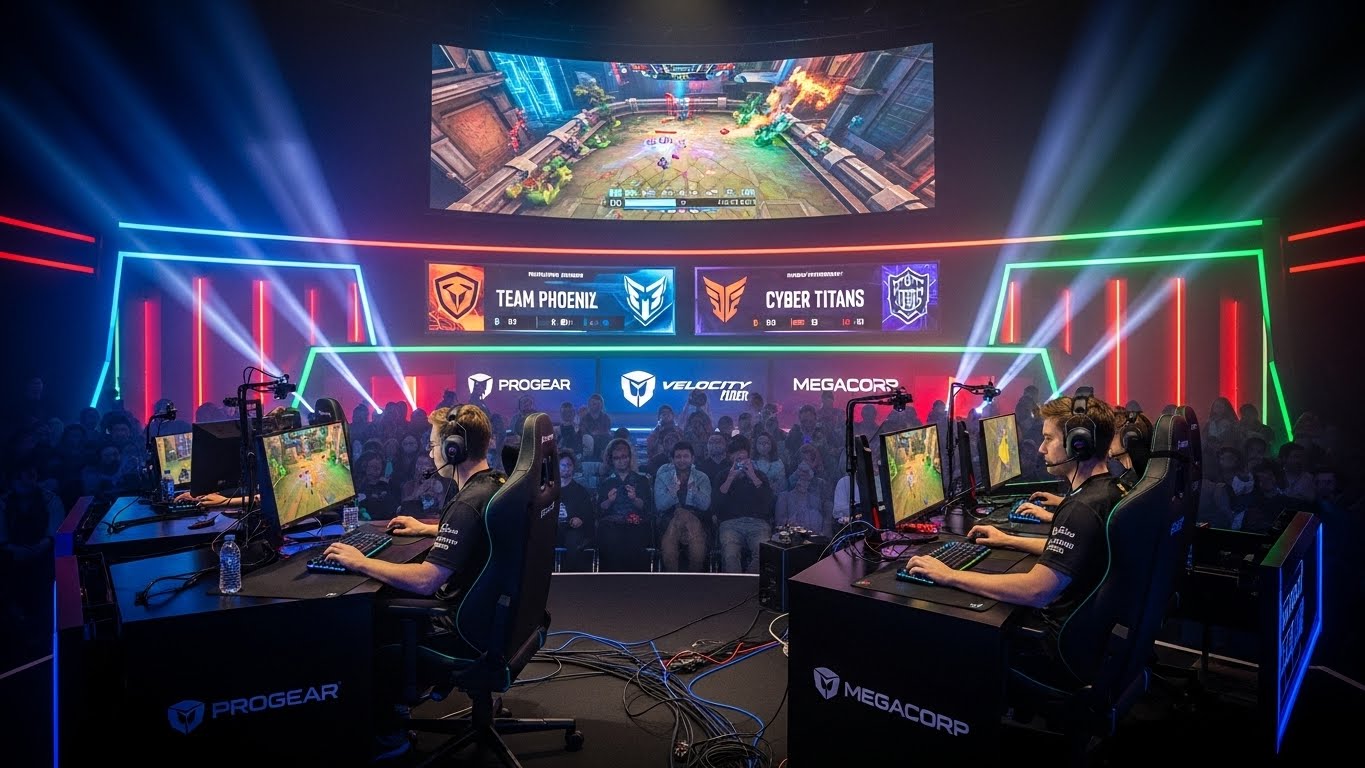
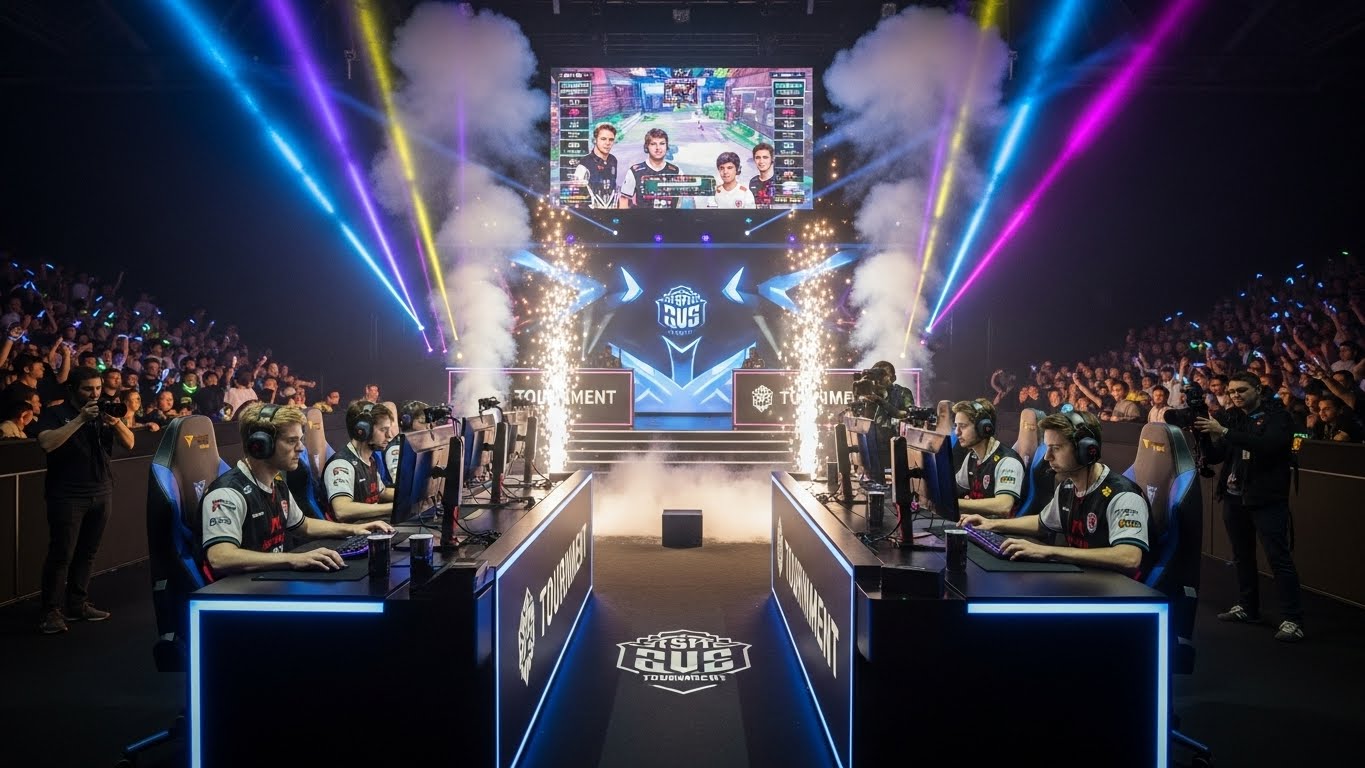
Esports has emerged as one of the most dynamic and influential phenomena in modern entertainment. What began as casual competitive gaming among friends has transformed into a global industry with professional players, massive tournaments, and millions of dedicated fans. Today, esports is more than just a pastime; it is a cultural movement, a career opportunity, and a legitimate form of competition that rivals traditional sports. This blog explores the evolution of esports, its impact on society, the technology behind it, and the factors driving its unprecedented growth.
The Evolution of Esports
Esports traces its roots back to the early days of video gaming competitions in arcades and on home consoles. Early events often consisted of small gatherings, where players competed for bragging rights or modest prizes. Games like Street Fighter, StarCraft, and Counter-Strike laid the foundation for competitive gaming, demonstrating that skill, strategy, and teamwork could create compelling entertainment.
Over the last two decades, esports has evolved into a professional industry. High-profile tournaments with international participants now feature multi-million-dollar prize pools and attract millions of viewers worldwide. This transformation has turned gaming into a viable career, offering professional players, coaches, and analysts opportunities once reserved for traditional sports athletes. The journey from casual play to professional esports highlights the growing legitimacy and cultural relevance of competitive gaming.
The Esports Ecosystem
The esports industry is a complex ecosystem that includes professional teams, tournament organizers, streaming platforms, sponsors, and fans. Professional teams are the backbone of this ecosystem, recruiting skilled players, providing training, and competing at the highest levels. These teams operate much like traditional sports franchises, with management structures, marketing departments, and dedicated coaching staff.
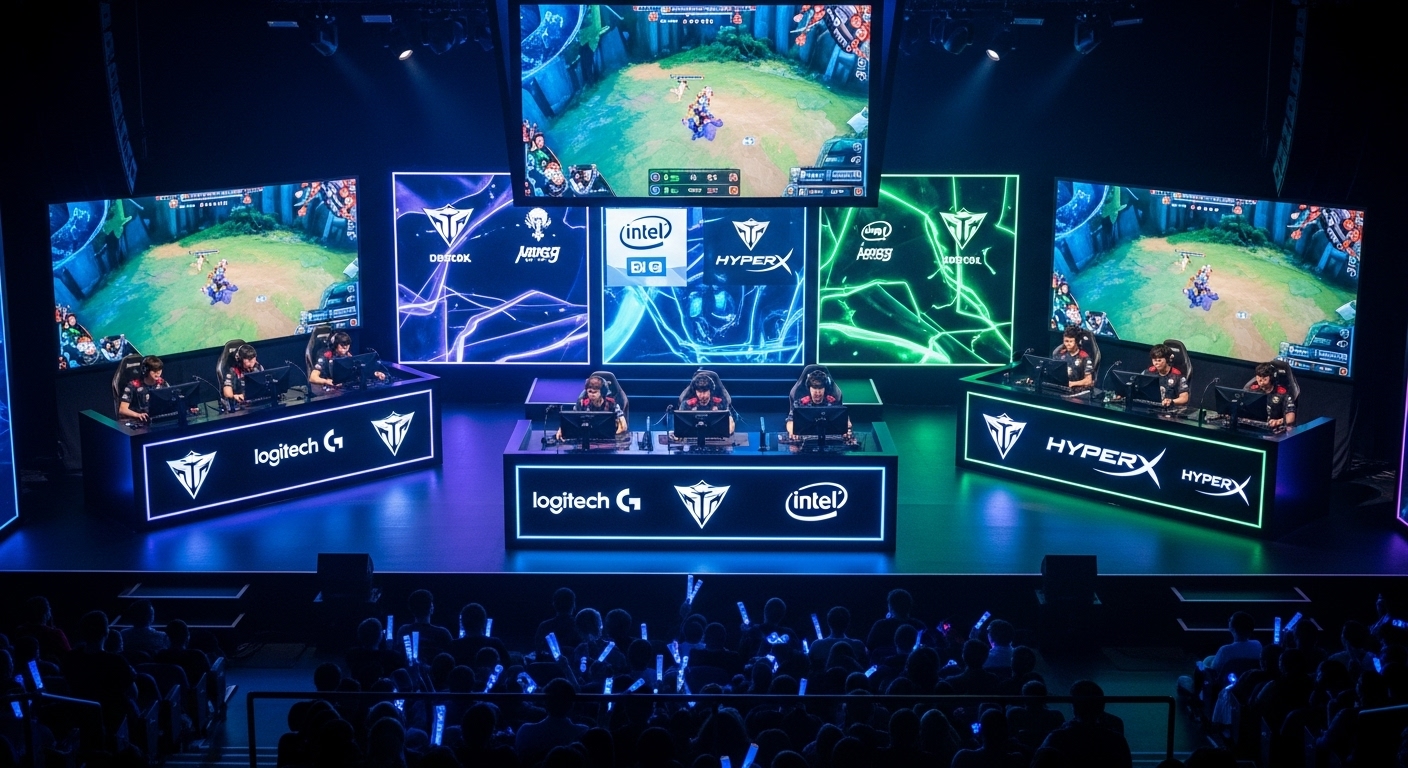
Tournament organizers play a crucial role in shaping esports. They design competitions, establish rules, and promote events to global audiences. Large-scale tournaments, such as international championships, are broadcast to millions of viewers, generating significant revenue through sponsorships, advertising, and merchandise. Streaming platforms have also become an integral part of the ecosystem, allowing fans to watch matches live, interact with players, and follow their favorite teams in real-time.
The Global Reach of Esports
Esports is a truly global phenomenon. Competitions attract players and fans from every corner of the world, breaking down geographical and cultural barriers. South Korea, for example, has long been a hub for competitive gaming, with professional leagues, dedicated gaming arenas, and widespread societal acceptance of esports as a legitimate career path. Other regions, including North America, Europe, and China, have developed thriving esports communities, contributing to the global diversity of the industry.
The international appeal of esports also lies in its accessibility. Unlike traditional sports that require specific physical skills, esports relies on strategic thinking, reflexes, teamwork, and mental endurance. This inclusivity allows a wide range of individuals to participate, fostering diverse communities and expanding the reach of competitive gaming across age groups, genders, and backgrounds.
The Role of Technology in Esports
Technology is at the heart of esports, driving both gameplay and audience engagement. High-performance computers, advanced gaming consoles, and specialized peripherals ensure that players can perform at their best. Streaming technology allows live broadcasts to reach global audiences, with features like real-time chat, instant replays, and multiple camera angles enhancing the viewing experience.
Virtual reality and augmented reality are beginning to influence esports as well. While traditional games dominate current competitions, immersive technologies offer new possibilities for future tournaments, allowing players and spectators to experience gaming in unprecedented ways. Advanced analytics tools also help teams analyze performance, develop strategies, and improve outcomes, demonstrating how technology enhances every aspect of esports.
The Psychology of Competitive Gaming
Esports is not only physically demanding but also mentally challenging. Professional players must maintain intense focus, manage stress, and adapt quickly to changing scenarios. Games require strategic thinking, quick decision-making, and effective communication with teammates. Mental endurance is as critical as reflexes, and players often undergo rigorous training to sharpen both cognitive and physical skills.
The psychological appeal of esports extends to fans as well. Spectators enjoy the tension of close matches, the thrill of unexpected plays, and the drama of competition. Esports creates a sense of community and shared excitement, much like traditional sports, fostering emotional investment and loyalty among fans.
Esports as a Career
The rise of esports has opened a wide range of career opportunities. Professional players earn income through tournament winnings, sponsorships, and streaming revenue. Coaches, analysts, and team managers support player development and strategic planning. Event organizers, commentators, and content creators contribute to the entertainment and marketing aspects of esports.
Esports careers are not limited to gaming skills alone. The industry requires expertise in areas like digital marketing, social media management, event production, and game development. As the industry grows, educational institutions have begun offering esports-related programs, preparing the next generation of professionals for careers in this competitive field.
The Economic Impact of Esports
Esports has become a major economic force, generating billions of dollars in revenue each year. Sponsorship deals, advertising, merchandise, ticket sales, and streaming subscriptions contribute to the financial ecosystem. Major brands from outside the gaming industry have invested heavily in esports, recognizing its potential to reach a young, engaged, and tech-savvy audience.
Independent game developers and smaller teams also benefit from the expansion of esports. Digital distribution and online communities allow innovative games to gain recognition and support, creating new opportunities for growth. The economic impact of esports extends beyond entertainment, influencing technology, marketing, and international business.
Esports and Education
Esports has also found applications in education. Schools and universities have started offering esports programs and scholarships, providing students with opportunities to develop skills, compete, and pursue careers in the industry. Competitive gaming teaches teamwork, strategic thinking, leadership, and problem-solving—skills that are transferable to many professional fields.
Esports programs in education also foster inclusivity and engagement. Students who may not participate in traditional sports can find a sense of community and achievement through gaming. This integration of esports into academic institutions demonstrates the growing acceptance of competitive gaming as a legitimate form of skill development and personal growth.
The Cultural Significance of Esports
Esports has become a cultural phenomenon, shaping trends, fashion, and entertainment. Gaming personalities are recognized as celebrities, influencing fans through social media, streaming platforms, and public appearances. Esports also intersects with music, art, and fashion, creating a unique cultural ecosystem that blends digital and real-world experiences.
Beyond entertainment, esports promotes collaboration, diversity, and global understanding. International competitions bring together players from different countries, fostering respect and camaraderie. The narratives and stories within esports communities reflect broader social trends, highlighting the cultural significance of gaming in modern society.
Challenges Facing Esports
Despite its rapid growth, esports faces several challenges. Professional players often experience intense pressure, long hours, and mental health struggles. Maintaining a sustainable career requires careful balance, support systems, and effective management. Additionally, issues like cheating, toxicity, and unequal representation continue to affect the community, requiring ongoing attention from developers, teams, and organizers.
Regulation and standardization are also ongoing concerns. As esports continues to professionalize, establishing consistent rules, fair competition, and player rights will be essential for long-term sustainability. Addressing these challenges is critical to ensuring that esports remains a safe, enjoyable, and credible industry.
The Future of Esports
The future of esports is bright and full of potential. Technological advancements will continue to enhance gameplay, streaming, and audience engagement. Virtual reality, augmented reality, and artificial intelligence may redefine competitive formats and introduce new types of tournaments. Global expansion will bring esports to new audiences, creating opportunities for education, cultural exchange, and community building.
Esports is also likely to integrate further with mainstream entertainment, including music, cinema, and traditional sports. Collaborations between industries will expand the reach and influence of competitive gaming, establishing esports as a central component of digital culture and modern entertainment.
Conclusion
Esports has transformed the landscape of competition, entertainment, and culture. From humble beginnings in arcades to international tournaments with millions of viewers, it has grown into a global industry that impacts society, technology, and education. Esports combines skill, strategy, teamwork, and innovation, creating experiences that are immersive, engaging, and culturally significant.
As technology advances and communities expand, esports will continue to redefine what it means to compete, connect, and entertain. It is more than just a game; it is a reflection of human creativity, resilience, and the ever-evolving digital world. The rise of esports marks a new era in entertainment, where passion, skill, and technology converge to create unforgettable experiences for players and fans alike.