





Introduction
Over the past few decades, video games have evolved from casual entertainment into one of the most influential and lucrative industries in the world. At the heart of this transformation lies Esports, a global phenomenon that has redefined how competition, entertainment, and technology intersect. Esports—short for electronic sports—represents organized, multiplayer video game competitions, often between professional players, individually or in teams. What was once considered a niche hobby confined to dimly lit arcades or personal computers has now become a multi-billion-dollar industry captivating audiences worldwide.
The rise of Esports is not merely a story about gaming; it’s about cultural transformation, digital innovation, and a new era of global connectivity. In this blog, we will explore the origins, growth, challenges, and future of Esports, diving deep into how it became one of the most dynamic spectacles of the 21st century.
The Early Days of Competitive Gaming
Before the term “Esports” became popular, competitive gaming existed in smaller, grassroots forms. The first recorded video game competition took place in 1972 at Stanford University, where students competed in a game called Spacewar! for a year’s subscription to Rolling Stone magazine. While that event was modest, it marked the beginning of what would become a worldwide competitive movement.
The 1980s witnessed a surge in gaming popularity with arcade titles like Pac-Man, Donkey Kong, and Space Invaders. In 1980, Atari organized the Space Invaders Championship, attracting over 10,000 participants—a monumental number for its time. This event demonstrated that video games had the potential to draw crowds, participants, and even media attention.
During the 1990s, advancements in technology and the growth of the internet laid the foundation for modern Esports. The era of local area network (LAN) parties emerged, where gamers would connect their computers to compete in games like Doom, Quake, and StarCraft. These gatherings emphasized not just competition but community—players forming bonds and rivalries that would shape the culture of Esports for years to come.
The 2000s: The Birth of Modern Esports
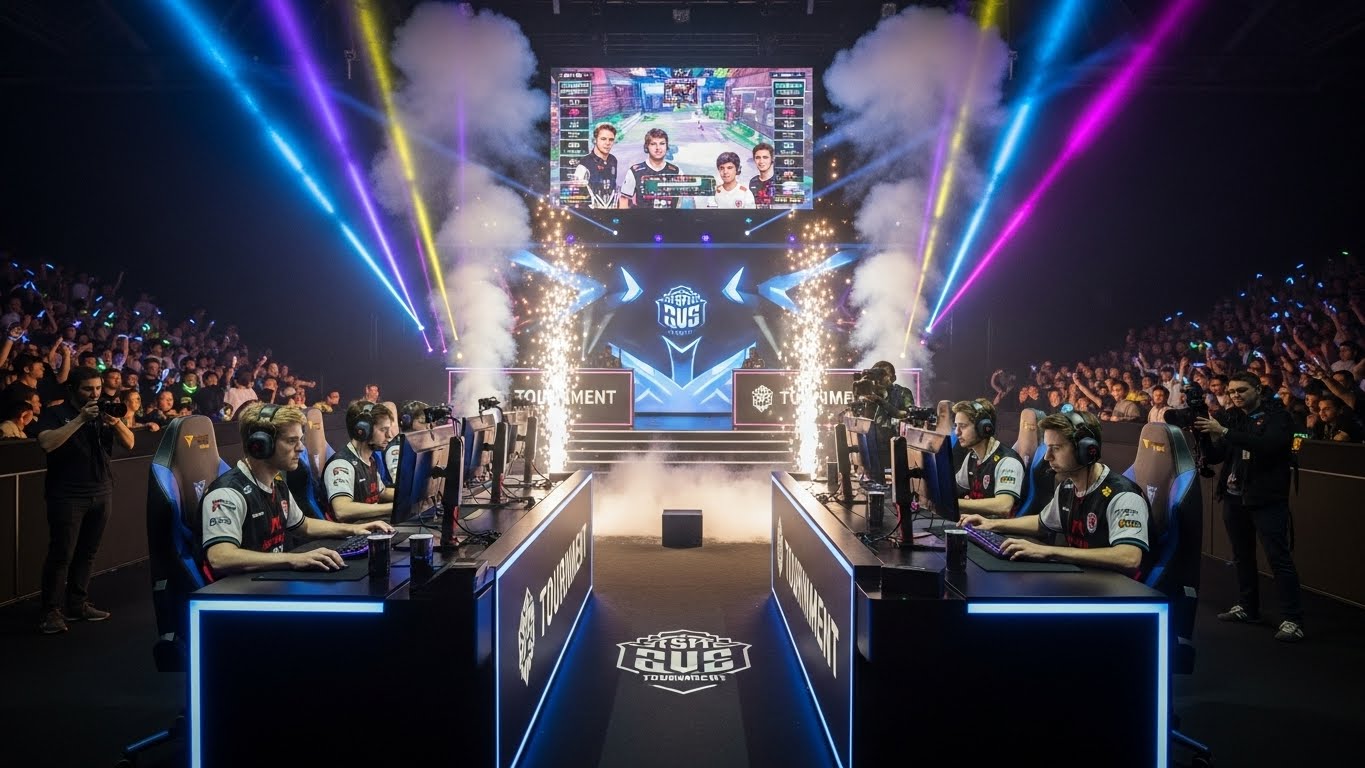
The early 2000s marked the transition from underground LAN tournaments to globally recognized competitions. The rapid expansion of broadband internet enabled gamers to compete without being in the same physical location. Titles like Counter-Strike, Warcraft III, and Halo became staples of the competitive scene.
Organizations such as the Cyberathlete Professional League (CPL) and the World Cyber Games (WCG) began to professionalize the space, offering cash prizes and sponsorships. South Korea, in particular, became the epicenter of Esports innovation. The government invested in gaming infrastructure, and professional players became celebrities. Television channels dedicated to gaming broadcasts emerged, turning games like StarCraft into national obsessions.
The concept of a professional gamer was born during this era. Players trained for hours daily, had coaches, and even lived in team houses. Sponsorships from major tech companies began pouring in, legitimizing Esports as a career path rather than a hobby. This professionalization would eventually spread across Asia, Europe, and North America, setting the stage for the explosion of Esports in the following decade.
The Streaming Revolution
The 2010s can be described as the golden era of Esports, largely fueled by the rise of live streaming platforms. Twitch, YouTube Gaming, and later Facebook Gaming revolutionized how audiences consumed gaming content. No longer did fans have to attend events in person or rely on television coverage. With just an internet connection, millions of viewers could watch their favorite players and teams in real time.
Streaming democratized Esports viewership. Anyone, anywhere, could become part of the community. It also gave rise to a new breed of gaming celebrities—not only professional players but also streamers who built massive followings through personality, skill, and entertainment value. The combination of live engagement and interactive chat created a sense of intimacy between players and fans that traditional sports often struggled to replicate.
Streaming also made it possible for smaller games to find their niche audiences. Indie titles and lesser-known competitive games could develop their own scenes, expanding the definition of what Esports could be. The accessibility of streaming technology ensured that Esports was not just for the elite but for anyone passionate enough to compete and entertain.
The Big Titles That Defined Esports
Certain games have become synonymous with Esports due to their massive player bases, competitive balance, and global appeal. These titles not only shaped the industry but also influenced gaming culture at large.
League of Legends
Developed by Riot Games, League of Legends (LoL) became one of the most influential Esports titles in history. Its combination of strategic depth, team coordination, and constant updates kept it fresh and competitive. The League of Legends World Championship draws millions of viewers each year, rivaling traditional sports finals in terms of production and audience numbers.
Dota 2
Valve’s Dota 2 carved its own legendary status with The International, an annual tournament featuring some of the largest prize pools in Esports history. Funded through in-game purchases, The International symbolized how community participation could directly contribute to the success and growth of the competitive ecosystem.
Counter-Strike: Global Offensive
As a successor to the original Counter-Strike, CS:GO maintained the franchise’s legacy as one of the most skill-based and enduring Esports games. Its emphasis on precision, teamwork, and strategy kept it relevant for over a decade. Major tournaments such as ESL One and the PGL Majors became key fixtures in the Esports calendar.
Fortnite
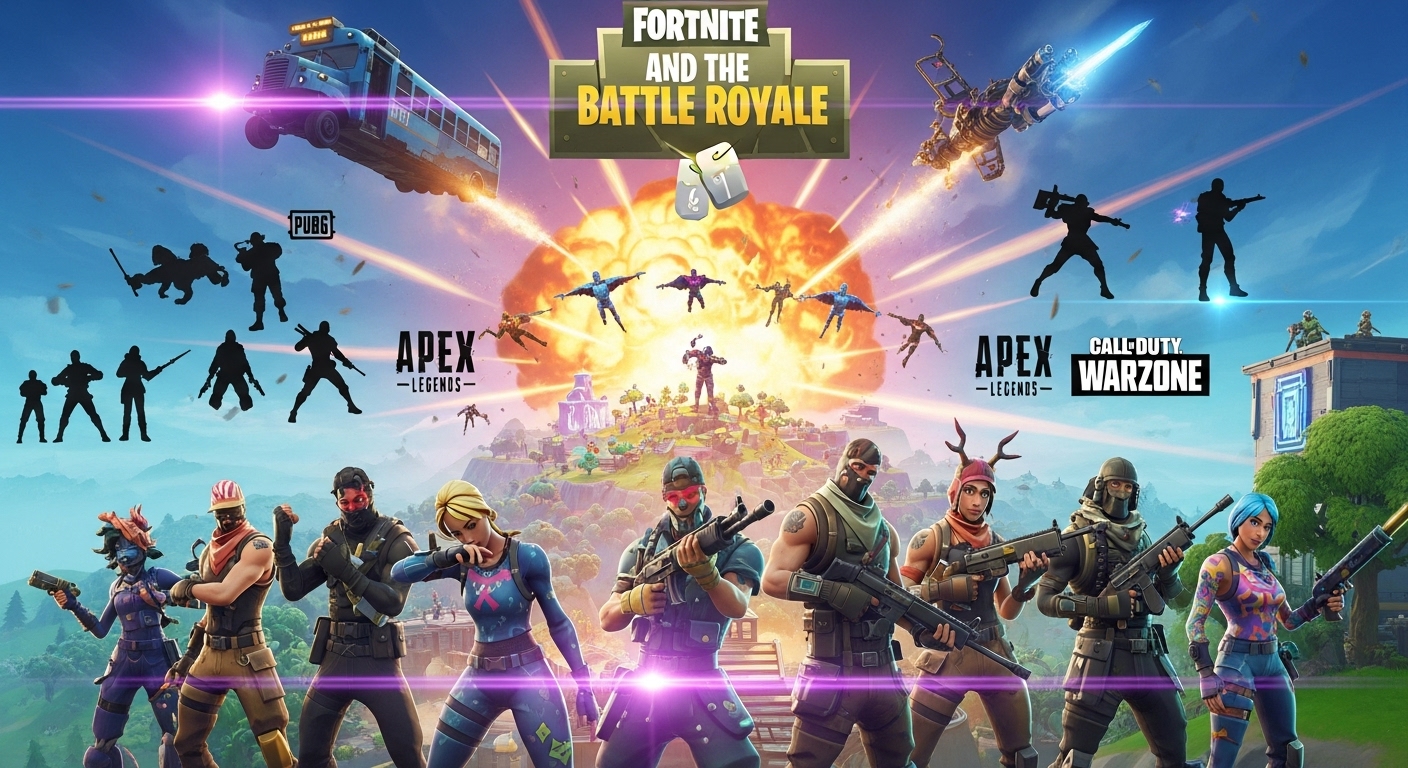
Epic Games’ Fortnite blurred the line between entertainment and competition. Known for its vibrant graphics and unique building mechanics, it became a cultural sensation. The Fortnite World Cup in 2019 awarded millions in prizes, proving that battle royale games could also thrive in the competitive arena.
Overwatch, Call of Duty, and Valorant
These titles brought further diversification to the Esports landscape. Blizzard’s Overwatch League introduced a city-based franchise model, similar to traditional sports, while Call of Duty tournaments continued to attract both casual and hardcore fans. Riot Games’ Valorant, combining elements of tactical shooters and hero-based gameplay, quickly rose as a new competitive powerhouse.
The Globalization of Esports
One of the defining features of Esports is its global reach. Unlike many traditional sports that are regionally dominant, Esports transcends geographical boundaries. Players from North America, Europe, Asia, and even Africa compete on equal footing in digital arenas.
Asia remains a dominant force, particularly countries like South Korea, China, and Japan, which have deeply integrated gaming into their culture. Europe boasts powerhouse teams across various games, and North America continues to serve as a hub for major tournaments and sponsorships. Latin America and the Middle East are also emerging markets with growing fan bases and infrastructural investment.
The global appeal of Esports is also reflected in its multilingual broadcasts and regional leagues. Events are often streamed in multiple languages, and regional circuits allow local players to rise to prominence before entering the international stage. This global inclusivity has made Esports one of the few truly international sports of the digital era.
Esports as a Career Path
The perception of gaming as a “waste of time” has drastically changed. Esports now offers legitimate career opportunities across various domains. Beyond being a professional player, individuals can work as coaches, analysts, commentators, event organizers, marketers, and even mental health professionals supporting players.
Educational institutions have also recognized the importance of Esports. Several universities around the world now offer scholarships and degree programs related to Esports management, game design, and digital media. These programs aim to cultivate the next generation of professionals who will continue to innovate and expand the industry.
Furthermore, Esports has created a new economy of content creation. Streamers, influencers, and YouTubers can build lucrative careers by producing gaming-related content. This interconnected ecosystem ensures that Esports is not just about competition but about community building and creative expression.
The Economics of Esports
The Esports industry has grown into a multi-billion-dollar powerhouse driven by sponsorships, advertising, media rights, and merchandise sales. Major brands—ranging from energy drinks to automotive companies—have entered the space, seeing opportunities to connect with the young, tech-savvy demographic that Esports commands.
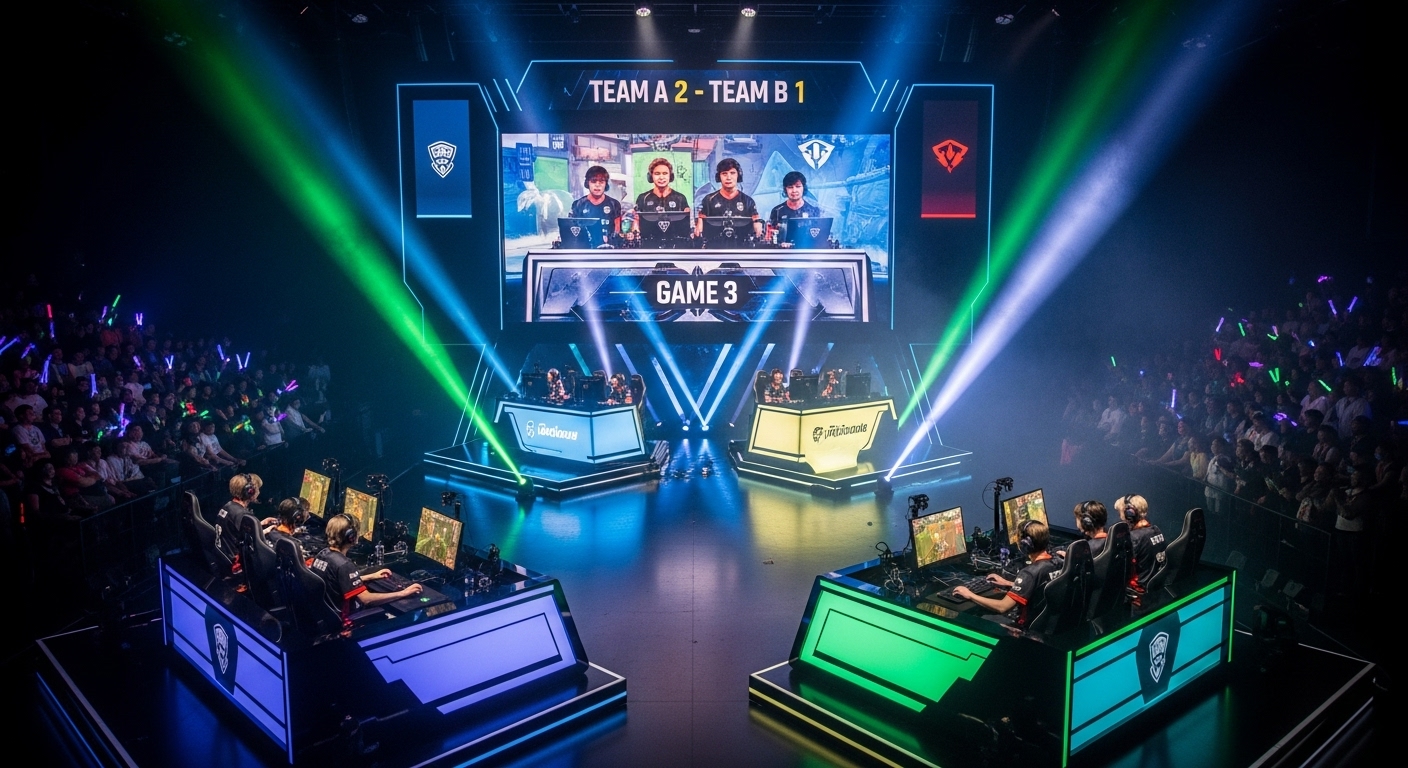
Franchise-based leagues, such as the Overwatch League and Call of Duty League, have adopted models similar to the NBA or NFL, where teams represent cities and follow structured seasons. This structure not only creates stability but also attracts long-term investors.
Prize pools have also reached staggering levels. The International for Dota 2 has awarded tens of millions in prize money, while Riot Games and Epic Games continue to invest heavily in their competitive circuits. These numbers reflect both the profitability and sustainability of Esports as an entertainment medium.
Challenges Facing Esports
Despite its success, Esports is not without its challenges. One of the primary concerns is player burnout. The intense training schedules, constant travel, and mental stress can take a toll on young players, many of whom begin competing professionally in their teens. Unlike traditional sports, Esports careers tend to be shorter due to the rapid pace of game updates and evolving meta strategies.
Another challenge is maintaining integrity and fairness. Issues such as cheating, match-fixing, and doping (even in the digital sense) have occasionally tarnished the industry’s image. Organizations have responded with stricter regulations, anti-cheat software, and governance bodies to ensure fair play.
There is also the question of representation and inclusivity. While the Esports community is diverse, there are still gender disparities and barriers that prevent equal participation. Initiatives promoting women’s leagues and diversity programs are helping to create a more inclusive future for all gamers.
Lastly, Esports must navigate the balance between commercialization and authenticity. As corporate interests grow, maintaining the grassroots spirit that built the industry remains a crucial challenge.
The Cultural Impact of Esports
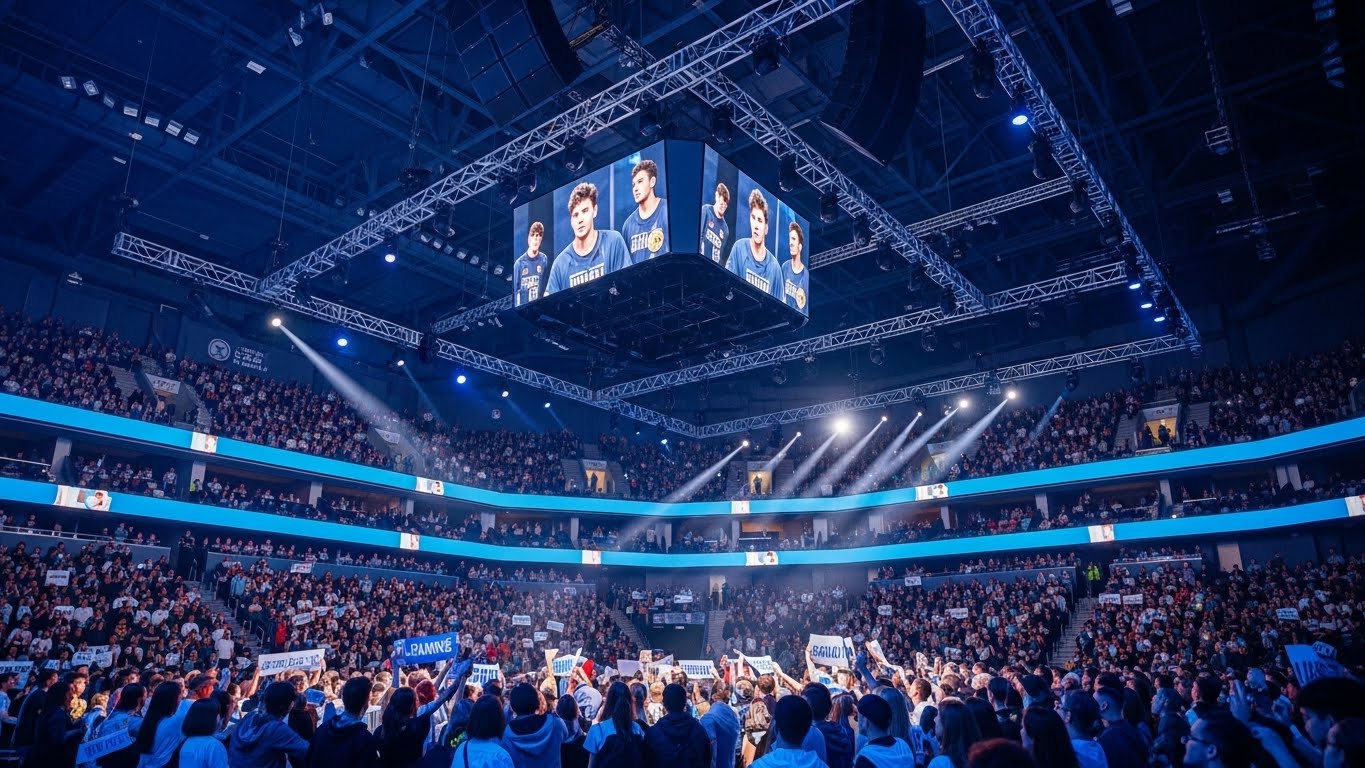
Esports has redefined what it means to be an athlete, an entertainer, and a fan. The culture surrounding competitive gaming is as rich and vibrant as any traditional sport. Esports events fill stadiums, with thousands of fans cheering, waving banners, and chanting for their favorite teams. Cosplay, fan art, and online communities further enhance the cultural tapestry.
Moreover, Esports has influenced mainstream media. Documentaries, films, and even television shows now depict gaming as a legitimate pursuit of excellence. Esports athletes have appeared in commercials, talk shows, and brand endorsements. The boundary between virtual and physical competition continues to blur as Esports gains global recognition.
The Future of Esports
Looking ahead, Esports shows no signs of slowing down. The integration of new technologies like virtual reality (VR), augmented reality (AR), and artificial intelligence (AI) promises to take the competitive experience to new heights. As 5G networks expand, mobile Esports are becoming increasingly dominant, especially in developing regions.
There is also a growing push for Esports to be included in global multi-sport events. The 2022 Asian Games featured Esports as a medal event, and discussions about its inclusion in the Olympic Games continue. Such recognition would mark a major milestone in legitimizing Esports as a global sport.
Additionally, the line between Esports and traditional sports continues to blur. Many traditional sports organizations are investing in Esports teams, recognizing the shared values of teamwork, strategy, and competition. This synergy may lead to hybrid events combining physical and digital athleticism in the near future.
Conclusion
The story of Esports is one of innovation, passion, and transformation. From its humble beginnings in college dorms and arcades to filling massive arenas and capturing millions of hearts worldwide, Esports stands as a testament to how technology and human creativity can converge to create something extraordinary.
More than just games, Esports represents a cultural movement—one that celebrates skill, community, and the spirit of competition in the digital age. As it continues to evolve, one thing remains certain: the Esports revolution has only just begun, and its impact on the world will be felt for generations to come.