





Introduction: The New Face of Competition
In the past few decades, the world has witnessed an incredible transformation in how people play, watch, and experience games. Once seen as a casual pastime or a hobby confined to living rooms, gaming has evolved into a massive global phenomenon known as esports. Short for “electronic sports,” esports represents the professional, organized side of video gaming, where skilled players compete at the highest levels for prestige, sponsorships, and substantial prize money. What started as small-scale competitions in university basements and arcades has become a billion-dollar industry, attracting millions of fans, players, and investors worldwide. Esports is not merely entertainment; it has become a cultural movement, redefining the nature of sports, competition, and digital community.
The Origins of Esports
Esports did not appear overnight. Its roots trace back to the early 1970s when the first video game competitions were organized at universities. One of the earliest recorded events took place at Stanford University in 1972, where students competed in the game “Spacewar.” The winner took home a year’s subscription to a magazine, hardly resembling the million-dollar prizes of today, but it was a beginning. During the 1980s, the rise of arcade games like “Pac-Man,” “Donkey Kong,” and “Space Invaders” brought about the first real sense of video game competition. The high-score tables in these games became battlegrounds where players competed for local and even national recognition.
By the 1990s, the introduction of local area networks (LANs) allowed players to compete directly against each other in multiplayer games. This period marked the beginning of organized gaming tournaments, particularly with titles like “Doom,” “Quake,” and “StarCraft.” The late 1990s saw South Korea becoming the epicenter of professional gaming culture, supported by advanced internet infrastructure and a passionate audience. This foundation would eventually propel esports into global recognition.
The Global Expansion of Competitive Gaming
The early 2000s witnessed an explosion in the popularity of esports. The development of faster internet speeds, live-streaming technology, and sophisticated gaming consoles made competitive gaming accessible to a wider audience. Games like “Counter-Strike,” “Warcraft III,” and “Halo” defined this generation of esports. Organizations and teams began to form officially, complete with sponsors, training facilities, and coaches.
South Korea’s investment in esports turned it into a cultural powerhouse. Televised gaming matches became mainstream entertainment, and professional players were treated like celebrities. Other countries soon followed suit, and esports began to gain international attention. The global community grew, united by the love of competition, skill, and strategy. The emergence of platforms that allowed live streaming transformed esports into a spectator sport, opening doors for fans to watch their favorite teams and players in real time.
The Role of Technology in Esports Growth
Esports owes much of its success to technological advancements. High-speed internet made online multiplayer gaming possible across continents. High-definition streaming platforms enabled global audiences to experience the thrill of live matches without being physically present. Game developers optimized titles for competitive play, ensuring balance, fairness, and entertainment value.
Moreover, the development of powerful hardware, such as advanced graphics cards and faster processors, allowed smoother gameplay and more complex game design. Virtual reality (VR) and augmented reality (AR) technologies are now opening new doors for immersive esports experiences. The industry continues to innovate, blending technology with creativity to engage fans in new and exciting ways.
Esports as a Legitimate Career Path
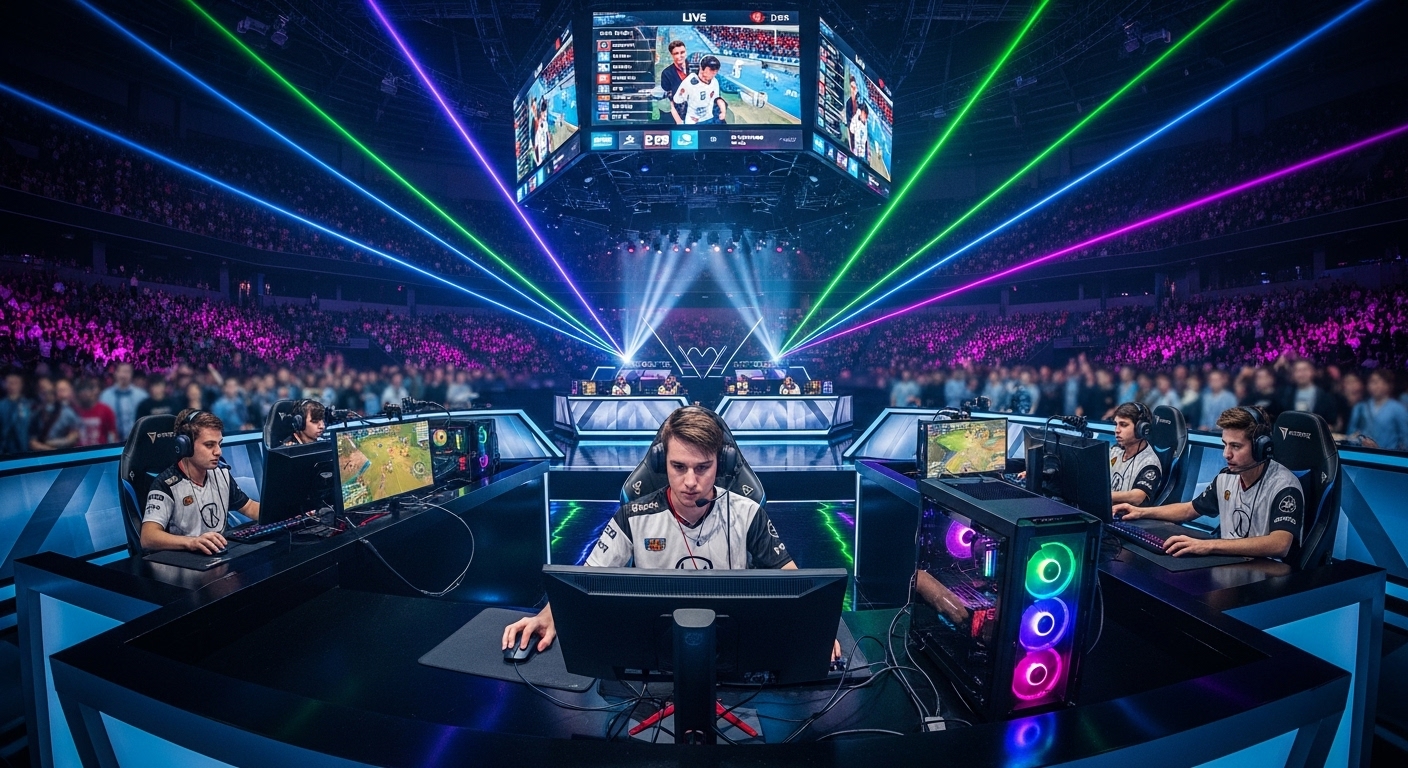
Gone are the days when gaming was dismissed as a waste of time. Today, esports represents a viable career path for many. Professional players earn significant incomes through tournament winnings, brand endorsements, and sponsorship deals. Top-tier players often train intensively, spending hours daily refining their skills and studying opponents, much like athletes in traditional sports.
Beyond players, the esports ecosystem includes a vast network of professionals—coaches, analysts, commentators, event organizers, and marketing experts—each contributing to the industry’s success. Streaming has also created opportunities for content creators who build communities around their gaming personalities. The modern esports industry supports a wide range of careers, from technical development to management and media production.
Popular Esports Titles Defining the Industry
Certain games have defined the esports landscape due to their balance, skill requirements, and audience appeal. “League of Legends” and “Dota 2” dominate the multiplayer online battle arena (MOBA) genre, known for their complexity and massive prize pools. The “League of Legends World Championship” attracts millions of viewers, rivaling traditional sporting events in scale.
First-person shooters (FPS) like “Counter-Strike: Global Offensive,” “Call of Duty,” and “Valorant” have become staples in competitive gaming, offering fast-paced, strategic gameplay that keeps fans on the edge of their seats. Meanwhile, games like “Overwatch” have added unique character abilities, blending teamwork and creativity.
In the realm of sports simulation, “FIFA,” “NBA 2K,” and “Rocket League” bridge the gap between traditional and digital sports. The fighting game community also thrives through titles like “Street Fighter,” “Tekken,” and “Super Smash Bros.,” where individual skill and reaction time shine.
The Spectator Experience and Community Culture
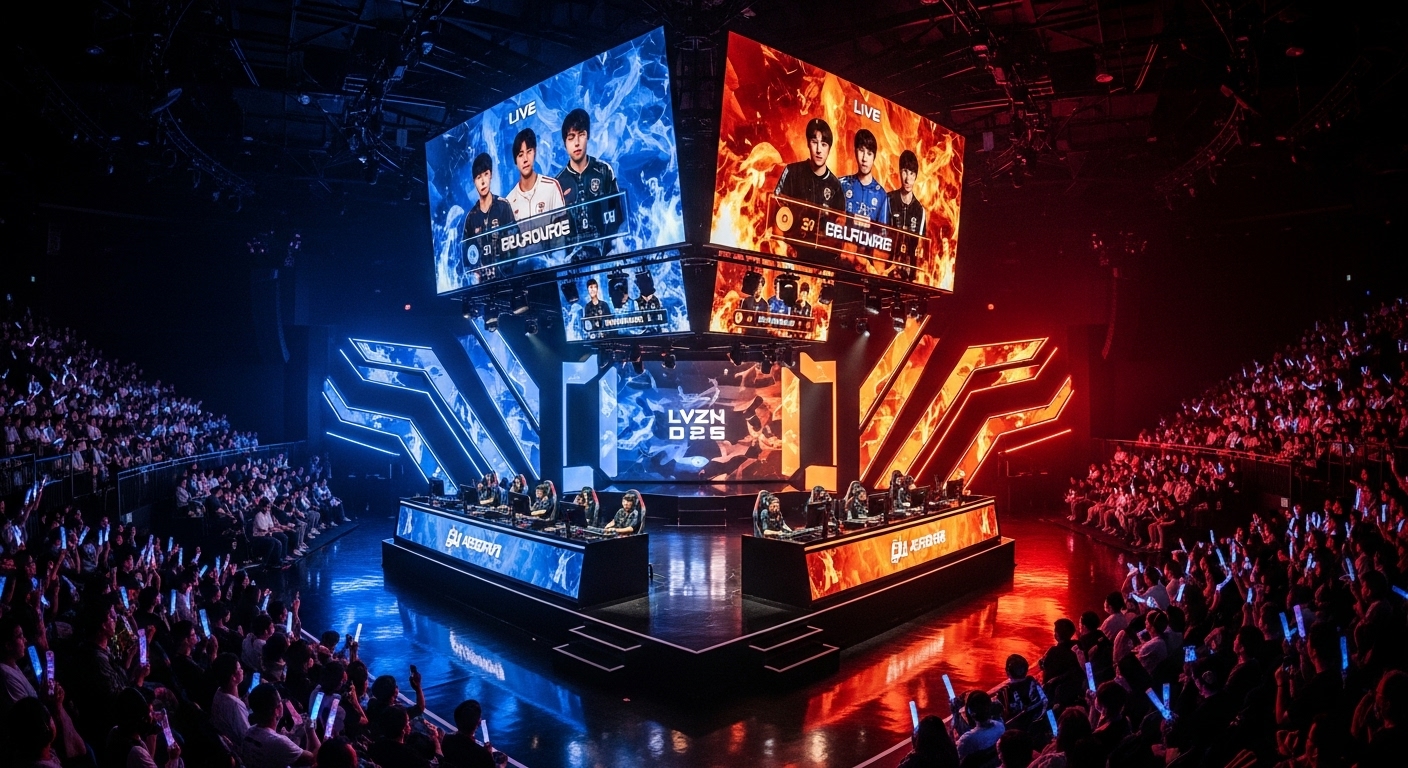
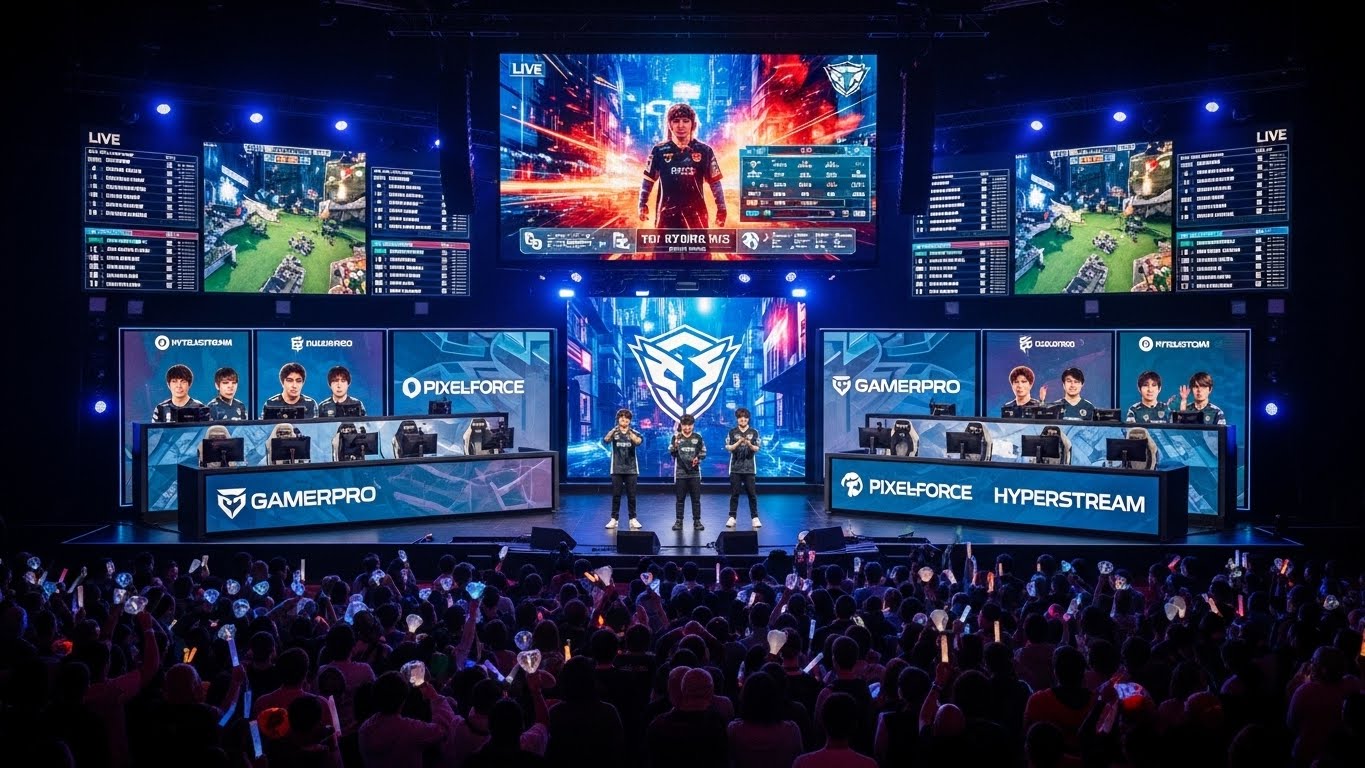
One of the defining aspects of esports is its deeply engaged audience. Fans don’t just watch matches; they become part of the community. Online forums, social media discussions, and fan art contribute to a lively culture that surrounds the games. Esports events often fill arenas with cheering fans, waving team banners, and wearing jerseys of their favorite players.
Streaming platforms have allowed fans to interact directly with players and commentators, blurring the line between professionals and audiences. This interactivity has built a unique bond, transforming esports from a mere form of entertainment into a shared global culture. Fans support teams across continents, follow tournaments year-round, and invest emotionally in outcomes.
Esports and Traditional Sports: A Growing Intersection
Initially, traditional sports organizations viewed esports as a passing trend, but that perception has changed dramatically. Many professional sports teams now have their own esports divisions. Football clubs, basketball organizations, and even Formula 1 teams have entered the gaming world, recognizing its potential for engagement and brand expansion.
Esports mirrors traditional sports in many ways—team dynamics, training regimens, strategy, and even fan loyalty. The difference lies in the playing field: a digital arena where reflexes, communication, and mental agility determine success. The integration of esports into mainstream sports culture has given rise to cross-promotional opportunities, expanding audiences on both sides.
Economic Impact and Market Growth
The esports industry has become a major economic force. It generates revenue through sponsorships, merchandise, media rights, and ticket sales. Global brands have recognized the marketing power of esports, investing heavily in team partnerships and event sponsorships. The industry’s value continues to grow each year, driven by increasing viewership and fan engagement.
Prize pools have reached staggering amounts, with some tournaments offering tens of millions of dollars in winnings. Esports organizations function much like professional sports franchises, complete with management teams, trainers, and marketing departments. This economic ecosystem sustains not only players but also production crews, event venues, and media companies.
Esports Education and Training Programs
As esports becomes more mainstream, educational institutions have started offering courses and degrees focused on gaming, management, and digital entertainment. Some universities provide scholarships to talented players, treating them as student-athletes. Esports academies train young talent, focusing on teamwork, communication, and discipline.
These programs do more than prepare players for competition; they nurture critical skills applicable in many fields, such as leadership, strategy, and digital literacy. Esports education symbolizes a cultural shift, acknowledging gaming as both an art form and a professional pursuit.
Social and Psychological Aspects of Esports
The psychological side of esports is as significant as its technical aspects. Players often experience intense mental pressure during tournaments, managing stress, focus, and teamwork under high stakes. Sports psychologists are increasingly being hired by esports teams to help players develop resilience and maintain peak performance.
Socially, esports has fostered inclusivity and global connectivity. Gamers from different backgrounds unite through shared passion, transcending language and geography. While challenges such as online toxicity and burnout exist, ongoing discussions within the community are promoting mental health awareness and better player welfare.
Women in Esports: Breaking Barriers
Esports, historically male-dominated, is witnessing a rise in female representation. Women are competing professionally, streaming successfully, and leading gaming organizations. Female-focused tournaments and initiatives are encouraging more participation and visibility. The movement toward inclusivity is reshaping the esports landscape, showing that skill, strategy, and determination know no gender boundaries.
Women in esports are also serving as role models, inspiring younger generations to pursue gaming without fear of bias. As diversity grows, the community becomes richer and more balanced, paving the way for equality and innovation.
The Role of Esports Events and Festivals
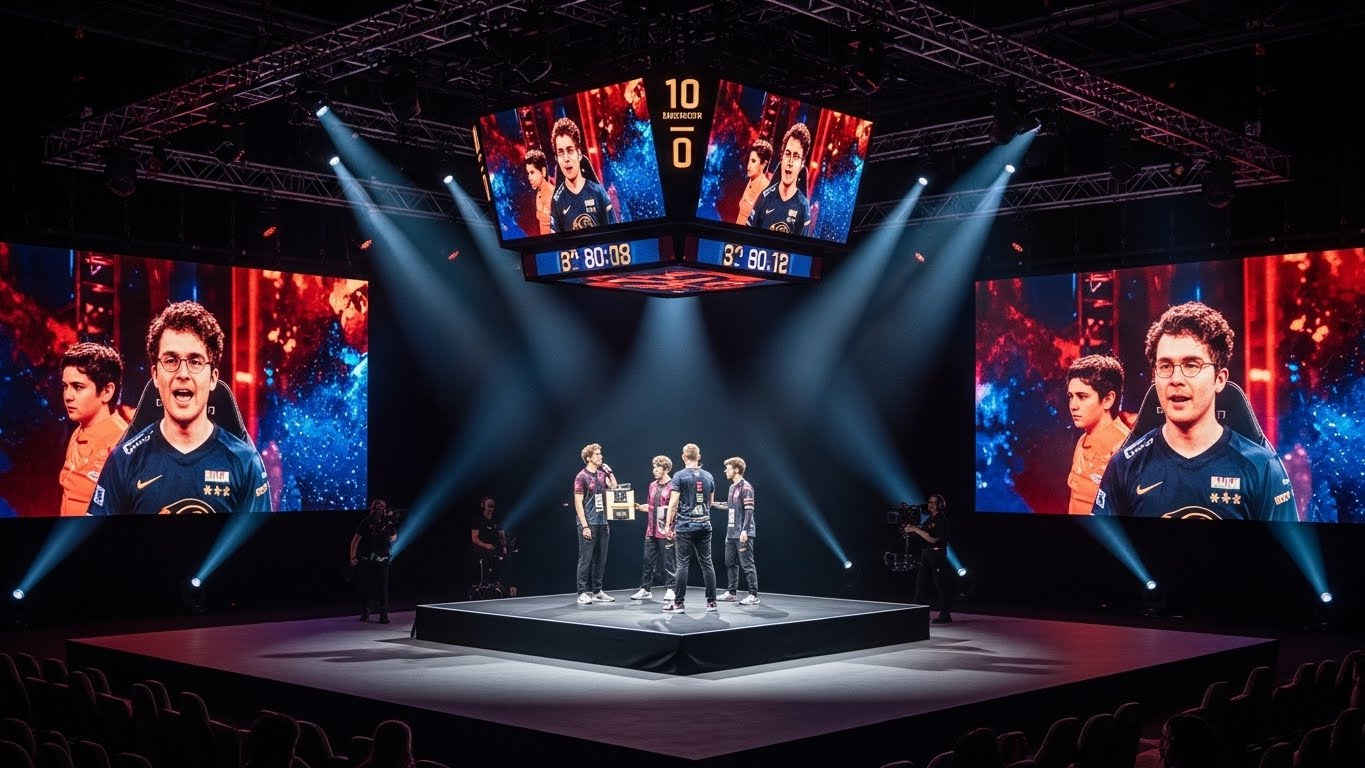
Large-scale esports events are spectacles of technology, entertainment, and community spirit. Tournaments like The International, the League of Legends World Championship, and the Fortnite World Cup attract fans from all over the world. These events blend competitive gaming with live performances, cosplay, and fan interaction, creating unforgettable experiences.
Esports festivals often showcase new technologies, sponsor booths, and interactive zones. They are more than just competitions—they celebrate gaming culture in its entirety. The excitement of a live audience reacting to a perfectly executed play or a comeback victory mirrors the thrill of traditional sporting events.
Challenges Facing the Esports Industry
Despite its rapid growth, esports faces significant challenges. Issues like player burnout, contract disputes, and financial instability in some organizations threaten long-term sustainability. The fast-paced nature of the gaming industry means that popular titles can lose relevance quickly, forcing constant adaptation.
Another concern is the lack of global standardization in rules, player rights, and governance. While efforts are underway to establish more formal structures, the decentralized nature of esports makes regulation complex. Moreover, maintaining integrity and preventing cheating or match-fixing remain ongoing priorities.
The Future of Esports
The future of esports appears bright and boundless. With advancing technology, new platforms, and increasing mainstream acceptance, esports is set to continue expanding. Virtual reality, cloud gaming, and artificial intelligence will reshape how games are played and experienced. The integration of esports into education, business, and entertainment will deepen its impact on global culture.
As more countries embrace esports at institutional levels, from national teams to governmental recognition, the line between traditional sports and digital competition will blur further. The next generation of players will grow up viewing esports as a respected pursuit, capable of inspiring the same admiration as physical sports.
Conclusion: The Power of Play in the Digital Age
Esports represents more than competition—it embodies creativity, technology, and human connection. It proves that play, once considered mere recreation, can unite millions, create careers, and push the limits of human potential. The rise of esports is not just the story of gaming’s evolution; it is a reflection of our world’s shift toward digital innovation and global collaboration.
As the industry continues to mature, it will undoubtedly face obstacles, but its foundation of passion and community ensures it will endure. Whether as a player, a fan, or a spectator, everyone who engages with esports becomes part of a worldwide movement celebrating skill, strategy, and the joy of play. In this digital age, esports stands as a symbol of how imagination and competition can merge to create something extraordinary—an arena where the human spirit thrives, not on physical fields, but in virtual worlds.