





Introduction to Esports
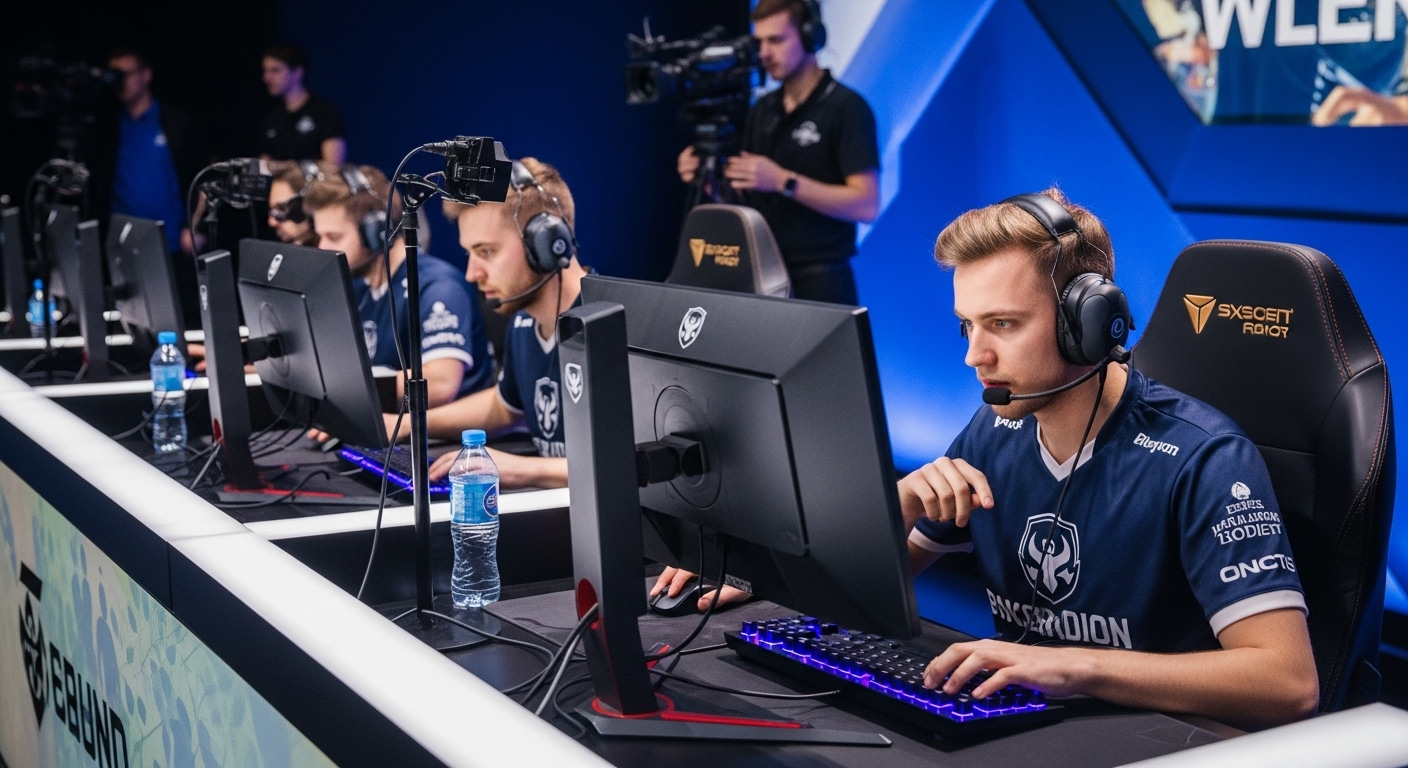
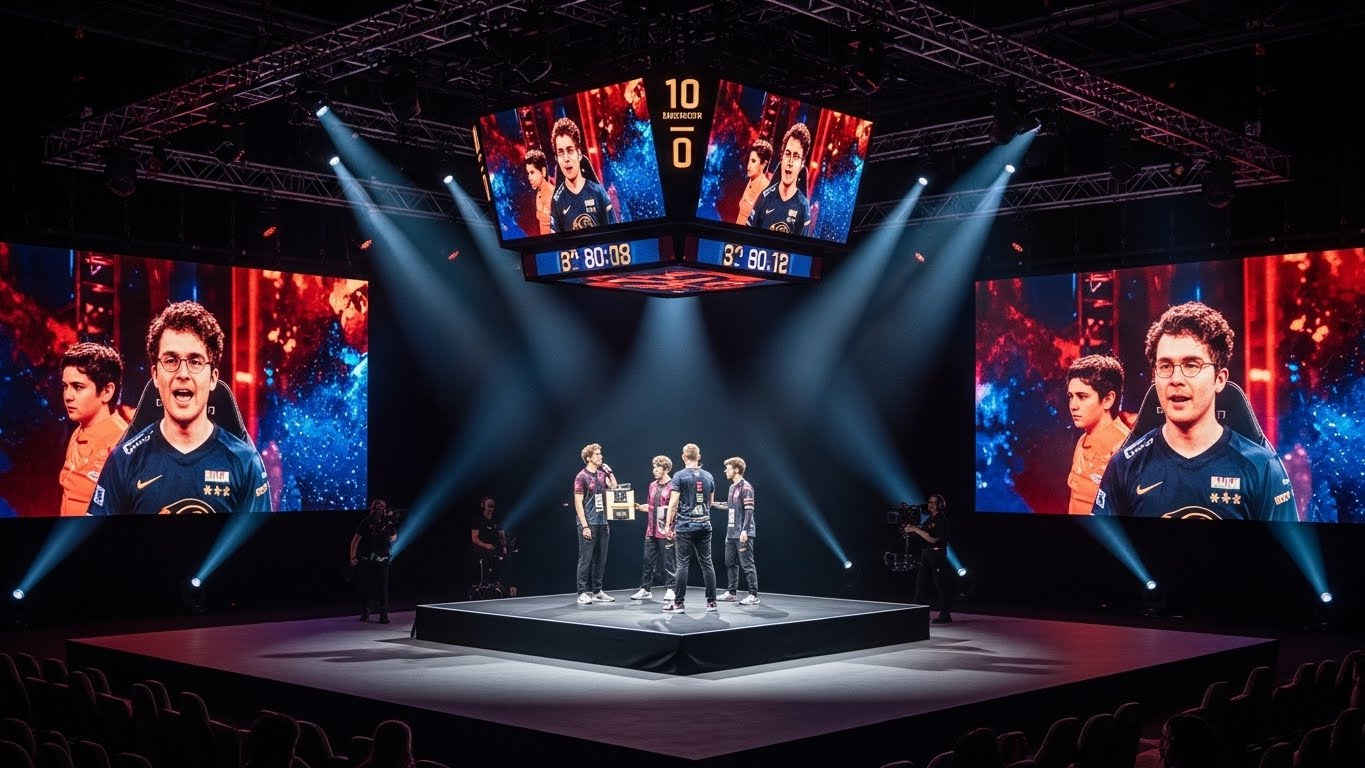
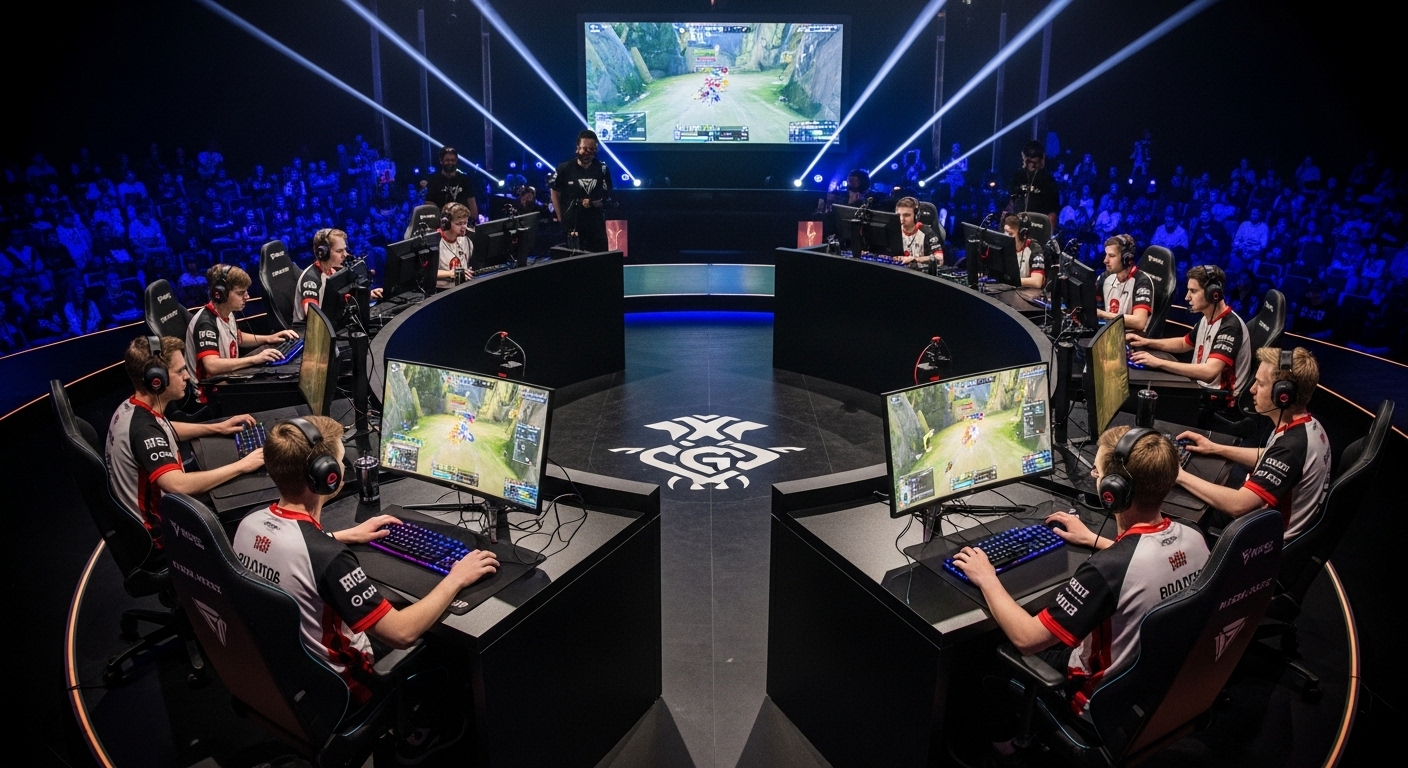
Esports, short for electronic sports, refers to organized competitive video gaming where professional players, teams, and organizations compete in various video game titles across the globe. What began as friendly gaming competitions among small groups has evolved into a massive global industry that rivals traditional sports in popularity, revenue, and audience engagement. Esports has broken barriers of culture, geography, and age, becoming a worldwide phenomenon that continues to shape modern entertainment.
In today’s digital age, gaming has moved far beyond being a pastime—it has become a lifestyle, a career, and a form of international competition. Esports brings together millions of players and fans from around the world, connected through tournaments, live streaming platforms, and online communities.
The Origins of Esports
The roots of esports can be traced back to the 1970s, when the first known competitive gaming event was held at Stanford University in 1972 for the game “Spacewar!” The winner received a one-year subscription to a magazine—a small prize by modern standards, but it marked the beginning of something monumental.
By the 1980s, video games became more accessible, and arcade gaming competitions began to rise. Games like “Pac-Man,” “Donkey Kong,” and “Space Invaders” saw players trying to achieve the highest score possible. In 1980, the Space Invaders Championship, organized by Atari, attracted more than 10,000 participants, demonstrating for the first time the mass appeal of competitive gaming.
The 1990s saw the real birth of esports culture with the introduction of home gaming consoles and early internet connectivity. Titles such as “Street Fighter II,” “Quake,” and “StarCraft” became competitive sensations. These games introduced structured tournaments, prize pools, and dedicated fan bases. The development of local area network (LAN) parties allowed players to compete directly against each other, setting the foundation for future esports events.
The Rise of Online Gaming and Global Competitions
The 2000s marked the beginning of the esports revolution. With the spread of high-speed internet, online multiplayer games became mainstream. Games like “Counter-Strike,” “Warcraft III,” “League of Legends,” and “Dota” allowed players from around the world to compete in real time.
This period also saw the birth of professional gaming organizations and tournaments. Major events such as the World Cyber Games, the Electronic Sports World Cup, and Major League Gaming (MLG) gave esports legitimacy as a form of entertainment and competition. Esports teams began to operate similarly to traditional sports franchises, complete with coaches, sponsors, and training facilities.
As streaming platforms emerged, especially those dedicated to gaming, esports began to reach an even wider audience. Live broadcasts of tournaments attracted millions of viewers. Fans could now watch their favorite players and teams compete from anywhere in the world, creating a new kind of sports fandom that thrived in the digital age.
The Growth of Esports Titles and Genres
Esports is not limited to one genre of gaming. It spans across various styles of play, from strategy and shooting games to sports simulations and battle royales. Each genre offers a different competitive experience and appeals to unique audiences.
- Multiplayer Online Battle Arena (MOBA) games such as “League of Legends” and “Dota 2” have become cornerstones of esports, known for their deep strategy, teamwork, and high skill ceiling. These games attract millions of viewers and offer some of the largest prize pools in competitive gaming.
- First-Person Shooters (FPS) like “Counter-Strike,” “Overwatch,” and “Call of Duty” focus on precision, tactics, and reflexes. These games have intense matches that draw huge crowds both online and in live arenas.
- Real-Time Strategy (RTS) games like “StarCraft II” and “Age of Empires” rely heavily on quick thinking and multitasking, showcasing a player’s mental sharpness and adaptability.
- Battle Royale games such as “Fortnite,” “PUBG,” and “Apex Legends” have introduced a new form of large-scale competition, where dozens of players battle until only one remains standing.
- Sports Simulations including “FIFA,” “NBA 2K,” and “Rocket League” bridge the gap between traditional sports and gaming, bringing fans of both worlds together in digital arenas.
The variety of esports games ensures that there is something for every kind of competitor and viewer, making the scene diverse and ever-evolving.
The Professional Player Lifestyle
Becoming an esports professional requires far more than just playing games for fun. It demands dedication, discipline, and countless hours of practice. Pro players train intensively, often spending eight to twelve hours daily refining their skills, learning new strategies, and coordinating with teammates.
Many professional players start young, usually in their teenage years, and rise through amateur tournaments or online leaderboards. Organizations scout talented players and sign them to teams under sponsorship deals. Just like athletes in traditional sports, pro gamers must maintain physical and mental health, follow structured training routines, and manage the pressures of competition and fame.
However, the lifespan of an esports career is relatively short compared to other professions. Reflex-based games especially favor younger players, as reaction times tend to decline with age. This has led many players to transition into coaching, content creation, or broadcasting once their competitive careers slow down.
The Business of Esports
The esports industry has grown into a multi-billion-dollar business, supported by sponsorships, advertising, media rights, merchandise, and ticket sales. Major brands across various sectors have recognized the marketing potential of esports, as it reaches a highly engaged and youthful audience.
Companies sponsor teams, tournaments, and players, investing heavily to associate their brands with gaming culture. Streaming services have become a vital part of this ecosystem, generating revenue through ads, subscriptions, and viewer donations.
Prize pools for tournaments have also reached unprecedented levels. Some global competitions award millions of dollars to winners, showcasing how financially significant esports has become. “The International,” the world championship for Dota 2, is famous for its enormous community-funded prize pools, sometimes exceeding tens of millions of dollars.
Esports organizations now operate as full-fledged businesses, employing not just players but also managers, coaches, analysts, and marketing teams. The industry’s infrastructure mirrors that of professional sports leagues, with structured seasons, franchised teams, and standardized competition formats.
The Role of Streaming and Media
Streaming has been one of the biggest drivers of esports’ popularity. Platforms that focus on live gaming have allowed fans to engage directly with content creators, players, and tournaments. This real-time interaction has made esports more social and accessible than traditional sports broadcasting.
Viewership numbers for major esports events now rival, and sometimes surpass, those of traditional sporting events. Millions tune in to watch world championships, while local tournaments can still attract large online followings. Commentators, known as casters, play a crucial role in bringing energy and storytelling to broadcasts, helping new viewers understand the game while keeping seasoned fans entertained.
In addition, documentary-style content, player interviews, and highlight reels have become essential parts of esports media. These narratives humanize players and make fans more invested in the competitive scene.
Esports and Education
Esports has made its way into schools, colleges, and universities around the world. Many institutions now offer esports scholarships, courses, and even degrees related to gaming management, design, and media production.
Esports clubs and leagues at the collegiate level have grown rapidly, allowing students to compete nationally and internationally. These programs not only nurture gaming talent but also teach teamwork, leadership, communication, and digital literacy—skills valuable in any modern career.
Furthermore, educational institutions have recognized that esports promotes inclusivity and provides a space for students who may not be interested in traditional sports to express their competitiveness and creativity.
The Global Impact of Esports
Esports is a truly global phenomenon. Tournaments take place across continents, with teams from North America, Europe, Asia, and beyond. Countries like South Korea, China, and the United States have become dominant forces in various games, each contributing to the culture and development of esports.
In South Korea, esports is a national passion, with professional players enjoying celebrity status. Gaming cafes, known as PC bangs, are cultural landmarks where aspiring players hone their skills. China, on the other hand, has built massive esports arenas and invested heavily in gaming infrastructure.
Esports’ global reach has also created opportunities for cross-cultural collaboration. Players and fans from different backgrounds unite over their shared love of gaming, breaking down language barriers and building international friendships.
Challenges Facing the Esports Industry
Despite its success, esports faces several challenges. One of the major issues is player burnout. The intense training schedules, combined with high competition and travel demands, can take a toll on mental and physical health.
There are also concerns regarding fair play, such as cheating, match-fixing, and performance-enhancing software. To combat this, esports organizations have implemented strict regulations, anti-cheat software, and disciplinary systems.
Another ongoing challenge is ensuring long-term sustainability. While esports is booming, it relies heavily on sponsorships and streaming revenue. Developing consistent business models, expanding grassroots participation, and maintaining audience interest are key for future stability.
Lastly, representation and inclusivity remain topics of discussion. While esports is open to everyone, there is still underrepresentation of women and minorities at professional levels. However, initiatives promoting diversity and equality are gradually transforming the landscape.
The Future of Esports
The future of esports looks incredibly bright. Technological advancements, such as virtual reality (VR), augmented reality (AR), and artificial intelligence (AI), will likely reshape how esports are played and experienced. These technologies could introduce new forms of competition and interactivity, enhancing both gameplay and spectating.
Mainstream acceptance continues to grow, with esports events being broadcast on television and featured in major media outlets. Some have even proposed including esports in future Olympic events, recognizing its global influence and competitive legitimacy.
As the industry matures, we can expect greater professionalism, more structured leagues, and increased investment from traditional sports organizations. Esports is no longer a niche—it’s a cornerstone of modern entertainment and digital culture.
Conclusion: The Power of Play
Esports has proven that gaming is far more than a hobby—it is a community, a career path, and a cultural movement that transcends boundaries. What started as simple competition among friends has evolved into a multibillion-dollar global industry that inspires millions.
From small LAN parties to sold-out arenas, from retro arcade games to complex virtual worlds, esports represents the evolution of human competition in the digital age. It combines strategy, skill, passion, and technology into one thrilling experience.
The world of esports continues to expand, creating new opportunities for players, fans, and businesses alike. It is not just about winning or losing—it’s about creativity, connection, and the pursuit of excellence in a virtual world that feels every bit as real as any traditional sport.
Esports is not just the future of gaming—it is the future of entertainment itself.