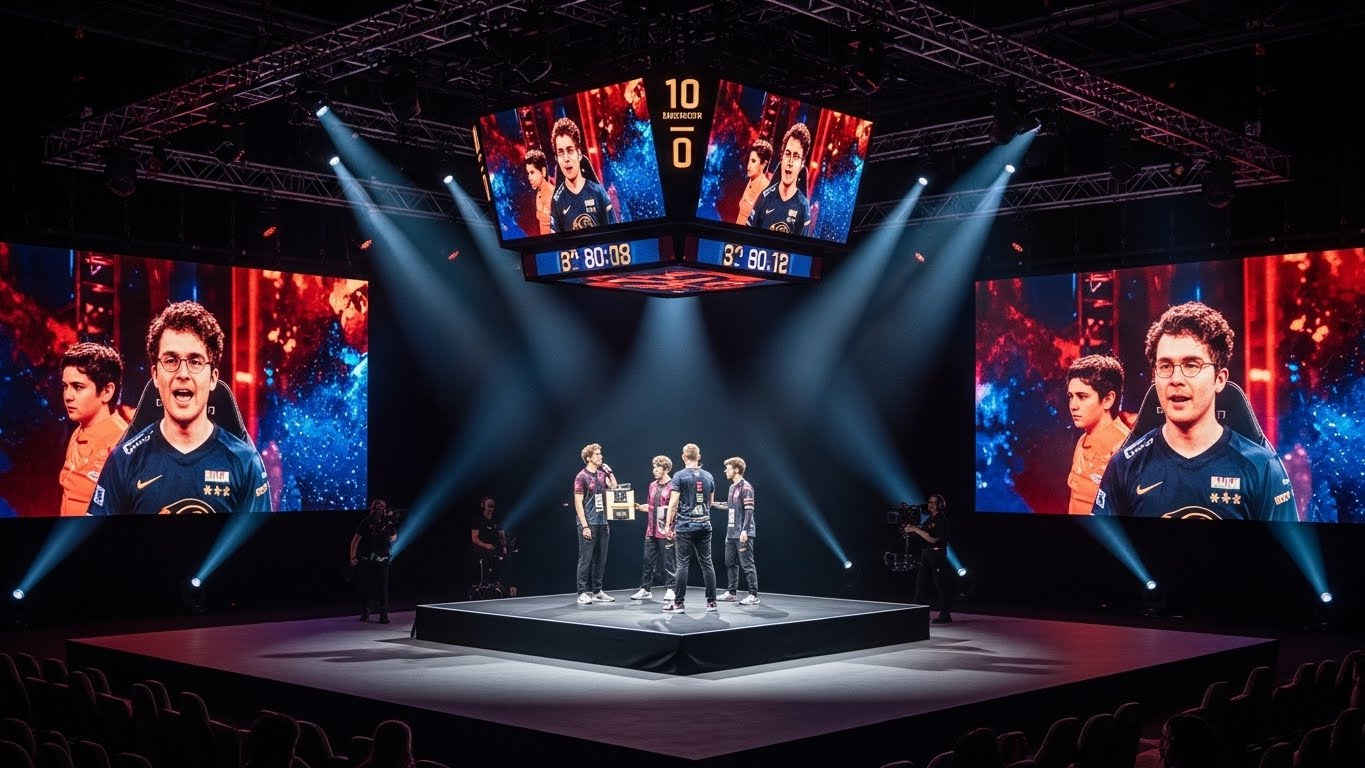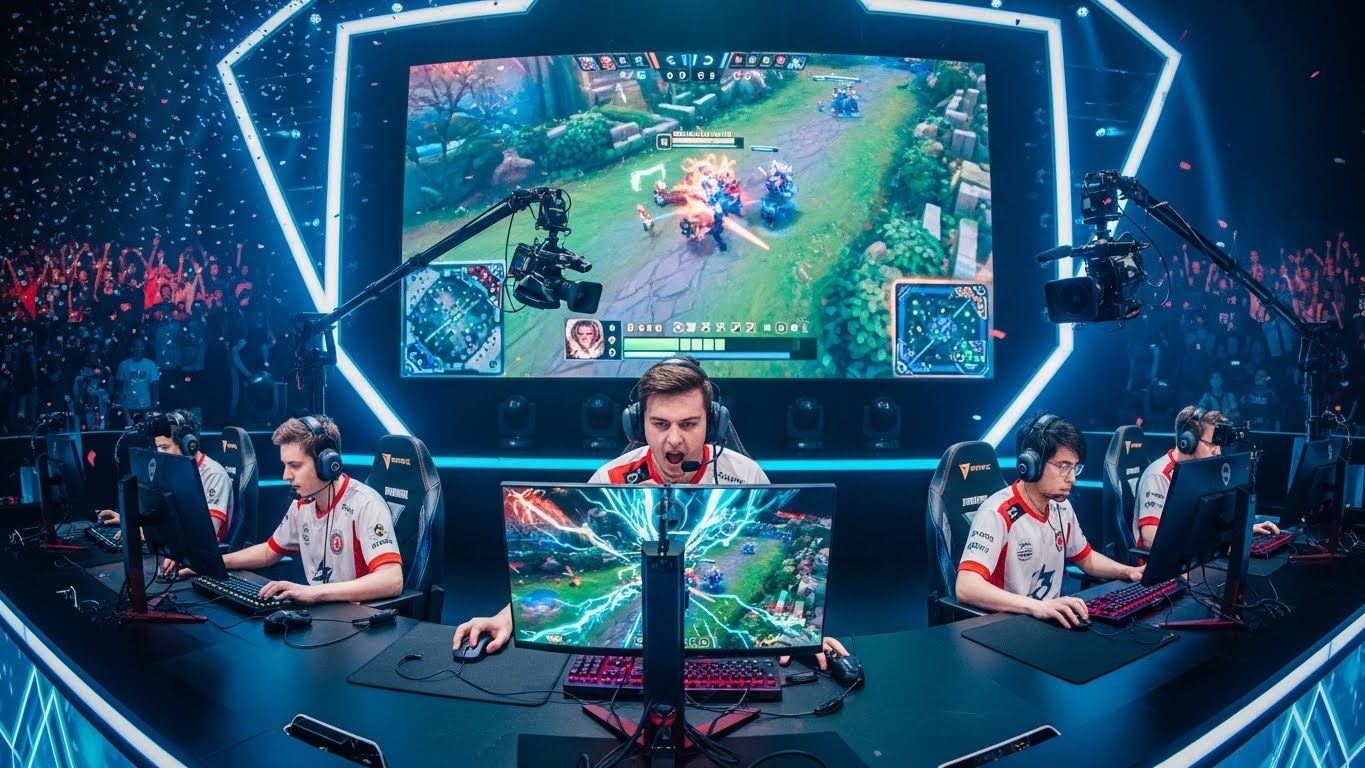







Esports, or electronic sports, has become one of the most dynamic and rapidly growing industries of the 21st century. What began as a niche hobby for a small group of gamers has evolved into a global multi-billion-dollar phenomenon that attracts millions of viewers, players, and sponsors alike. From competitive gaming tournaments to high-stakes international leagues, esports has transformed from a pastime to a mainstream entertainment spectacle. In this blog post, we’ll explore the rise of esports, its current landscape, its cultural impact, and what the future holds for competitive gaming.
The Origins of Esports: A Competitive Gaming Revolution
Esports traces its origins back to the early days of video gaming. In the 1970s and 1980s, arcade games like Pong and Space Invaders were some of the first competitive games, though these were largely informal competitions among friends or local players. It wasn’t until the late 1990s and early 2000s that gaming competitions started taking shape in the way we recognize them today.
The real turning point came with the rise of StarCraft and Quake in the late ’90s. These games had large communities of competitive players and began to attract attention beyond the casual gaming circles. StarCraft, in particular, had a massive following in South Korea, where the first professional esports leagues were formed. The StarCraft tournaments were broadcast on TV, and these early competitions laid the groundwork for the esports industry we know today.
In the West, competitions like the World Cyber Games (WCG) and Electronic Sports World Cup (ESWC) began to attract international players, and by the mid-2000s, major cities around the world were hosting tournaments. This marked the beginning of the transition from amateur, grassroots gaming events to the global esports industry.
The Rise of Esports Leagues and Professional Teams
The 2010s marked the true boom of esports. Several factors converged during this decade, creating a perfect storm for the rise of competitive gaming. Perhaps the most significant factor was the advent of League of Legends, a game developed by Riot Games in 2009. League of Legends (LoL) became one of the most successful multiplayer online battle arena (MOBA) games in history and was the catalyst for many of the major esports leagues that followed.
Riot Games made a pivotal move by organizing the first League of Legends World Championship in 2011, with prize pools that attracted attention from players, fans, and sponsors. The success of this tournament helped solidify LoL as a global esports phenomenon, and Riot began establishing regional leagues such as the North American League of Legends Championship Series (NALCS) and the European League of Legends Championship Series (EULCS).
Shortly after, other game developers saw the potential of esports and began establishing their own professional leagues. Blizzard Entertainment launched the Overwatch League in 2018, while Valve’s Dota 2 became a cornerstone of the esports ecosystem with its The International tournament, which consistently offers multi-million-dollar prize pools. Meanwhile, first-person shooter games like Counter-Strike: Global Offensive and Call of Duty became staples of competitive gaming, leading to the creation of their own professional leagues and tournaments.
At the same time, professional esports teams began to form in earnest. Organizations like Team Liquid, Cloud9, Fnatic, and T1 emerged as powerhouses, signing top-tier players, hiring coaches, and building infrastructure around esports. These organizations are now not just gaming teams but also entertainment brands, with merchandise, sponsorships, and fan followings rivaling traditional sports teams.
Esports as Mainstream Entertainment: A Global Phenomenon
By the mid-2010s, esports had become a legitimate form of entertainment with millions of viewers across the world. Major events like the League of Legends World Championship and The International began attracting audiences comparable to traditional sporting events, with online streaming platforms like Twitch, YouTube Gaming, and Facebook Gaming leading the charge. Twitch, in particular, revolutionized the way esports content was consumed by providing a platform for live-streamed gaming events, tournaments, and individual player streams. These platforms offered gamers a way to broadcast their play and interact with their audiences in real time.
Esports also became a prominent feature in traditional sports media. Networks like ESPN began covering esports events, and even large brands from outside the gaming world, such as Coca-Cola, Red Bull, and Intel, started sponsoring major esports tournaments. The industry grew into a billion-dollar ecosystem, with sponsorships, media rights, merchandise, and advertising forming a substantial part of esports’ financial framework.
The appeal of esports, particularly to younger generations, lies in its accessibility and inclusivity. Anyone with a computer or gaming console can participate in competitive gaming, and this democratization of access has led to a diverse player base and fan community. Esports also offers a variety of genres and playstyles, from strategy games like StarCraft and League of Legends to first-person shooters like Overwatch and Call of Duty to battle royale games like Fortnite and Apex Legends. This diversity allows esports to appeal to a wide range of interests and skill levels, making it a global phenomenon.
Esports and the Professional Gamer: Life at the Top
Being a professional esports player is far from the casual hobby it once was. Competitive gamers now train full-time, often following a regimen similar to that of traditional athletes. Top players spend hours each day practicing their skills, strategizing, and competing in tournaments. Some professional gamers even live in team houses, where they train together, review gameplay, and compete in online qualifiers for major tournaments.
While being a professional gamer can be highly rewarding, it is also a highly competitive and demanding career. The average lifespan of an esports career is often shorter than that of traditional athletes, with many players retiring in their mid-to-late 20s due to the mental and physical toll of competitive gaming. However, the opportunities for professional gamers extend beyond gameplay. Many esports players transition into content creation, streaming, coaching, or even management roles within esports organizations.
Furthermore, sponsorship deals, prize money, and streaming income have transformed esports players into celebrities in their own right. Figures like Ninja (Tyler Blevins), Shroud (Michael Grzesiek), and Faker (Lee Sang-hyeok) are household names in the gaming world, earning significant sums through sponsorships, streaming, and merchandise sales. Esports stars are now recognized across the globe, with massive fan followings on platforms like Twitter, Instagram, and YouTube.
The Impact of Esports on Traditional Sports and Society
Esports has not only created a new form of entertainment but also impacted traditional sports in several ways. For one, esports has challenged the definition of what constitutes “sport.” Many traditional sports fans were initially skeptical of esports, but as its popularity surged, many came to recognize the competitive nature, skill, and strategy involved in gaming. Esports even found common ground with traditional sports, as many professional athletes from leagues like the NBA and NFL began investing in esports teams or participating in esports-related initiatives.
Moreover, esports has helped redefine the concept of fandom. Whereas traditional sports fans would attend live games or watch matches on TV, esports fans engage with their favorite players and teams primarily through digital platforms. Fans can interact directly with players through Twitch streams, social media, and fan events. The sense of community among esports fans is unique and often transcends geographical boundaries, allowing fans from all over the world to connect and celebrate their shared love for gaming.
Esports has also had a significant impact on education and career development. Many universities now offer esports scholarships, and some institutions have even established dedicated esports programs and arenas. Esports has become an avenue for students to pursue their passion for gaming while earning a degree, and some even go on to become professional players or streamers.
The Future of Esports: What’s Next?
As esports continues to grow, there are several exciting developments on the horizon. One of the most significant is the increasing integration of esports into traditional sports and entertainment events. The inclusion of esports as a medal event in the 2022 Asian Games marked a historic step for competitive gaming, signaling that esports is now being recognized as a legitimate and mainstream form of competition. Some even speculate that esports may eventually make its way into the Olympic Games.
Additionally, the continued evolution of technology, such as virtual reality (VR) and augmented reality (AR), has the potential to take esports to new heights. Imagine a fully immersive esports experience where players and fans interact in virtual arenas, or where fans can watch competitions through VR headsets as though they were there in person.
Esports is also expected to continue expanding globally. While esports is already popular in regions like North America, Europe, and Asia, emerging markets in Africa, Latin America, and the Middle East present new growth opportunities. As internet infrastructure improves and gaming hardware becomes more accessible, esports has the potential to become a truly global phenomenon, with talent and fans emerging from all corners of the world.
Conclusion: Esports is Here to Stay
Esports has come a long way from its humble beginnings as a niche hobby. Today, it is a global powerhouse, with millions of players, fans, and professionals making it one of the most exciting and dynamic industries in entertainment. Whether you’re a player, a fan, or someone who simply enjoys the thrill of competition, esports offers something for everyone.
As the industry continues to evolve, it’s clear that esports is here to stay. With the rise of new technologies, more global events, and an ever-expanding fanbase, esports will continue to grow and shape the future of competitive entertainment. The next decade promises to be even more exciting,