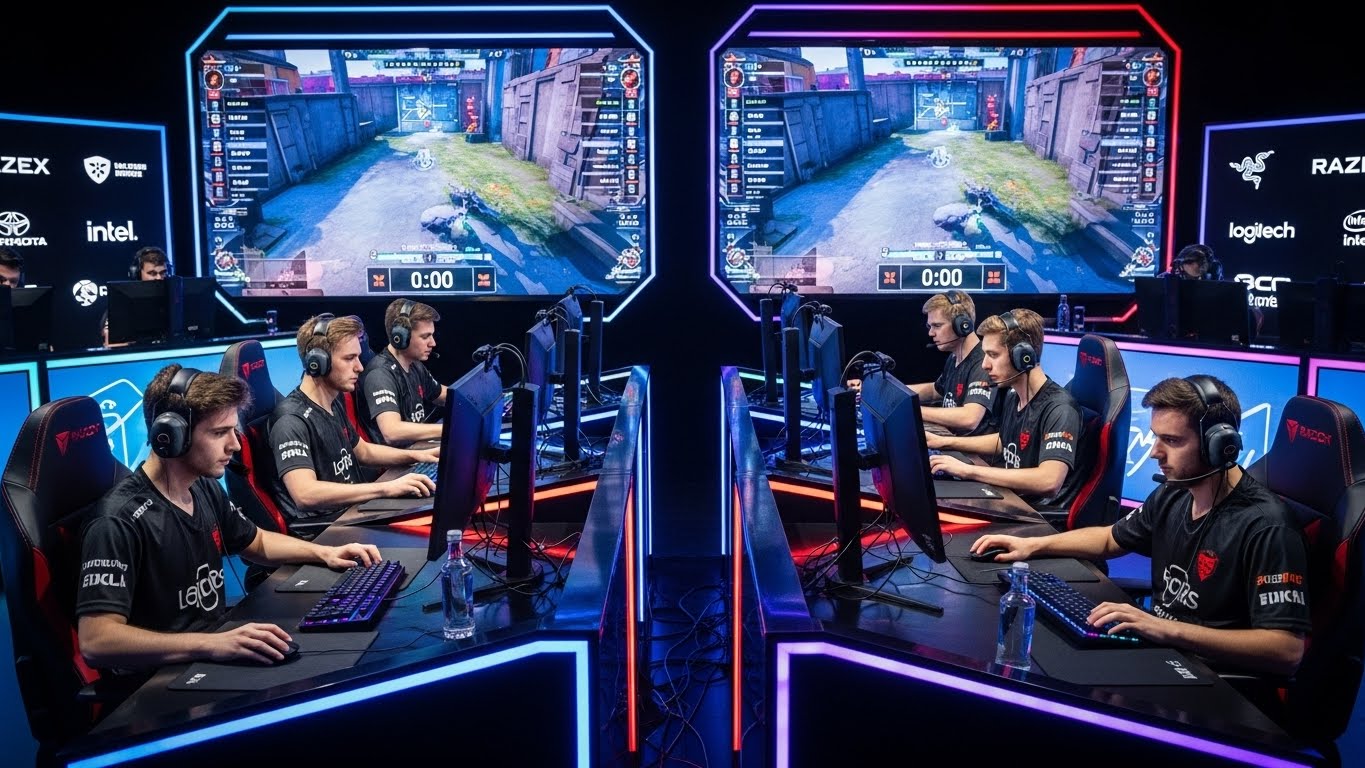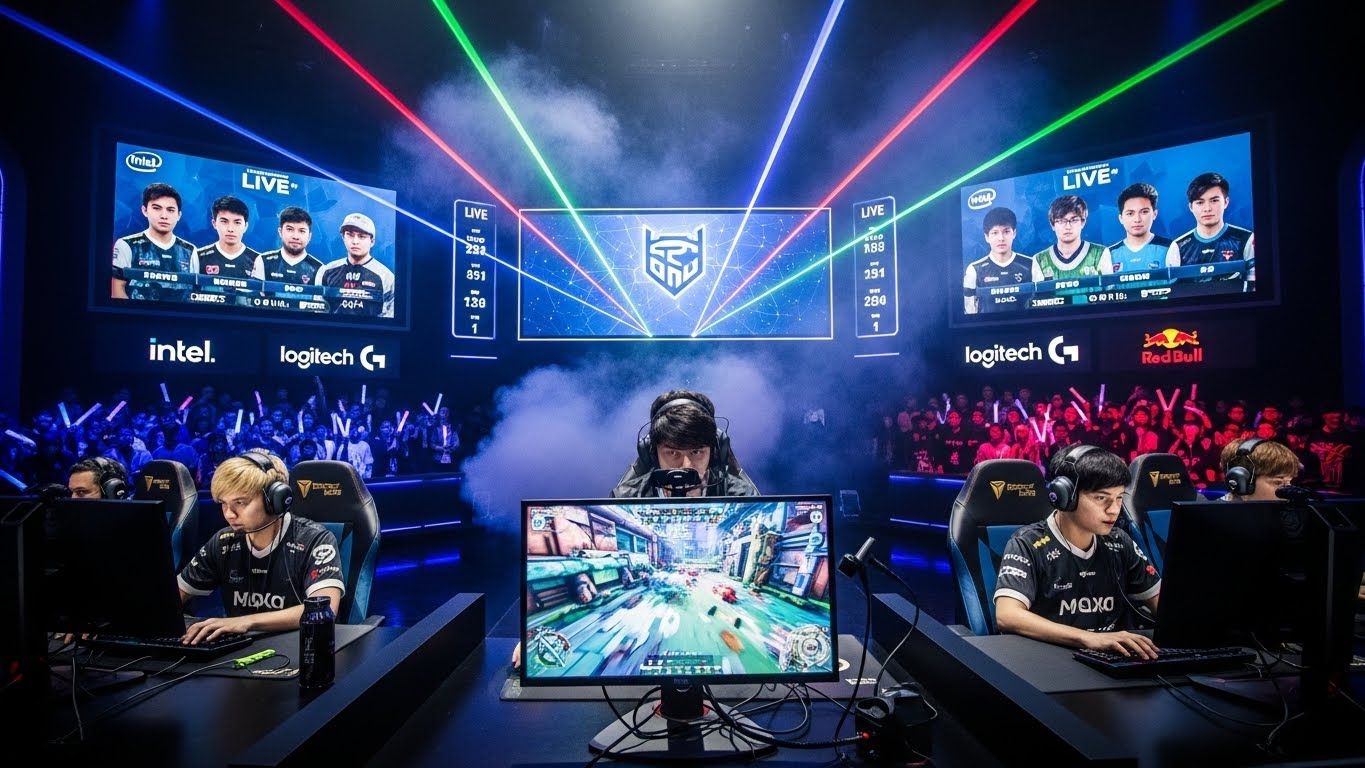







Since its launch in 2020, Riot Games’ Valorant has rapidly ascended to become a cornerstone of the global esports landscape. Blending tactical shooter mechanics with hero-based abilities, the game has attracted a diverse player base and established a robust competitive ecosystem. This blog post delves into Valorant’s transformative influence on the competitive scene, examining its growth, challenges, and future prospects.
1. The Genesis of Valorant Esports
Riot Games, renowned for League of Legends, ventured into the tactical shooter genre with Valorant. Launched in June 2020, the game aimed to fill the void left by Counter-Strike: Global Offensive (CS:GO) by offering a fresh, accessible, and dynamic shooter experience. Recognizing the potential for competitive play, Riot swiftly introduced the Valorant Champions Tour (VCT) in 2021, laying the foundation for its esports ecosystem.
2. Rapid Expansion and Global Reach
Valorant’s esports scene has witnessed exponential growth since its inception. The VCT has evolved into a multi-tiered structure, encompassing regional leagues, international tournaments, and a culminating world championship. Notable events like the VCT Masters and Valorant Champions have showcased top-tier talent and garnered significant viewership, solidifying the game’s position in the esports arena.
In 2025, the VCT introduced the Champions Points system and academy teams for partnered organizations, aiming to enhance competition and provide developmental pathways for emerging talent
3. Structural Innovations and Regional Leagues
One of Valorant’s significant contributions to esports is its innovative league structure. The introduction of regional leagues—Americas, EMEA, and Pacific—has fostered localized rivalries and increased fan engagement. These leagues operate on a partner system, ensuring a consistent and high-quality competitive environment.
Additionally, the Valorant Champions Tour has incorporated diverse formats, including group stages, Swiss-system brackets, and double-elimination playoffs, to maintain viewer interest and accommodate various team strategies
4. Elevation of Tier 2 and Collegiate Scenes
Beyond the premier leagues, Valorant has made strides in nurturing its Tier 2 and collegiate ecosystems. Tournaments like the Saints Gauntlet Series have provided platforms for up-and-coming teams to showcase their skills, with organizations such as Northwood Esports emerging as prominent contenders
However, challenges persist. The North American Tier 2 scene faces issues like declining participation and insufficient structural support, necessitating concerted efforts to bolster this segment
5. Cultural Impact and Community Engagement
Valorant’s influence extends beyond gameplay. The game’s rich lore, diverse agent roster, and dynamic maps have cultivated a passionate community. Events like the Esports World Cup in Riyadh, featuring Valorant as a headline title, exemplify the game’s cultural significance and global appeal
Moreover, Riot Games’ strategic content marketing, including in-game events and collaborations, has sustained player engagement and attracted new audiences
6. Technological Advancements and Competitive Integrity
To enhance the competitive experience, Riot Games has implemented technological upgrades. The transition to Unreal Engine 5 in July 2025 improved game performance, while the introduction of a replay system in September allowed players to analyze matches and report misconduct
Additionally, Riot’s partnership with the Esports World Cup Foundation has elevated Valorant’s prestige, with the 2025 tournament featuring 16 teams and a prize pool of $70 million Reuters.
7. Challenges and Criticisms
Despite its success, Valorant’s competitive scene faces several challenges. The game’s meta is subject to rapid changes, leading to shifts in team compositions and strategies. This fluidity, while fostering innovation, can also result in instability and unpredictability in team performances
Furthermore, Riot Games’ introduction of gambling sponsorships for Tier 1 teams has sparked controversy. While aimed at generating revenue, critics argue that this move could compromise the integrity of the esports ecosystem and expose younger audiences to potential harms
8. Future Prospects
Looking ahead, Valorant’s competitive scene is poised for continued growth. The game’s adaptability to technological advancements and its commitment to fostering a diverse and inclusive community position it well for sustained success. However, addressing challenges related to meta stability, structural support for Tier 2 scenes, and ethical considerations will be crucial for maintaining the integrity and appeal of Valorant esports.
Conclusion
Valorant has indelibly impacted the competitive esports landscape. Through innovative structures, cultural engagement, and technological advancements, it has set new standards for competitive gaming. While challenges remain, Valorant’s trajectory suggests a bright future, with the potential to influence the esports industry for years to come.